How Much Is The Taking of Christ Worth?
Last updated: March 16, 2026
Quick Facts
- Methodology
- comparable analysis
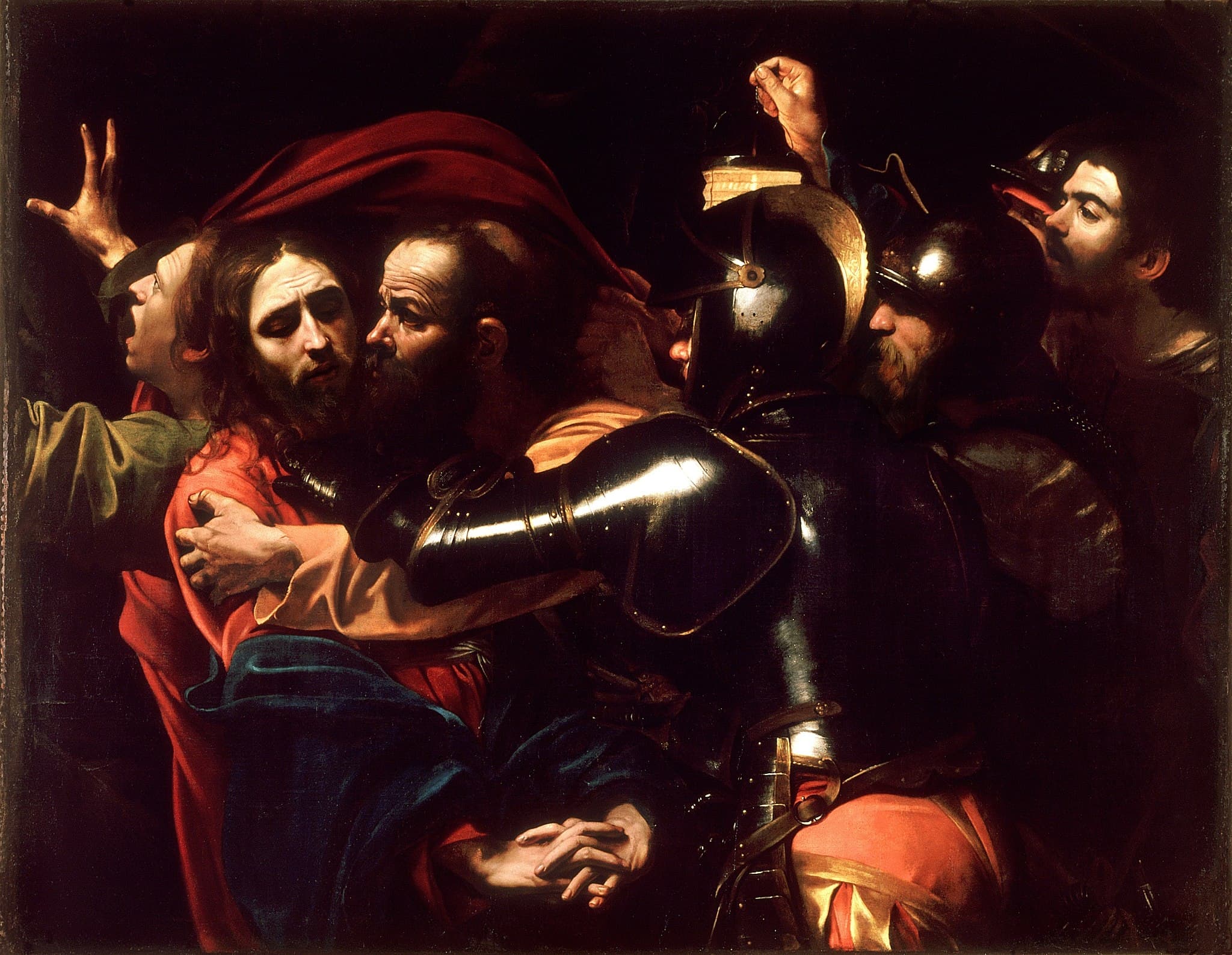
Assuming clear title, accepted attribution to Caravaggio, sound condition and no legal impediments, The Taking of Christ would most plausibly realise between $100M and $150M in a private‑sale or controlled auction setting. This range is driven by the painting’s canonical status, extreme market scarcity for autograph Caravaggios, and recent institutional/private purchase benchmarks for rediscovered works.
Valuation Analysis
Valuation conclusion: If an unencumbered, fully authenticated, museum‑quality autograph of Caravaggio’s The Taking of Christ were offered on the open market with clear legal title, a defensible market range is $100–150 million. This range balances the demonstrated institutional willingness to pay tens of millions for verified rediscoveries with the very high private‑market ceiling that has been publicly discussed for top‑tier Caravaggios.
The canonical Dublin picture is in long‑term institutional custody and has not been publicly sold in the modern market; it remains on loan to the National Gallery of Ireland and effectively off‑market [1]. Recent market events provide the primary comparables: the Museo del Prado’s authenticated Ecce Homo was reported in 2024 as acquired/underwritten at roughly €36M (~$38–40M) and subsequently exhibited (an institutional private purchase model) [2]. By contrast, the Toulouse Judith and Holofernes rediscovery generated public pre‑sale estimates in the €100–150M band and was reported sold privately — that episode establishes a plausible private‑market ceiling for a top‑tier Caravaggio rediscovery (though the final figure was not published) [3].
How the range was derived: The lower bound ($100M) reflects a conservative premium above the recent institutional purchases in the €30–40M band: a canonical Caravaggio with full scholarly and technical endorsement should command materially higher sums because of rarity and bidder competition among sovereign/state buyers, leading private collectors and museums. The upper bound ($150M) tracks the public pre‑sale imagination and market commentary around the Toulouse Judith (€100–150M estimates) and represents a plausible ceiling for an unrestricted, trophy‑level sale to a well‑capitalised private buyer or consortium.
Key modifiers: the final price would be highly sensitive to (a) unconditional attribution and an authoritative technical dossier; (b) unquestioned provenance and clean title (including absence of export restrictions or third‑party claims); and (c) physical condition and conservation history. Any doubts in those areas could reduce realisable value by multiples; conversely, a museum‑backed exhibition and scholarly endorsement immediately prior to sale would materially increase competitiveness and the achievable price.
Market route and likelihood: Major Caravaggios typically transact by private sale or are retained by institutions; transparent auction records are sparse. The most realistic sale channels for a painting of this profile would be a negotiated private sale to a state/museum or a controlled auction/sale mediated by a top‑tier house with institutional outreach. Political, legal and reputational impediments (national cultural patrimony norms, export controls, public opposition) make an actual market offering unlikely without proactive institutional consent.
Caveats: This valuation is hypothetical. Because the Dublin Taking of Christ is museum‑held on long‑term loan and has no modern public sale record, price discovery is limited and contingent on situational factors. For a formal, transaction‑grade valuation an auction house or specialist appraisal would need full access to provenance documentation, conservation/technical reports and title clearances.
Key Valuation Factors
Art Historical Significance
High ImpactThe Taking of Christ is a canonical early‑Roman Caravaggio composition that exemplifies the artist’s invention of dramatic chiaroscuro, naturalistic figures and psychological immediacy. Its prominence in scholarship, exhibition histories and reproduction makes it one of the artist’s most recognizable narrative works. Such art‑historical centrality confers both a cultural premium and strong institutional interest, elevating the painting’s market desirability well above that of typical Old Master works. A work of this calibre would be viewed as a trophy asset by leading museums and ultra‑high‑net‑worth collectors, directly supporting top‑tier pricing when other commercial and legal conditions are satisfied.
Provenance & Legal Title
High ImpactProvenance and clear legal title are decisive for a painting of this profile. The best‑known version of The Taking of Christ is on long‑term loan from the Jesuit community to the National Gallery of Ireland; this institutional custody effectively places it off the market and adds layers of cultural‑property and reputational considerations. Any sale would require explicit owner consent, potential national export clearances, and absolute resolution of prior ownership claims. Clean, well‑documented provenance will materially increase buyer confidence and the price; conversely, disputed title or export restrictions could make a sale impossible or force steep discounts.
Condition & Technical Authentication
High ImpactCondition, conservation history and rigorous technical authentication (X‑ray, infrared reflectography, pigment and binder analysis) directly affect market value. The 1990s rediscovery and subsequent conservation of the Dublin picture improved its scholarly standing, but a transaction‑grade sale would require full technical dossiers and published conservation reports. Excellent structural and surface condition combined with convincing technical evidence of autograph authorship would push value toward the upper bound; significant restoration, overpainting or unresolved attribution questions would reduce marketability and price substantially.
Market Scarcity & Comparables
High ImpactAutograph Caravaggios are exceptionally scarce on the market; most canonical works reside in museums and only rarely reappear. Recent validated rediscoveries have been acquired by institutions in the tens of millions (e.g., Prado Ecce Homo reported ≈€36M) while certain high‑profile rediscoveries generated private‑sale estimates in the €100–150M band (Toulouse Judith), establishing a wide but informative comparables set. This scarcity compresses supply and amplifies competitive bidding when an uncontested autograph appears, justifying a premium relative to other Old Masters.
Buyer Appetite & Liquidity
Medium ImpactDemand for top‑tier Caravaggios comes from a narrow pool—major museums, sovereign/state bodies and a handful of ultra‑wealthy private collectors. While these buyers can pay very high prices, sales are infrequent and liquidity is low; reputational and regulatory concerns further limit transaction pathways. Private buyers may pay premiums for exclusivity, but institutions typically set the practical price ceiling. The constrained buyer universe increases price volatility and makes timing and sale route critical to maximising value.
Sale History
The Taking of Christ has never been sold at public auction.
Caravaggio's Market
Caravaggio is among the most sought‑after Old Masters: his market is characterised by extreme scarcity of autograph works, high scholarly interest and episodic rediscoveries. Few canonical Caravaggios reach the open market; many significant examples remain in museum collections, and major transactions tend to be private or state purchases rather than transparent auction records. Authentication controversies and provenance diligence strongly influence pricing. When authenticated and exhibition‑endorsed, Caravaggios can command sums that far outstrip typical Old Master lots, attracting deep institutional and private capital.
Comparable Sales
Ecce Homo (attributed to Caravaggio)
Caravaggio
Rediscovered work attributed to Caravaggio acquired by/for a major public exhibition — directly comparable by artist, rediscovery dynamics and institutional purchase price band.
$39.0M
2024, Private acquisition; loaned to Museo Nacional del Prado (reported)
~$40.2M adjusted
Rare Caravaggio portrait (reported Italian state acquisition)
Caravaggio
State/museum-level purchase of an authenticated Caravaggio in the ~€30M range — shows public bodies will pay tens of millions for museum-quality rediscoveries.
$35.0M
2024, Reported state/ministerial purchase (Italy)
~$36.0M adjusted
Judith and Holofernes (Toulouse rediscovery; Caravaggio — pre-sale estimate/private sale)
Caravaggio
Same artist and a high-profile rediscovery with very large pre-sale estimates and reported private acquisition — indicates the possible market ceiling for top-tier rediscovered Caravaggios.
$140.0M
2019, Private sale (reported; final price undisclosed; pre-sale estimates €100–150M)
~$167.2M adjusted
The Taking of Christ — press valuation at rediscovery (1993)
Caravaggio
Historical press estimate for this exact painting at its 1993 rediscovery — useful as an older market benchmark but not a transaction and subject to large caveats.
$57.5M
1993, Press-reported gallery valuation at rediscovery (not a public sale)
~$126.7M adjusted
The Return of the Bucintoro on Ascension Day (Canaletto)
Canaletto
Top-tier Old Master auction result in mid-2025 demonstrating market capacity to pay c.$40M+ at auction for museum-quality works — useful sector context though different artist/subject.
$43.9M
2025, Christie's London
Current Market Trends
The market for top‑tier Old Masters and Caravaggios is supply‑constrained but resilient: recent authenticated rediscoveries have sold or been acquired privately in the tens of millions while rare trophy pieces carry private ceilings in the low hundreds of millions. Increased technical vetting, institutional exhibitions and state acquisitions have strengthened buyer confidence, but attribution risks have made purchasers more cautious. Overall, demand for museum‑quality Caravaggios remains strong and episodic.