Symbolism in Art
Explore the broad symbolism categories that connect recurring images across art history. Each page dives into the meanings, artworks, and key symbols that define the theme.
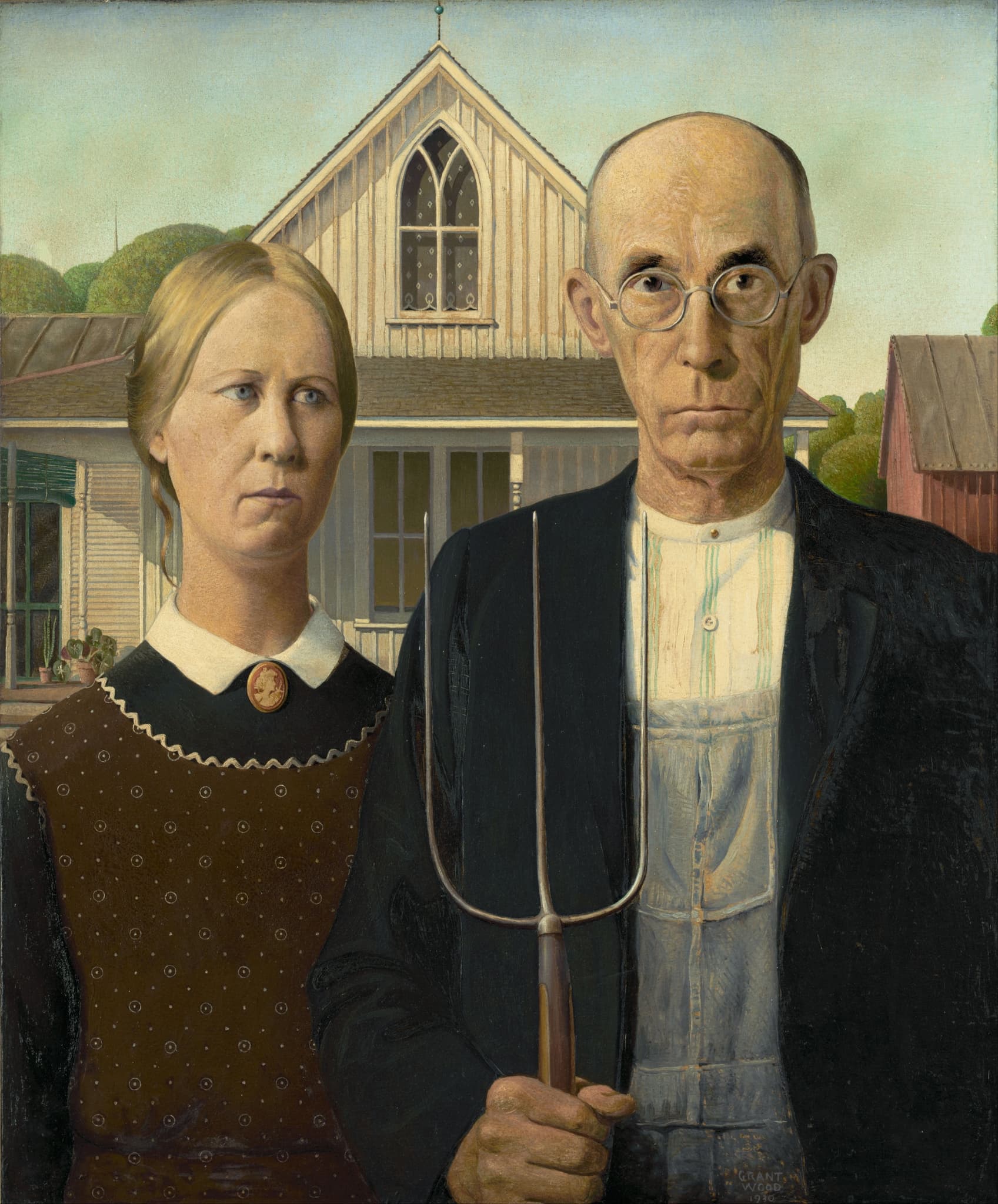
Architecture
Architectural motifs in modern painting operate as charged thresholds between private and public, nature and culture, and individual perception and collective order, translating built form into a language for negotiating modernity’s social and psychological stakes.
34 symbols
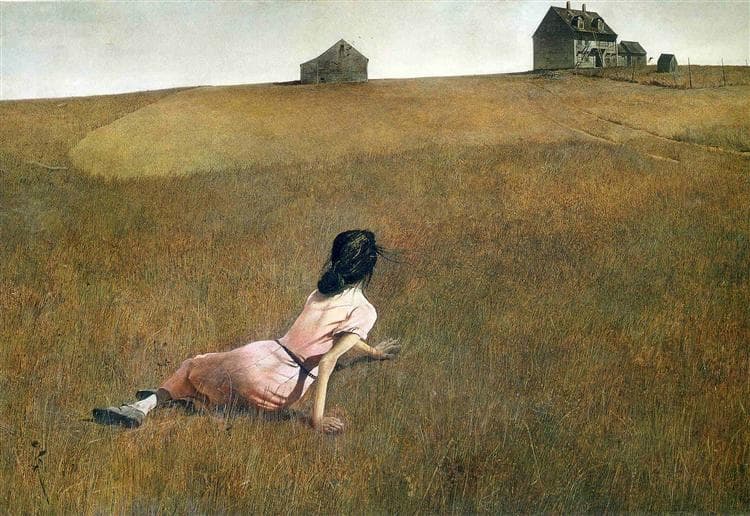
Body
The body symbolism in this group charts how modern artists turn gesture, posture, and gaze into primary vehicles of meaning, shifting from inherited sacred and classical idioms toward intimate, psychological, and sociopolitical registers.
51 symbols
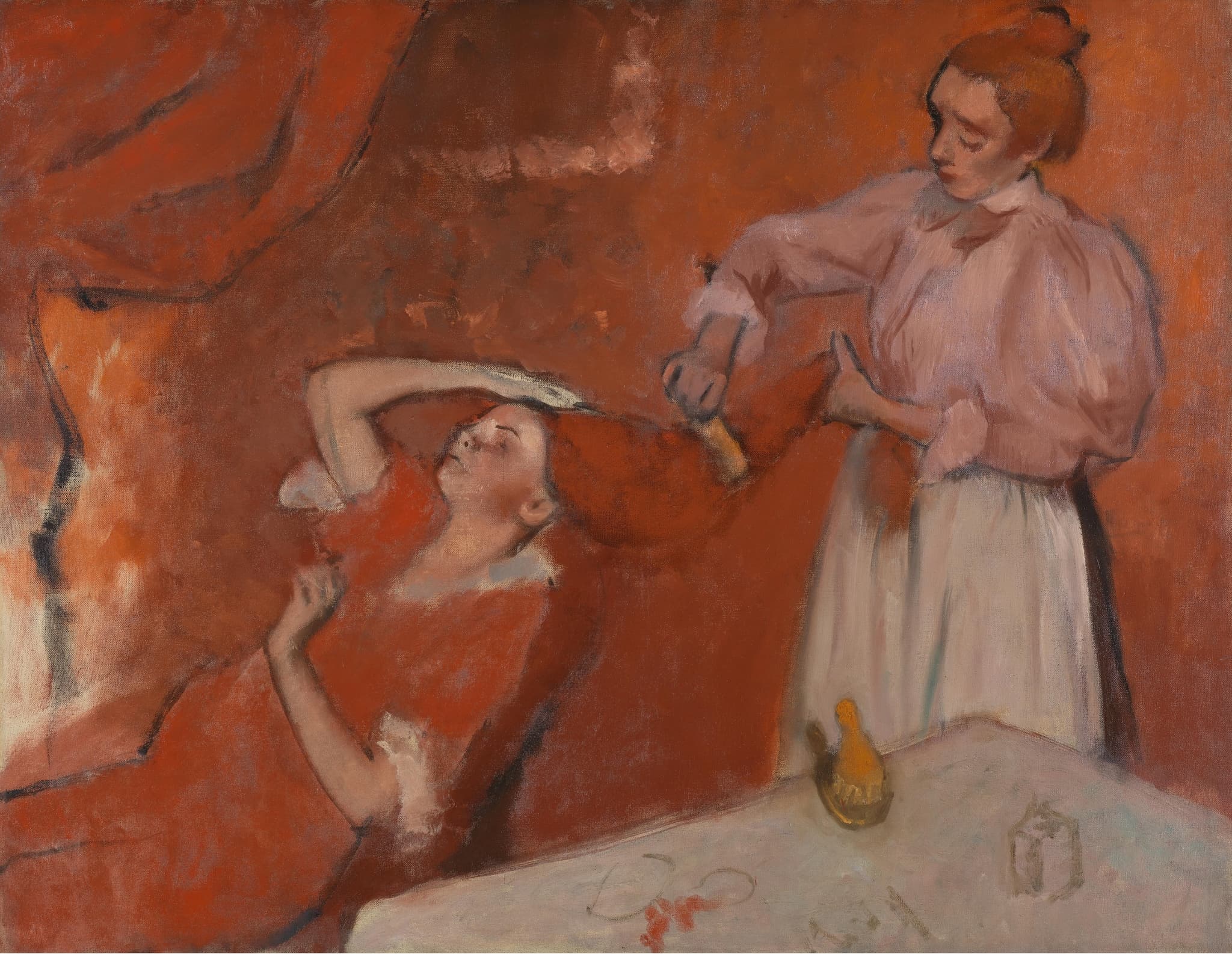
Color
Color symbolism in art history encapsulates emotional intensity, cultural nuance, and artistic experimentation, with artists leveraging hues to convey complex narratives and atmospheres.
10 symbols
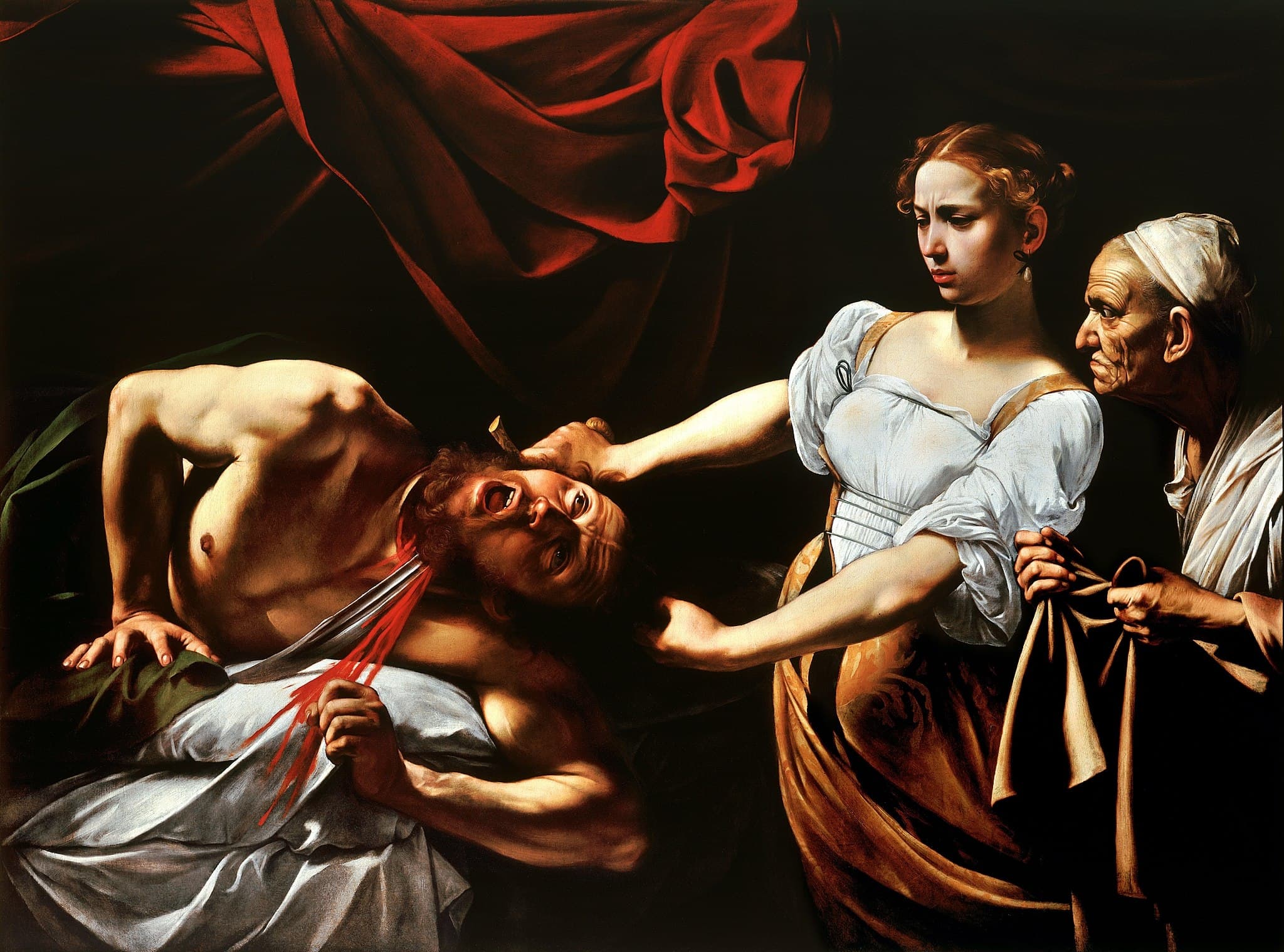
Devotion
The Devotion category traces how artists visualize directed love, worship, and fidelity—from apostolic witness and Marian intercession to revolutionary and civic ardor—through recurrent symbols that bind inner commitment to public gesture across sacred and secular art.
0 symbols
Domesticity
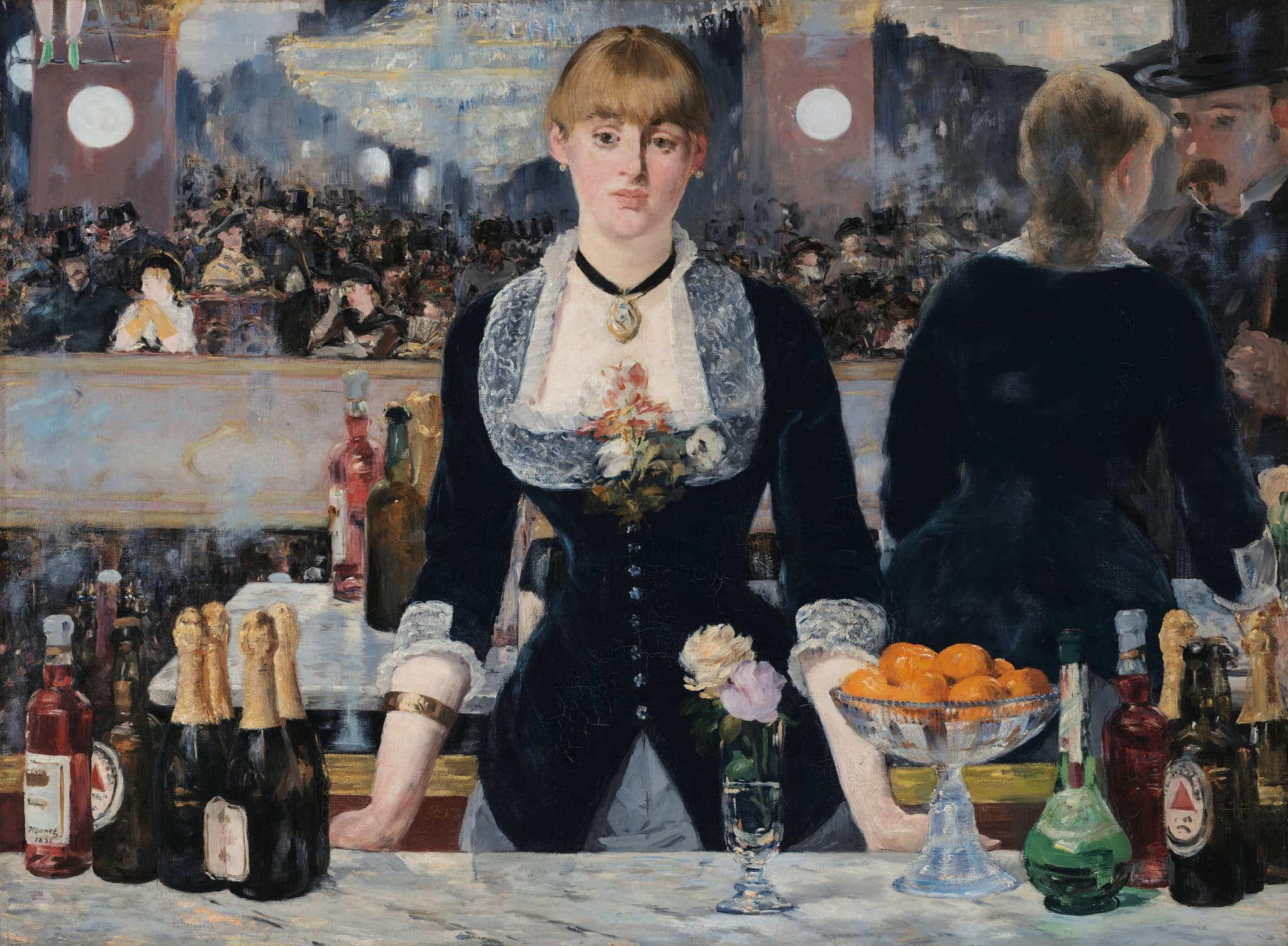
The “Domesticity” symbolism category traces how modern artists transform humble household objects, routines, and furnishings into a complex visual language of labor, intimacy, and psychological tension within the home and its adjacent social spaces.
75 symbols
Fashion
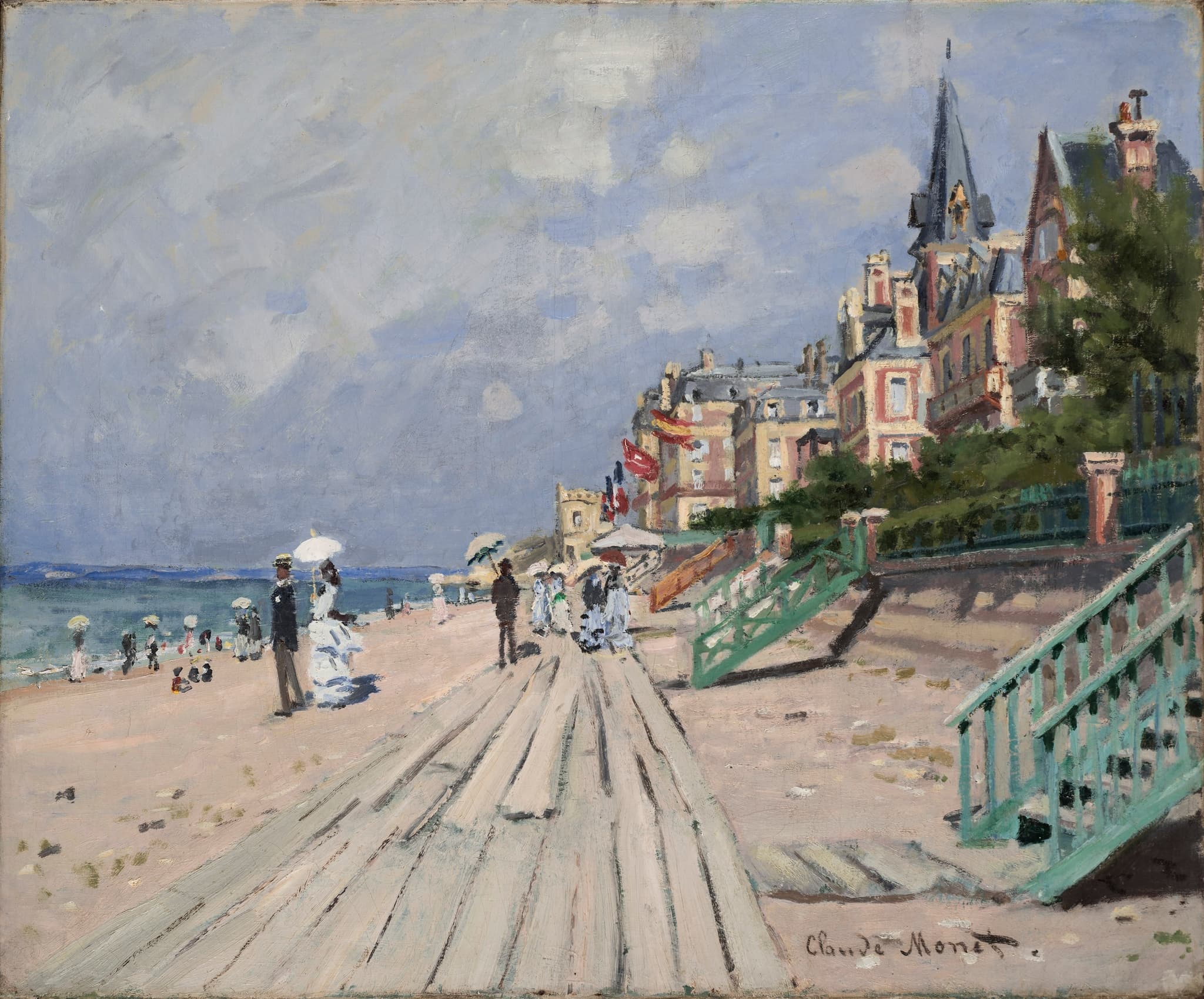
In Impressionist and related modern painting, fashion functions as a coded system of class, gender, and spectatorship, translating older allegorical and mythic meanings into the language of couture, accessories, and regulated bodily comportment.
58 symbols
Femininity
In late nineteenth‑century painting, femininity is articulated not as an essence but as a mutable ensemble of fashion, gesture, and setting, through which modern artists probe women’s visibility, labor, and agency within emerging urban and suburban worlds.
107 symbols
Figure
Figure symbolism in modern painting turns the human body into a calibrated sign-system in which posture, gesture, and gaze encode shifting relations among desire, labor, authority, and spectatorship.
65 symbols
Gesture
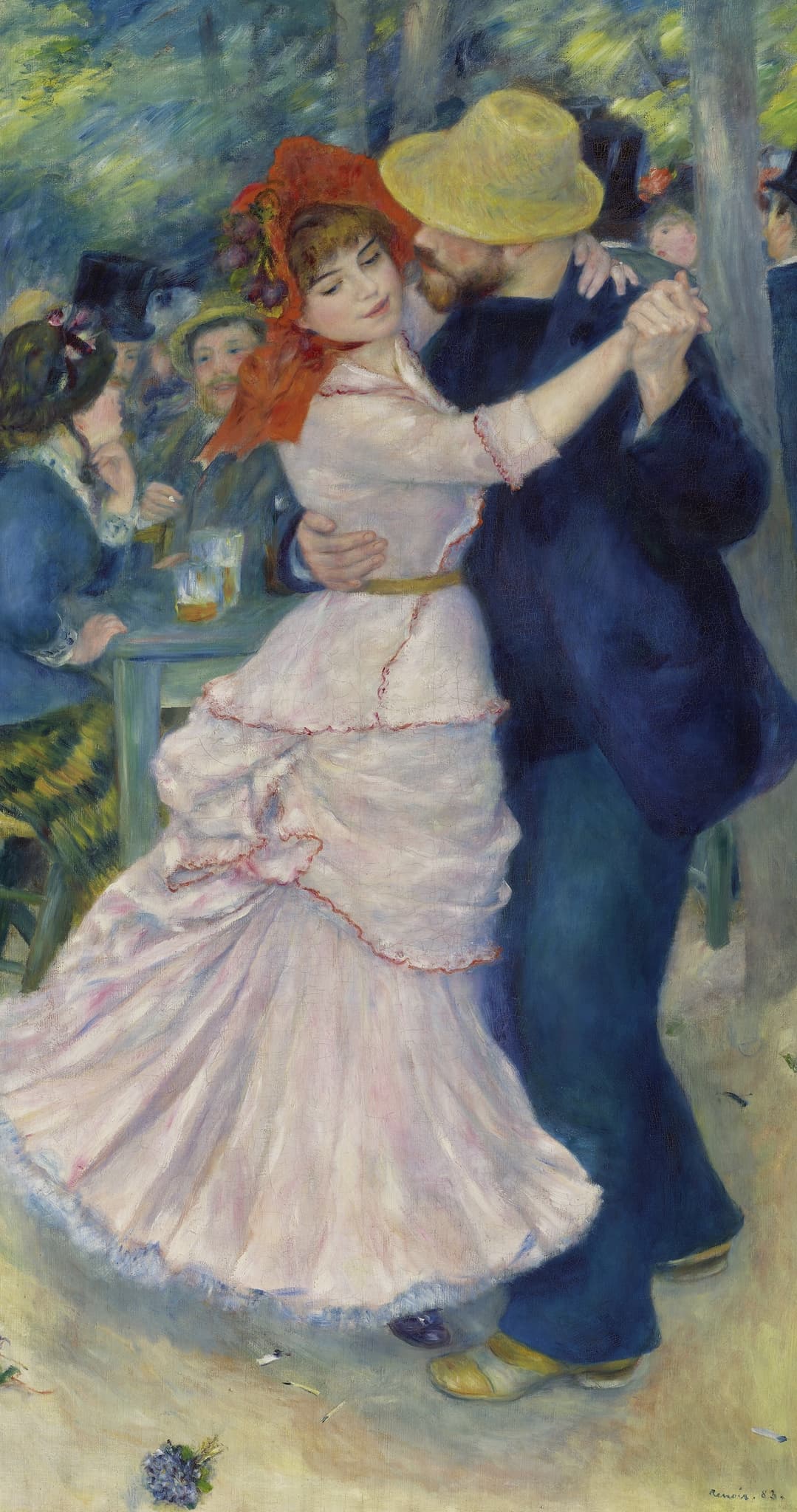
Gesture in modern painting operates as a charged system of signs in which the smallest inflection of hand, arm, or posture encodes shifting relations of intimacy, labor, authority, and selfhood, reworking a long iconographic tradition for a newly self-conscious age of looking.
48 symbols
Humanity
The symbolism of humanity in art encompasses markers of personal connection, social roles, and emotional dynamics, reflecting complex layers of identity and interaction within modern life.
9 symbols
Identity
The “Identity” symbolism category traces how modern and early modern artists encode social role, class, gender, and selfhood in clothing, pose, and gaze, turning the human figure into a densely signifying site where personal agency and institutional structures intersect.
54 symbols
Interiority
“Interiority” symbols in modern painting transform gesture, gaze, and domestic props into visual indices of inward life, staging psychological depth, self-consciousness, and mediated subjectivity within scenes of everyday modernity.
103 symbols
Intimacy
In the 'Intimacy' category, late nineteenth‑century artists redeploy traditional emblems of affection, care, and erotic exchange—hands, flowers, mirrors, and children—to probe the fragile, negotiated character of closeness in an age of public leisure, urban spectacle, and modern subjectivity.
87 symbols
Light
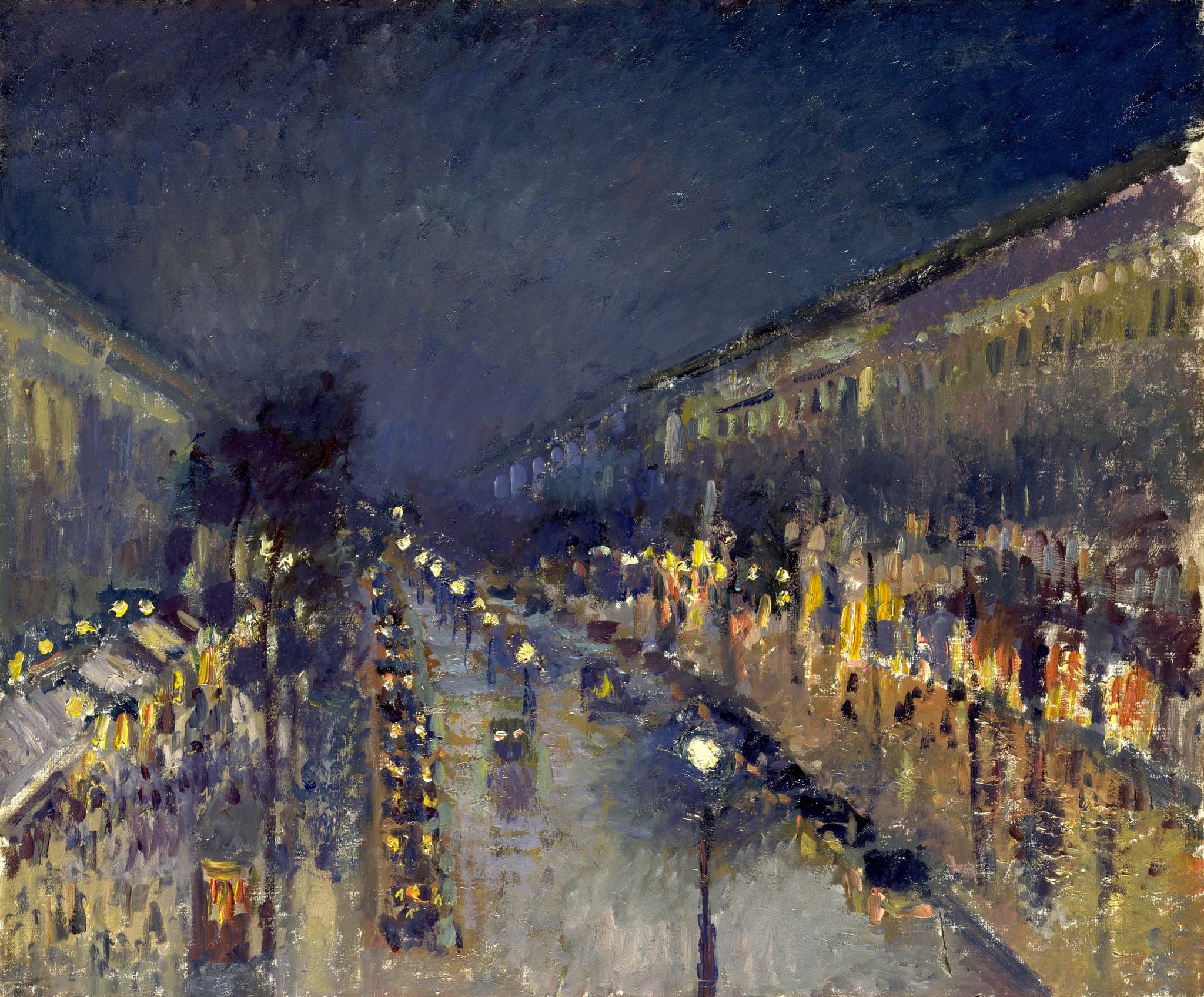
In Western painting, light functions as a central symbolic system through which artists translate theological revelation, modern technology, labor, and atmospheric perception into visible form, continually renegotiating the boundary between material illumination and metaphorical insight.
47 symbols
Mortality
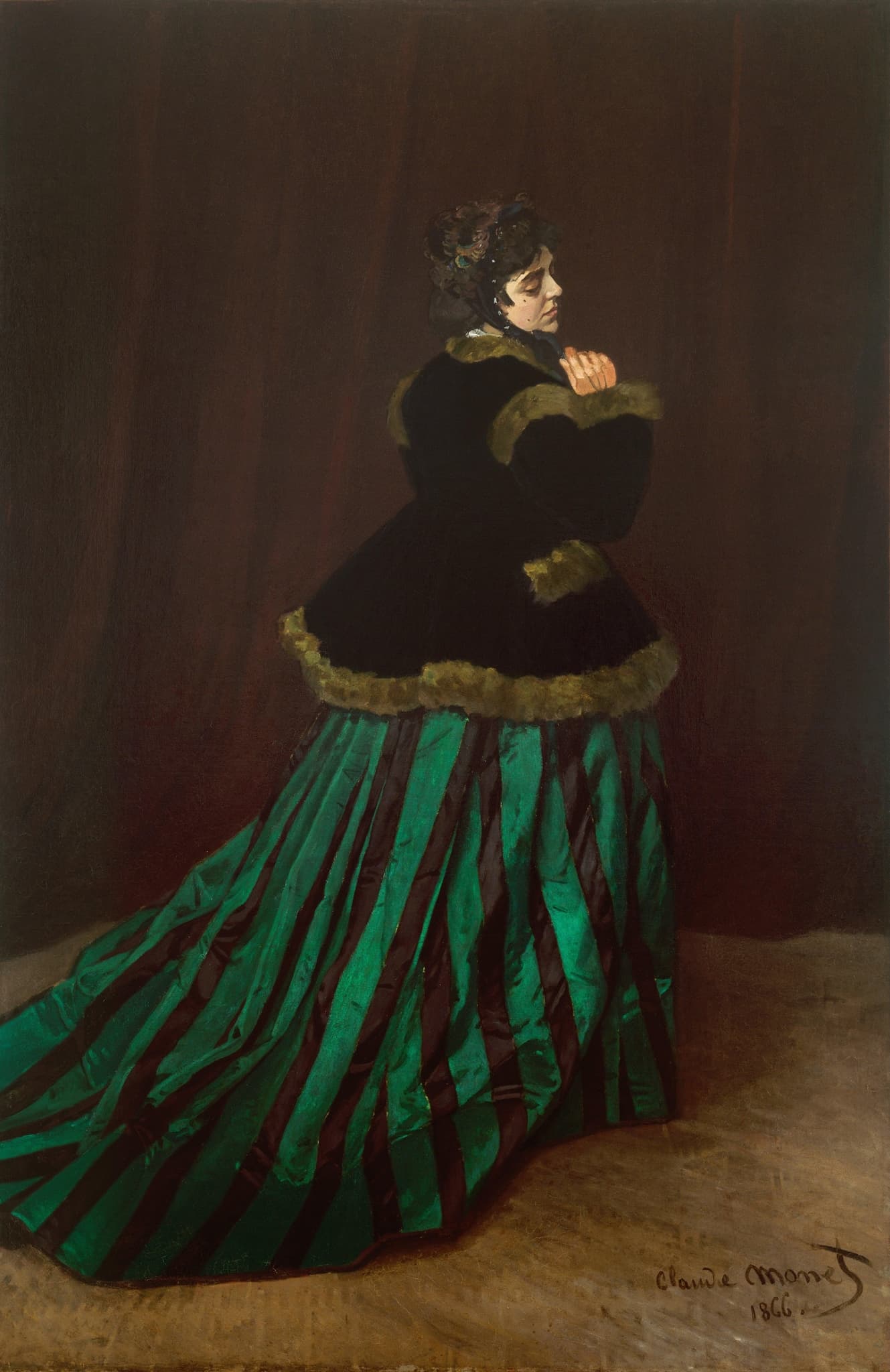
The “Mortality” symbolism category in nineteenth‑century painting translates death from theological drama into terse, often secular signs—blood, smoke, wilted flowers, exhausted bodies—through which modern artists register the finitude of life and the procedural, sometimes anonymized character of modern violence.
24 symbols
Nature
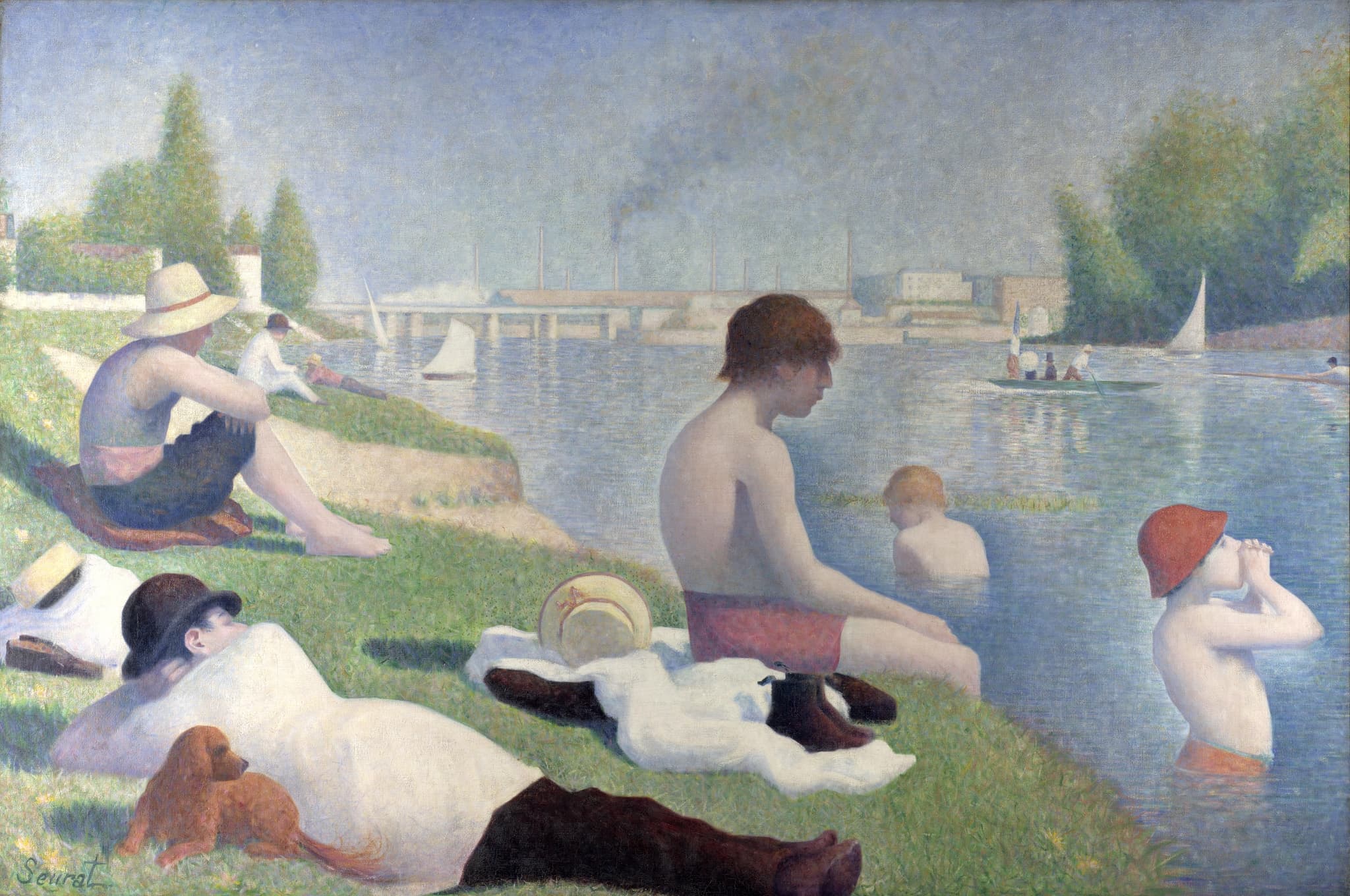
In nineteenth- and twentieth-century painting, natural motifs ranging from Arcadian groves and grainstacks to broken ice floes and barren trees operate as a flexible symbolic system through which artists negotiate time, modernity, and the shifting relation between human life and the environment.
43 symbols
Object
Object symbolism charts how seemingly ordinary tools, vessels, and furnishings—books, bottles, clocks, tables, instruments—become dense sign-carriers of labor, leisure, desire, and modern perception from early modern iconography to Impressionist and post‑Impressionist painting.
64 symbols
Objecthood
The “Objecthood” symbolism category traces how seemingly ordinary implements—bottles, clocks, mirrors, gloves, café tableware—become charged mediators of labor, time, spectacle, and selfhood in modern painting, shifting from stable attributes to critical signs of fractured, commodity-driven experience.
67 symbols
Objects
Object-symbols in modern painting turn everyday tools, vessels, and branded commodities into compact signs of labor, sociability, discipline, and commodified desire, reworking older still-life and genre conventions for an urban, industrial age.
48 symbols
Society
The Society symbolism category charts how nineteenth‑century artists encoded modern social relations—class hierarchy, gendered labor, spectatorship, and leisure—through recurring motifs of dress, gesture, and urban setting that transform everyday bourgeois and working-class life into a legible iconography of modernity.
29 symbols
Symbolism
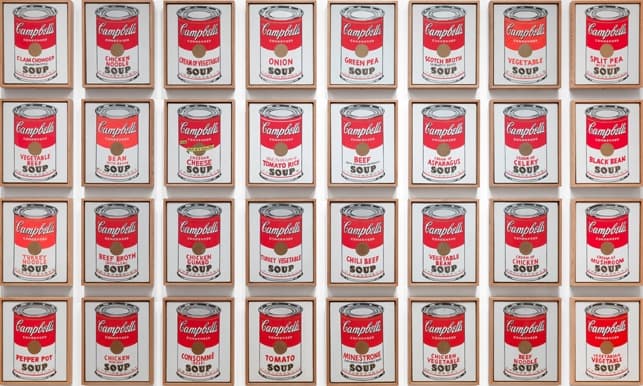
The Symbolism category here traces how modern and contemporary artists redeploy a heterogeneous repertoire of signs—from religious mirrors and dynastic portraits to tricolor flags and corporate emblems—to interrogate vision, power, national identity, and consumer culture across changing regimes of representation.
65 symbols
Urban
Urban symbolism in modern painting transforms streets, stations, and squares into coded fields where infrastructure, light, and crowd dynamics visualize the social logics of the nineteenth- and early twentieth‑century city.
77 symbols
Urbanity
Urbanity symbolism charts how modern artists turned lamps, boulevards, bridges, canopies, and crowds into a visual language for municipal order, technological illumination, and the new, anonymous sociability of the nineteenth- and early twentieth‑century city.
83 symbols
Vision
“Vision” symbols in modern painting mark not only what is seen but how seeing itself becomes a historical, technological, and psychological problem, turning light, reflection, and vantage into active agents of meaning.
95 symbols
Water
In modern painting, water becomes a privileged field for thinking about flux, perception, and social modernity, as artists mobilize boats, bridges, reflections, and horizons to negotiate the tensions between labor and leisure, permanence and change.
62 symbols