How Much Is Judith Worth?
Last updated: April 10, 2026
Quick Facts
- Methodology
- comparable analysis
Conditional market range: $30–120 million if the Hermitage 'Judith' is accepted as an undisputed Giorgione in sound, well‑documented condition; if attribution remains contested the value declines steeply into the low millions or below. This valuation is driven by extreme scarcity of autograph Giorgiones, high institutional demand for museum‑quality Venetian Renaissance pictures, and relevant high‑end Renaissance comparables.
Valuation Analysis
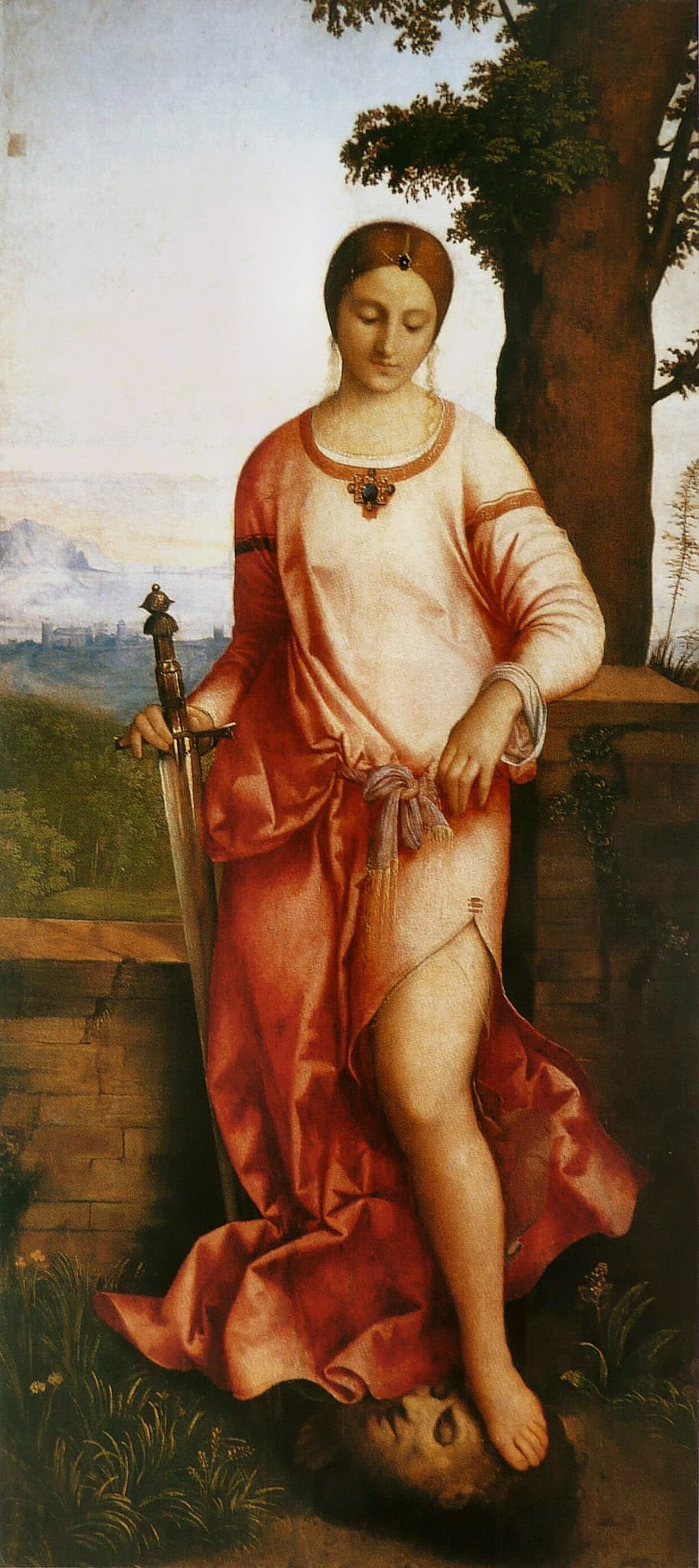
Overview: This is a conditional market valuation for the picture known as Judith at the State Hermitage (inv. ГЭ‑95). Because the work has been museum‑held since its acquisition from the Crozat collection and because Giorgione attributions are often debated, the value is highly attribution‑sensitive. In a best‑case scenario—unanimous scholarly acceptance as autograph Giorgione, transparent and favourable conservation documentation for the panel→canvas transfer, and clean provenance—the painting would be placed in a $30–120 million band. If attribution is contested the market price contracts to the low millions or less.
Why so wide a band: Giorgione’s securely attributed corpus is extremely small and almost entirely museum‑held, so any undisputed autograph work is a trophy asset that attracts intense institutional interest and private competitive bidding. The high end of the range reflects precedent set by recent blockbuster Renaissance and Old Master transactions that demonstrate buyer willingness to pay tens of millions for rare, museum‑quality portraits and figure paintings [2]. The low end of the band for an autograph scenario reflects: (a) condition discounts (panel transfer and restorations), (b) market uncertainty about provenance gaps or unresolved technical questions, and (c) the practical likelihood that sale would occur by private treaty to an institution rather than a guaranteed evening auction.
Condition, technical study and attribution risk: The painting’s documented panel→canvas transfer and 20th‑century conservation interventions materially affect market perception. Technical evidence (infrared reflectography, X‑ray, pigment and binder analysis, cross‑section microscopy) would be decisive in corroborating authorship and dating; absent convincing technical support, buyer confidence and price fall sharply. Because attribution is the single largest value driver for Giorgione, a robust multi‑laboratory technical dossier plus at least one written opinion from leading Giorgione scholars is a prerequisite for the top of the stated range.
Provenance and marketability: Provenance from the Crozat collection into the Hermitage (1772) strongly supports historical pedigree and institutional recognition [1], which helps underpin market value. That said, state museum ownership in Russia introduces practical and legal market friction: works in national public collections rarely enter the international market and potential geopolitical/legal constraints reduce the likelihood of an open competitive sale. In practice, an undisputed Giorgione with this pedigree would most likely change hands via a negotiated institutional purchase or high‑profile private treaty, not a speculative evening sale.
Conclusion and recommended next steps: Treat the $30–120M band as a conditional, market‑scenario range for an undisputed autograph. If you require a single best‑attempt figure for planning, use a midpoint negotiation target (circa $60–70M) only after secure technical corroboration. To refine the estimate to market‑action quality: commission a full technical study, obtain written scholarly opinions, secure an updated conservation report describing the transfer, and run provenance research through Crozat and 18th‑century inventories. Those steps will materially narrow the uncertainty that currently forces a broad valuation range.
Key Valuation Factors
Art Historical Significance
High ImpactGiorgione occupies a pivotal place in Venetian High Renaissance painting; his securely attributed corpus is tiny, and each accepted autograph substantially revises scholarship and museum narratives. A confirmed Giorgione 'Judith' would not be a mere market commodity but a cultural trophy that museums covet, which amplifies buyer competition and price elasticity. The subject has art‑historical resonance (biblical heroine; Venetian pictorial innovation in chiaroscuro and psychological presence) and would be treated as a major addition to any public collection. That status creates outsized demand from institutions and top private collectors willing to pay premiums that far exceed comparable works by lesser hands.
Attribution Certainty
Medium ImpactAttribution is the single most decisive value driver. Giorgione scholarship is notoriously fluid: technical studies, infra‑red imaging and pigment analysis routinely change attribution opinions. Where a work is accepted unanimously as autograph, values rise to trophy levels; where attribution is disputed, market appetite collapses. For this Hermitage picture, published museum cataloguing lends weight to the Giorgione ascription, but published debate exists. A rigorous technical dossier and two or more independent written opinions from leading Giorgione specialists are required to move the work toward the upper valuation band and to satisfy conservative institutional buyers.
Condition & Conservation History
Medium ImpactThe painting's panel→canvas transfer and subsequent 20th‑century restorations are material negatives in the market. Transfers risk surface losses, altered craquelure, and retouching histories that complicate connoisseurship and reduce aesthetic integrity. If records show a careful, well‑documented transfer with minimal loss and modern consolidation, the market will discount less severely; if treatment is poorly recorded or visually intrusive, even an accepted attribution will be discounted. Condition also affects exhibition loanability—institutions are cautious about displaying heavily intervened works, which in turn suppresses maximum auction or treaty prices.
Provenance & Marketability
High ImpactContinuous provenance that links the picture to prominent collections (here, Crozat into the Hermitage, 1772) materially supports market confidence and institutional interest. Strong documented provenance reduces title risk and enhances scholarly traceability, making a sale to a public institution more feasible. Conversely, state‑museum ownership creates practical market constraints: many national collections do not deaccession, and political/legal barriers can prevent cross‑border sales. For the Hermitage 'Judith,' excellent provenance raises scholarly value but also lowers the practical probability that the work will become available for purchase by a foreign museum or private buyer.
Sale History
Judith has never been sold at public auction.
Giorgione's Market
Giorgione is one of the most scarce, academically consequential names of the Venetian High Renaissance. His accepted oeuvre is small, heavily museum‑held, and frequently the subject of reattribution after technical study. On the market, fully accepted autograph Giorgiones rarely, if ever, come up for sale; what circulates are attributions, studio works or later copies. Consequently the artist commands a high trophy premium when attribution is secure, but a steep discount when doubts remain. The buyer pool is heavily institutional, with private collectors participating only at the very highest echelon and typically through private treaty acquisitions.
Comparable Sales
Salvator Mundi
Leonardo da Vinci
Highest‑profile recent sale of a rare Renaissance autograph portrait — establishes the extreme upper bound for market willingness to pay for unique, unquestioned masterpieces from this period.
$450.3M
2017, Christie's New York
~$570.4M adjusted
Portrait of a Young Man (Botticelli)
Sandro Botticelli
Major sale of a securely attributed Italian Renaissance portrait in the last 5 years — useful as a nearer‑term benchmark for demand and pricing dynamics for rare Renaissance figure/portrait works.
$92.2M
2021, Sotheby's (evening sale)
~$103.8M adjusted
Venetian view (record Canaletto sale)
Canaletto
High‑end Venetian picture selling in 2025 (reported £31.9m / ≈ $44m with fees) — shows active market appetite for museum‑quality Venetian works and a realistic mid‑high market result for top Venetian pictures that do appear.
$44.0M
2025, Christie's London
Double Portraits: Marten Soolmans and Oopjen Coppit (pair)
Rembrandt van Rijn
Museum‑driven private purchase of high‑quality Old Master portraits demonstrates the premium institutions will pay for canonical, well‑provenanced works — relevant to likely sales route for a Giorgione (private treaty to museum).
$180.0M
2016, Private treaty / joint acquisition by the Louvre and Rijksmuseum
~$234.9M adjusted
Current Market Trends
The Old Masters and Venetian painting segment has shown selective recovery: top‑quality, well‑provenanced works are finding renewed institutional and private interest (2024–25). Demand is highly selective—market strength is concentrated in museum‑grade pieces and those backed by solid technical scholarship. Attribution certainty and documented provenance remain the dominant determinants of price discovery.
Sources
- State Hermitage Museum / public catalogue entry and provenance (see: Judith (Giorgione) — accession from Crozat, 1772)
- Sotheby's press — benchmark high‑end Renaissance sale (Botticelli portrait, 2021) illustrating market ceiling dynamics
- The Art Newspaper — recent high result for a major Venetian picture (Canaletto record, 2025) showing appetite for top Venetian works