How Much Is Young Man with an Arrow (Boy with an Arrow) Worth?
Last updated: April 10, 2026
Quick Facts
- Methodology
- extrapolation
Assuming the Kunsthistorisches Museum picture (inv. GG_323) is accepted as an autograph Giorgione in good condition with corroborating technical reports, a realistic, hypothetical market valuation today would be approximately USD 20–100 million. If the attribution is regarded as only probable or as a workshop/follower, market value would likely fall to roughly USD 0.5–10 million.
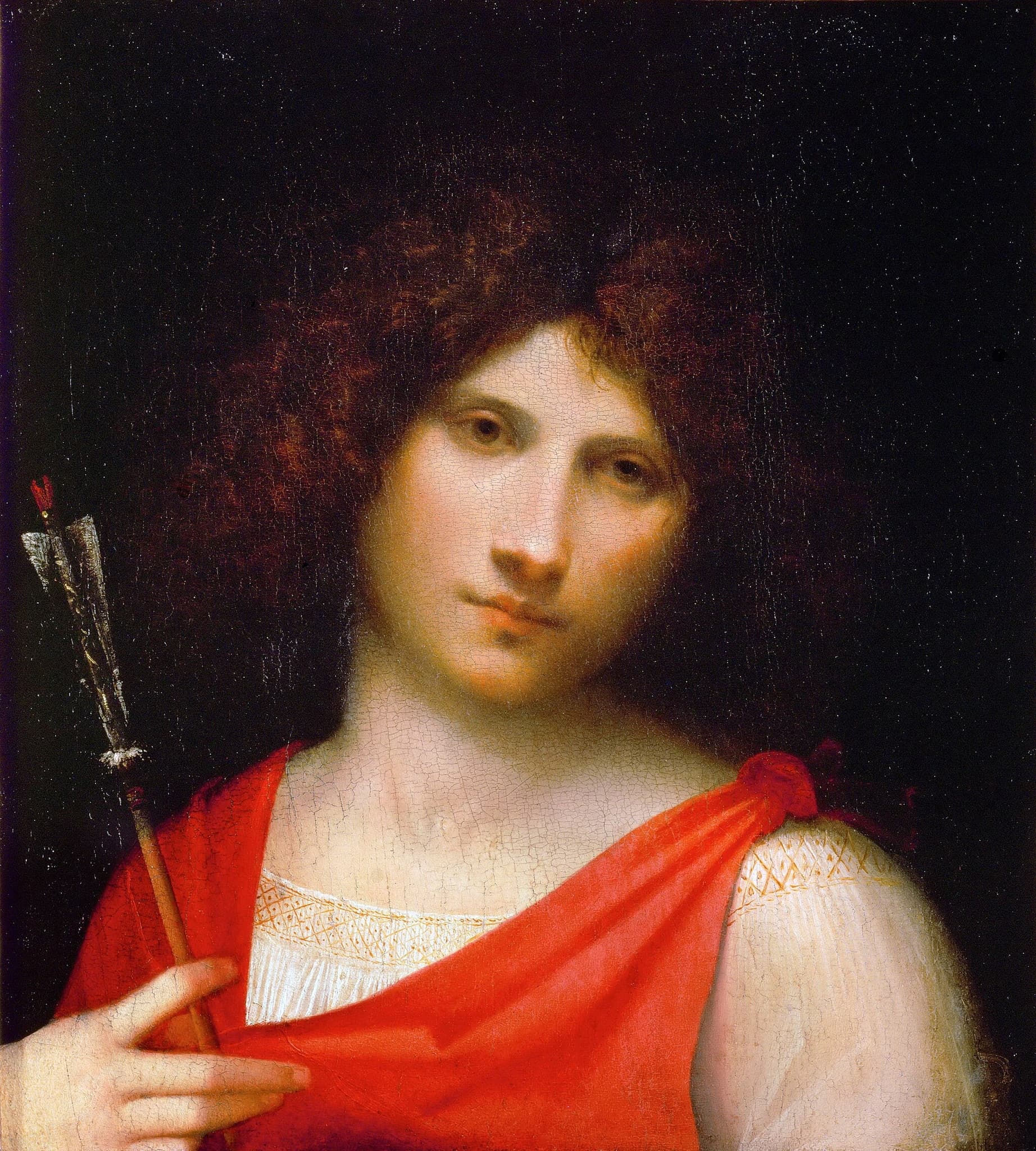
Young Man with an Arrow (Boy with an Arrow)
Giorgione, 1506 • Oil on panel
Read full analysis of Young Man with an Arrow (Boy with an Arrow) →Valuation Analysis
Assumption and headline valuation: On the basis that the work identified in museum literature as "Young Man with an Arrow" (KHM inv. GG_323) would be accepted as an autograph Giorgione and is in sound condition with corroborating technical analysis, a realistic market valuation on a hypothetical sale today is approximately USD 20–100 million. This band reflects the rarity of securely attributed Giorgione paintings, the depth of museum provenance, and the appetite among top museums and private collectors for canonical Venetian Renaissance works [1]. If consensus attribution cannot be achieved and the picture is sold as "attributed to," "circle of," or a follower, realized value would likely be an order of magnitude lower (c. USD 0.5–10M).
Why extrapolation is necessary: There is no modern public auction record for an uncontested Giorgione painting, and most of his autograph corpus is immovably museum‑held. That absence of direct comparables forces an extrapolative approach: we model value against auction results for the very top tier of Venetian Old Masters (Titian, Palma Vecchio, Bassano when securely attributed) and against rare portrait masterpieces that have reached the market, adjusting for scale, iconography and condition [3]. The wide range reflects how strongly consensus attribution and technical confirmation drive price.
Provenance and scholarship: The Kunsthistorisches Museum entry and provenance trace to Ambras and imperial collections, which materially strengthens a hypothetical market case and reduces provenance‑related title risk; continuous institutional ownership, however, also makes an actual sale improbable without formal deaccession procedures [1]. Scholarly literature treats this composition among works associated with Giorgione, but attributions remain debated; resolving that debate is the single most powerful lever on price [2].
Condition and technical risks: Value will be very sensitive to conservation state and technical corroboration. A clean technical dossier—infrared reflectography showing underdrawing congruent with Giorgione’s hand, pigment and binder analyses consistent with an early 16th‑century Venetian palette, and support dating that fits the period—could move a valuation toward the top of the band. Conversely, evidence of heavy later overpainting, anachronistic materials, or unstable support would depress realizable value materially.
Market route and realistic expectations: Were the work to be offered, the most likely route would be a private treaty sale to a major museum or top‑tier collector, or an auction with intense pre‑sale scholarly validation and institutional interest. Transaction costs, export restrictions (notably where Italian cultural patrimony is implicated), and buyer caution mean that even authenticated Giorgiones require careful positioning; private sale often yields the best net outcome for such unique Old Master works.
Recommended next steps: Obtain the museum provenance dossier and any conservation reports, commission targeted technical imaging and materials analysis, and secure at least two independent specialist attributions (one academic, one market specialist). With firm technical and scholarly backing the USD 20–100M band becomes actionable; absent that evidence, a prudent market valuation drops into the low‑millions or below depending on the attribution outcome.
Key Valuation Factors
Art Historical Significance
High ImpactGiorgione is one of the small number of seminal Venetian High Renaissance masters; securely attributed autograph works are extraordinarily scarce and central to scholarship. A confirmed Giorgione portrait carries outsized cultural and market value because it fills gaps in a tiny oeuvre and helps resolve questions about his portrait practice and workshop relations. The iconography of a youth with an arrow is relatively uncommon and, if authenticated as Giorgione, would be cited repeatedly in literature and exhibitions—factors that increase desirability among museums and elite private collectors. This significance is a primary driver of the upper end of the valuation band.
Attribution Certainty
High ImpactAttribution is the single most decisive factor. Giorgione attributions have historically been fluid—works move between Giorgione, Titian, Palma Vecchio and followers as scholarship and technical study progress. A unanimous scholarly consensus supported by technical imaging (IR reflectography, X‑ray) and materials analysis will elevate the painting into the top market tier; lack of consensus or an attribution as 'circle of' materially reduces buyer interest and price. Achieving high attribution certainty requires independent academic endorsement and corroborating conservation science.
Provenance & Exhibition History
High ImpactProvenance traced to Ambras and continuous imperial/Vienna collections is a major positive: it reduces title risk and demonstrates long‑term recognition of the picture’s importance. Museum ownership enhances scholarly access and published pedigree, which buyers prize. However, long museum ownership also means sale is unlikely absent formal deaccession, and museums rarely offer works with contested attributions. Strong provenance pushes a hypothetical value higher and makes restoration and research documentation more credible to buyers.
Condition & Technical Evidence
Medium ImpactCondition—state of the support, paint surface, extent of restoration—and the results of technical analyses substantially affect market value. Evidence of original paint and coherent underdrawing consistent with Giorgione’s workshop practices would strengthen attribution and price; conversely, extensive later retouching or replacement of original material weakens marketability. High‑quality conservation reports and imaging are essential preconditions for realizing the upper valuation band.
Marketability & Legal/Export Considerations
Medium ImpactThe buyer pool for a top‑tier Giorgione is narrow—major museums and a handful of ultra‑high‑net‑worth collectors—and transaction pathways are typically private treaty or special‑lot auction offerings. Legal constraints (national patrimony laws, export permits) and potential restitution claims can impede or delay sale and chill price. For a museum‑owned work, deaccession protocols and public scrutiny also affect whether a sale is feasible and, if so, how it must be marketed.
Sale History
Young Man with an Arrow (Boy with an Arrow) has never been sold at public auction.
Giorgione's Market
Giorgione occupies a singular position in the market for Venetian Renaissance art: his autograph corpus is tiny, most major works are museum‑held, and scholarly attribution is frequently contested. Because few declared Giorgiones ever reach the open market, direct auction comparables are effectively absent; when an accepted autograph emerges, prices can be very high, but price discovery depends on technical confirmation and unanimous scholarly backing. Works attributed more tentatively trade at a substantial discount, often in the low millions or below depending on quality, condition and provenance.
Current Market Trends
The high end of the Old Master market remains selective but resilient: museums and private collectors continue to pay premiums for secure, well‑documented masterpieces. Demand favors works with strong provenance, published scholarship and clean technical dossiers. Macro volatility can depress mid‑tier activity, but canonical, rare works by named Renaissance masters retain value. Private treaty sales and museum acquisitions remain the likeliest exit routes for unique lots.
Sources
- Kunsthistorisches Museum — Knabe mit Pfeil / Young Man with Arrow (inv. Gemäldegalerie 323)
- Scholarly discussion / conference paper on Giorgione's 'Boy with an Arrow' (Athanor article)
- Market commentary on Giorgione and valuation context (painting-meanings.com)
- MutualArt — Giorgione (artist market records and auction summaries)