How Much Is Plate of the Nativity (Berlin Tondo) Worth?
Last updated: April 3, 2026
Quick Facts
- Methodology
- comparable analysis
Because the Plate of the Nativity (the Berlin Tondo) is museum‑held and generally catalogued as a workshop/circle desco with mixed attribution, a hypothetical market value today is approximately $200,000–$2,000,000. If technical and scholarly study established secure autograph status for Masaccio, value could rise materially into the multi‑million bracket, but museum ownership and attribution uncertainty keep the realistic expectation in the lower band.
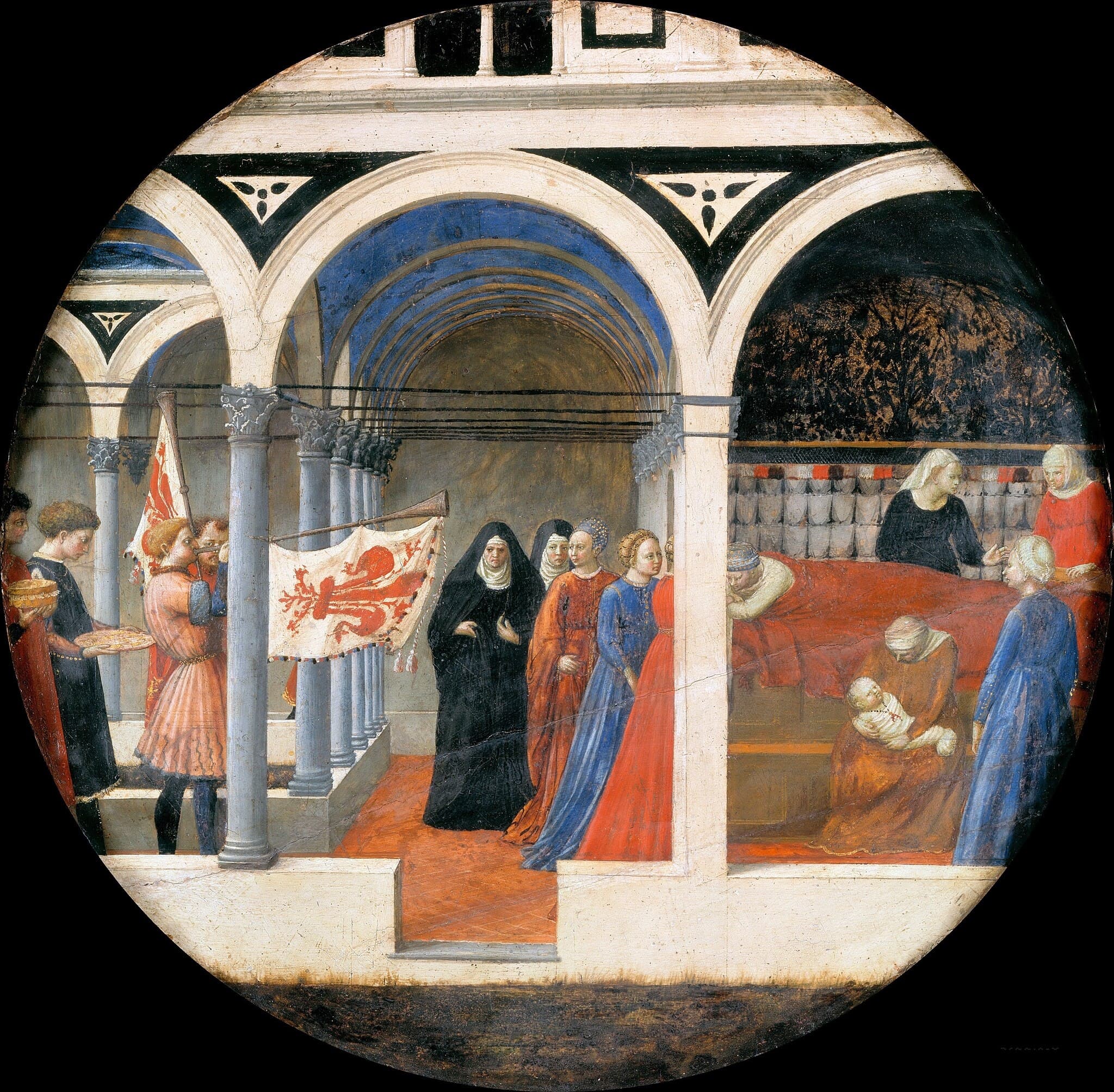
Plate of the Nativity (Berlin Tondo)
Masaccio • Tempera on wood (desco da parto / tondo)
Read full analysis of Plate of the Nativity (Berlin Tondo) →Valuation Analysis
Valuation conclusion and context. The Plate of the Nativity (Berlin Tondo), held in the Staatliche Museen zu Berlin – Gemäldegalerie and commonly described as a desco da parto associated with Masaccio or his circle, is best valued hypothetically at approximately $200,000–$2,000,000 in today’s market if offered as a workshop/attributed piece. The Gemäldegalerie listing and prevailing scholarship indicate a mixed attribution and museum ownership, which together lower the likelihood of an open market sale and constrain realistic price expectations [1].
Comparable reasoning. Direct auction comparables for securely attributed Masaccio panels are effectively non‑existent, so the estimate relies on two comparative groupings: (a) realized prices for workshop/desco/attributed Quattrocento panels (typically mid‑six to low‑seven figures), and (b) trophy Florentine/early‑Renaissance rediscoveries that establish market ceilings (multi‑millions to tens of millions). A high‑profile rediscovery in the Florentine lineage (a Michelangelo drawing tied to this tradition) achieved very strong results and illustrates institutional appetite at the top end, but that context is exceptional rather than typical [2].
Drivers and sensitivity. The single largest value driver is attribution certainty. If technical imaging (infrared reflectography, X‑ray), dendrochronology/panel dating, and pigment analysis — combined with leading scholarly endorsement — shift consensus to a clear Masaccio autograph attribution, the object could move into a substantially higher valuation tier (multi‑million, potentially $10M–$50M+ depending on condition and provenance). Conversely, unchanged attribution as workshop/circle and any significant restoration or paint loss anchor the work in the $200k–$2M band. Museum ownership and likely deaccession hurdles further reduce practical marketability.
Recommended next steps. To refine this valuation to a transactional figure: (1) obtain the Gemäldegalerie accession record and condition/conservation report; (2) commission or review technical imaging and panel/pigment analysis; (3) solicit written opinions from leading Masaccio scholars; (4) confidentially test the market with Old Masters departments at major auction houses or reputable dealers to gauge institutional interest. These steps will materially narrow the range and determine whether the hypothetical lower‑band estimate is appropriate or whether the work merits revaluation toward the higher tiers.
Key Valuation Factors
Art Historical Significance
High ImpactMasaccio is a foundational figure in early Quattrocento painting; any work associated with his circle carries outsized scholarly interest. The Plate of the Nativity (desco da parto) is a minor format relative to Masaccio’s canonical frescoes (Brancacci Chapel, Trinity), but it remains important for studies of early Florentine workshop practice and domestic devotional culture. Scholarly interest elevates institutional demand should attribution shift toward autograph status. However, significance alone does not guarantee market liquidity; scholarly value amplifies price only when combined with secure attribution, good condition, and documented provenance. Because the tondo occupies a liminal position between high historical importance and minor format, its art‑historical significance exerts a strong upward pressure on value if attribution is resolved in favor of Masaccio.
Attribution Certainty
High ImpactAttribution is the decisive factor for valuation. Present cataloguing and scholarship describe the Berlin tondo in terms ranging from Masaccio’s circle to workshop or follower, and the verso has been linked to Lo Scheggia in some literature. That ambiguity places the object firmly in the workshop/attributed band for pricing. Written, technical, and connoisseurial consensus (infrared reflectography showing Masaccio‑typical underdrawing; pigment and ground consistent with early 1420s Florentine practice; and endorsement from leading Masaccio scholars) could shift the market classification to partly‑autograph or fully‑autograph, multiplying value many times. Without such evidence, the market will treat the work conservatively.
Condition & Conservation
Medium ImpactDeschi da parto are frequently fragmented, abraded or overpainted because of domestic use and past restorations; condition is therefore a critical practical constraint. Panel stability, loss of paint, inpainting and later retouches negatively affect desirability and comparability to trophy easel paintings. A clean conservation history and minimal restoration materially support higher bids; conversely, heavy restoration or unstable support depresses value. The Gemäldegalerie’s conservation records (if accessible) will be necessary to quantify condition impact precisely. Condition also affects technical testing results, which in turn feed attribution decisions.
Provenance & Exhibition History
Medium ImpactA continuous, published provenance and a record of significant loans/exhibitions raise market confidence and often attract institutional bidders. The Berlin Tondo’s museum ownership provides institutional provenance but may include gaps prior to acquisition; documented pre‑museum history or high‑profile exhibitions/published scholarship would strengthen a market case for higher valuation. Conversely, incomplete ownership records or uncertain wartime provenance issues would depress value and complicate cross‑border sale and export permissions. Clear exhibition and publication history adds premium beyond purely technical attribution.
Market Rarity & Demand
High ImpactSecurely attributed Masaccio panels are rare in the marketplace; scarcity supports strong buyer competition when an autograph example appears. At the same time, demand in the Old Masters/Quattrocento segment is concentrated among institutions and a small pool of private collectors, making liquidity limited. Exceptional rediscoveries can drive trophy prices (as with recent Florentine lineage rediscoveries), but such outcomes require a confluence of attribution, condition and provenance. For the Berlin Tondo, rarity works both ways: it amplifies upside if attribution is resolved favorably, and amplifies downside risk if treated as workshop/attributed with conservation issues.
Sale History
Plate of the Nativity (Berlin Tondo) has never been sold at public auction.
Masaccio's Market
Masaccio occupies a central place in art history for the early Quattrocento, but his market profile is unusual: his fame is rooted primarily in in‑situ fresco masterpieces rather than portable easel works, and securely attributed panel works are scarce. As a result, auction records for Masaccio autograph paintings are effectively absent in the modern market; when related Florentine rediscoveries or works by major contemporaries appear, institutional demand can drive very high prices. The scarcity of autograph material makes attribution consensus and technical confirmation decisive; dealers and museums will pay premiums only when attribution, condition and provenance align.
Comparable Sales
A nude young man (after Masaccio) surrounded by two figures
Michelangelo Buonarroti
High‑profile rediscovery from the Florentine lineage; demonstrates ceiling demand for rare, well‑provenanced early‑Renaissance material closely related to Masaccio's tradition.
$24.3M
2022, Christie's Paris
~$26.6M adjusted
Portrait of a Young Man Holding a Roundel
Sandro Botticelli
Top‑tier Quattrocento easel painting sale; useful ceiling benchmark showing what museum‑quality, securely attributed 15th‑century Italian paintings can achieve in the market.
$92.2M
2021, Sotheby's New York
~$103.8M adjusted
Representative 15th‑century Florentine desco da parto / small workshop tondo (composite proxy)
Various (Florentine workshop / circle)
Composite proxy representing realized prices for workshop/attributed small Florentine panels/deschi (the lower market band). This is not a single-lot exact match but indicates typical mid‑market realised values for workshop/attributed deschi/tondi.
$650K
2019, Various (composite of workshop/attributed lots at major houses)
~$776K adjusted
Current Market Trends
The Old Masters/Quattrocento market is highly selective: institutional buyers and well‑funded private collectors dominate top tiers, and provenance/exhibition history now matter more than speculative momentum. Trophy rediscoveries still command strong prices, but the middle market is illiquid and sensitive to condition and attribution. Given constrained supply, a securely attributed early‑15th‑century work with strong documentation can outperform, while workshop/attributed pieces face muted demand and longer sale timelines.