How Much Is The Rape (Abduction) of the Daughters of Leucippus Worth?
Last updated: March 20, 2026
Quick Facts
- Methodology
- comparable analysis
If accepted as an autograph, large oil by Peter Paul Rubens of this subject should command approximately $40–60 million on the open market today, given comparable sales and the scarcity of large museum‑quality Rubens canvases. If the work proves to be a studio product, later copy or a reduced replica, value would fall to the mid six‑figure to low seven‑figure range.
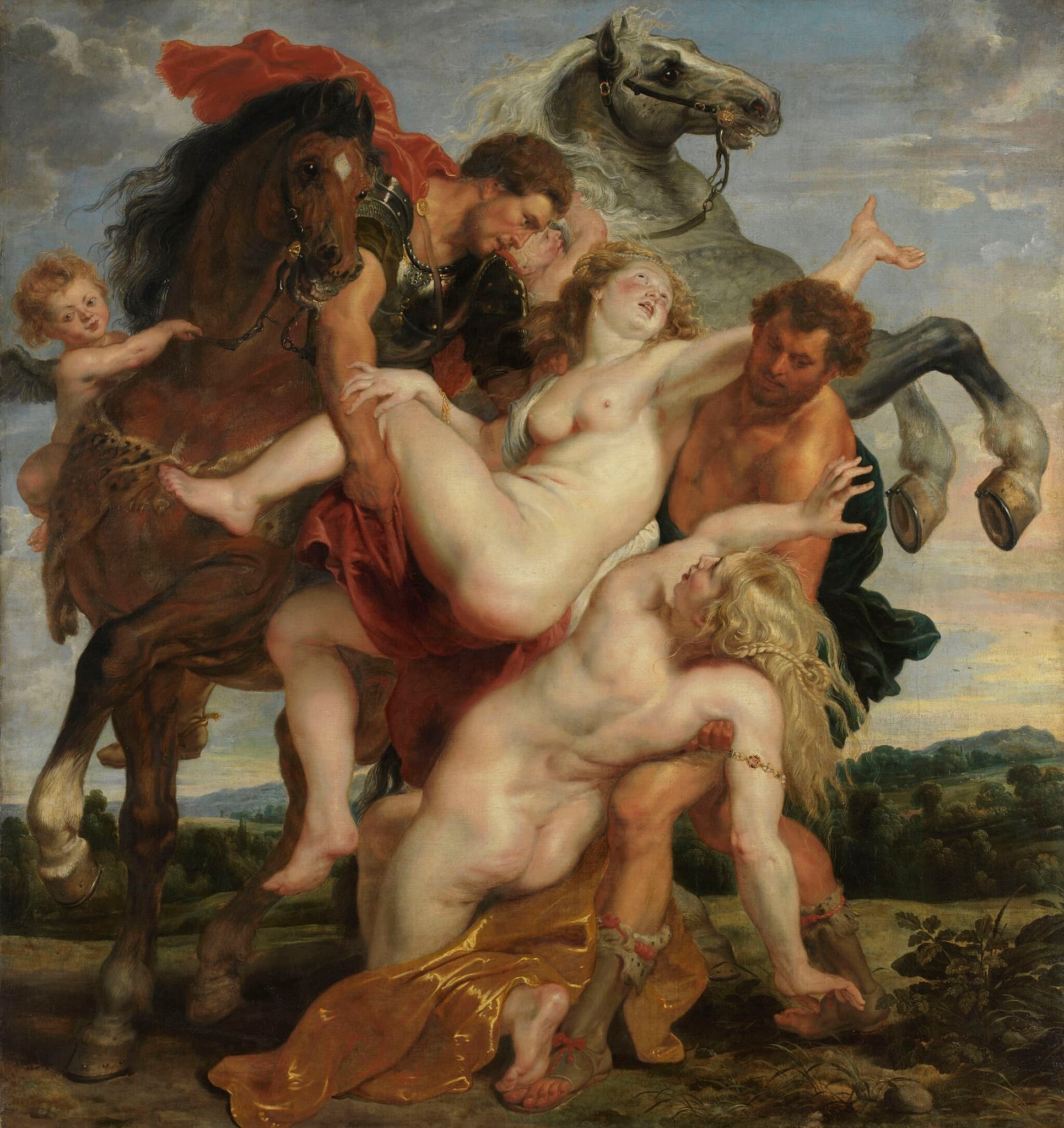
The Rape (Abduction) of the Daughters of Leucippus
Peter Paul Rubens • Oil on canvas
Read full analysis of The Rape (Abduction) of the Daughters of Leucippus →Valuation Analysis
Estimate and context: Based on auction comparables for large, museum‑quality Rubens narrative canvases and recent market behaviour, a realistic market valuation for an accepted autograph version of The Rape (Abduction) of the Daughters of Leucippus is approximately $40–60 million. This assumes a full‑sized oil on canvas, clear autograph attribution, solid museum‑level provenance, and no major structural or conservation issues. The range reflects both headline comparables and current market caution.[1][2]
Comparables and reasoning: Major Rubens canvases that have come to market in the modern era provide direct guidance. Large narrative Rubens works with strong provenance have achieved high‑tens of millions when quality and attribution are uncontested; conversely, studio works and later copies trade at vastly lower prices. Examples such as high‑profile multi‑figure Rubens sales demonstrate demand from institutions and deep‑pocketed private collectors and underlie the upper end of this estimate.[2][3]
Museum ownership and marketability: It is important to note that a principal, autograph version of this subject is in the Alte Pinakothek, Munich (inventory and catalogue references exist), and that particular canonical canvas is not on the market [1]. If the object under consideration is that museum piece, the practical market valuation exercise is academic; its insurable replacement value or scholarly significance would be addressed through institutional appraisal rather than an auction estimate.
Key attribution and technical contingencies: The single largest value determinant is attribution. Conclusive technical and connoisseurship evidence (infrared reflectography, X‑radiography, pigment analysis, canvas weave/dendro work and a signed catalogue raisonné entry) is required to place a work in the autograph category. If technical study or expert opinion indicates workshop involvement or a later copy, market value typically collapses into the mid‑six to low‑seven figure band or lower.
Practical next steps: To progress from this preliminary valuation to a formal market estimate, obtain high‑resolution recto/verso photography, a conservation condition report and non‑invasive technical imaging; then solicit signed opinions from leading Rubenianum specialists or Old Master curators. With documentary and technical backing, the painting could be positioned for competitive sale (top international auction houses or a targeted private sale to institutions), but reserves and guarantees should be calibrated to contemporary market conservatism.
Conclusion: The $40–60M working range represents a defensible market position for an accepted, large autograph Rubens in good condition with strong provenance; absent autograph status and documentation, expect values to be orders of magnitude lower.
Key Valuation Factors
Art Historical Significance
High ImpactThe subject — the abduction of the Leucippides — is a recognized mythological composition in Rubens’s output and demonstrates the artist’s capacity for dynamic multi‑figure groupings, fleshy heroic nudes and complex diagonals. A canonical autograph version in a major European collection has been part of scholarly literature and exhibitions, which enhances the work’s cultural cachet and attractiveness to museums. Institutional recognition, inclusion in catalogues raisonnés or the Corpus Rubenianum, and exhibition history materially increase market desirability and result in higher competitive bidding, particularly from public institutions seeking to fill collection gaps or specialists building thematic exhibitions.
Attribution & Authentication
High ImpactAttribution is the dominant value driver: an accepted autograph attribution (by leading Rubenianum scholars or consensus among major‑house specialists) elevates the painting into the top tier of Old Master market activity. Technical analyses — infrared reflectography, X‑radiography, pigment and binding‑medium testing, cross‑sections and canvas weave or dendrochronology (if panel) — alongside connoisseur reports are decisive. Partial studio involvement or heavy reworking reduces market confidence; such hybrid attributions typically trade at a steep discount versus a fully autograph work, and insurers or buyers often demand warranties or guarantees.
Provenance & Legal Status
High ImpactProvenance clarity — continuous ownership history, museum or elite collection pedigree, absence of gaps during wartime or high‑risk transfer periods — has a substantial positive effect on value. A documented path into a major museum (or a long‑held private collection) stabilizes price and attracts institutional interest. Conversely, unclear provenance, unresolved restitution claims, export restrictions or liens can render a work effectively unsaleable until resolved and may force severe discounting. Thorough provenance research and legal clearance are prerequisites for a top‑tier sale.
Condition & Conservation
Medium ImpactCondition influences value materially: structural stability, original paint survival, extent of 19th/20th‑century overpaint, varnish darkening and past restoration treatments all affect marketability. A largely original surface with conservative restoration preserves the work’s aesthetic and scholarly appeal and sustains the upper price range. Major structural issues (splits, severe relining, extensive inpainting) or heavy past restorations that obscure autograph brushwork will depress price and may shift buyer interest toward comparative studio or copy attributions.
Market Supply & Demand
Medium ImpactAutograph Rubens canvases of major scale are scarce on the market; supply constraints and institutional demand drive premium pricing when genuinely autograph works appear. However, the broader Old Masters auction market has shown periods of softness and selective buying, making provenance, condition and a compelling scholarly narrative critical. Rediscoveries and fresh attributions can attract intense interest, but market timing and sale vehicle (major evening sale vs. private treaty) influence final outcomes and the possibility of achieving top estimates.
Sale History
The Rape (Abduction) of the Daughters of Leucippus has never been sold at public auction.
Peter Paul Rubens's Market
Peter Paul Rubens (1577–1640) occupies the highest echelon of the Old Masters market. Autograph, large‑scale Rubens narrative canvases are rare and, when they appear with solid provenance and uncontested attribution, command multi‑million to tens‑of‑millions prices from museums and elite private collectors. Historic headline sales set the artist’s auction ceiling; more frequent transactions are small‑to‑mid sized works, oil studies or workshop pieces which trade at far lower levels. Market value for any given Rubens is highly contingent on attribution, condition and exhibition/publication history.
Comparable Sales
The Massacre of the Innocents
Peter Paul Rubens
Rubens' auction record and a monumental multi-figure canvas; sets the historic auction ceiling for the artist and is a benchmark for exceptional, museum-quality narrative Rubens works.
$76.7M
2002, Sotheby's London
~$123.6M adjusted
Lot and His Daughters
Peter Paul Rubens
Large, high‑quality Rubens narrative canvas sold in a strong market; comparable in scale, subject matter importance and market positioning to a major autograph Rubens such as The Rape.
$58.2M
2016, Christie's London
~$72.7M adjusted
Portrait of a Man as Mars
Peter Paul Rubens
Recent high‑quality Rubens sale (single‑figure portrait) showing contemporary demand; useful for gauging the lower end of top‑tier Rubens pricing in the current market.
$26.2M
2023, Sotheby's New York
~$27.8M adjusted
Current Market Trends
The Old Masters market has been selective and somewhat soft in recent years, with stronger interest concentrated in museum‑quality, well‑provenanced works and rediscoveries backed by technical scholarship. Auction houses increasingly rely on guarantees and targeted private sales; competition among institutions and deep collectors still pushes top examples into the tens of millions, but results are more contingent on clear attribution and exhibition potential than during earlier market booms.