Caravaggio Paintings in London — Where to See Them
London is one of the few cities where you can see approximately five Caravaggio paintings on permanent display across two institutions: three at the National Gallery and two in the Royal Collection at Hampton Court Palace. That concentration lets you compare his bold chiaroscuro and psychological intensity in both public museum context and historic court setting, revealing the range of his subjects—from sacred scenes to intimate portraits—and how they were collected and displayed in England.
At a Glance
- Museums
- National Gallery, Royal Collection (Hampton Court Palace)
- Highlight
- See Caravaggio's dramatic realism at the National Gallery's trio of masterpieces.
- Best For
- Art lovers seeking Baroque drama and masterful chiaroscuro.
National Gallery
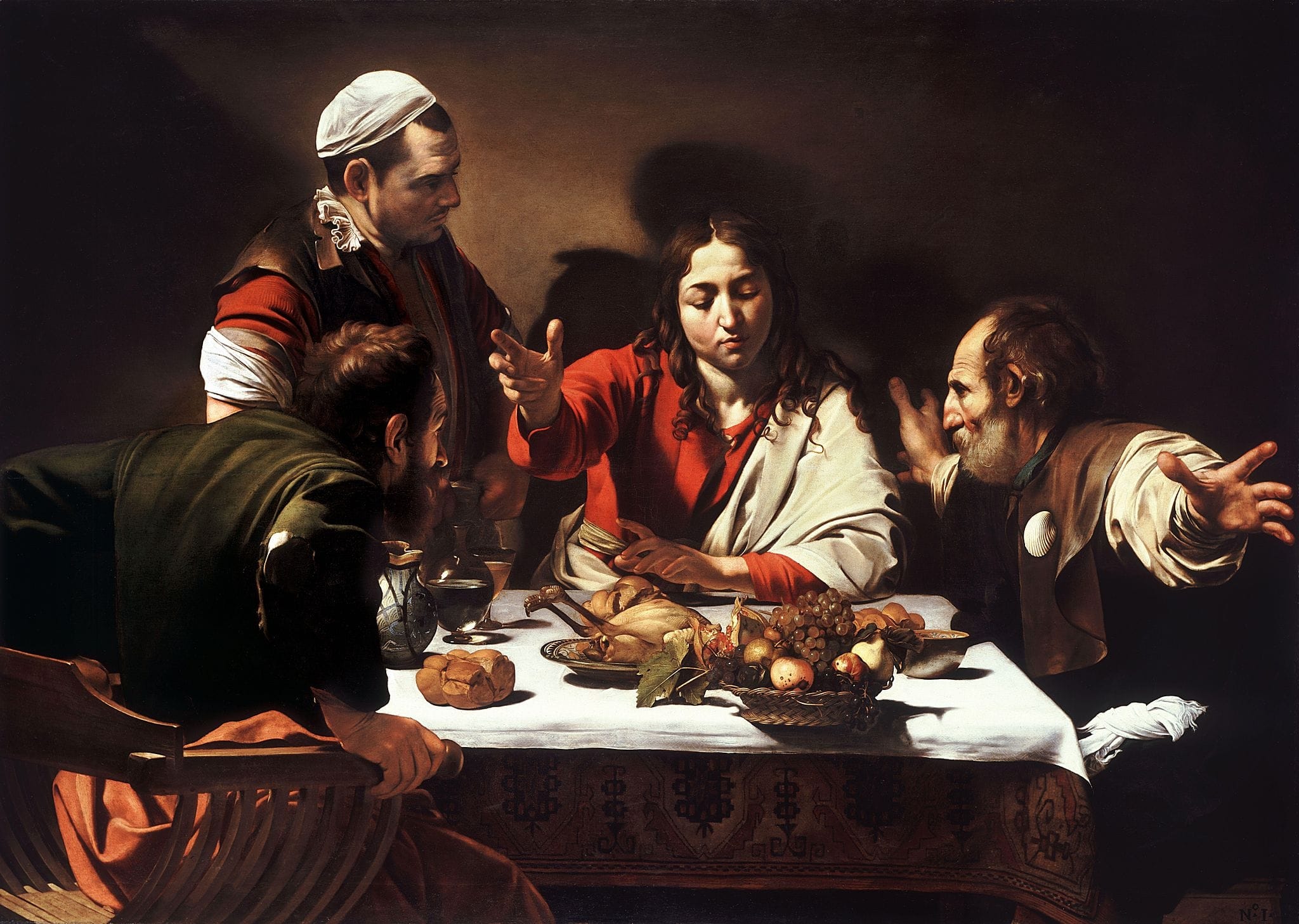
The Supper at Emmaus
1601
Caravaggio shows the moment the risen Christ is recognized by two disciples at a simple table: Christ sits centrally, the disciples recoil in astonishment and a servant gestures at a dramatic still-life of food. The painting is significant for its revolutionary naturalism and theatrical chiaroscuro, which transform a biblical scene into an immediate, lived moment. Look for the strong spotlight on the figures, the expressiveness of the hands and faces, and the carefully observed details of the food and tableware that anchor the scene in everyday reality.
Must-see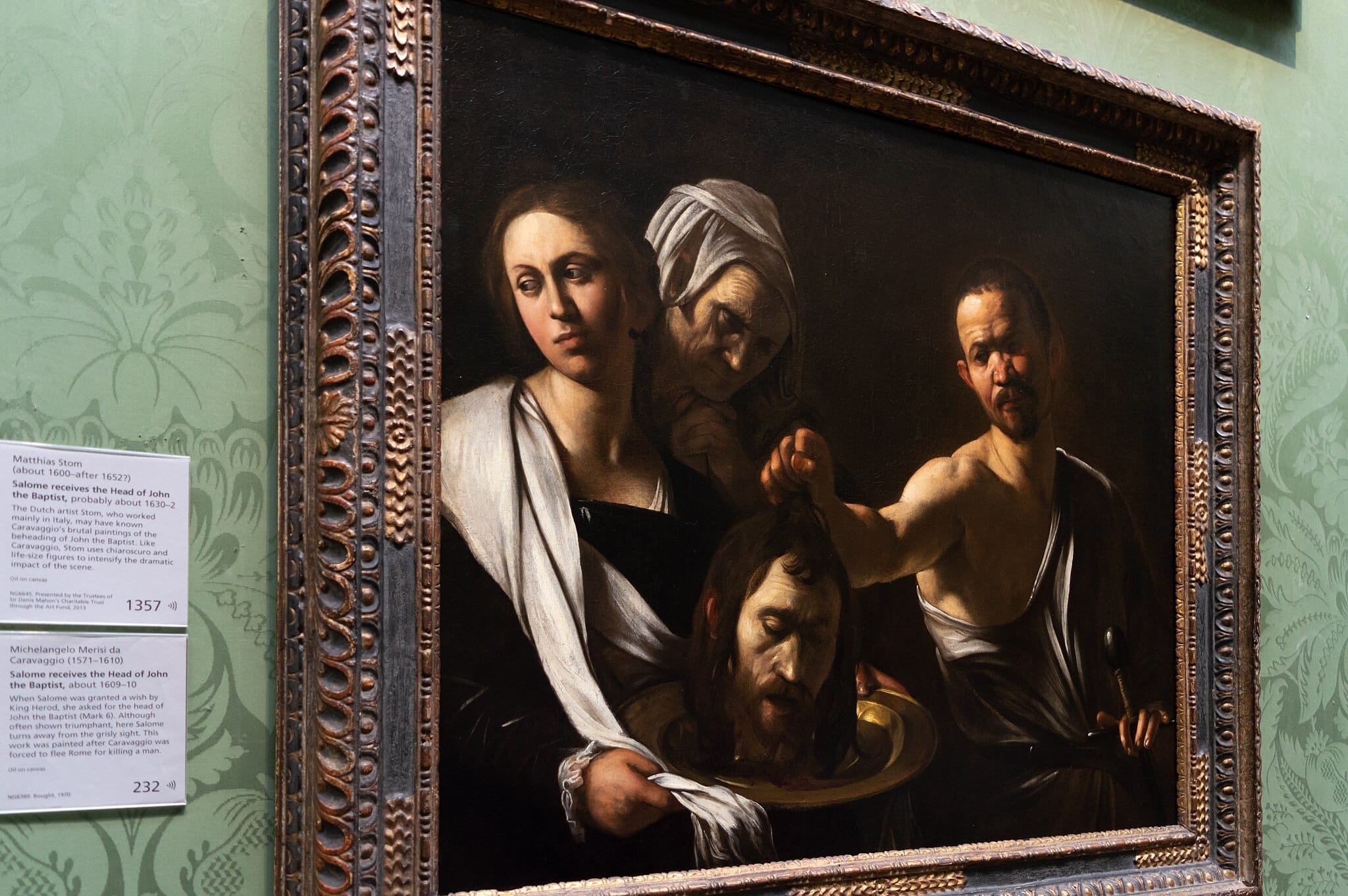
Salome receives the Head of John the Baptist
1609
This late Caravaggio composition captures the tense instant Salome is handed John the Baptist’s severed head on a salver: the figures are tightly grouped and rendered with stark, focused light. The work is important for its raw emotional intensity and unflinching realism, characteristic of Caravaggio’s late style where drama is compressed into intimate confrontation. Notice the contrast between the polished metal of the platter and the pale, lifelike flesh, the haunted expression of Salome, and the way light models each face to heighten the psychological tension.
Must-see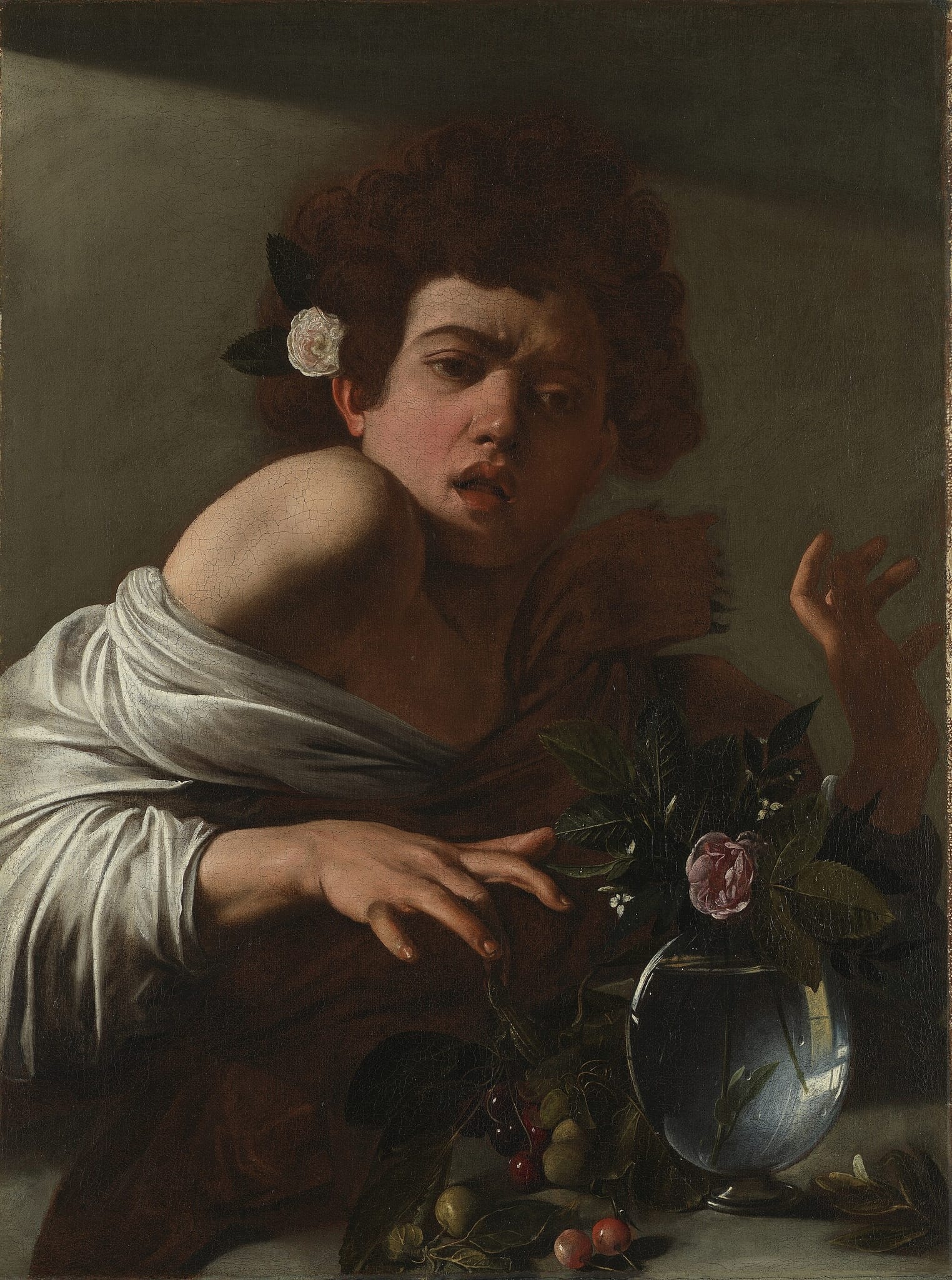
Boy bitten by a Lizard
1595
A youthful figure recoils as a small lizard bites his finger; the moment is captured with lively immediacy and a playful, almost portrait-like intimacy. This early work is significant as an example of Caravaggio’s observational skill and his interest in everyday gestures and gestures’ psychological truth, prefiguring his mature realism. Look closely at the boy’s open mouth and narrowed eyes, the swift, natural handling of light across his skin, and the fine detail of the lizard and the hand that convey the suddenness of the event.
Royal Collection (Hampton Court Palace)
Hampton Court matters for Caravaggio because the Royal Collection contains rare works attributed to him that were part of early modern collecting histories (acquired by Charles I and thereafter), including a rediscovered Caravaggio long kept in the palace storerooms — works that illuminate how Caravaggio’s paintings circulated among European courts and royal collections. The presence of The Calling of Saints Peter and Andrew and related paintings in the Royal Collection (and on display at Hampton Court’s Cumberland galleries and state rooms) shows the artist’s reception by aristocratic collectors and the shifting attributions and restorations that have shaped modern understanding of his oeuvre. ([en.wikipedia.org](https://en.wikipedia.org/wiki/The_Calling_of_Saints_Peter_and_Andrew?utm_source=openai))
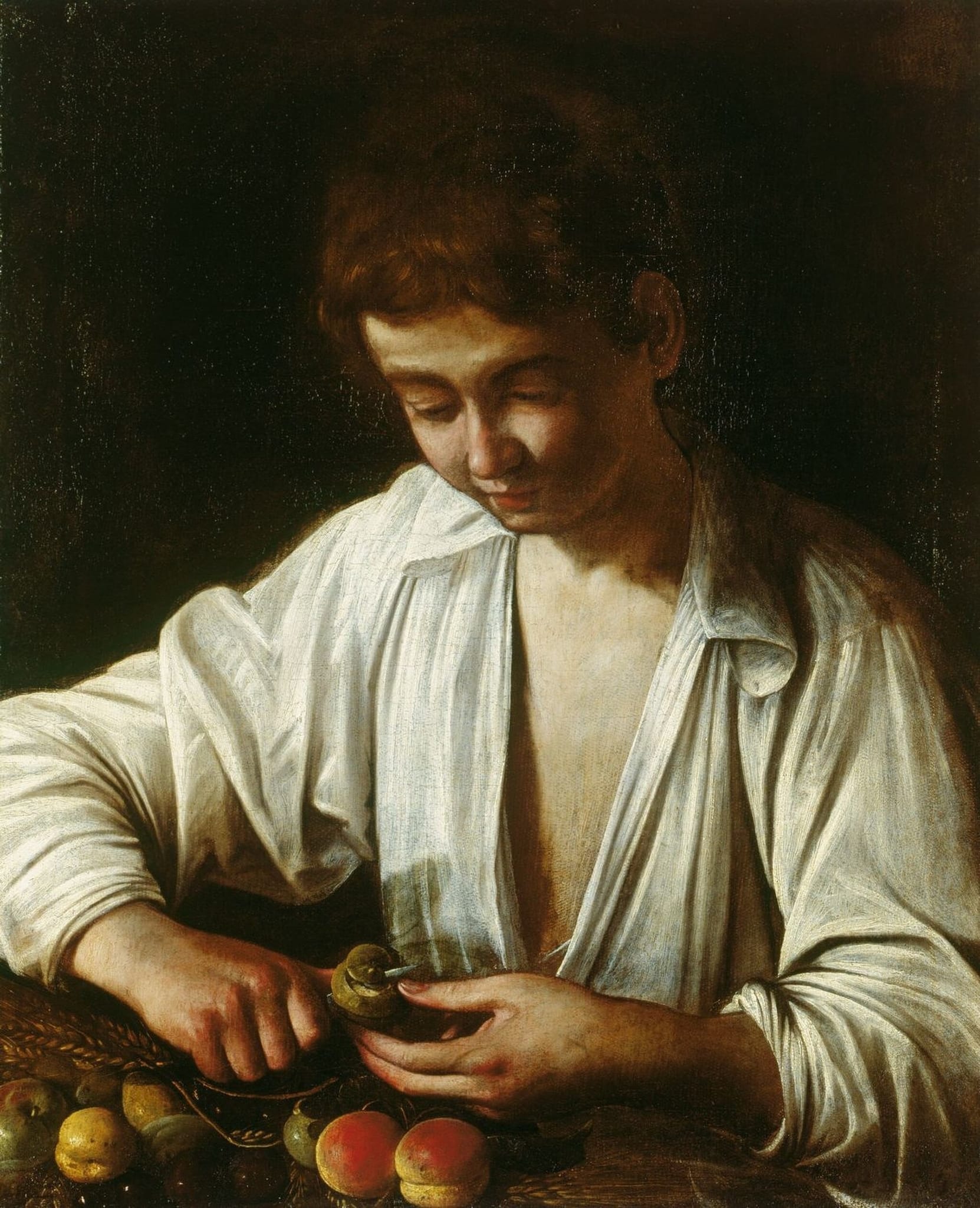
A Boy Peeling a Fruit
1593
A single youth sits holding and peeling a citrus fruit; the composition is intimate and quietly observation-driven rather than narrative. This early work is significant as an example of Caravaggio’s emerging naturalism and attention to everyday detail—he elevates a humble task into a study of light, texture and mood. Viewers should notice the tactile rendering of skin and fruit, the subtle modeling from a focused light source, and the boy’s ambiguous, inward expression that suggests psychological depth.
Must-see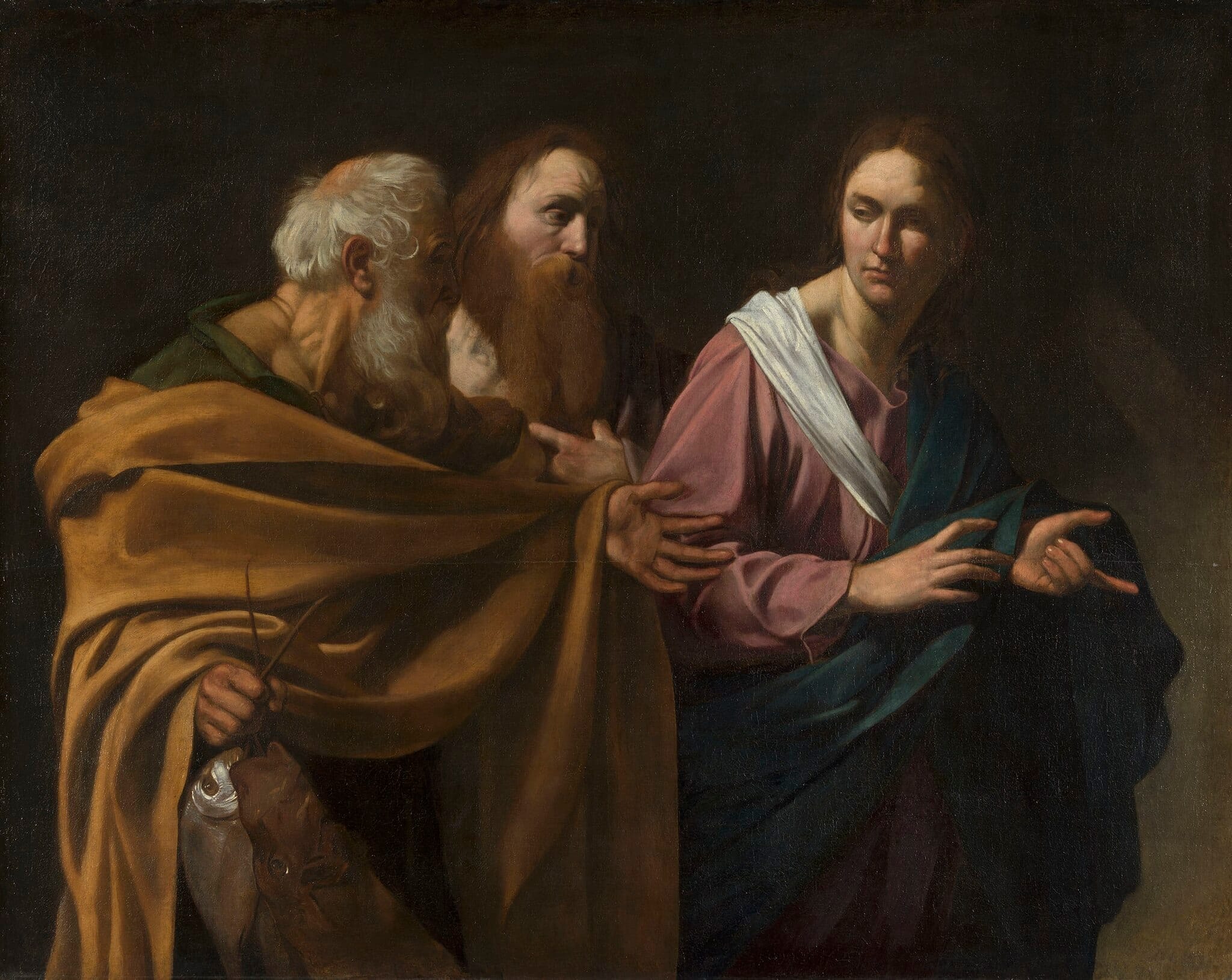
The Calling of Saints Peter and Andrew
1604
Christ, accompanied by a small group, steps onto a shoreline to call the two working fishermen—Peter and Andrew—toward discipleship; the scene captures the precise instant of summons rather than a staged religious tableau. The painting exemplifies Caravaggio’s mature power: dramatic tenebrism, naturalistic figures, and a theatrical use of gesture that makes the sacred moment immediate and human. Look for the strong directional light that both reveals and isolates characters, the expressive hand gestures and faces, and the contrast between the ordinary working clothes of the fishermen and the transcendent significance of the call.
Must-see