Vincent van Gogh Paintings in Tokyo — Where to See Them
Tokyo matters for experiencing Vincent van Gogh because, although it has only approximately 3 paintings on permanent display, those works are distributed across four very different institutions—Sompo Museum of Art (1 painting), Artizon Museum / Ishibashi Foundation (0 paintings), Tokyo Fuji Art Museum (1 painting) and The National Museum of Western Art (1 painting)—so you can see Van Gogh in varied curatorial contexts, from a corporate-insurance collection to a major Western-art museum. Visiting these sites in one trip gives a compact but revealing cross-section of how Japanese museums present and interpret Van Gogh’s work.
At a Glance
- Museums
- Sompo Museum of Art, Artizon Museum (Ishibashi Foundation), Tokyo Fuji Art Museum, The National Museum of Western Art
- Highlight
- See Sompo Museum of Art's van Gogh painting in person
- Best For
- Art lovers seeking accessible European masters in Tokyo
Sompo Museum of Art
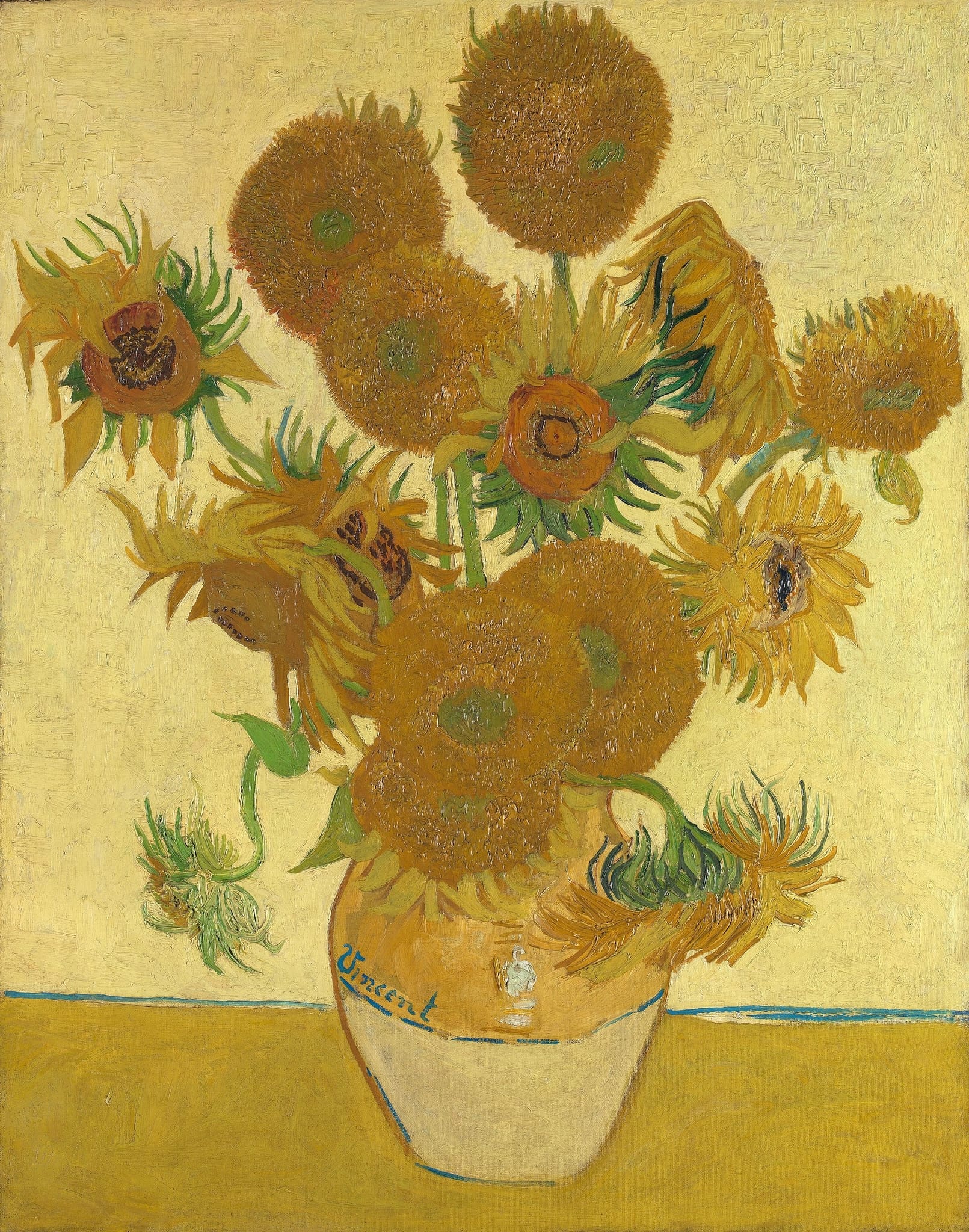
Although Sompo holds only one van Gogh, the museum matters because it presents that painting alongside Japanese and European works that highlight the cross-currents—Japonisme and modernism—that shaped his later style. Seeing van Gogh in a collection that deliberately pairs Western paintings with Japanese prints helps you appreciate how he absorbed composition, color, and pattern from Japanese art rather than viewing the work as an isolated masterpiece.
Artizon Museum (Ishibashi Foundation)
Even though Artizon currently has no van Goghs in its holdings, it is important for experiencing van Gogh’s world because the museum's strong holdings of Impressionist and Post‑Impressionist works let you trace the artistic conversations that van Gogh entered. Viewing works by his contemporaries and predecessors in Artizon clarifies the technical and thematic choices—color experiments, broken brushwork, and expressive distortions—that distinguish van Gogh.
Tokyo Fuji Art Museum
With one van Gogh in its collection, Tokyo Fuji Art Museum matters because it situates that painting amid a wide survey of Western paintings and prints collected for educational display—helpful for studying technique and provenance. The museum’s broader emphasis on comparative displays (European masters alongside Asian works) gives a useful frame for seeing how van Gogh’s approaches to color and motif resonated across cultures.
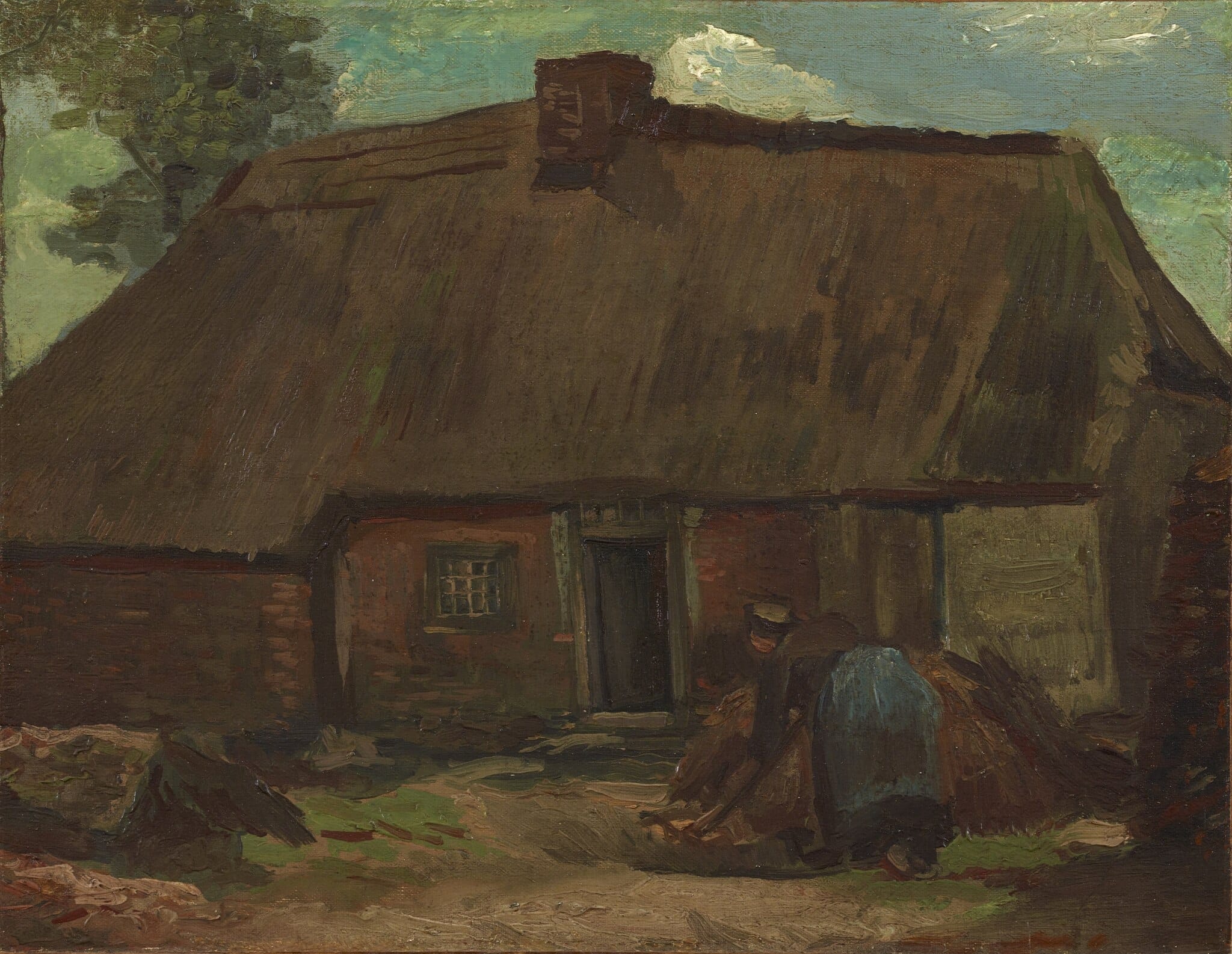
Cottage with Peasant Woman Digging
1885
Shows a simple rural cottage with a peasant woman bent over digging in the foreground, rendered in the earthy palette and solid, sculptural forms of Van Gogh’s Nuenen period. It’s significant as an example of Van Gogh’s ‘‘peasant painter’’ phase (painted June 1885), when he focused on rural labor and the dignity of working life before his brighter, later style. Viewers should look for the strong, dark outlines, the textured brushwork that models the figures and cottage, and the restrained, soil‑toned colors that convey the mood of hard, everyday work.
Must-seeThe National Museum of Western Art
The National Museum of Western Art is Japan’s principal public home for European modernism, and its single van Gogh is shown in direct dialogue with other key Impressionist and Post‑Impressionist works, making it one of the best places in Japan to see van Gogh within the movements that shaped him. Because the museum organizes artworks chronologically and thematically, the van Gogh on view is typically contextualized with the artists who influenced him and those he influenced, illuminating his place in Western art history for Japanese audiences.
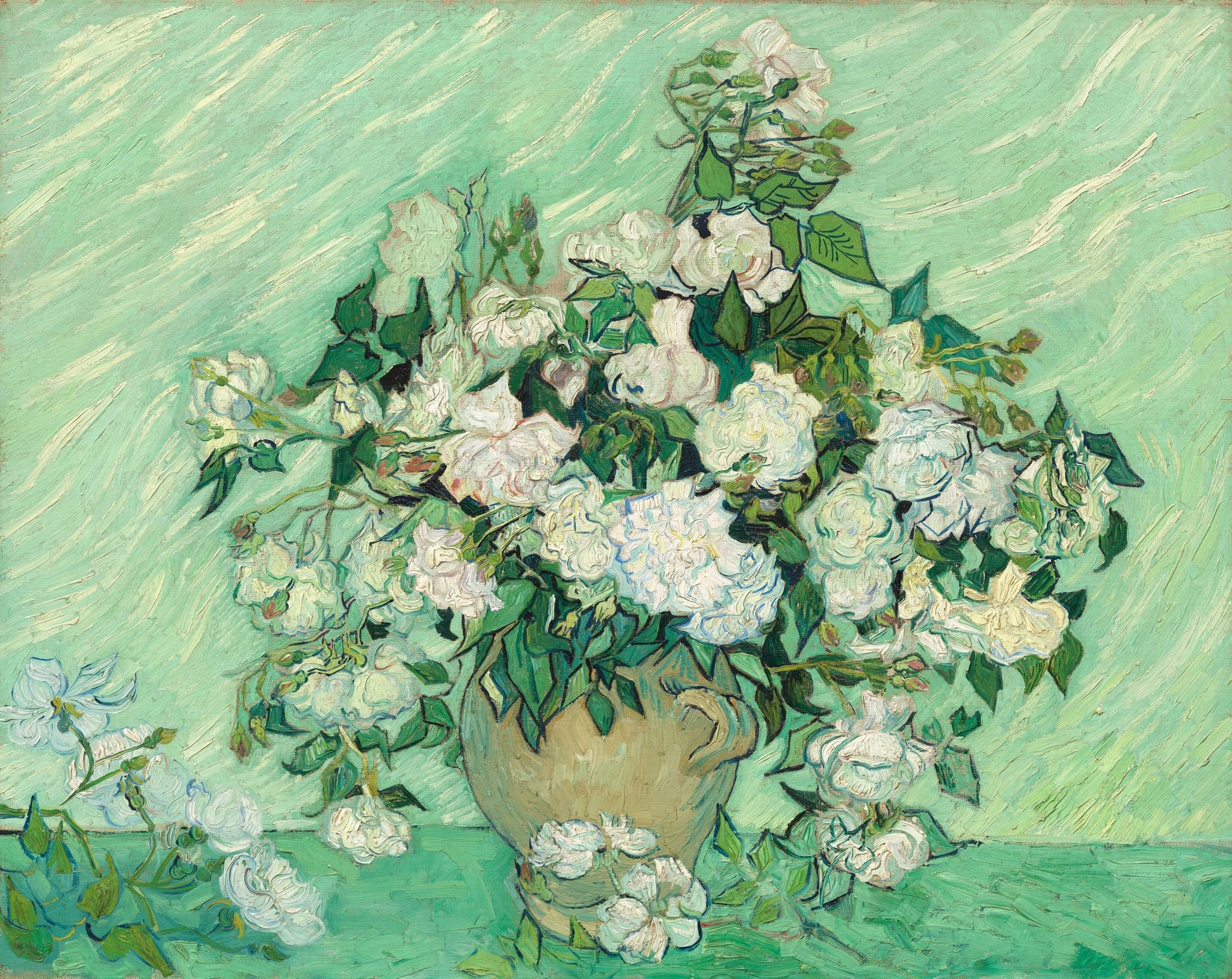
Roses
1889
A compact still life/flower study showing a dense rosebush in full bloom against a muted green-yellow ground — the blooms and foliage almost fill the canvas. The work is significant as a Saint-Rémy/late-1880s study in which Van Gogh continued his exploration of vivid complementary colors and heavy, tactile impasto during a pivotal, productive period; it exemplifies his focus on flowers as exercises in color and emotion. Viewers should look closely at the paint surface and brushwork (the thick, sculptural strokes), the way pinks and greens vibrate against one another, and the cropped, immediate composition that brings you into the bouquet. ([collection.nmwa.go.jp](https://collection.nmwa.go.jp/en/P.1959-0193.html?utm_source=openai))
Must-see