Most Expensive Salvador Dali Paintings
Salvador Dalí’s market standing today rests on a potent mix of surreal imagination, technical virtuosity and cultural ubiquity, qualities that push his top canvases into the highest echelons of collecting: at the pinnacle sits The Persistence of Memory, estimated between $200–350 million, a touchstone of modern iconography whose rarity and recognizability make it a trophy for museums and elite collectors alike. Behind it, works such as The Great Masturbator ($80–120 million) and Swans Reflecting Elephants ($60–90 million) command multi‑million valuations for their masterful blending of dream logic and painterly control. Portrait de Paul Éluard ($25–40 million) and The Elephants ($20–40 million) benefit from provenance and period significance, while monumental religious and allegorical pieces like The Sacrament of the Last Supper ($10–30 million) and Dream Caused by the Flight of a Bee around a Pomegranate a Second before Awakening ($10–25 million) attract institutional interest. The Hallucinogenic Toreador ($10–25 million), Crucifixion (Corpus Hypercubus) ($5–20 million) and Metamorphosis of Narcissus ($10–20 million) round out a market where scarcity, exhibition history and Dalí’s enduring cultural cachet determine collectibility as much as intrinsic artistic merit.
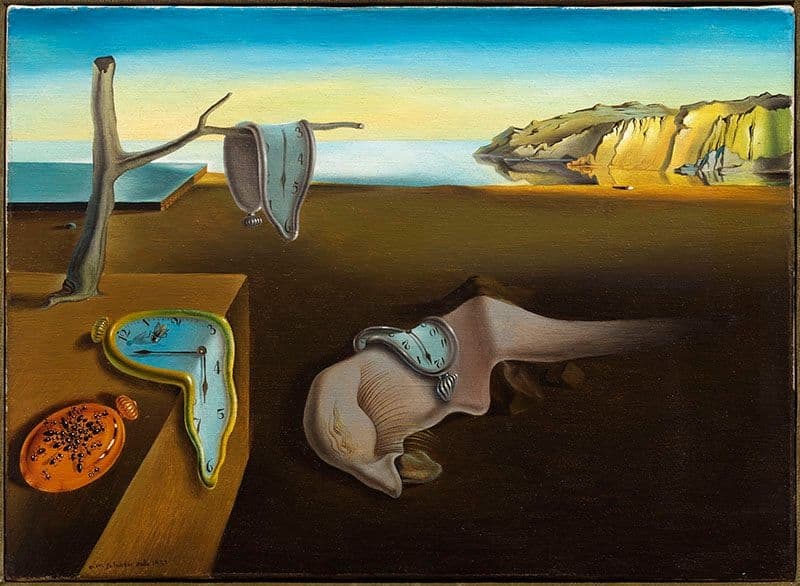
$200-350 million
As MoMA’s signature Surrealist icon with unmatched cultural recognition, it would draw trophy bidders and underpins the $200–350M estimate for a hypothetical consignment.
See full valuation →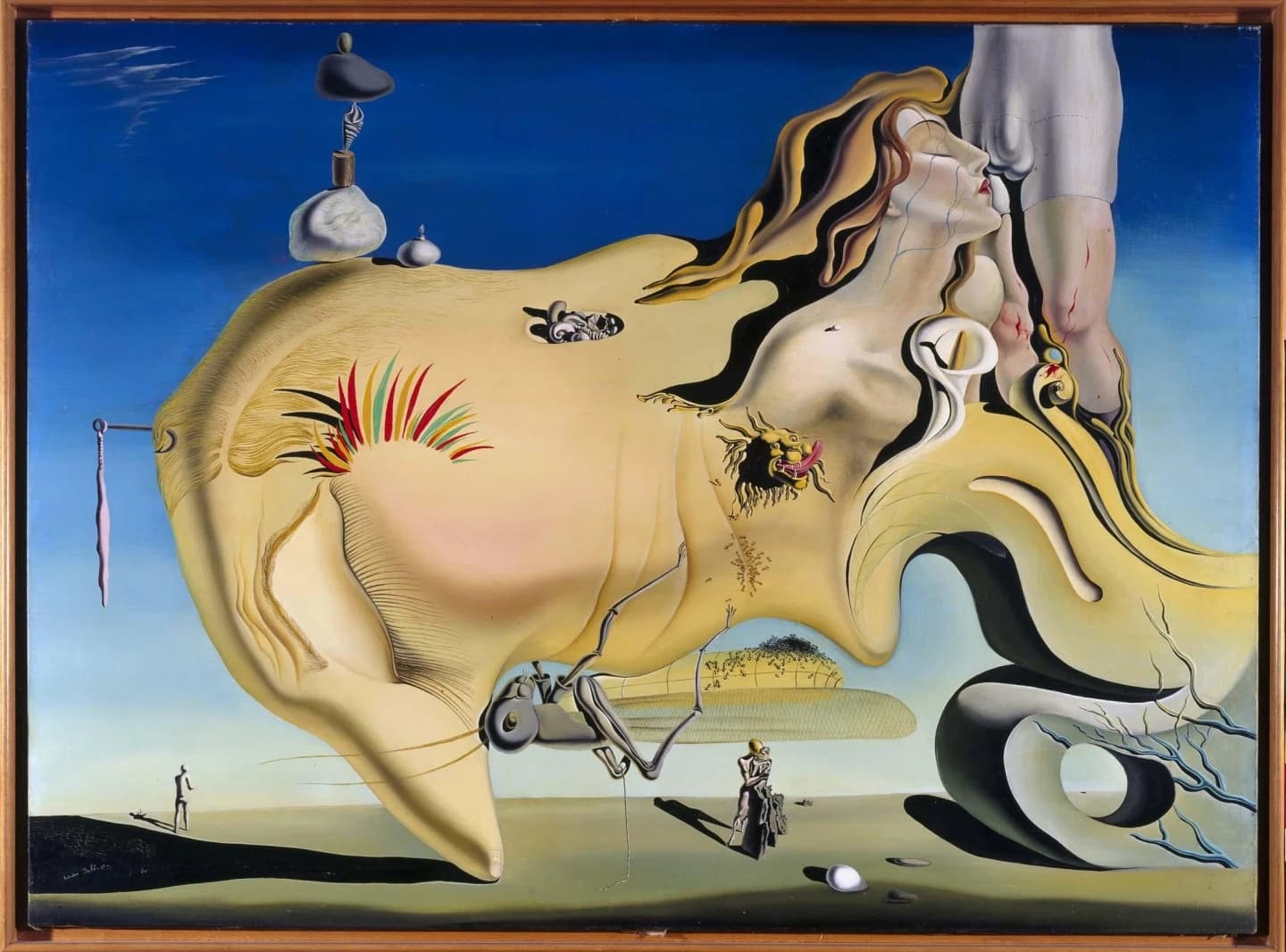
$80-120 million
A large, breakthrough 1929 masterpiece with canonical status in Dalí’s oeuvre, it could reset the artist’s auction record in an unconstrained international sale.
See full valuation →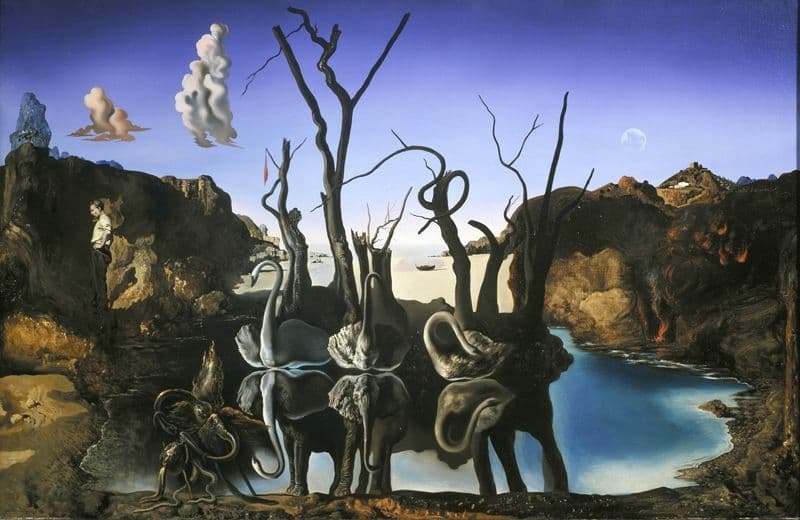
$60-90 million
Never publicly auctioned and long held privately, its museum‑caliber 1937 double‑image pedigree supports a $60–90M estimate at a marquee sale with guarantees.
See full valuation →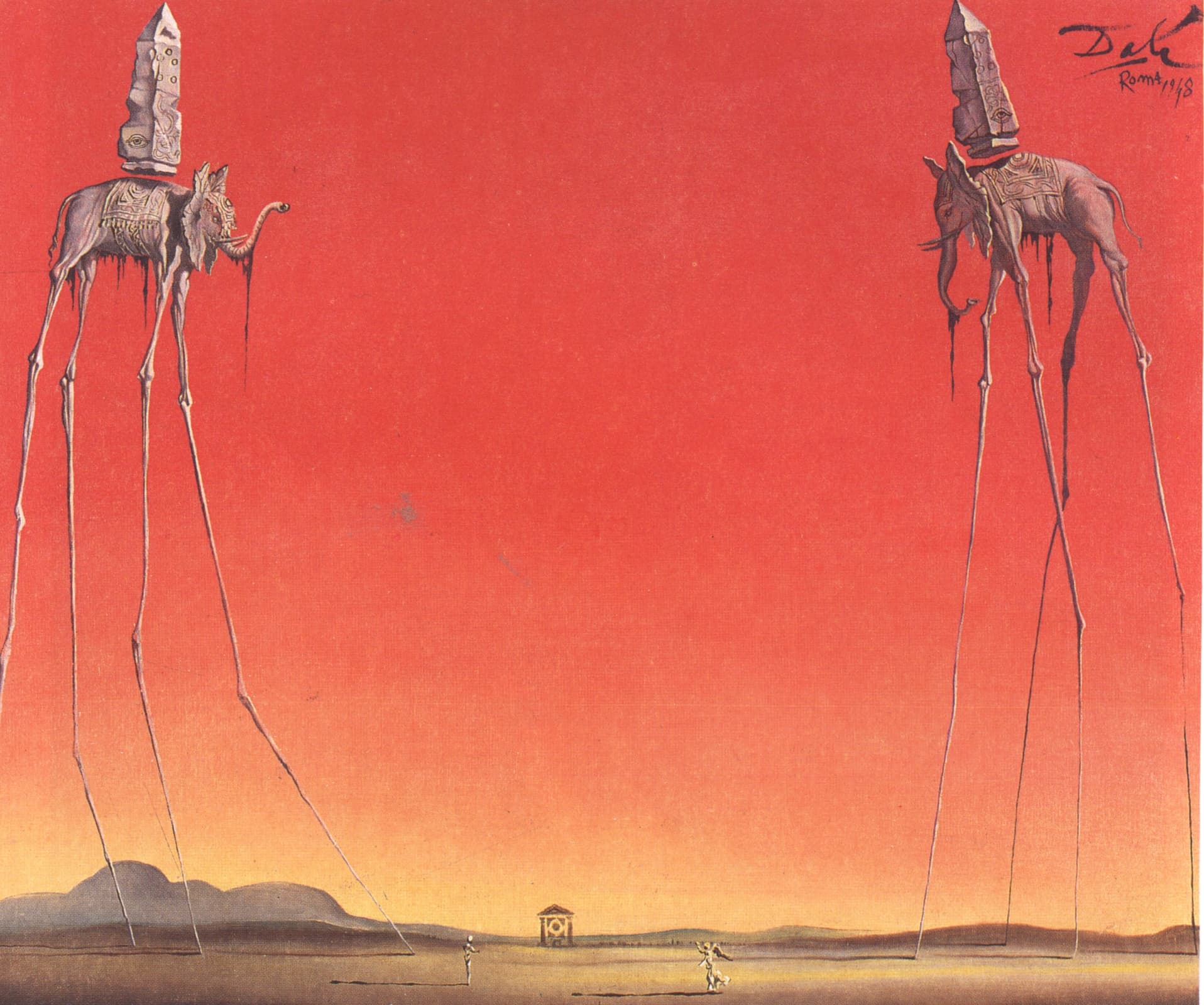
$20-40 million
As a rarely offered, iconic postwar Dalí image, it has a credible path to establishing a new auction high for the artist under optimal conditions.
See full valuation →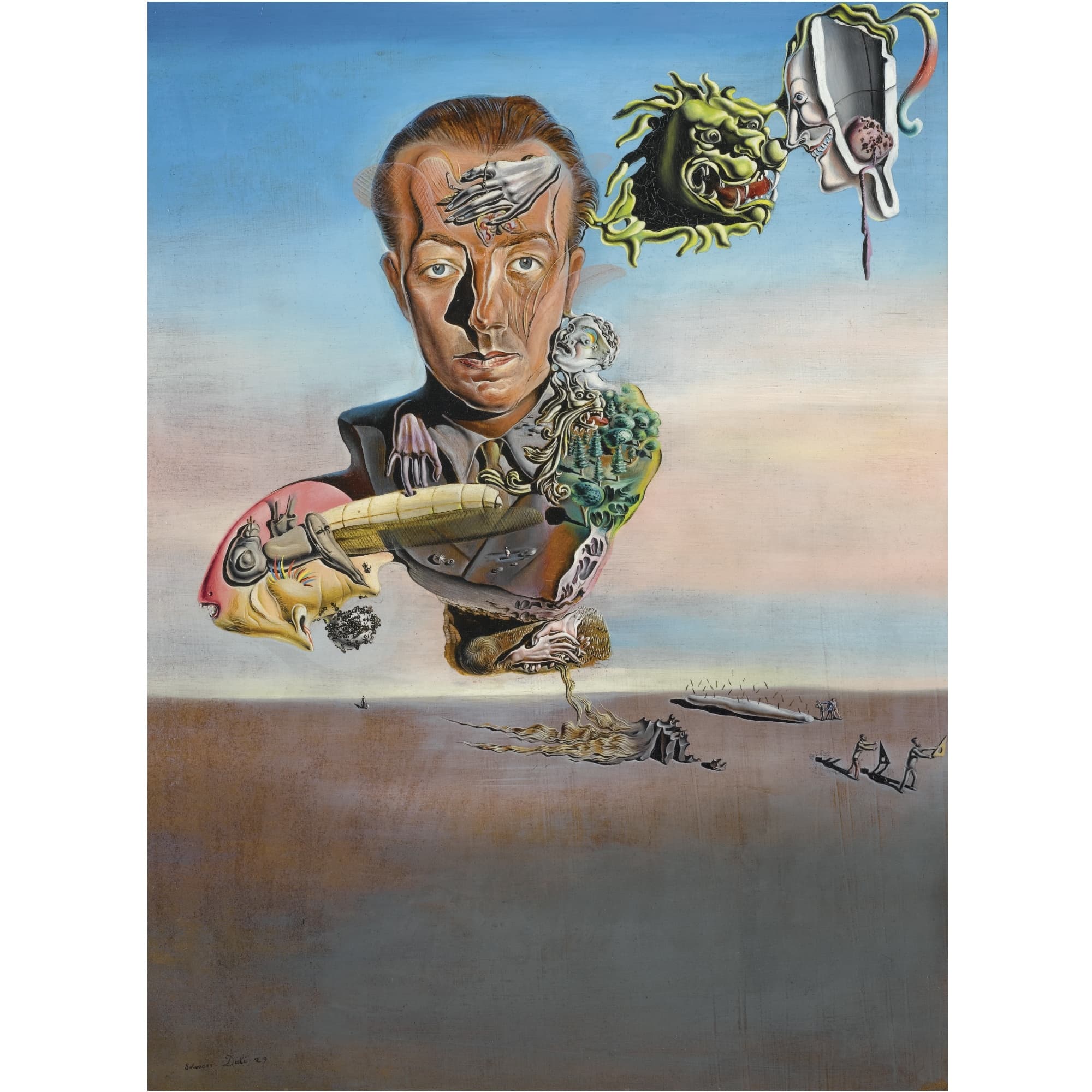
$25-40 million
The 1929 portrait’s 2011 Sotheby’s sale (≈$21.7M) plus catalogue‑raisonné entry and strong provenance justify a 2026 market valuation of $25–40M.
See full valuation →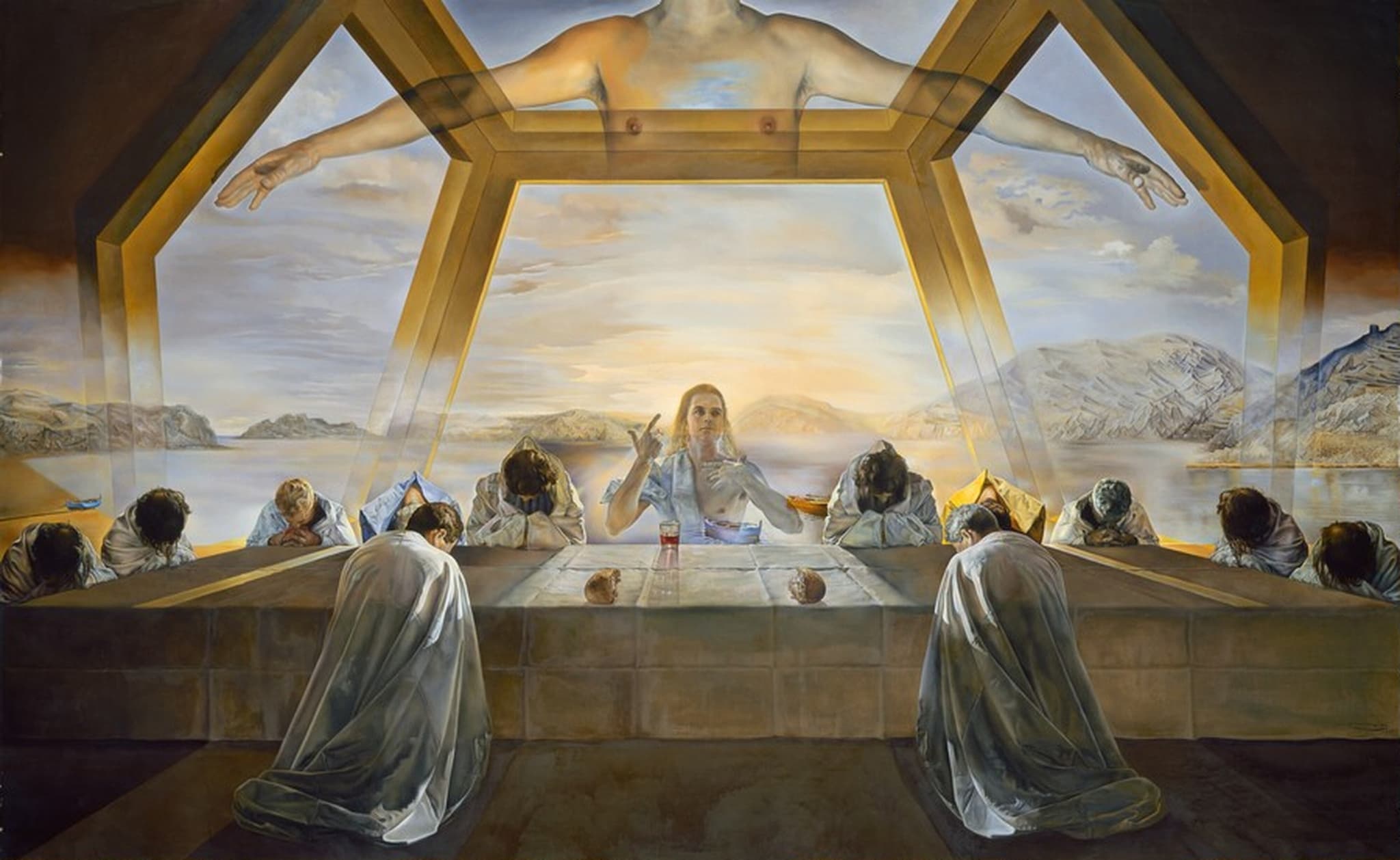
$10–30 million
Held by the National Gallery of Art and never offered publicly in the modern market, its hypothetical $10–30M estimate reflects museum provenance and rarity.
See full valuation →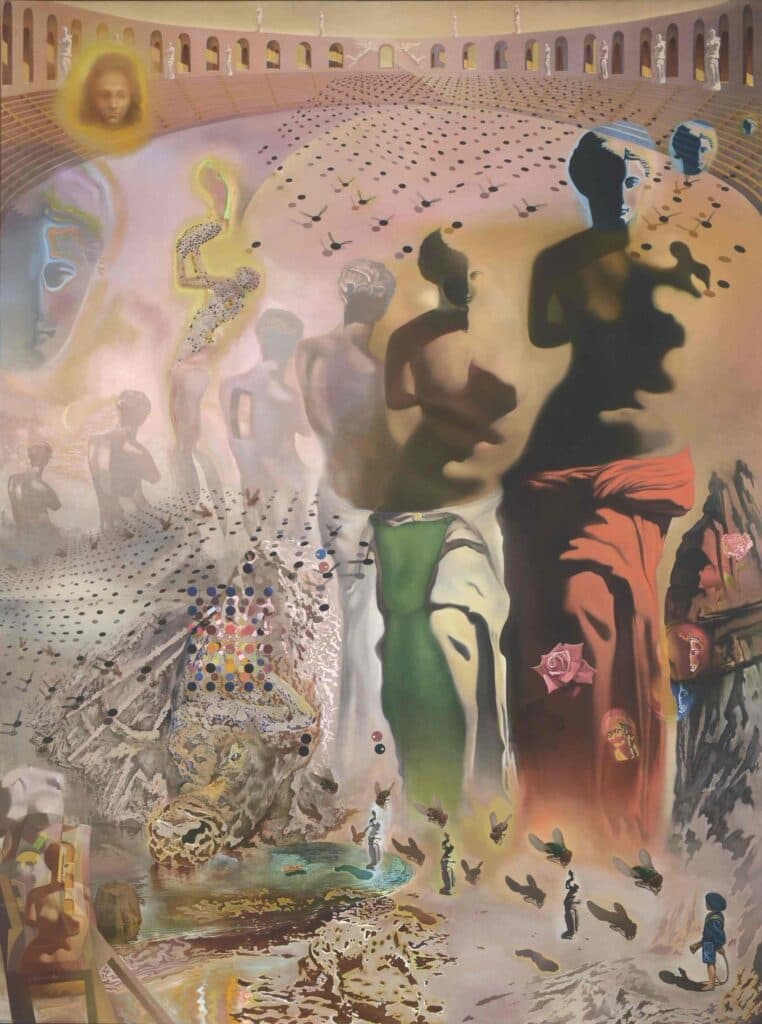
$10-25 million
If the canonical oil‑on‑canvas were offered, museum status and scale support a $10–25M range, while studies, prints or tapestries would appraise materially lower.
See full valuation →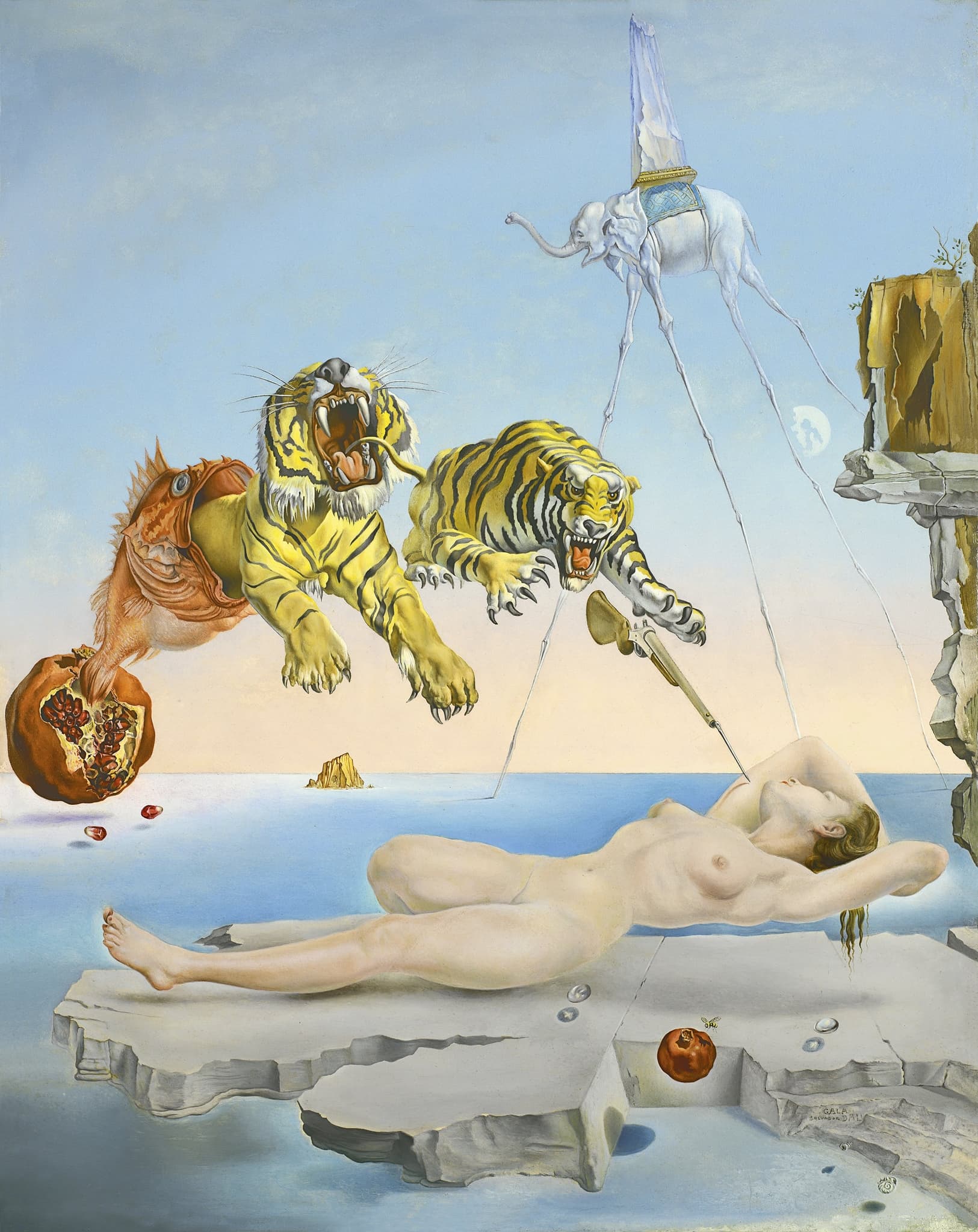
$10-25 million
This canonical 1944 panel is museum‑held with documented provenance and comparables that support an estimated open‑market value of $10–25M, contingent on confirmed condition.
See full valuation →$10–20 million
Tate‑held and catalogue‑raisonné P.455, this 1937 Surrealist masterpiece’s museum quality and provenance justify a defensible auction estimate of $10–20M.
See full valuation →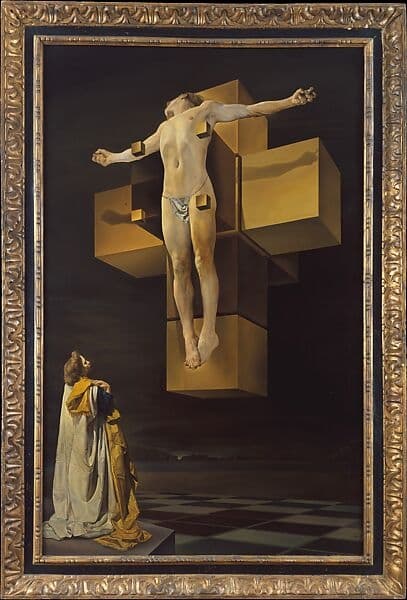
$5,000,000–$20,000,000
Accessioned by the Metropolitan Museum of Art (1955) and central to Dalí’s 'nuclear mysticism,' its museum provenance drives a $5M–$20M market valuation if legitimately offered.
See full valuation →What Drives Value in Salvador Dali's Work
Interwar Surrealist Masterpieces (1929–1937)
Dalí’s true price outperformance is concentrated in his interwar Surrealist breakthrough: prime oils from 1929–1937 (The Great Masturbator, The Persistence of Memory, Metamorphosis of Narcissus) carry a structural premium. These canvases codify his Paranoiac–Critical innovations, are scarce in private hands, and set collector expectations well above studio or later work. Even though Dalí’s auction record (~$21.7M for a 1929 portrait) is modest, museum‑quality interwar icons justify multiples of typical records.
Iconic Motifs and Image Recognizability
Certain Dalí images function like brand assets: the soft watches, double‑images, long‑legged elephants and dream nudes (The Persistence of Memory, Swans Reflecting Elephants, The Elephants, Dream Caused by the Flight of a Bee…) attract non‑specialist trophy buyers. High recognizability expands the bidder universe and converts cultural ubiquity into a direct price premium—often producing outcomes that outstrip the artist’s average comparables because buyers pay for public display value and instant cultural resonance.
Unique Original Oils vs Variants, Prints and Studio Multiples
Dalí’s prolific production of authorized variants, prints, and later studio pieces creates a hard line between unique museum‑quality oils and reproducible material. The original, primary oil (e.g., the Met Corpus Hypercubus or the Thyssen Dream) commands far higher bids than variants or editions. Buyers sharply discount workshop variants and panel studies; conversely, a single, well‑documented unique oil—versus an authorized replica—can leap several market bands.
Museum Provenance, Accessibility and Deaccession Dynamics
Many of Dalí’s top works sit in major institutions (MoMA’s Persistence of Memory, Tate’s Metamorphosis, the NGA/Met Corpus Hypercubus, Reina Sofía’s Great Masturbator), which both elevates cultural value and removes them from the open market. Institutional provenance reduces authenticity risk and, if ever offered, creates extreme scarcity that drives trophy pricing. At the same time, deaccession/legal constraints make actual sale events rare and outcomes highly sensitive to sale channel and timing.
Market Context
Salvador Dalí’s auction market is highly stratified: ubiquitous prints, editions and later studio works keep broad price points accessible, while scarce, museum‑quality Surrealist oils of the late 1920s–mid‑1930s occupy the trophy tier. The public record remains Portrait de Paul Éluard (1929) at roughly $21.7 million (Sotheby’s London, 2011). In recent cycles select small 1930s oils and important works on paper have reached low‑to‑mid seven figures and occasionally exceeded $1 million, while mid‑market oils typically trade in the low millions. Institutional interest—from museums and the Dalí Foundation—plus curated evening sales, guarantees and active private channels have driven renewed momentum and broadened global demand. Market selectivity rewards unquestionable provenance, exhibition history and iconic imagery, meaning a canonical 1930s Dalí could materially reset the artist’s ceiling.