Most Expensive Édouard Manet Paintings
Édouard Manet’s most expensive canvases occupy a unique market standing where historical audacity meets modern investment appeal, and their collectibility rests as much on scandal and provenance as on painterly innovation. At the summit sits the notorious Luncheon on the Grass, estimated between $650–1,100 million, its shock value and pivotal role in the birth of modernism ensuring perennial demand; Olympia, at $400–600 million, similarly combines transgressive subject matter with landmark status in exhibition history. Works such as A Bar at the Folies-Bergère ($200–300 million) and The Railway ($120–200 million) attract buyers for their urban immediacy and compositional daring, while portrait and genre pieces like Le Printemps (Spring / Jeanne Demarsy) ($85–120 million) and The Balcony ($45–95 million) appeal for refined craftsmanship and desirable provenance. Even lesser-valued yet significant paintings—La Rue Mosnier aux drapeaux ($30–80 million), Self-Portrait with Palette ($30–65 million) and Portrait of Émile Zola ($15–40 million)—remain collectible for their rarity, exhibition records and the market’s hunger for canonical names, making Manet an enduring cornerstone of high-end collecting.
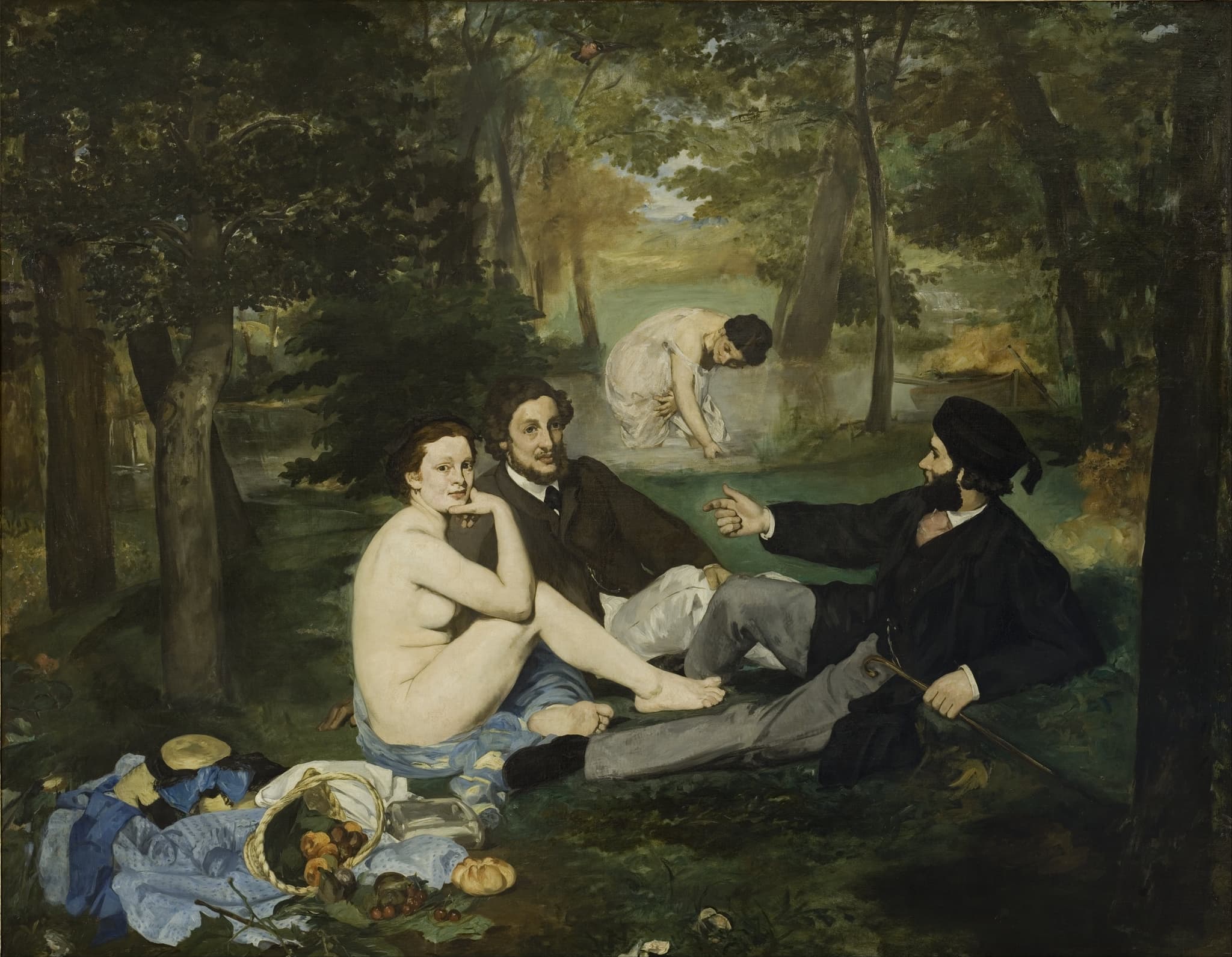
$650-1,100 million
Unconstrained, museum‑defining Luncheon on the Grass would command a trophy‑market premium—synthesized at $650–$1.1B—vastly exceeding Manet’s $65.1M auction record.
See full valuation →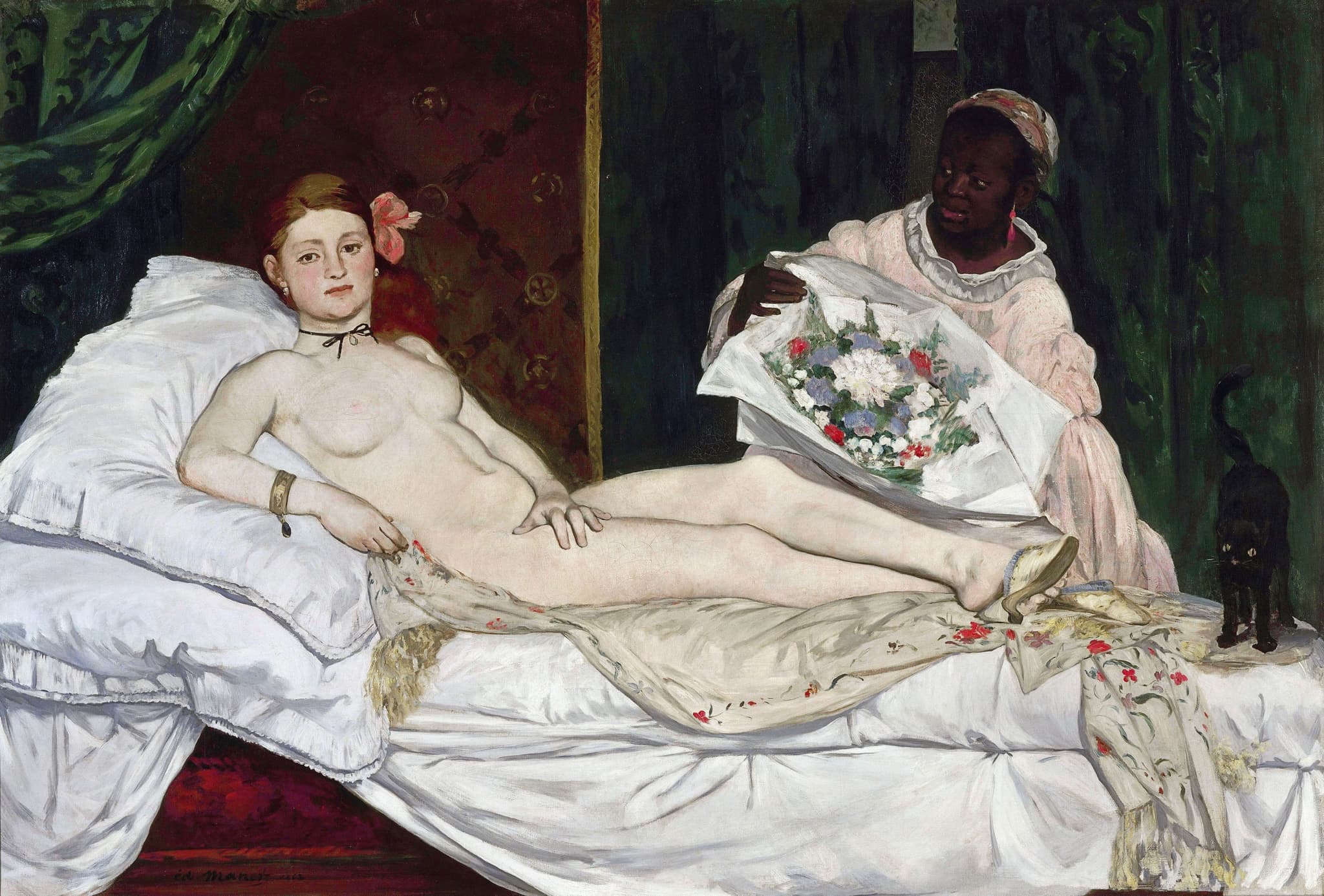
$400-600 million
French national patrimony and legally non‑exportable, Olympia is unsellable yet would carry a hypothetical risk/indemnity valuation of roughly $400–$600M.
See full valuation →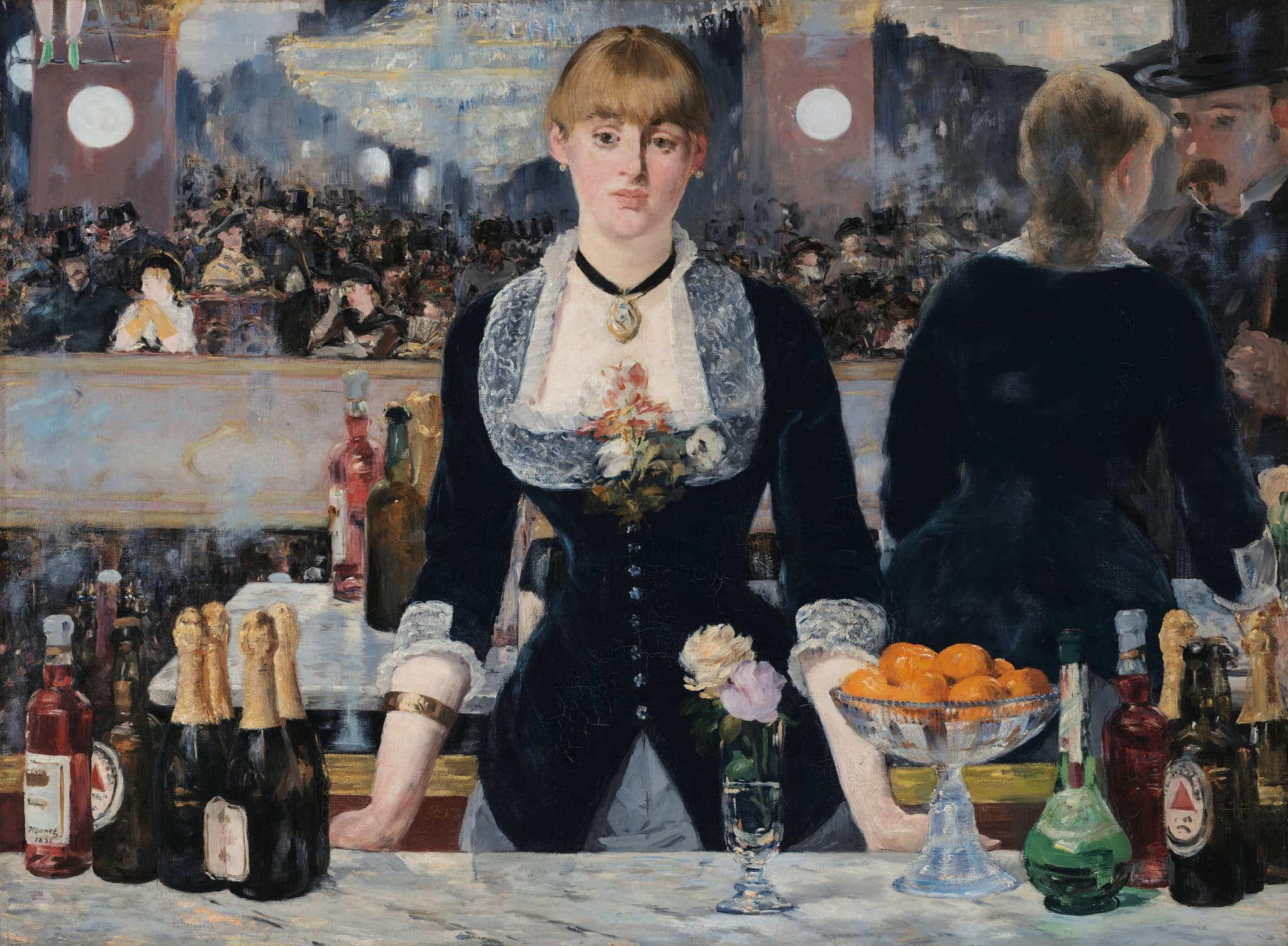
$200-300 million
A Bar at the Folies‑Bergère, a Courtauld cornerstone, is estimated at $200–$300M on a hypothetical open‑market basis using trophy comparables and the work’s canonical status.
See full valuation →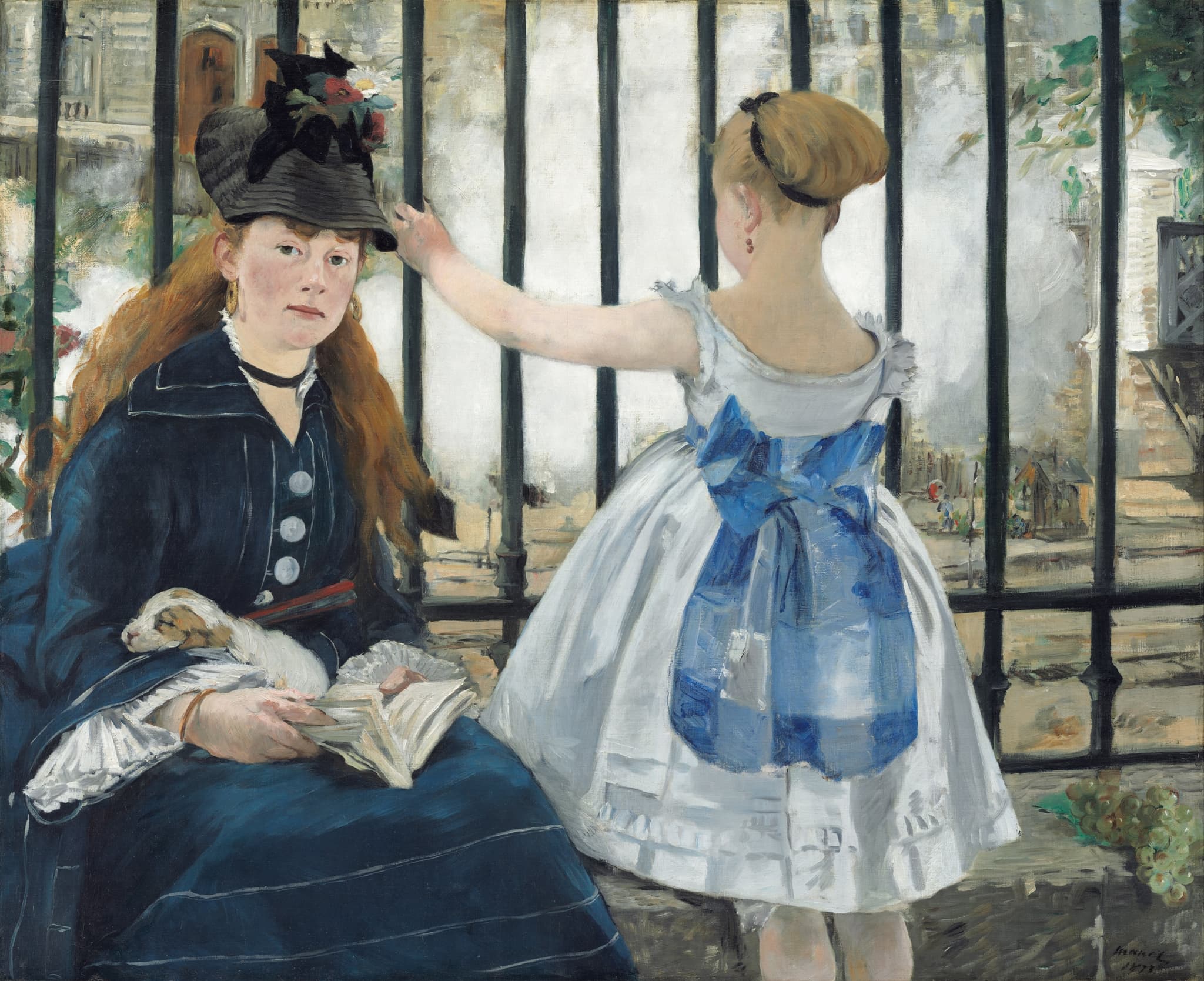
$120-200 million
Held by the National Gallery, The Railway—if deaccessioned—would plausibly achieve $120–$200M, materially above Manet’s auction record based on trophy‑level peer results.
See full valuation →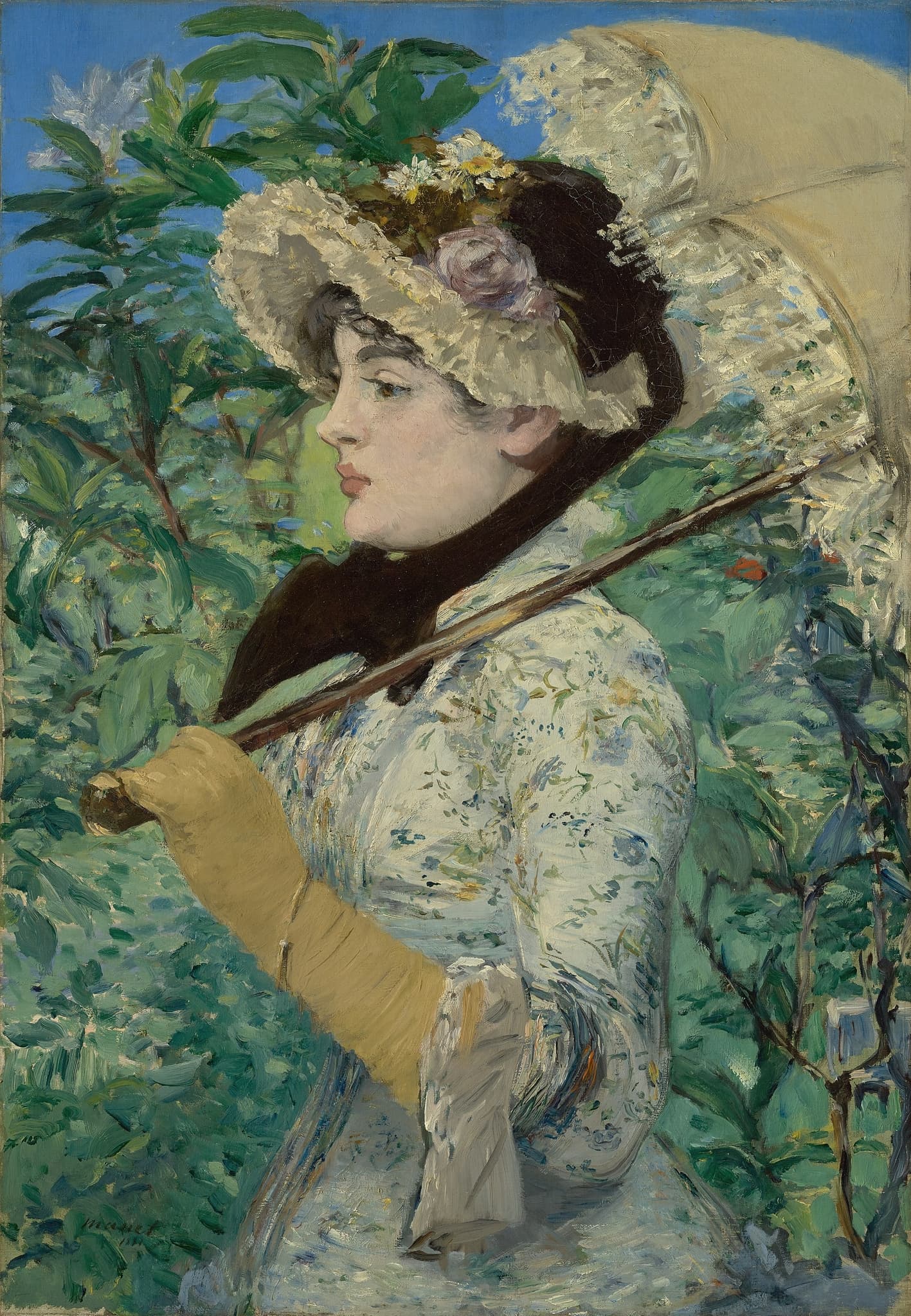
$85-120 million
Adjusted from Christie's Nov 5, 2014 benchmark, Le Printemps’s 2026 fair‑market window of $85–$120M reflects CPI inflation plus scarcity, provenance and renewed institutional interest.
See full valuation →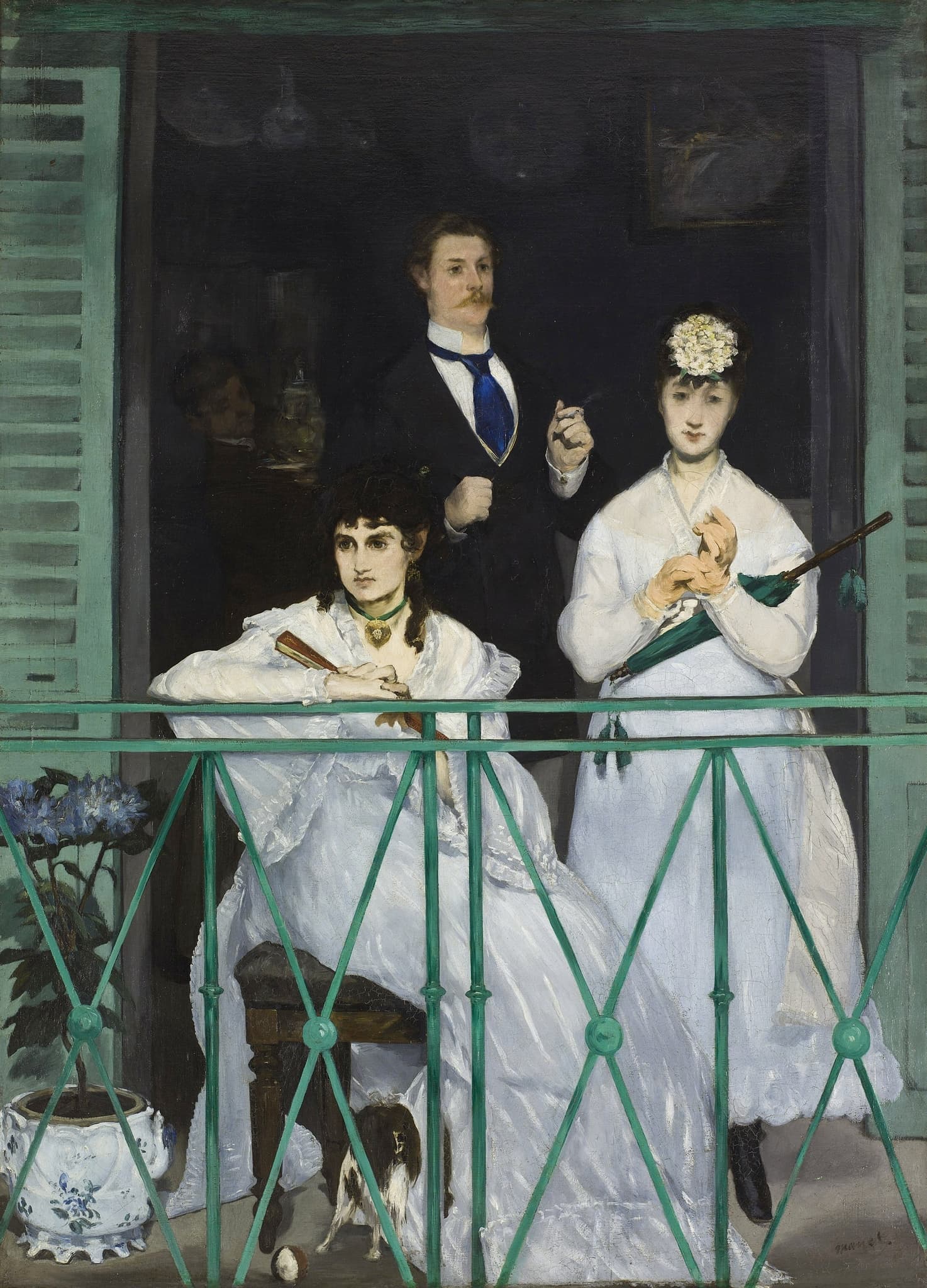
$45-95 million
The Balcony is a museum‑grade Manet whose hypothetical clear‑title sale is estimated at $45–$95M, anchored to recent high‑end Manet auction outcomes and pristine provenance.
See full valuation →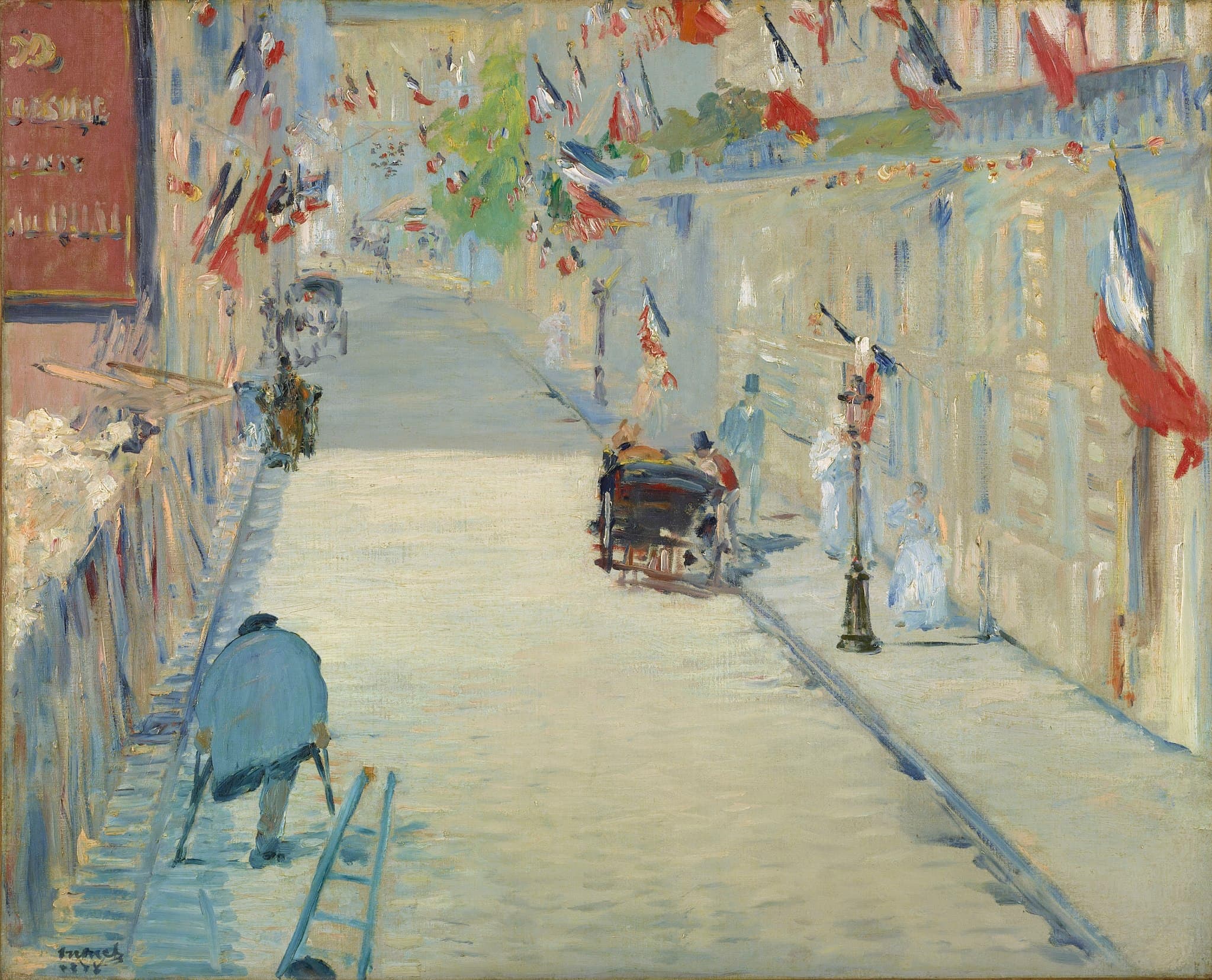
$30-80 million
La Rue Mosnier aux drapeaux last sold at Christie’s New York in 1989 for $26.4M, and a 2026 comparable‑based valuation is $30–$80M depending on condition and sale placement.
See full valuation →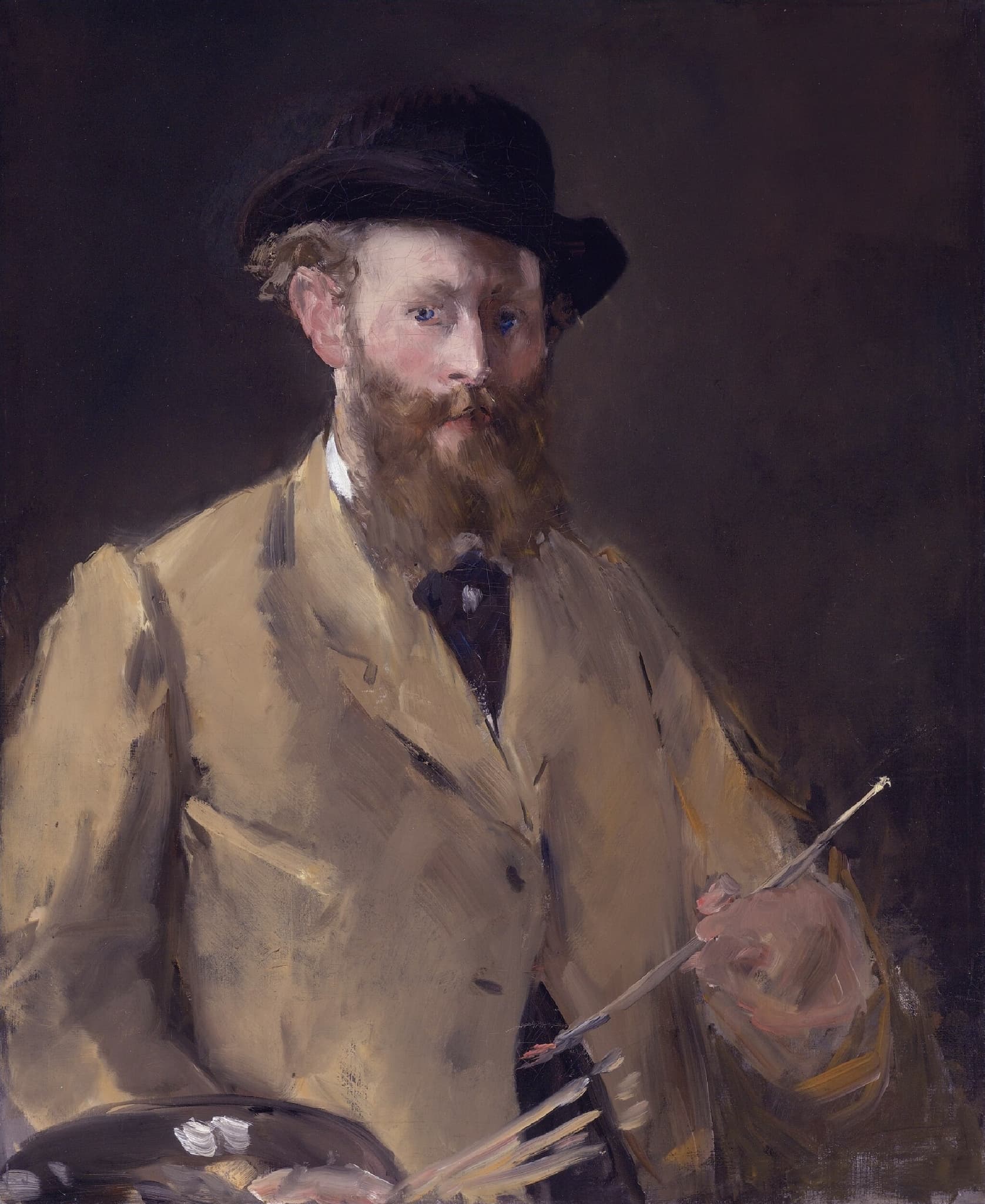
$30-65 million
Self‑Portrait with Palette realized ~US$33.1M at Sotheby’s London (22 June 2010); an authenticated, museum‑quality example today is defensibly valued at about $30–$65M.
See full valuation →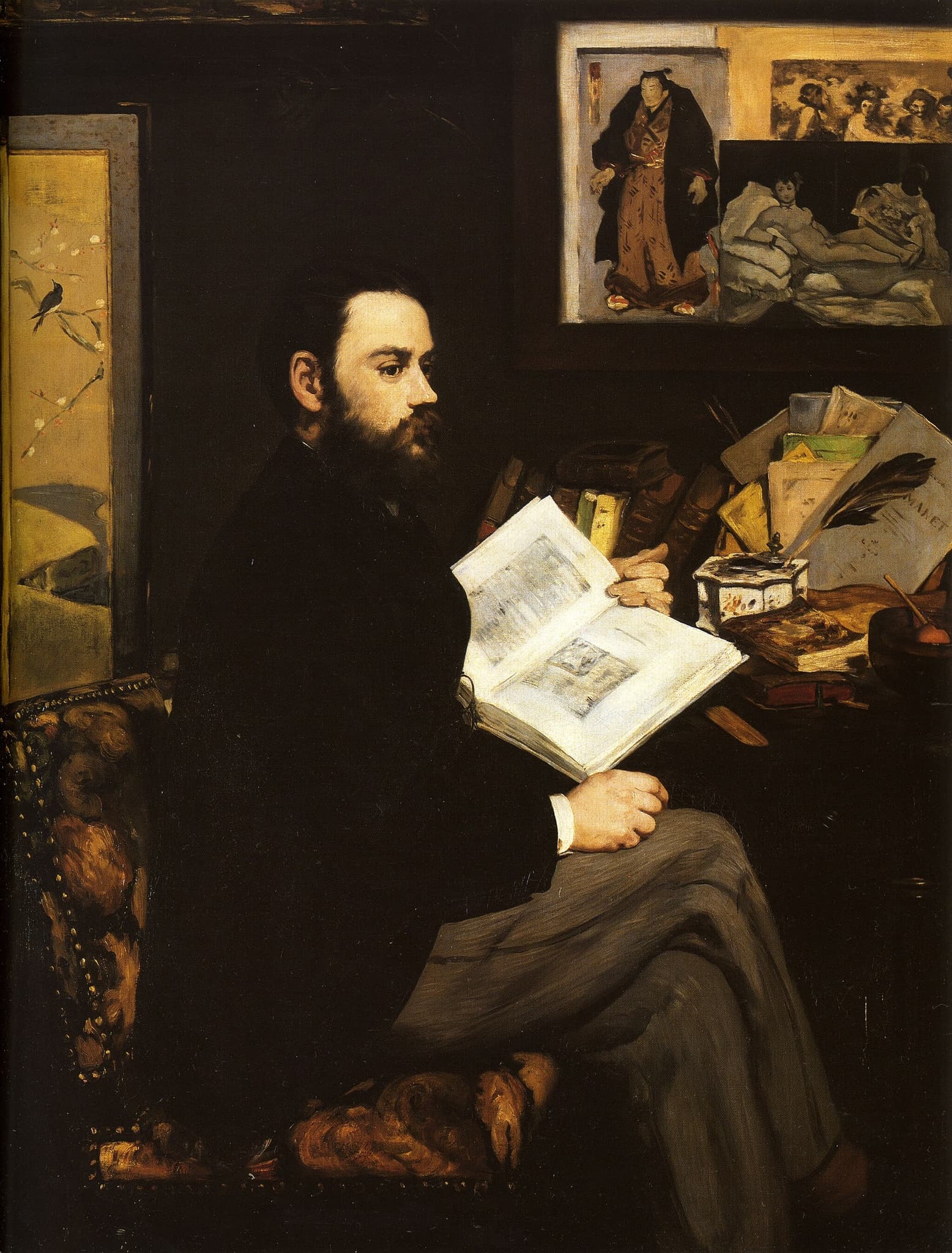
$15-40 million
Portrait of Émile Zola is held by the Musée d'Orsay and effectively not marketable, though a hypothetical private sale of comparable importance would be valued at $15–$40M.
See full valuation →What Drives Value in Édouard Manet's Work
Iconic, Salon‑breaking Masterpieces
Manet’s handful of canon‑defining provocations—Le Déjeuner sur l’herbe, Olympia and A Bar at the Folies‑Bergère—carry outsized pricing power because they are central to art‑history narratives. Their 1860s–70s notoriety (Déjeuner’s Salon des Refusés scandal, Olympia’s shock) makes them cultural trophies whose value is set relative to cross‑artist icons rather than routine artist comparables. When examples of this category are hypothetically marketable, they attract institution‑level competition and trophy‑multiples far above typical Manet lots.
Concentration in French/Institutional Collections (supply by ownership)
A distinct Manet pattern is that his top works are legally and physically locked in national collections: Déjeuner and Olympia at Musée d’Orsay, The Balcony via the Courtauld Trust, Portrait of Émile Zola as a state gift. This institutional concentration (and French inalienability rules) both removes supply and inflates hypothetical replacement/insurance valuations—so provenance as a public‑collection asset is itself a value driver unique to Manet’s market profile.
Recognizable Sitters and Parisian Modern‑Life Subjects
Manet’s market premium often follows identifiable sitters (Victorine Meurent in The Railway; Émile Zola; Jeanne Demarsy in Le Printemps) and instantly legible Paris motifs (Rue Mosnier, Folies‑Bergère). Works that connect to his social circle or to well‑published modern‑life series receive greater scholarly attention, exhibition demand and collector appetite, producing meaningful valuation uplifts compared with anonymous genre pictures or lesser‑known studies.
Scale, Composition and Painterly Evidence (wall‑power and technical authenticity)
Manet’s large salon canvases and compositional inventions—A Bar’s mirror construction, Le Déjeuner’s complex grouping, The Balcony’s scale—deliver “wall power” that buyers prize for display and exhibition. Equally, Manet’s idiosyncratic brushwork means condition and technical dossiers (infrared, x‑ray, conservation history) materially move price: clean, original surfaces (as assumed for museum‑kept works like Le Printemps or Self‑Portrait with Palette) support top‑tier bids; heavy restoration or dubious authorship sharply reduces realizable value.
Market Context
Édouard Manet remains a blue‑chip pillar of 19th‑century modernism whose top supply is extremely thin because key canvases are museum‑held; his public auction record is $65.1m for Le Printemps (Christie’s, 2014), acquired by the Getty. Since then major Manets have been scarce, though marquee offerings—for example Le Grand Canal à Venise (2022) and a late still life (2024)—have achieved strong, sometimes $50m‑level results in guarantee‑enabled contexts. Institutions and leading private collectors dominate demand for any fresh, museum‑grade picture, producing a bifurcated market: robust, competitive pricing for best‑in‑class works and more modest outcomes for secondary oils and works on paper. After selective conditions in 2023–24, late‑2025 showed renewed appetite at the trophy level, suggesting a high ceiling if a canonical Manet were ever to appear.