Most Expensive Titian Paintings
Titian’s art occupies a distinct pinnacle in the international market, where connoisseurship, provenance and sheer pictorial inventiveness combine to push certain canvases into stratospheric territory. At the apex sits the Venus of Urbino, whose sensual mastery and impeccable provenance command estimates in the extraordinary $250–500 million range, while monumental religious works such as The Assumption of the Virgin are valued at $200–350 million for their scale, devotional history and rarity. A cluster of his mythological masterpieces—Bacchus and Ariadne, Danaë (Prado), Diana and Actaeon, Diana and Callisto, Perseus and Andromeda, The Rape of Europa and Venus and Adonis—traditionally trade in the $100–150 million bracket, prized for their vivid color, narrative vivacity and the scarcity of intact, major Titian paintings on the market. Even smaller devotional pieces like The Rest on the Flight into Egypt, estimated more modestly at $18–28 million, illustrate how condition, provenance and cultural significance govern value. Collectors seek Titian for his transformative brushwork, historical importance and the social prestige of owning works that shaped Western painting.
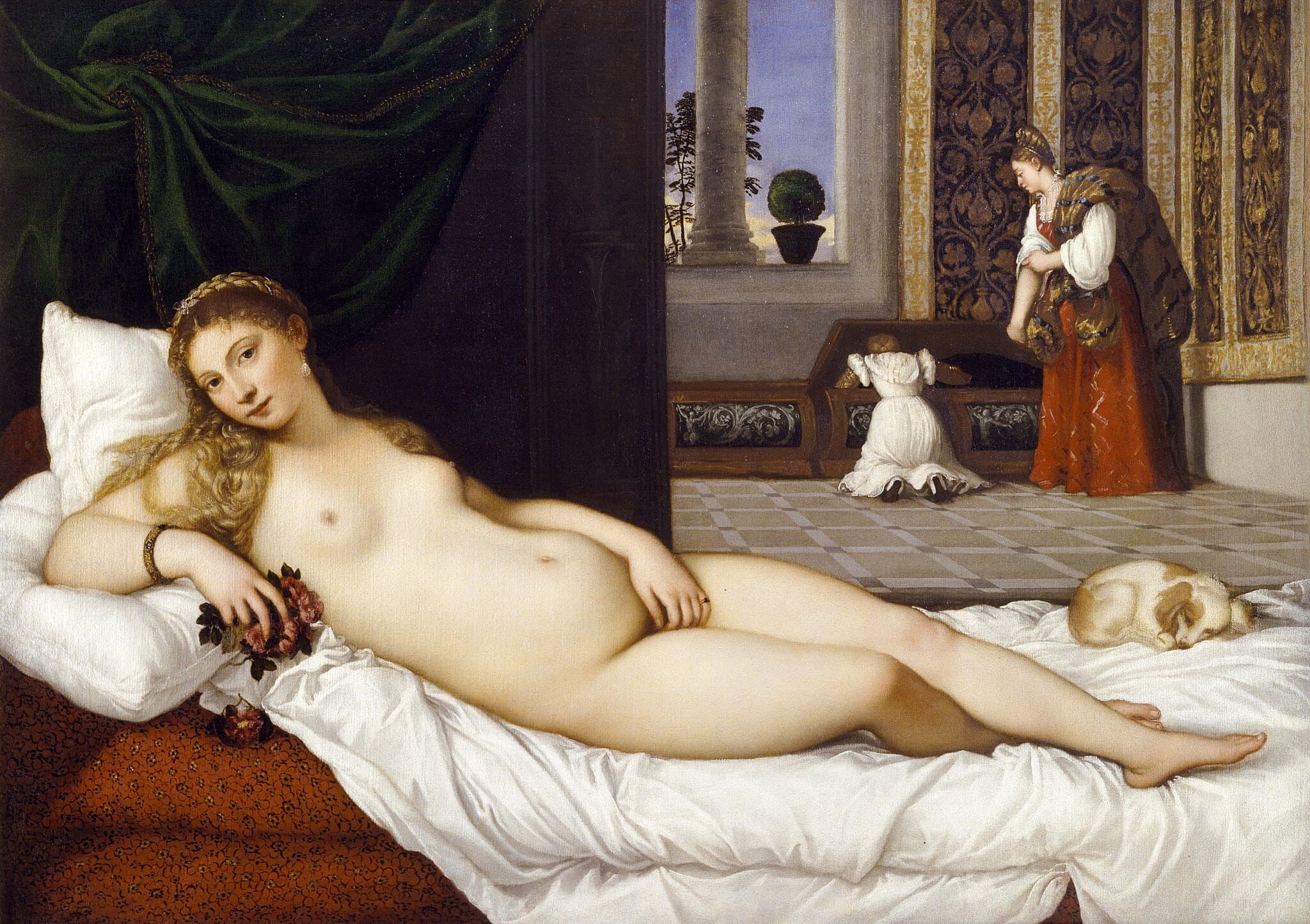
$250–500 million
In an unconstrained international sale Titian’s Venus of Urbino is estimated at $250–500M, though Italian export and deaccession limits would likely compress that to roughly $150–300M.
See full valuation →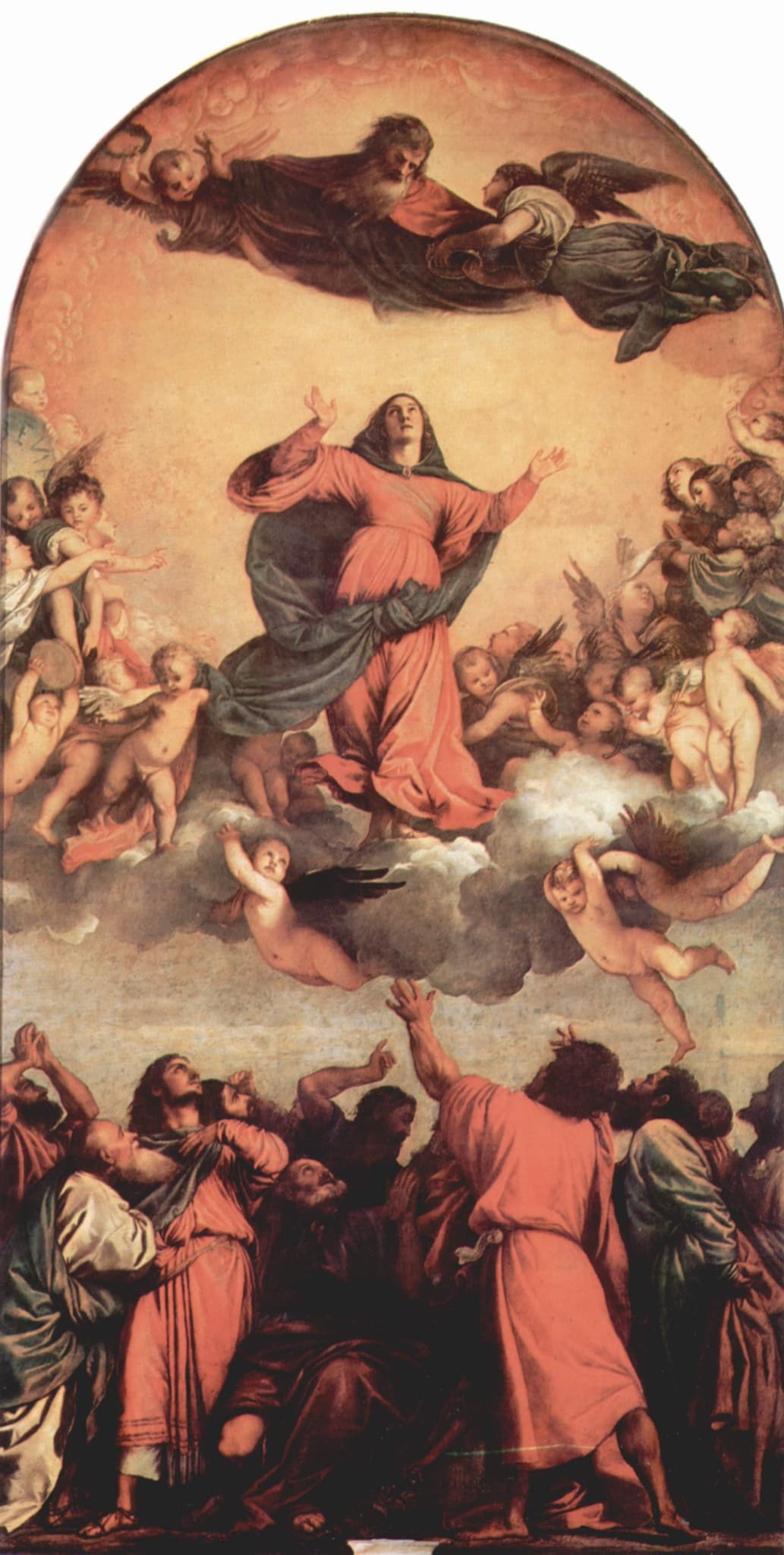
$200-350 million
Although never sold and effectively non‑exportable, The Assumption of the Virgin is hypothetically valued at $200–350M, anchored to Titian institutional purchases and the Old Master ceiling.
See full valuation →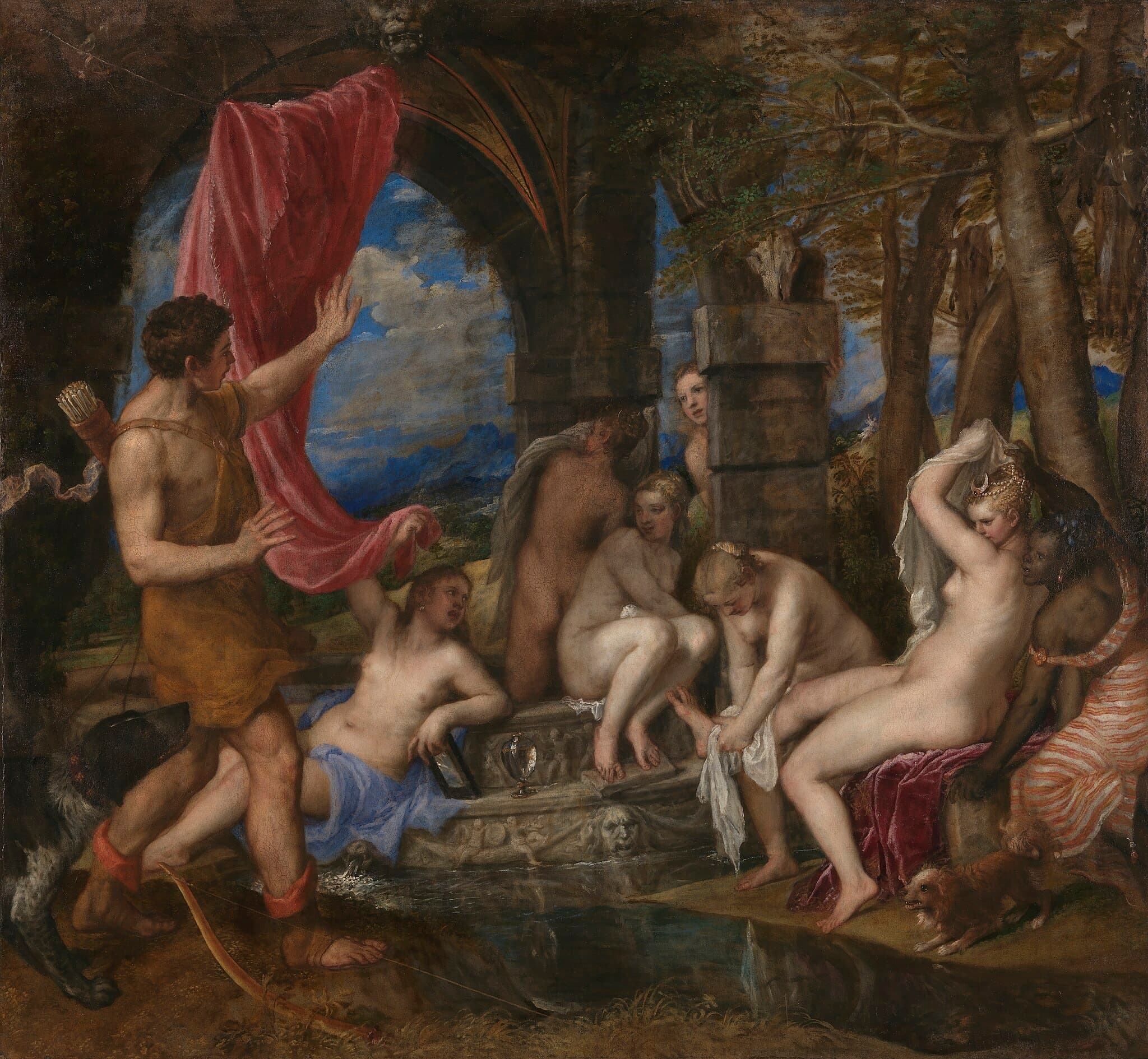
$100-150 million
Diana and Actaeon’s $100–150M estimate is anchored to the documented 2009 institutional acquisition, adjusted for inflation, market movement, and the scarcity of comparable masterpieces.
See full valuation →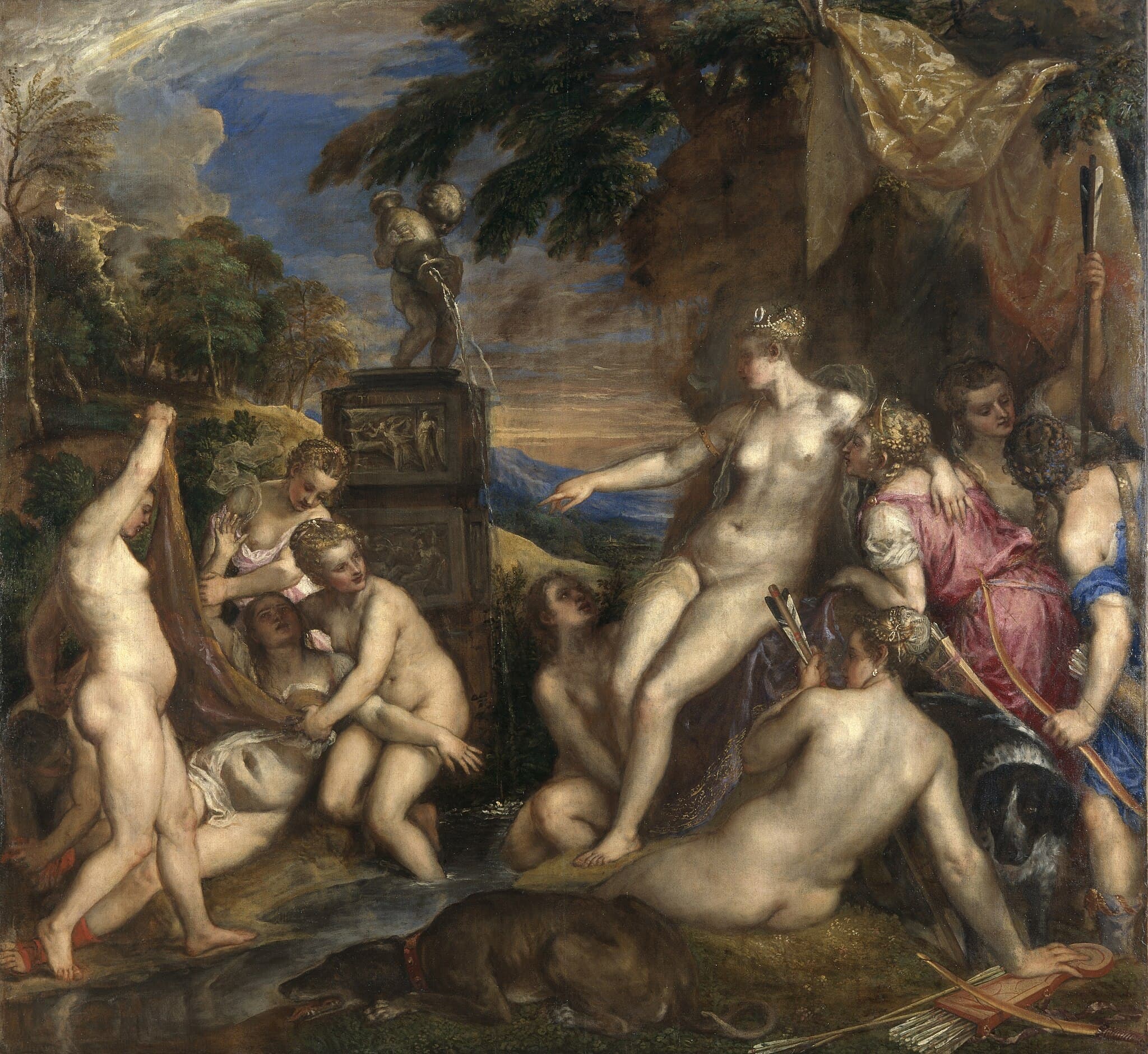
$100-150 million
Diana and Callisto’s $100–150M realistic market valuation is grounded in the 2012 negotiated UK institutional acquisition, the de facto benchmark for comparable Titian sales.
See full valuation →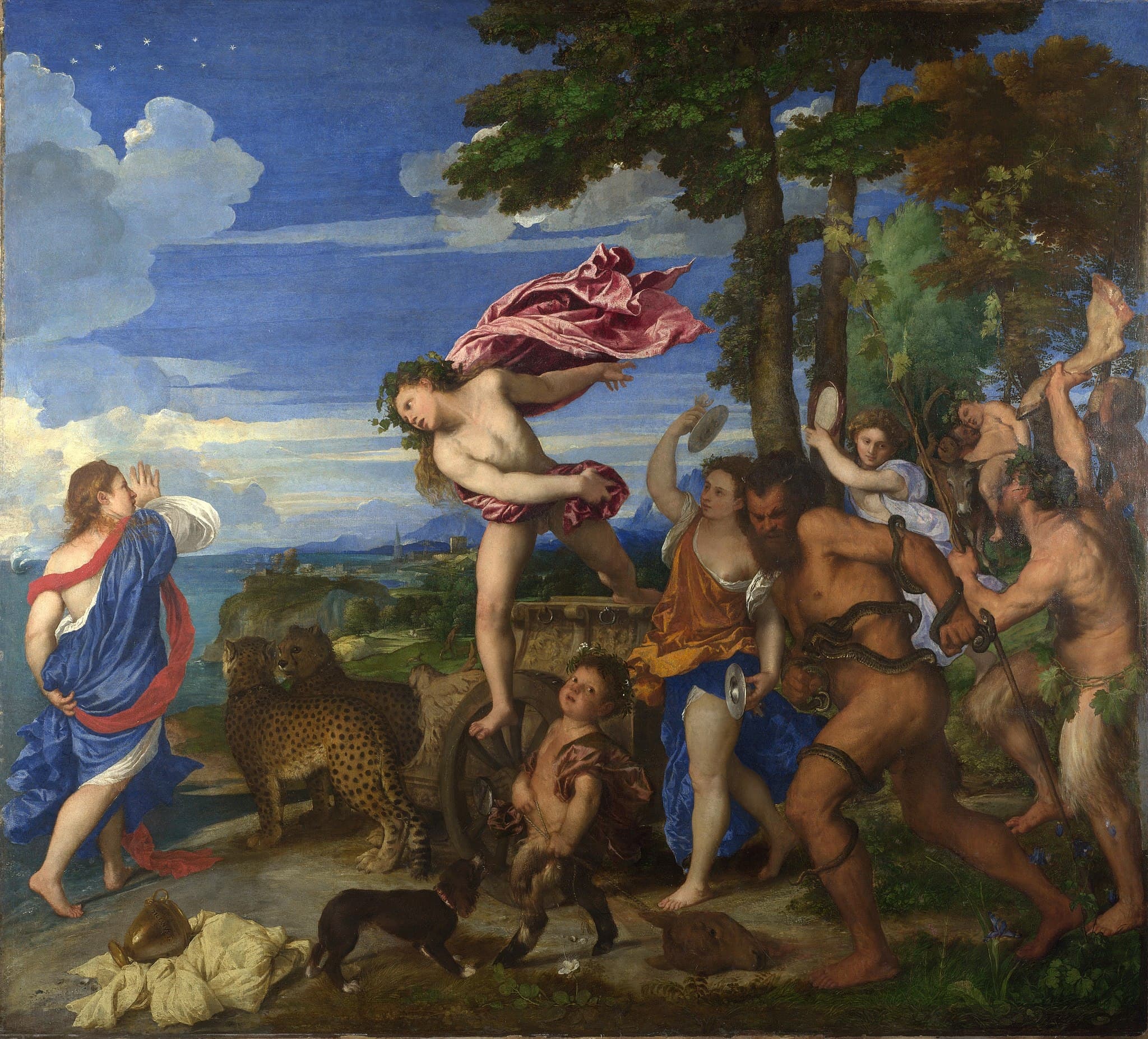
$100-150 million
Bacchus and Ariadne’s $100–150M band is a conservative market synthesis reconciling auction records, high‑level private/institutional purchases, and museum ownership constraints.
See full valuation →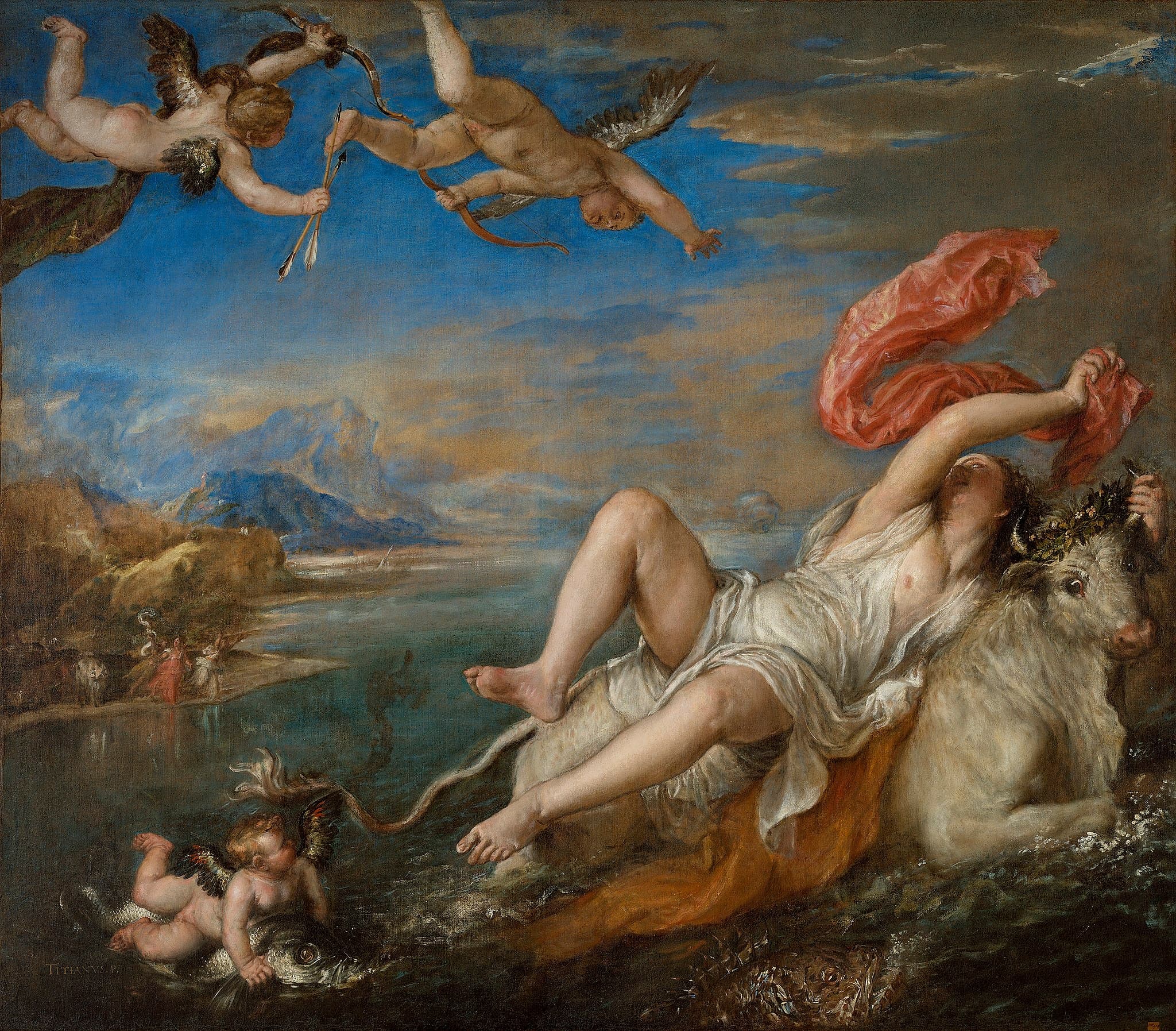
$100-150 million
The Rape of Europa would sit at a $100–150M private/institutional ceiling if accepted as a fully autograph, well‑preserved Titian with clean title and scholarly consensus.
See full valuation →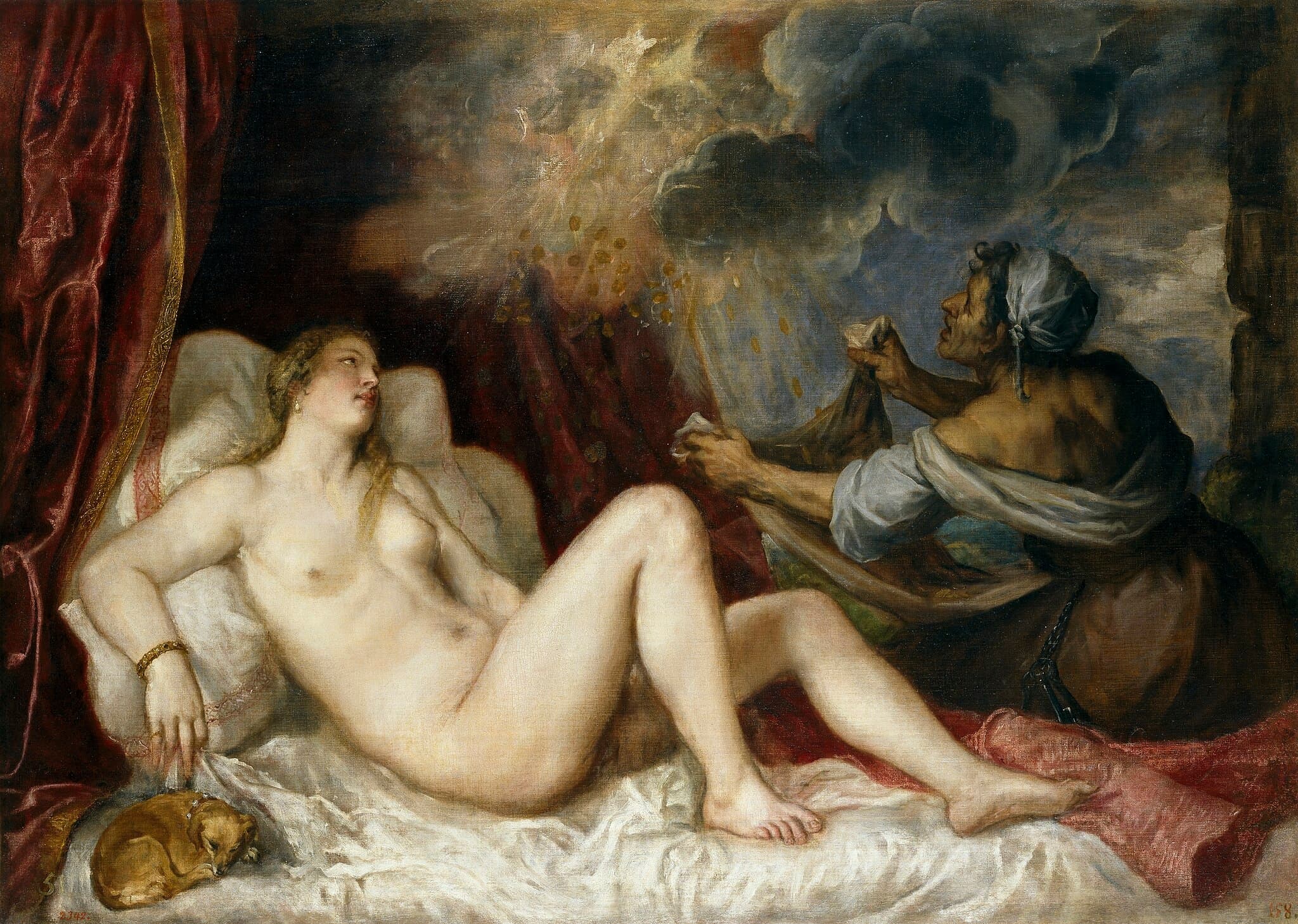
$100-150 million
The Prado’s Danaë is functionally unsaleable, but if legally transferable and accepted as autograph in excellent condition it would command about $100–150M on the open market.
See full valuation →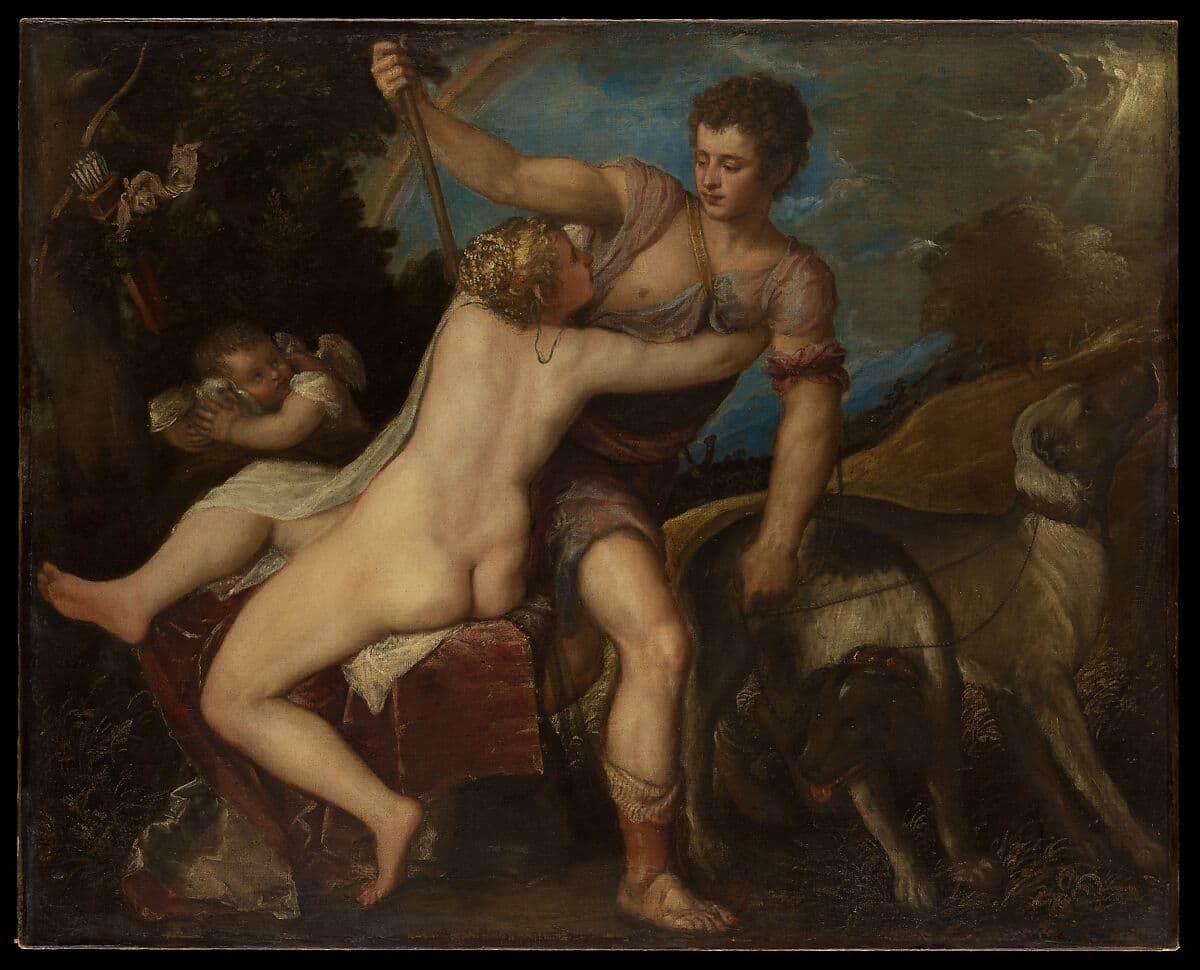
$100-150 million
A securely authenticated, museum‑quality c.1554 Venus and Adonis would be worth about $100–150M today, contingent on condition, uninterrupted provenance, and exportability.
See full valuation →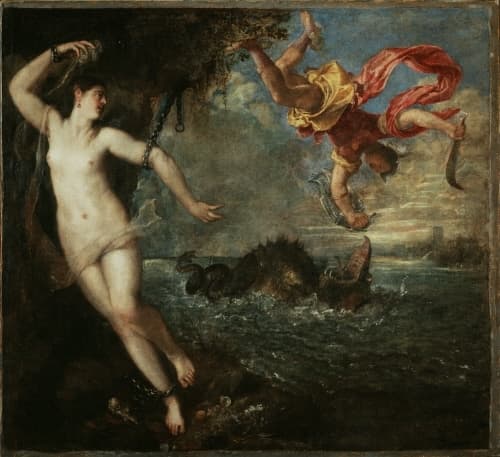
$100-150 million
If fully authenticated as an autograph Titian poesie, Perseus and Andromeda would attract roughly $100–150M in private/institutional markets, with attribution and provenance driving large valuation swings.
See full valuation →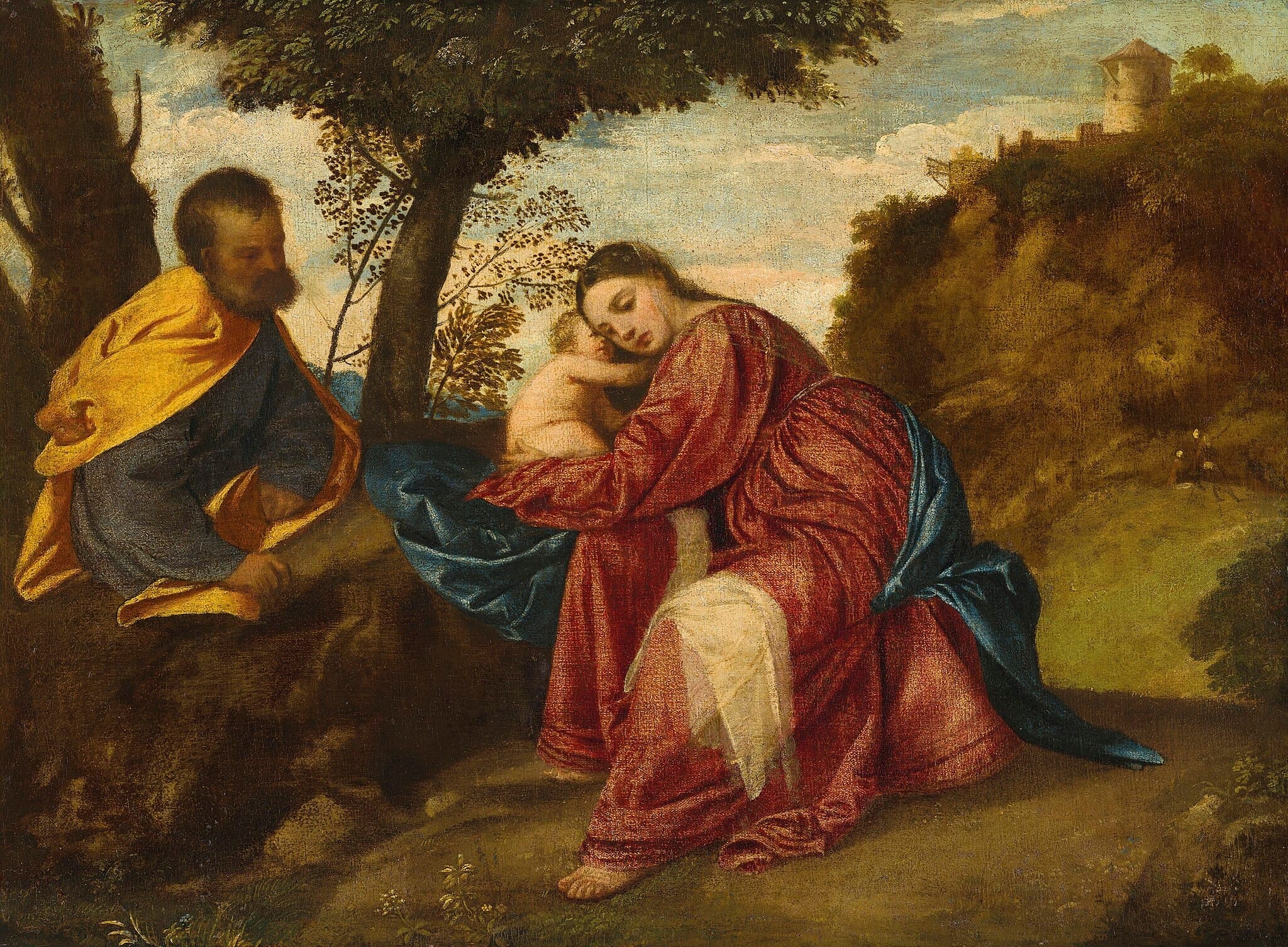
$18-28 million
The Longleat Rest on the Flight into Egypt is benchmarked to Christie’s London 2 July 2024 realised £17.56M ($22.18M), yielding a market estimate of approximately $18–28M.
See full valuation →What Drives Value in Titian's Work
Autograph Attribution & Technical Dossier
For Titian, incontrovertible authorship—proven by IRR, X‑ray, pigment cross‑sections and visible pentimenti—moves a picture from workshop‑level millions to institutional nine‑figure territory. Examples: the Christie’s 2024 Rest on the Flight into Egypt realized strong money because of secure autograph attribution; conversely, contested works (Perseus and Andromeda, disputed late compositions) are deeply discounted. Buyers pay premiums only when technical dossiers and catalogue‑raisonné consensus eliminate scholarly doubt.
Poesie, Subject and Scale (mythological masterpieces)
Titian’s large mythological 'poesie' and iconic nudes command outsized value: Bacchus and Ariadne, Diana and Actaeon/Callisto, Venus and Adonis, Rape of Europa and Venus of Urbino sit at the top of the market. Their narrative ambition, chromatic bravura and role as canonical anchors create trophy demand and cycle‑completion dynamics (museums want sets), whereas small devotional subjects or multiple studio versions (e.g., many Rest on the Flight into Egypt variants) sell substantially lower.
Provenance, Continuous Institutional Custody & Exhibition Record
Long royal or museum provenance both elevates theoretical value and limits practical saleability. Prado’s Danaë and the National Gallery’s Bacchus and Ariadne benefit from clean royal or institutional chains that underpin nine‑figure valuations, yet those same histories introduce deaccession rules, donor covenants and reputational friction that make open market sales unlikely. The Bridgewater/Diana acquisitions show how institutions set high private benchmarks while public custody suppresses auction liquidity.
Jurisdictional Patrimony & Transaction Path (realizable vs theoretical price)
Titian’s market is uniquely shaped by national patrimony rules: Italian inalienability (Uffizi Venus of Urbino, Assumption of the Virgin) and Spanish/UK export controls (Prado Danaë, Diana pair) steer potential dealings into treaty or sovereign channels. That legal reality compresses bidder competition and often produces a lower 'realizable' band versus an unconstrained international FMV—illustrated by the stated Venus of Urbino unconstrained $250–500M vs treaty $150–300M estimate.
Market Context
Titian remains a blue‑chip, supply‑constrained Old Master whose securely attributed autograph works rarely reach auction; the public record was reset at $22.18m in July 2024, while institutional private/treaty benchmarks—Diana and Actaeon (2009, £50m) and Diana and Callisto (2012, ~£45m)—underscore the higher ceiling for museum‑caliber masterpieces. Recent market activity shows a selective, trophy‑led rebound: correctly estimated, top‑quality Titians and related Renaissance works drew aggressive bidding and record results in 2025–26, even as overall turnover stayed muted. Demand is global but concentrated among museums, foundations, sovereigns and a small cadre of UHNW collectors; attribution certainty, provenance, condition and exportability remain the primary determinants of price and liquidity, positioning singular Titian icons to outperform comparables in open competition.