Most Expensive Jean-Francois Millet Paintings
Jean-François Millet occupies a distinctive place in the art market: not merely a canonical 19th‑century realist but a collectible name whose peasant scenes command premium prices because of their cultural resonance, rarity and museum provenance. At the very top sits The Gleaners, estimated between $120–200 million, and The Angelus, at $80–110 million—two icons whose monumental auction or private‑sale potential elevates Millet’s market standing alongside greats of the period. Lesser‑known but still highly sought works fetch strong sums: The Sower has realized or is valued in the $5,000,000–$25,000,000 range, while Man with a Hoe is seen between $3,000,000–$15,000,000. Midmarket examples such as Le Printemps (Spring / Daphnis and Chloe) and Shepherdess with Her Flock trade in the $2,000,000–$8,000,000 and $2.5–7.5 million bands, respectively, and more modest genre pieces—The Winnower, The Potato Harvest, Harvesters Resting (Ruth and Boaz) and A Sheepshearer—span roughly $1,000,000 down to $150,000. Collectors prize Millet for his soulful realism, rarity on the market, and the powerful provenance that often accompanies these emblematic rural narratives.
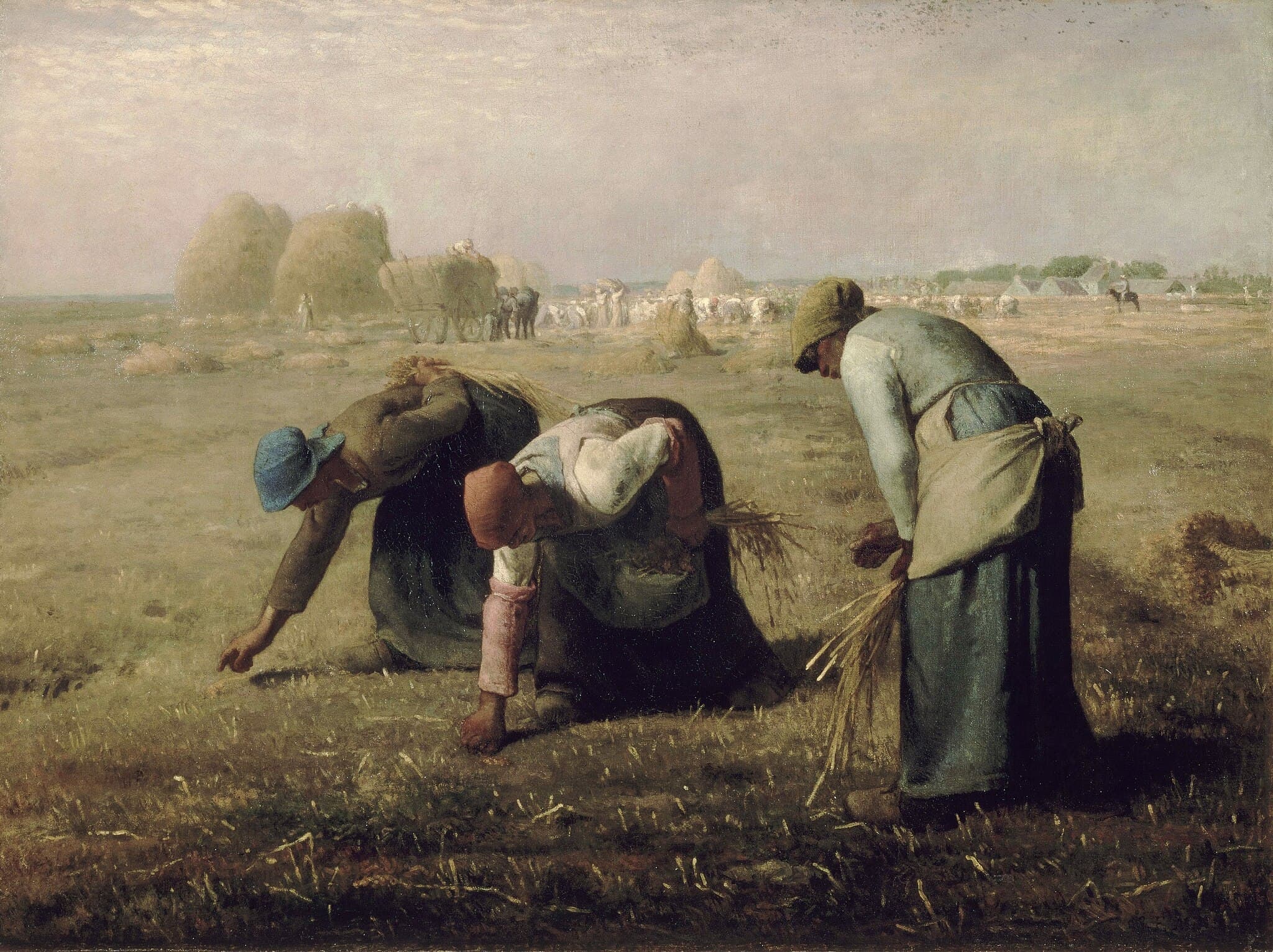
$120-200 million
As an inalienable French national treasure at the Musée d’Orsay, its $120–200M bracket is strictly a hypothetical market/insurance equivalent rather than a sale price.
See full valuation →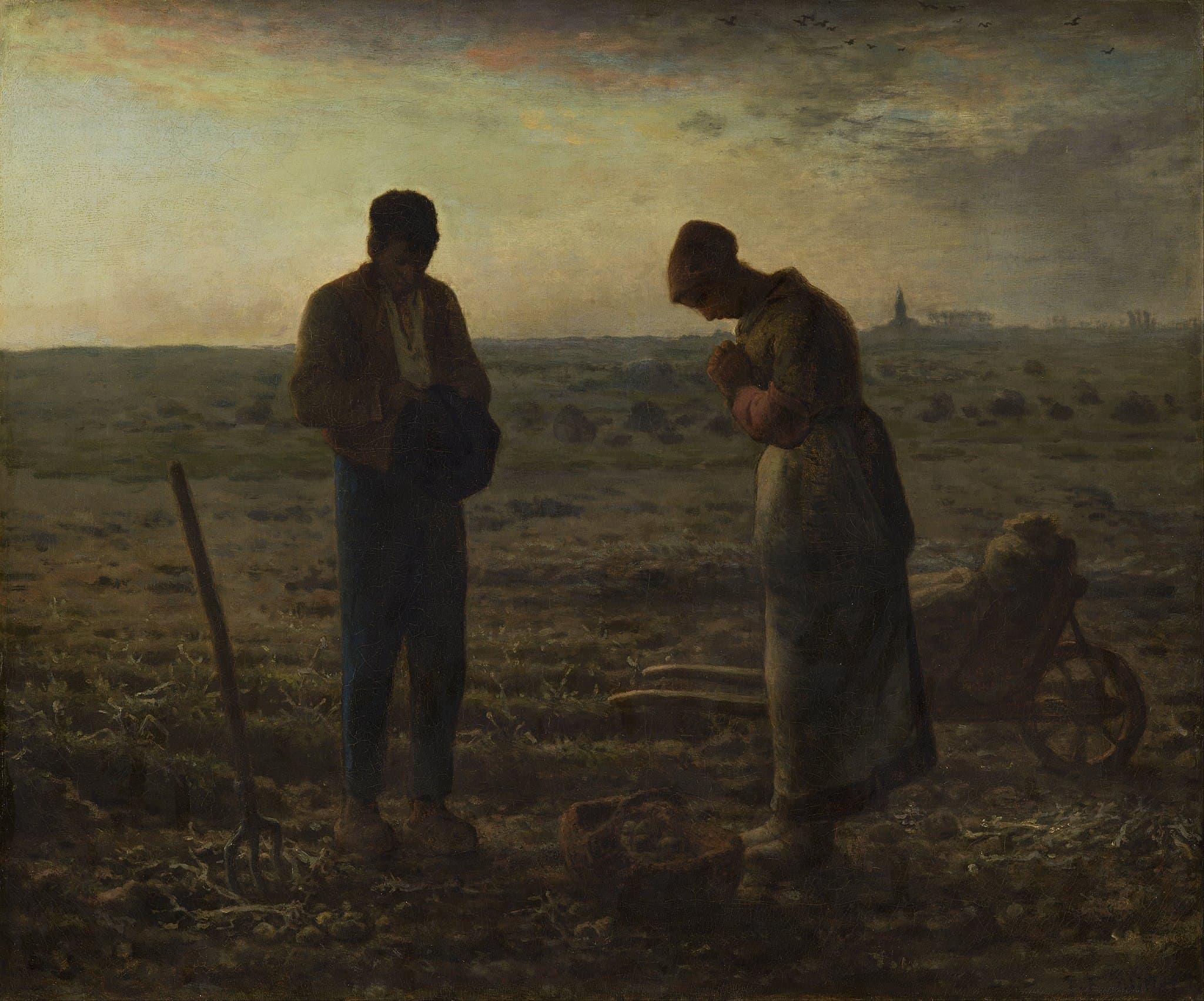
$80–110 million
Although inalienable in French collections, the $80–110M estimate reflects trophy‑level comparables among canon‑defining 19th‑century French masterpieces used for insurance/indemnity benchmarking.
See full valuation →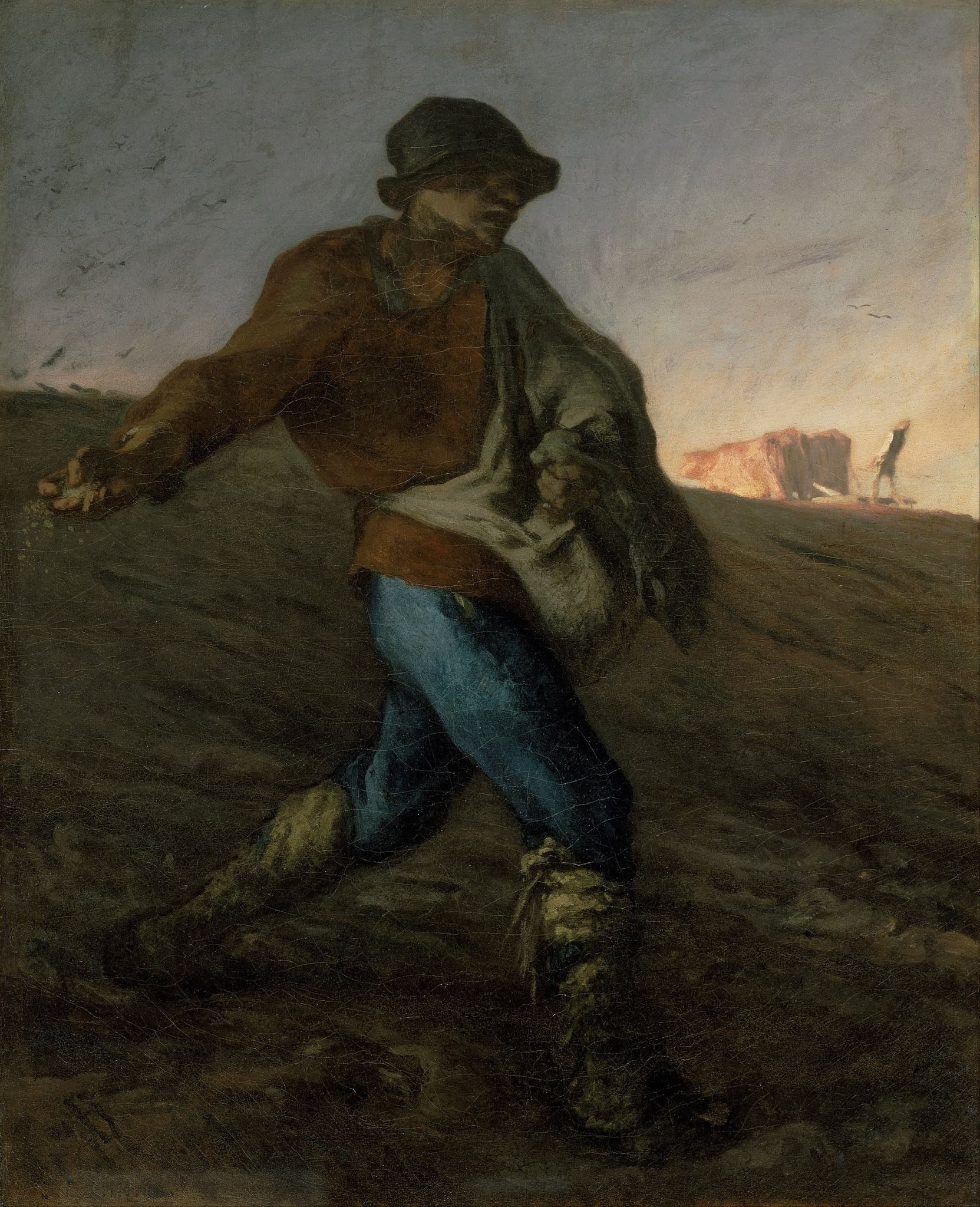
$5,000,000–$25,000,000
This $5–25M range assumes an authenticated, museum‑quality autograph 1850 oil, with likely outcomes toward the low end absent blockbuster provenance or exhibition history.
See full valuation →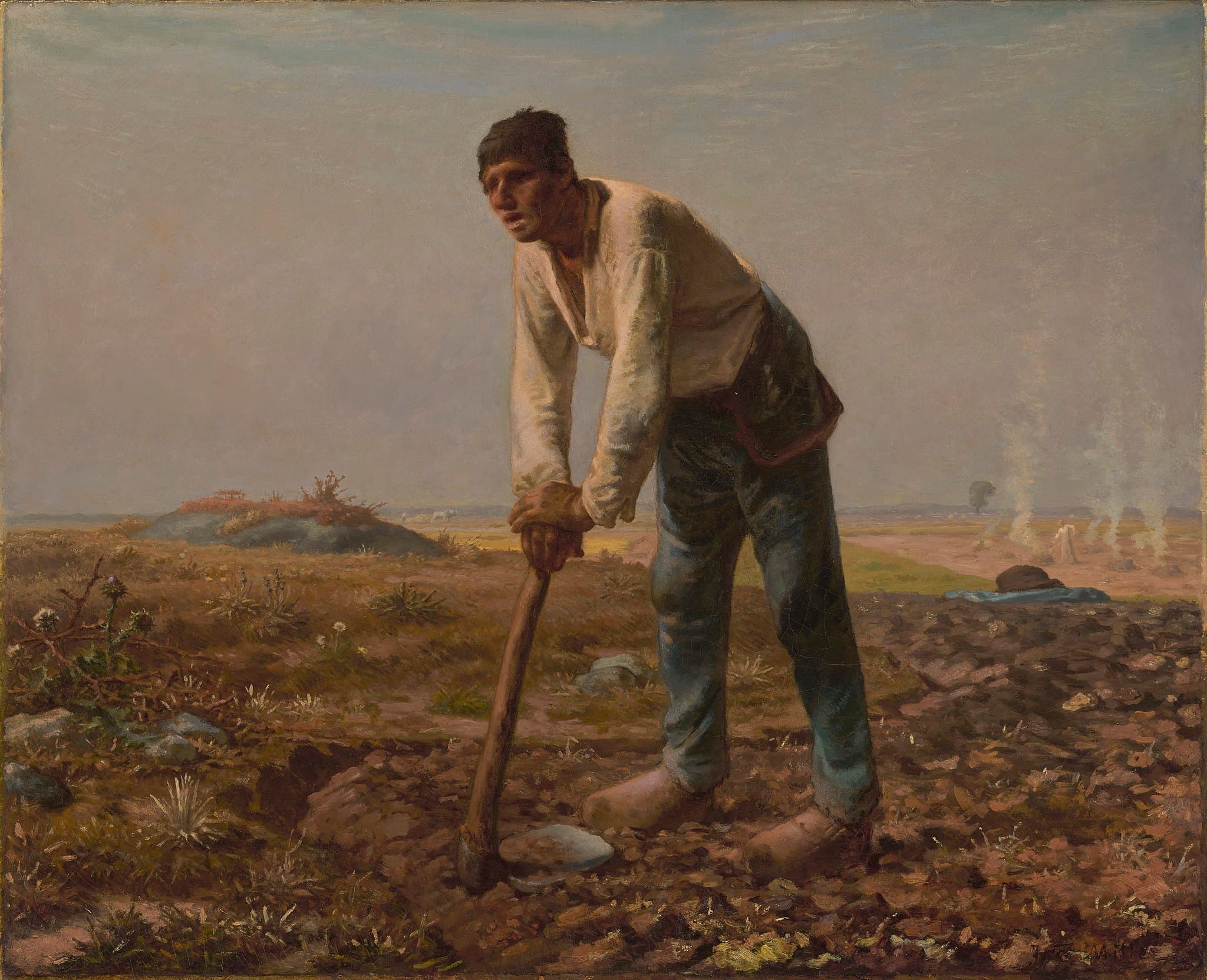
$3,000,000–$15,000,000
The $3–15M band applies only to an autograph, museum‑quality Man with a Hoe; workshop variants and weak provenance commonly reduce value into six‑figure ranges.
See full valuation →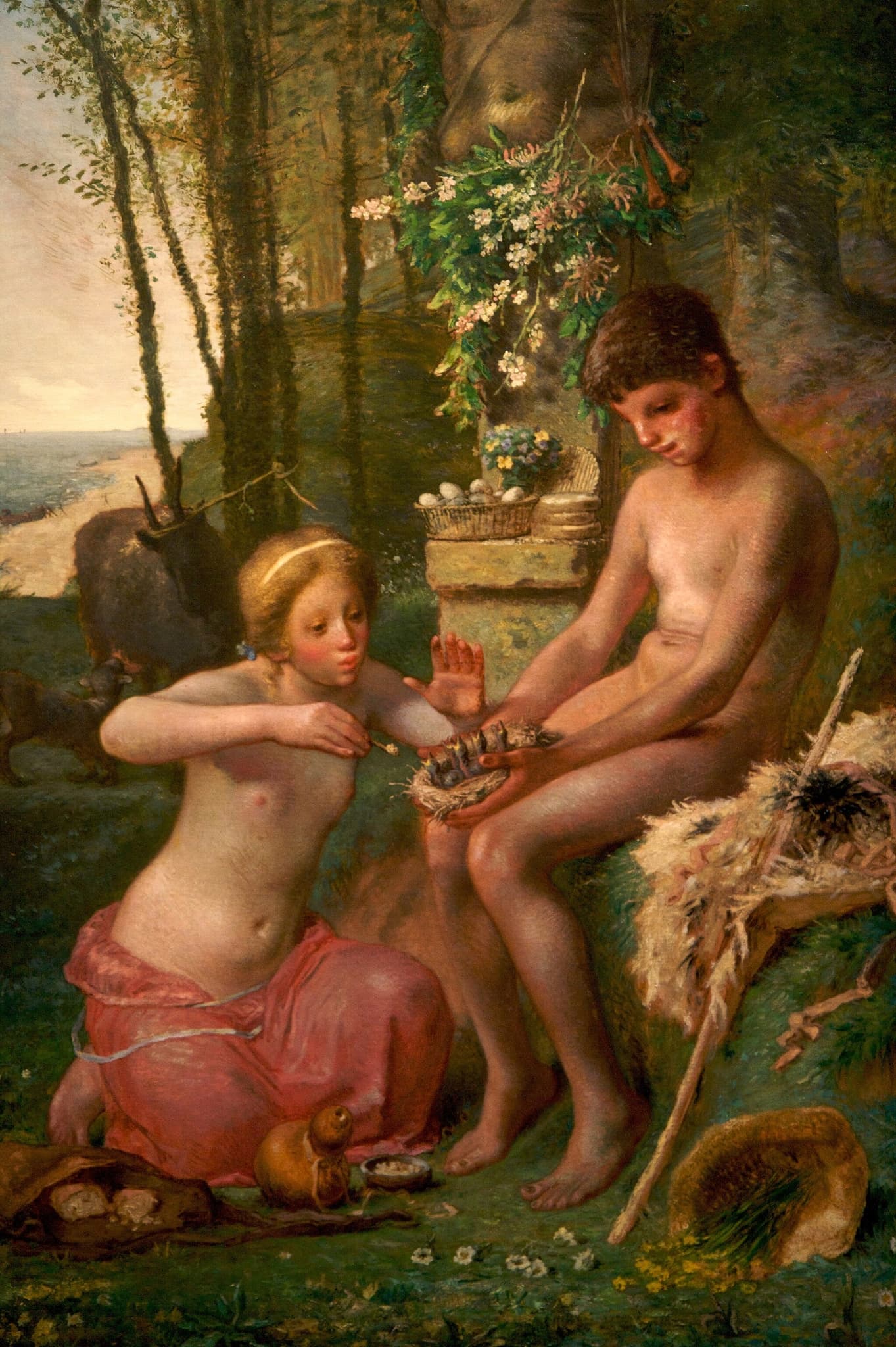
$2,000,000–$8,000,000
Given its large autograph format and Matsukata/NMWA provenance, the $2–8M estimate presumes a clean deaccession or private‑treaty sale under marketable condition.
See full valuation →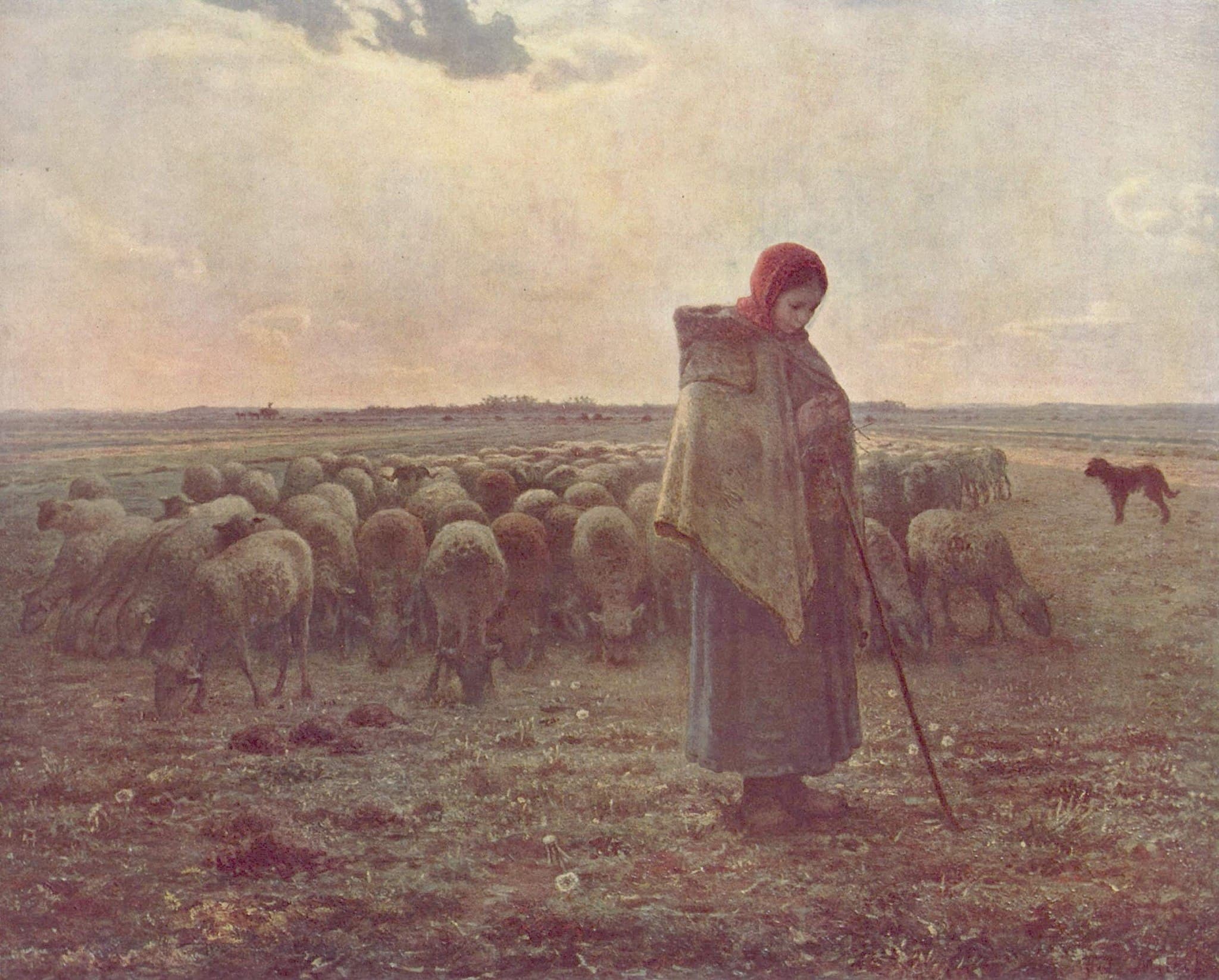
$2.5-7.5 million
Held by the Musée d’Orsay with Salon provenance, its $2.5–7.5M hypothetical range reflects premiums for finished oils and long public ownership.
See full valuation →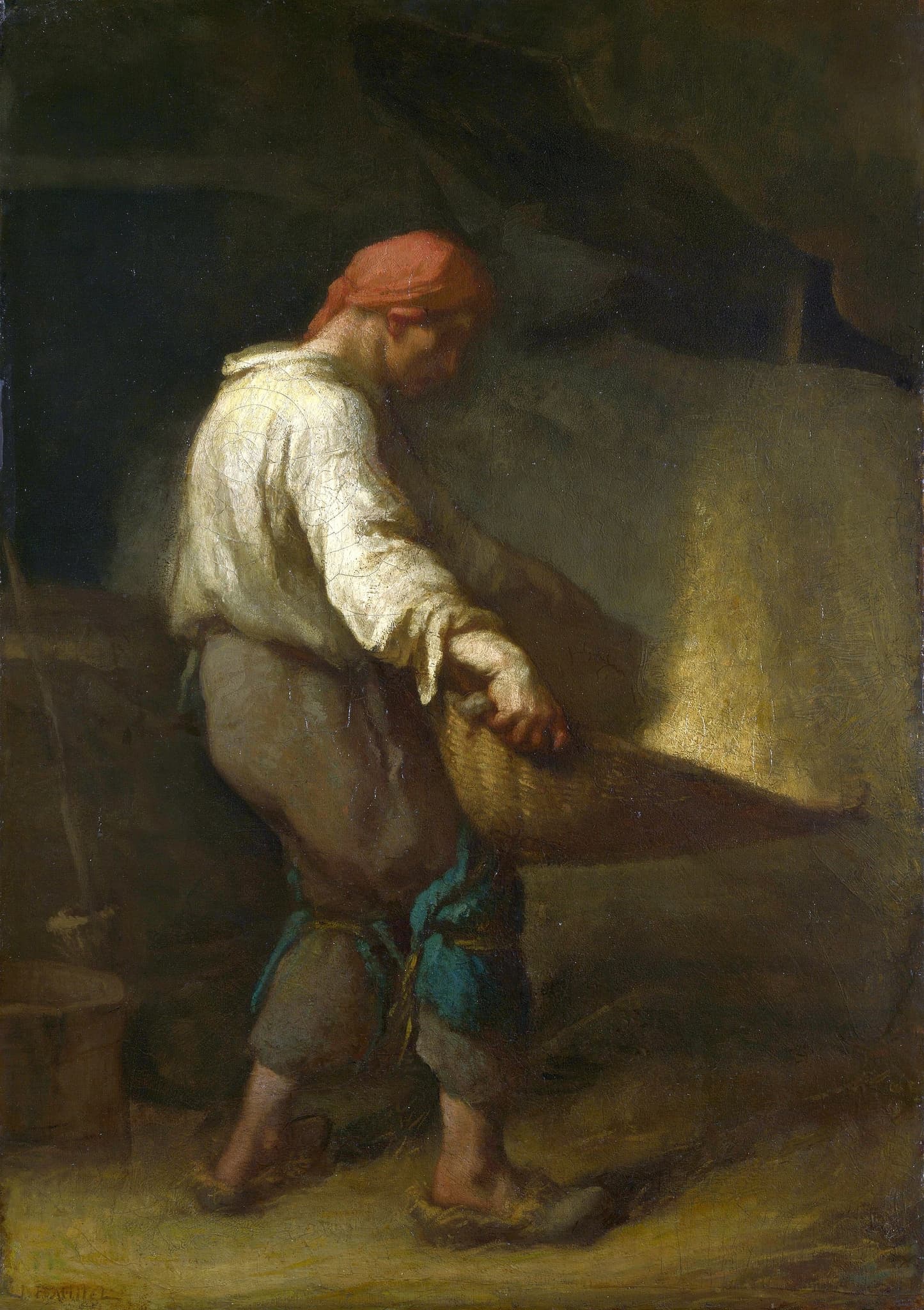
$1,000,000–$5,000,000
The $1–5M estimate for The Winnower is anchored to National Gallery principal‑version provenance and Millet auction patterns where oils trade above works on paper.
See full valuation →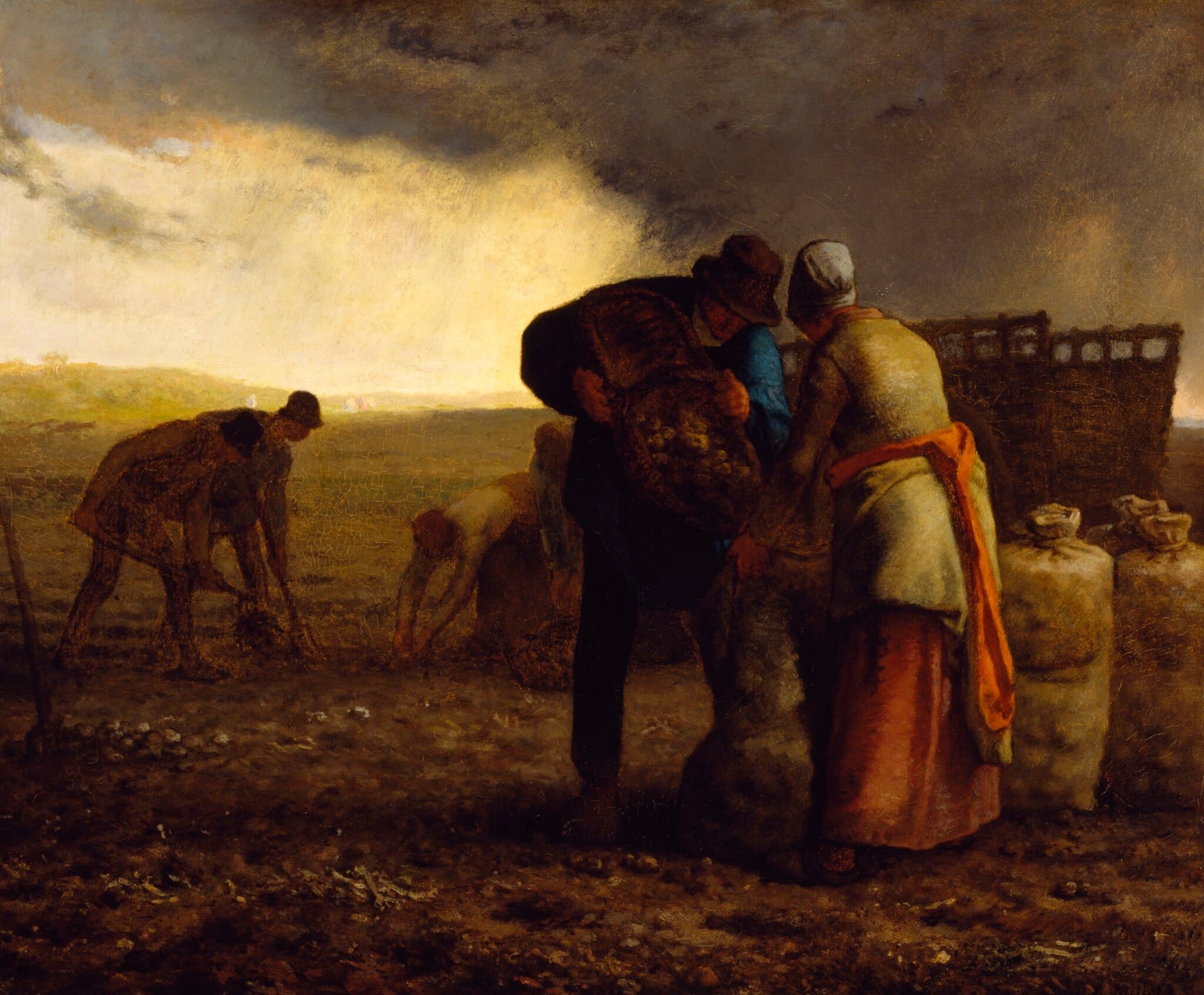
$1,000,000–$3,500,000
As a Walters museum‑held mature‑period Millet, the $1–3.5M bracket recognizes secure provenance and typical mid‑19th‑century Barbizon oil market behavior.
See full valuation →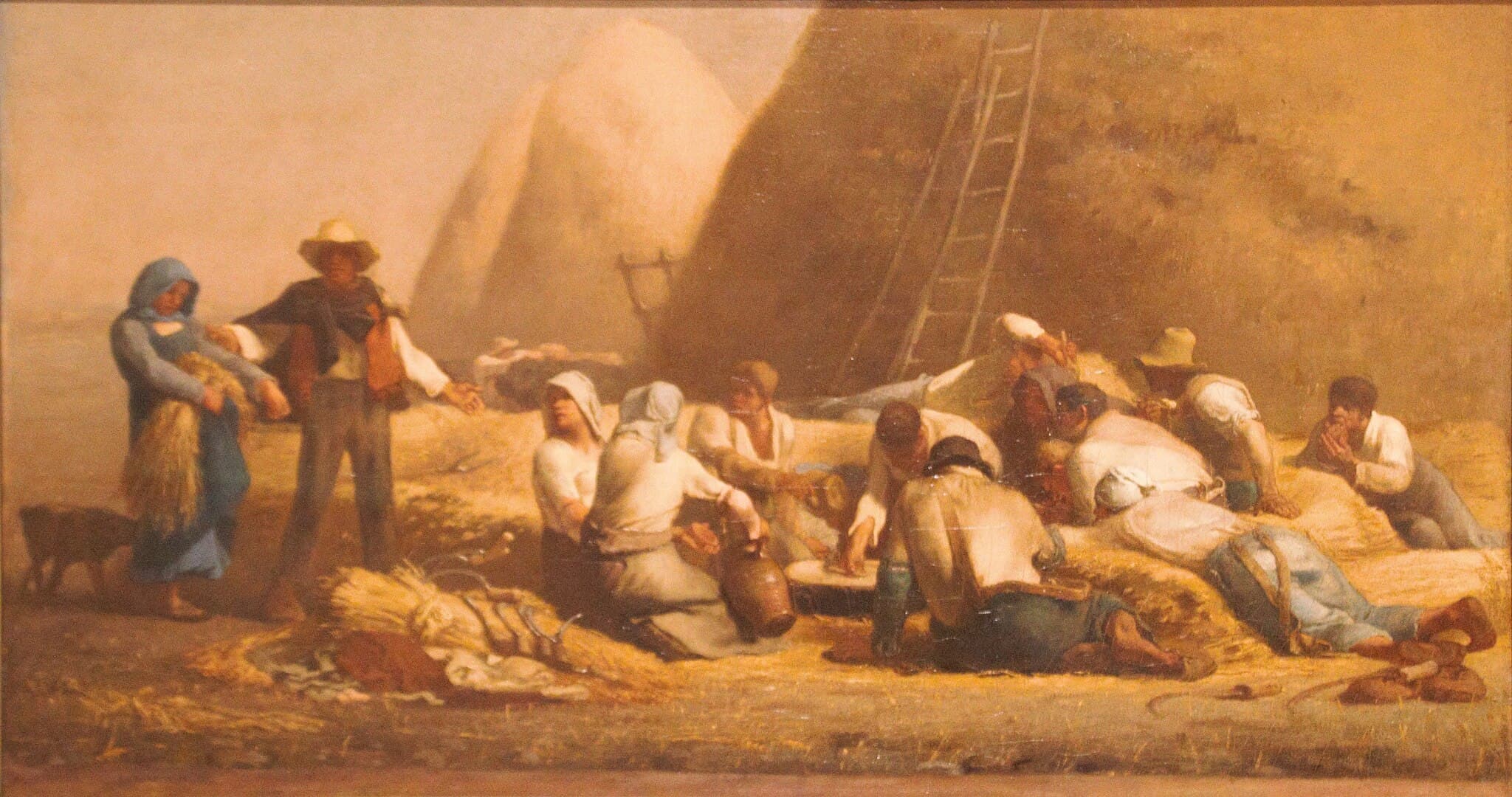
$1,000,000 - $3,000,000
With early MFA Boston provenance and no modern auction record, the $1–3M estimate reflects a hypothetical public sale contingent on technical confirmation and condition.
See full valuation →$150,000-$1,200,000
The $150k–1.2M range presumes an autograph mid‑size oil in sound condition, with substantially lower values likely if attribution or condition are compromised.
See full valuation →What Drives Value in Jean-Francois Millet's Work
Canonical iconic compositions (The Gleaners, The Angelus)
Millet’s few universally recognized images — above all The Gleaners and The Angelus — carry a trophy premium that far exceeds typical Millet works. Their textbook‑level cultural penetration, exhibition history and celebrity (e.g., Dalí’s engagement with The Angelus) place them in a cross‑category bracket where buyers pay multiples beyond routine oils. In short, whether a canvas is one of Millet’s named icons is the single most direct determinant of nine‑figure vs mid‑six‑figure pricing.
Attribution certainty amidst multiple versions (The Sower, The Winnower, Man with a Hoe)
Millet repeatedly painted motifs and left studio variants, so secure attribution (catalogue‑raisonné entry, IRR/X‑ray, pigment/ground analysis) converts uncertain examples into high‑value museum‑quality canvases. For subjects like The Sower, The Winnower and Man with a Hoe, an unequivocal autograph attribution multiplies value by orders of magnitude; ambiguous or workshop variants collapse marketability into much lower bands. Technical dossiers therefore directly determine whether a painting reaches the top estimate.
Institutional provenance and French national custody (museum holdings as price amplifiers and supply constraints)
Many of Millet’s finest canvases sit in major museums (The Gleaners, The Angelus in French collections; Shepherdess and others at the Orsay, Walters, MFA Boston). Institutional provenance both elevates perceived value and removes practical liquidity: state inalienability or rare deaccessions turn market estimates into insurance/indemnity figures rather than true‑sale comparables. Thus museum custody is simultaneously a strong value enhancer and a supply‑driving constraint specific to Millet.
Scale and uncommon subject/period works (Le Printemps, allegories, large canvases)
Large or atypical Millet canvases — late allegorical projects like Le Printemps or biblically framed works such as Harvesters Resting — attract institutional interest different from routine peasant genre scenes. Their uncommon subject matter, monumental scale and documented exhibition chains (Matsukata/NMWA, Salon appearances) push prices above the mid‑market for midsize harvest scenes (e.g., Potato Harvest). Size and rarity of subject therefore create discrete pricing tiers within Millet’s market.
Market Context
Jean‑François Millet’s auction market is scholarly, selective and stable, driven by durable institutional and collector interest in Barbizon peasant subjects. The public record peaks with a c. $1.985M pastel (Christie’s, New York, 2014), reflecting that top oils are largely museum‑held; works on paper and pastels have generated the strongest public results while typical oils trade in the mid‑five to mid‑six‑figure band and fresh, well‑provenanced examples can reach low‑to‑mid seven figures. Recent activity (notably 2023–26 museum acquisitions and Classic Week interest) has boosted visibility; provenance, exhibition history and attribution remain critical to accessing the upper tiers. Demand trajectory is steady and quality‑driven: scarcity of museum‑grade oils produces a premium for canonical works, but the market stays selective below late‑Impressionist/Modern blue‑chip levels.