Most Expensive Sandro Botticelli Paintings
Sandro Botticelli occupies a singular place in the art market where myth, devotion and the rarity of surviving Renaissance panel paintings converge into some of the most collectible works on earth. At the apex sit universally recognizable icons: The Birth of Venus, commonly valued between $700 million and $1.2 billion, and Primavera, estimated at $800 million to $1.1 billion—both commanding astronomical prices because of their cultural resonance, impeccable provenance and near-mythic status in art history. Equally prized for devotional and artistic virtues are the Madonna of the Magnificat ($220–320 million) and Venus and Mars ($100–300 million), while narrative rarities such as the Adoration of the Magi ($100–150 million) and the allegorical Calumny of Apelles ($30–150 million) attract connoisseurs for their storytelling and preservation. Smaller-scale treasures—Madonna of the Pomegranate, Pallas and the Centaur, Portrait of a Young Man Holding a Roundel, and The Mystical Nativity (each roughly $100–150 million)—illustrate how condition, attribution and scarcity sustain high valuations. Collectors and institutions prize Botticelli for the combination of aesthetic innovation, historical importance and an enduring market appetite that keeps these works at the top of global lists.
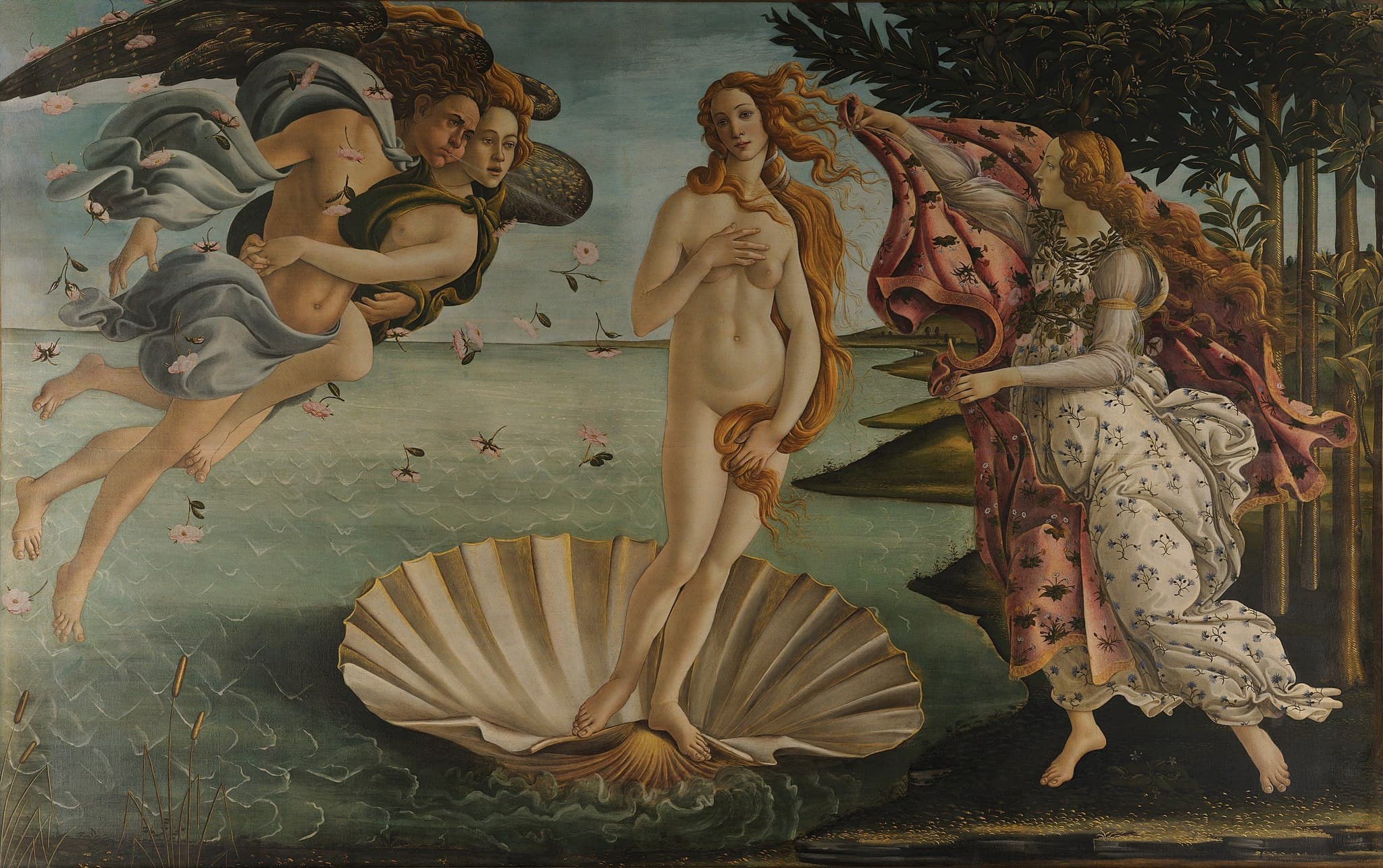
$700 million - $1.2 billion
No public sale history and inalienable Uffizi state property, so its $700M–$1.2B estimate is a hypothetical trophy-market extrapolation from Salvator Mundi and top Renaissance comparables.
See full valuation →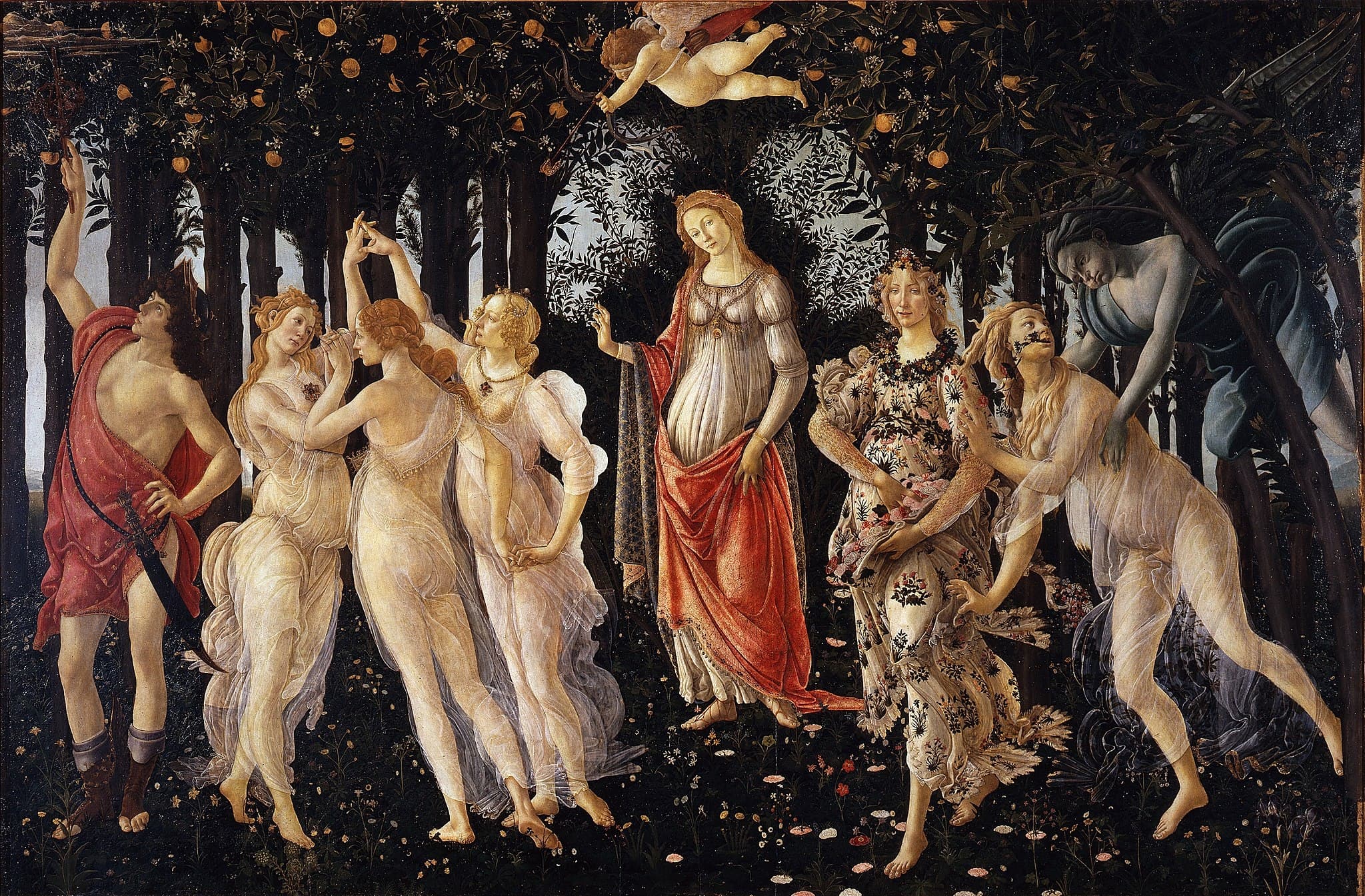
$800 million - $1.1 billion
An inalienable Uffizi national treasure, Primavera’s $800M–$1.1B figure is a theoretical insurance-style valuation benchmarking Botticelli’s auction ceiling and global trophy comparables.
See full valuation →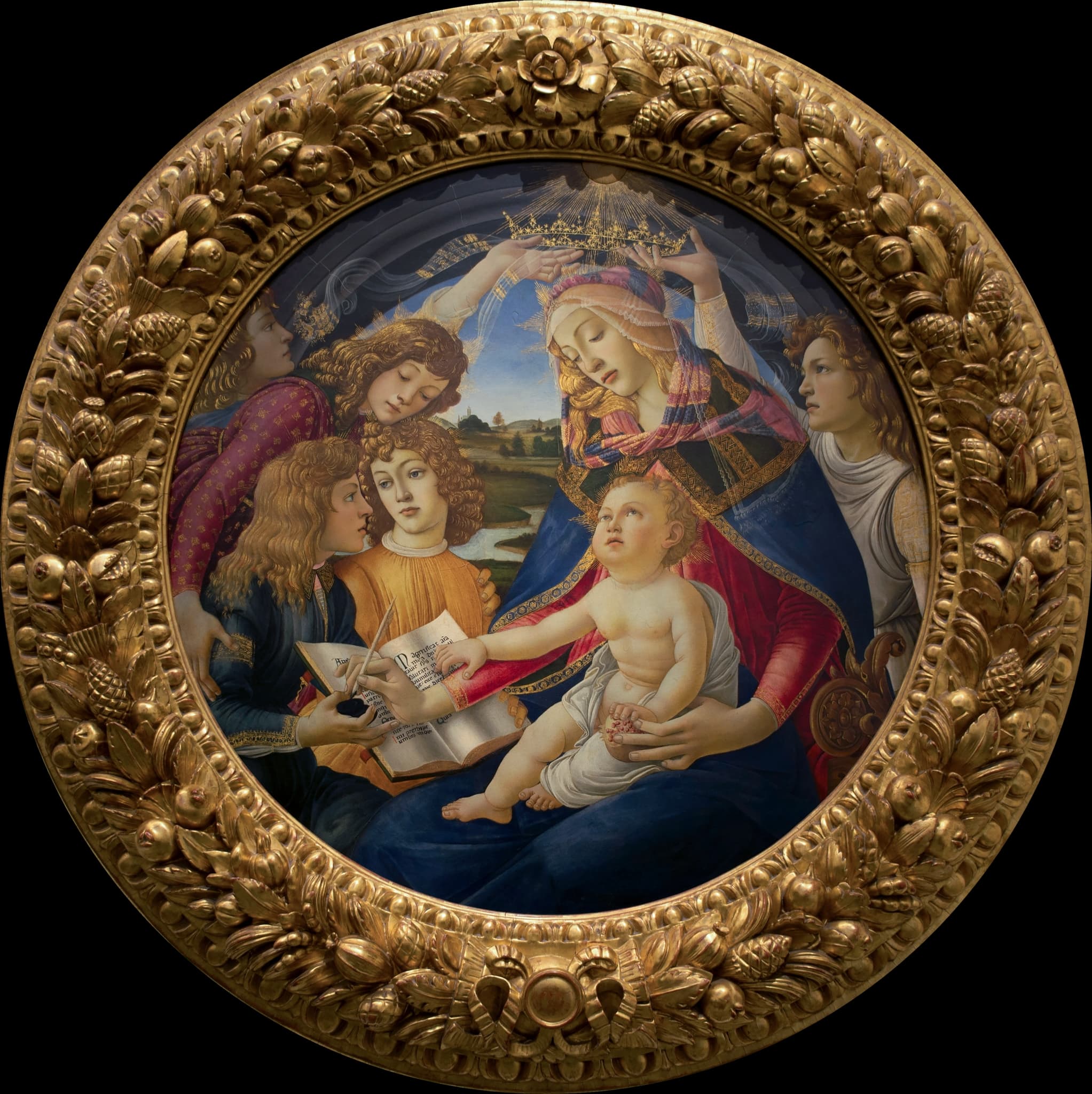
$220-320 million
Hypothetical unrestricted-market valuation of $220–$320M reflects Botticelli’s $92.2M auction record and a $48.48M Madonna tondo comparable, scaled for canonical status and size.
See full valuation →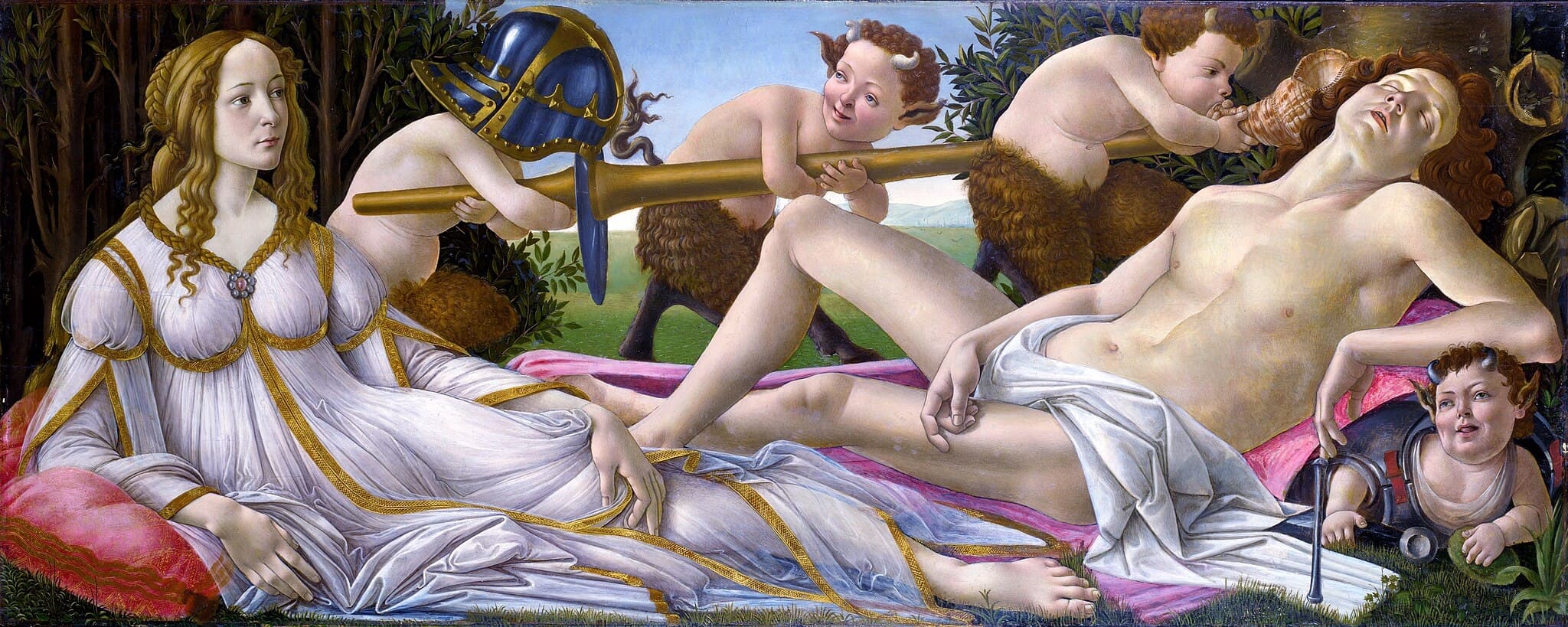
$100-300 million
If legally saleable, the National Gallery’s Venus and Mars is estimated at $100–$300M, reflecting high-end Botticelli auction benchmarks, canonical status, and condition/provenance constraints.
See full valuation →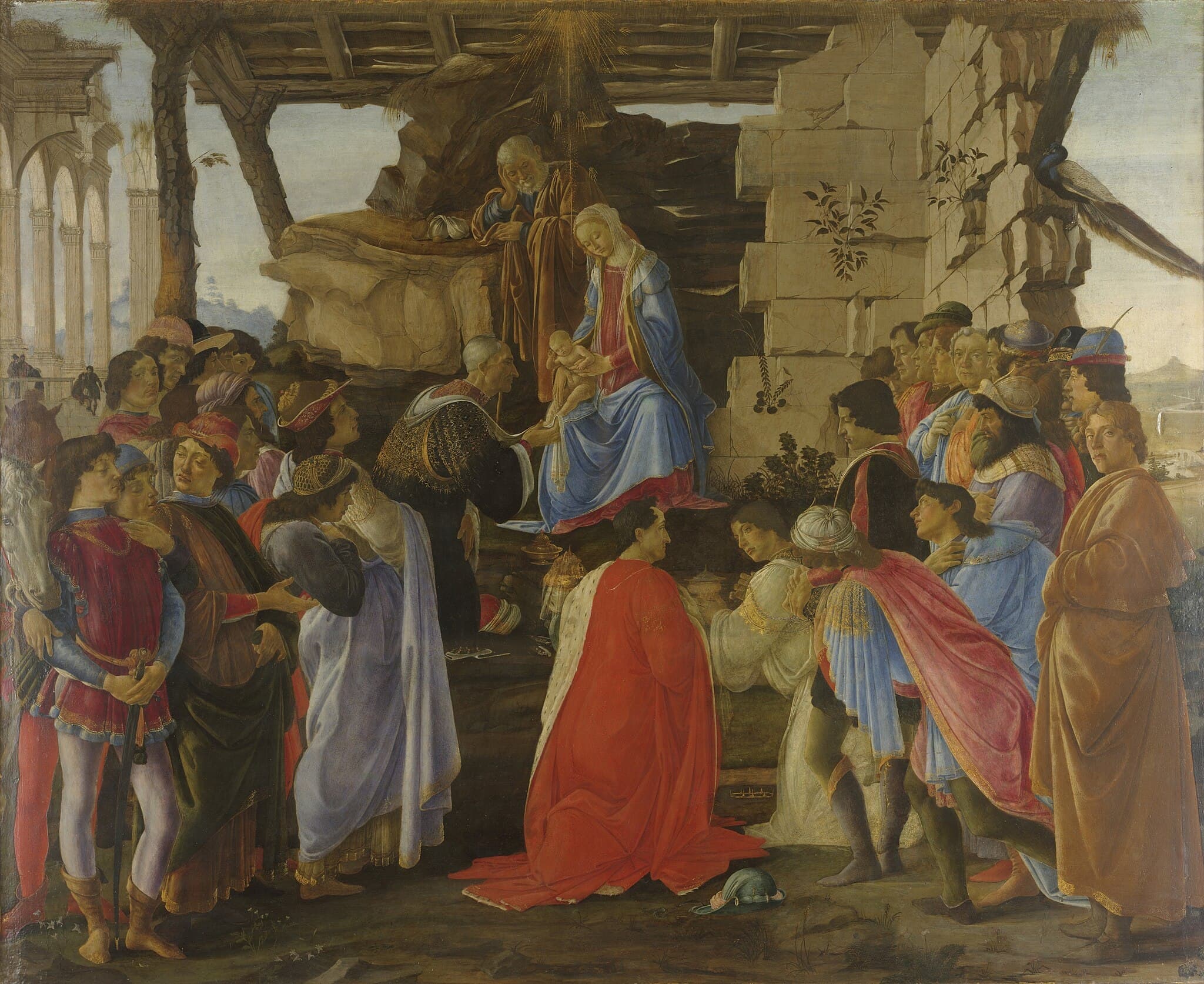
$100-150 million
Assuming an autograph, museum‑quality Botticelli Adoration of the Magi, the $100–$150M valuation derives from recent Botticelli auction highs and the limited institutional buyer pool.
See full valuation →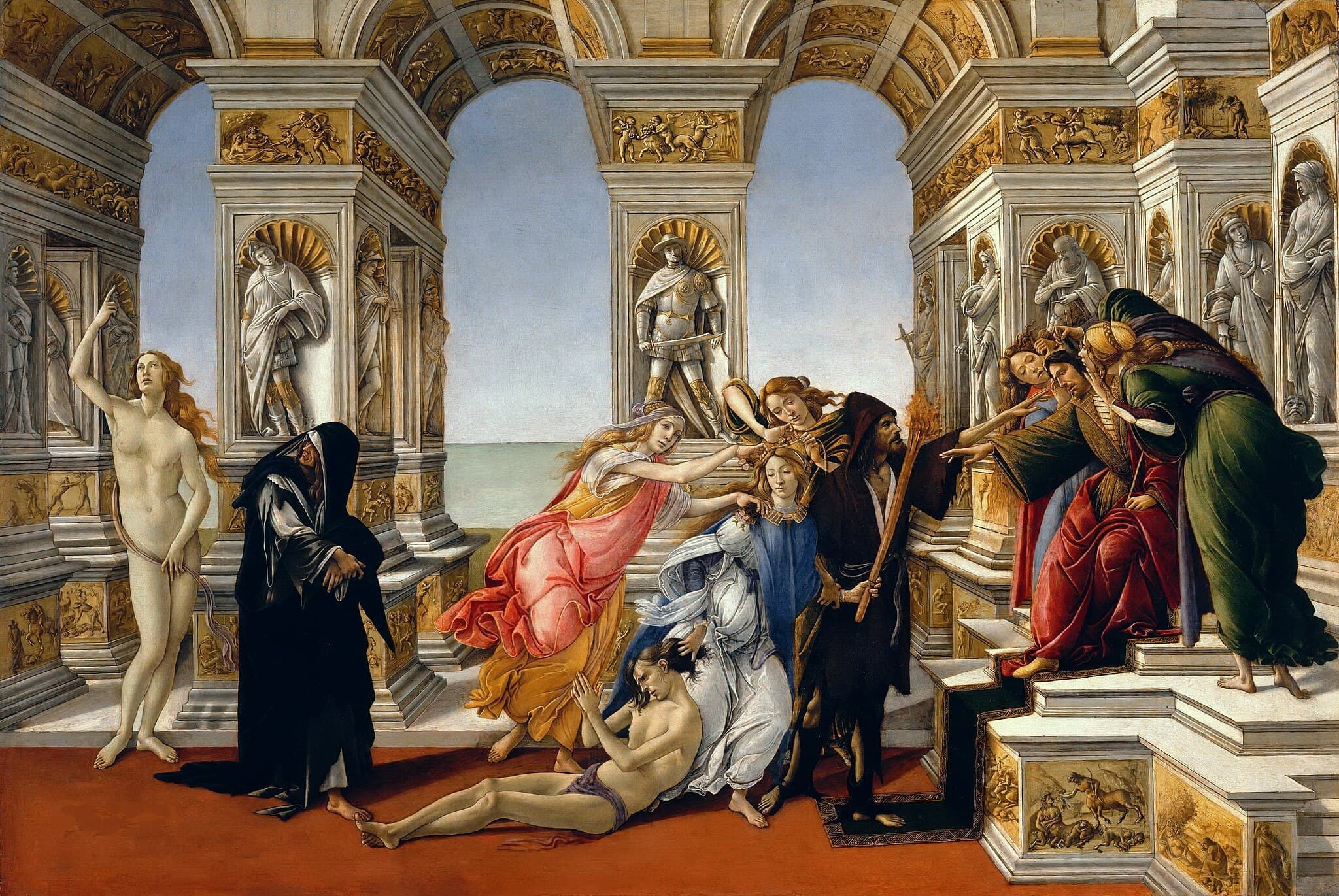
$30-150 million
As an effectively off‑market Uffizi masterpiece, Calumny’s hypothetical sale band is $30–$150M (most likely $30–$80M) assuming legal permission to sell and confirmed autograph status.
See full valuation →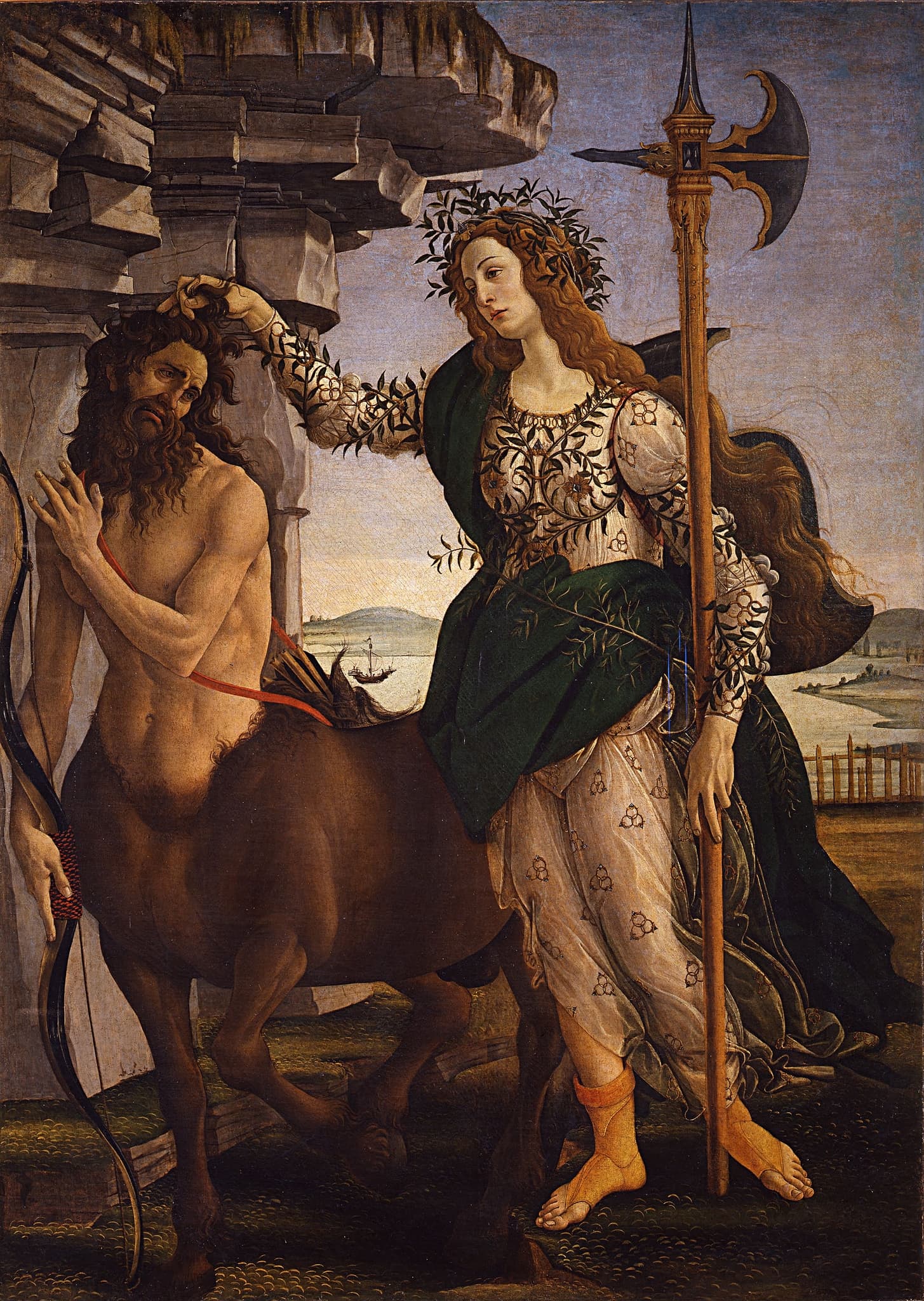
$100-150 million
Were it transferable with clean title, Uffizi Pallas and the Centaur is estimated at $100–$150M, grounded in autograph-sale precedents but effectively unsellable under Italian cultural‑heritage law.
See full valuation →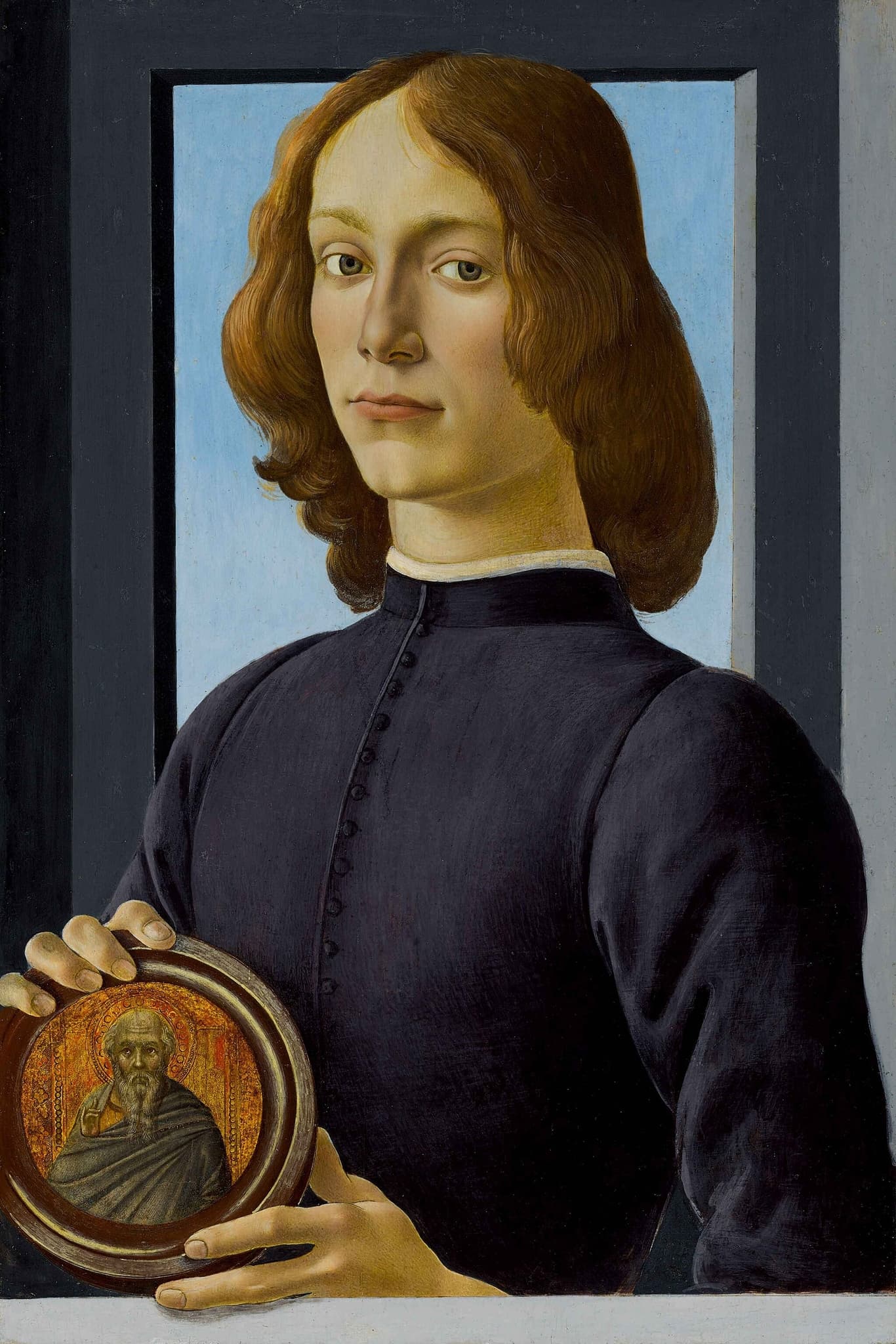
$100-150 million
Assuming accepted autograph attribution, excellent condition and clear exportability, Portrait of a Young Man Holding a Roundel is valued at $100–$150M, anchored to the 2021 Sotheby’s Botticelli record.
See full valuation →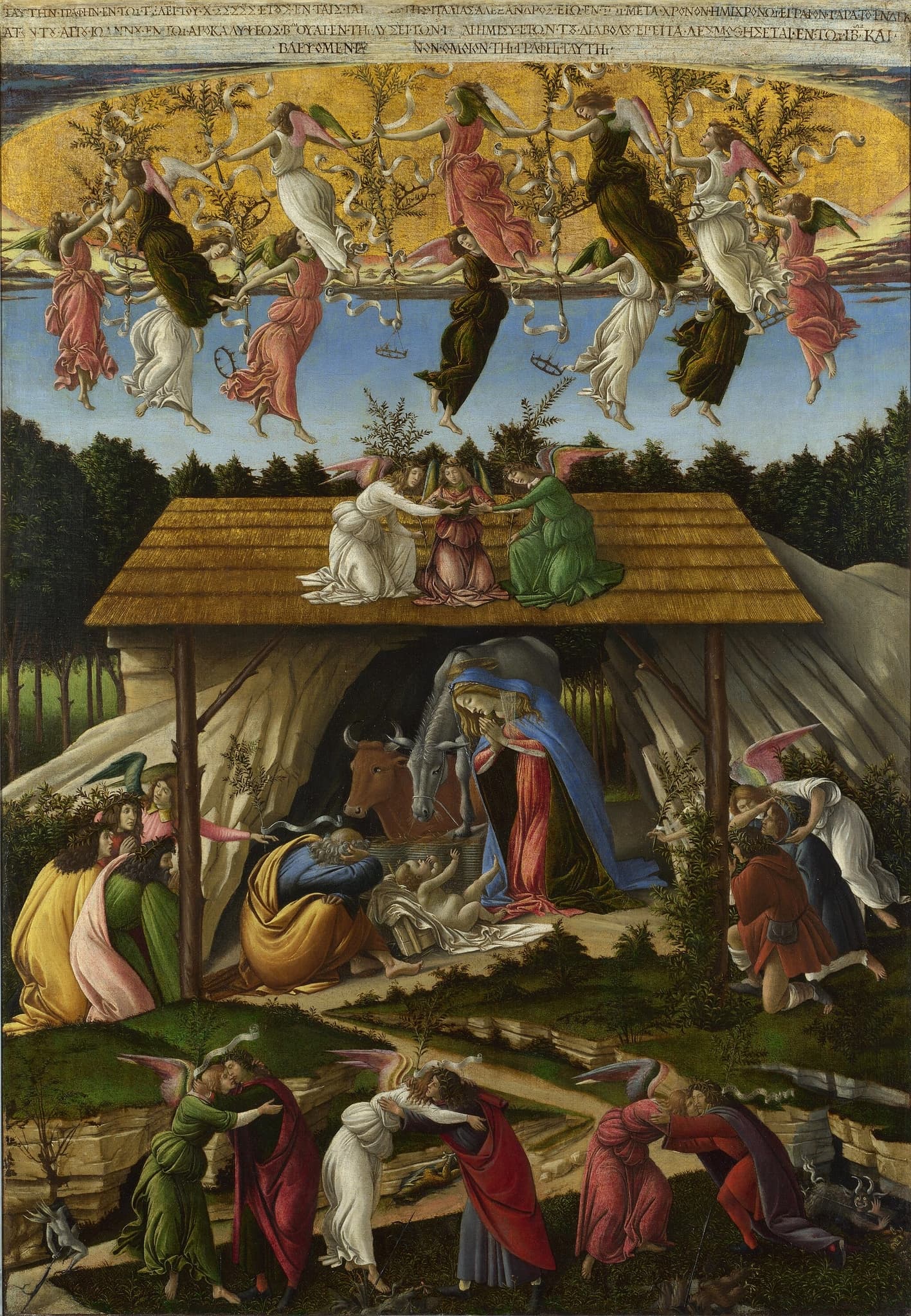
$100-150 million
The National Gallery’s Mystical Nativity carries a theoretical insurance/deaccession value of $100–$150M, derived from recent top Botticelli auction results despite being museum‑held and off‑market.
See full valuation →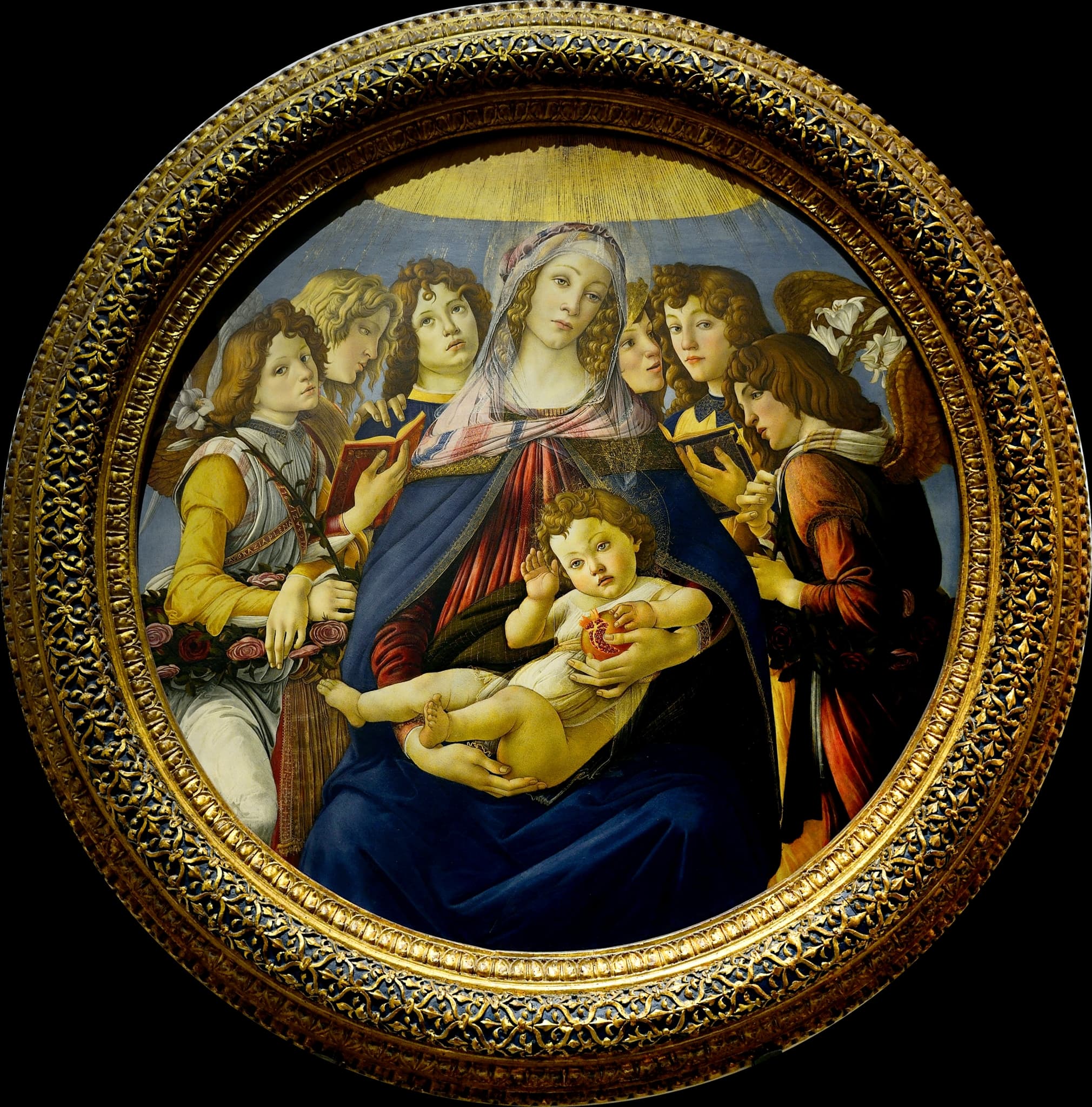
$100-150 million
A securely attributed, museum‑quality Botticelli tondo would command roughly $100–$150M; workshop attribution or attribution uncertainty would reduce its value by orders of magnitude.
See full valuation →What Drives Value in Sandro Botticelli's Work
Canonical mythological masterpieces (iconicity and trophy premium)
For Botticelli the large mythological panels — notably The Birth of Venus, Primavera, Pallas and the Centaur and Venus and Mars — form a separate price strata. These images are culturally non‑fungible, instantly recognizable worldwide, and attract cross‑category trophy bidders. Market history (the artist’s $92.2M portrait versus the hypothetical ceiling for Venus/Primavera) shows mythological primacy drives valuations far above routine Old Master comparables when a panel is securely attributed and saleable.
Tondo Madonnas and Marian imagery (format-driven premium)
Botticelli’s large tondi — especially Madonna of the Magnificat and Madonna of the Pomegranate — carry a distinct market cachet tied to format, devotional subject and display impact. The circular composition, scale (e.g., 118 cm diameter) and canonical Marian iconography produce ‘wall power’ prized by museums and collectors. Secure autograph tondi therefore command meaningfully higher bids than similar‑sized portraits or workshop devotional works, reflecting both exhibition utility and scholarly status.
Attribution certainty and technical dossier (binary price effect)
With Botticelli the difference between ‘autograph’ and ‘workshop/follower’ is dramatically binary. Works like Adoration of the Magi, Calumny of Apelles, the Portrait of a Young Man and the Mystical Nativity require IRR underdrawing matches, pigment/binder chemistry and dendrochronology to reach the trophy tier. Authoritative technical reports and leading scholars’ agreement can lift prices into the nine‑figure band; unresolved attribution typically collapses realizable value by orders of magnitude.
Provenance, institutional custody and Italian patrimony (value vs. liquidity)
Many top Botticellis reside in the Uffizi or major museums (Primavera, Birth of Venus, Magnificat, Calumny), which boosts scholarly value but creates acute market friction under Italy’s patrimony rules and UK deaccession norms (Mystical Nativity). Institutional provenance increases hypothetical insurance/ceremonial valuations, yet legal inalienability and export restrictions materially narrow buyer pools and suppress true price discovery; theoretical ceilings assume exceptional deaccession/export permissions that rarely occur.
Market Context
Sandro Botticelli occupies a blue‑chip, supply‑constrained position in the Old Masters market: his auction record is $92.2m (Portrait of a Young Man Holding a Roundel, Sotheby’s 2021), complemented by major results such as $45.4m for The Man of Sorrows (Sotheby’s, 2022) and a rediscovered early work fetching about $12.6m in London (2024). Museum‑quality panels are largely held by institutions, sovereign collections and UHNW buyers, and when securely attributed, Botticellis trigger cross‑category trophy competition. The broader Old Masters segment softened in 2024 on thin trophy supply and macro caution but improved into 2025 as high‑quality consignments, institutional acquisitions and guarantees lifted sell‑through and confidence. Ultimately, scarcity, provenance, condition and scholarly pedigree drive valuations, with demonstrable upside for universally resonant masterpieces.