Most Expensive Henri de Toulouse-Lautrec Paintings
Henri de Toulouse-Lautrec occupies a singular place in the art market: celebrated for his vivid portrayals of Montmartre nightlife and prized for the rarity and cultural cachet of his works, his paintings regularly command seven- and even eight-figure sums. At the top of the list sits At the Moulin Rouge, valued in the extraordinary $100–150 million range, a showpiece whose scale, provenance and iconic depiction of Parisian modernity make it a trophy for major collectors. Other canvases fetch far more modest but still significant prices—La Blanchisseuse (The Laundress) at $30–45 million and Au Lit: Le Baiser (In Bed: The Kiss) at $15–22 million—while intimate portraits like Danseuse assise aux bas roses (Dancer Seated with Pink Stockings) and At the Moulin Rouge: The Dance travel within $10–36 million and $8–30 million bands respectively. Works such as Jane Avril ($6–10 million), Marcelle Lender Dancing the Bolero in "Chilpéric" ($2–8 million) and The Englishman at the Moulin Rouge ($3–8 million) underscore demand for his theatrical subjects, and even lower-tier pieces—La Toilette and La Clownesse Cha-U-Kao—at roughly $1–6 million and $1–5 million remain collectible for their provenance, graphic clarity and the artist’s unmistakable visual voice.
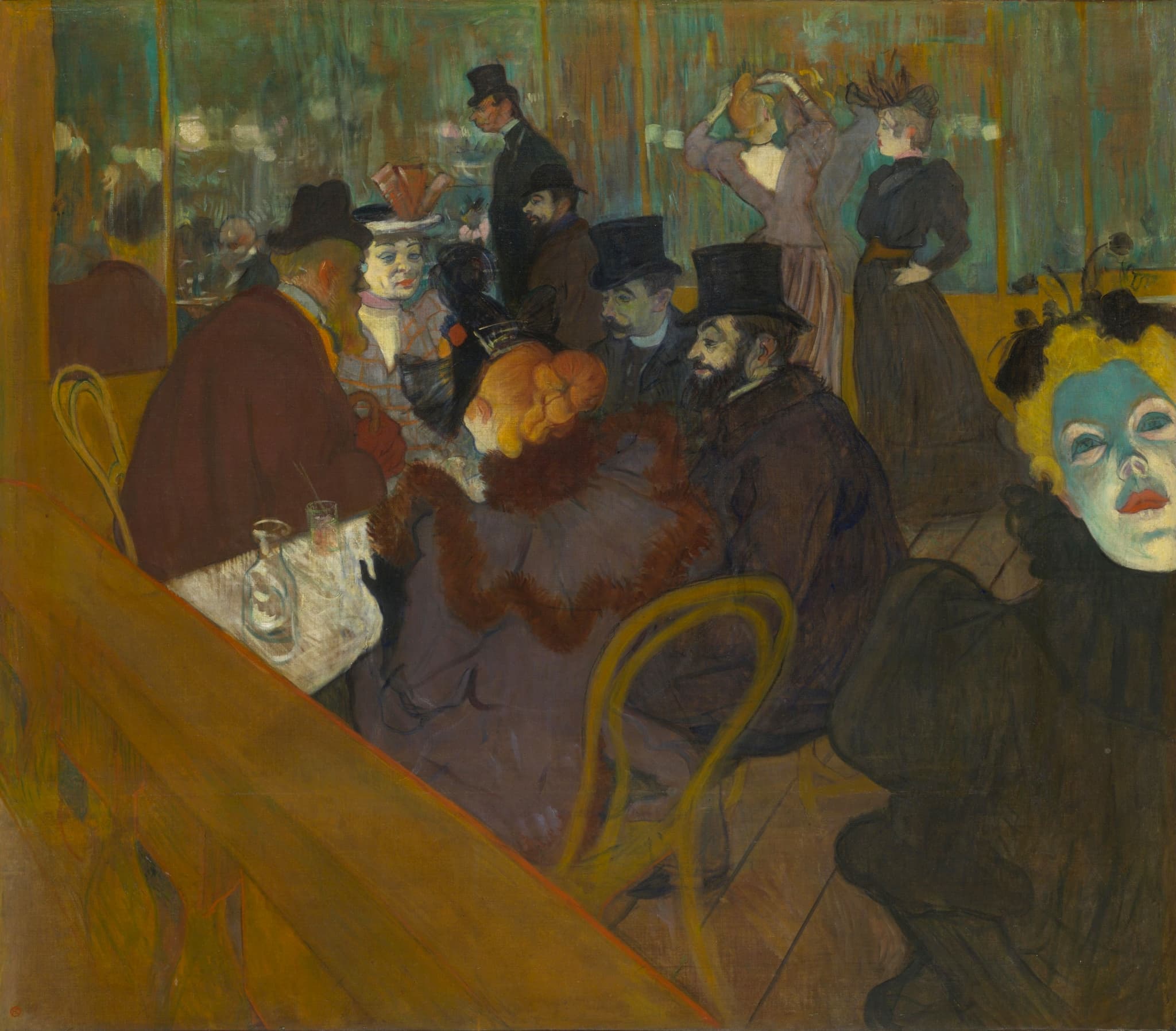
$100-150 million
Henri de Toulouse-Lautrec’s At the Moulin Rouge is a canonical, museum-caliber masterpiece that would command a nine-figure price if offered today.
See full valuation →

$10-36 million
If the work is the identical, authenticated Danseuse assise aux bas roses that Christie's sold in New York on 12 May 1997 (oil/pastel on board, 56.
See full valuation →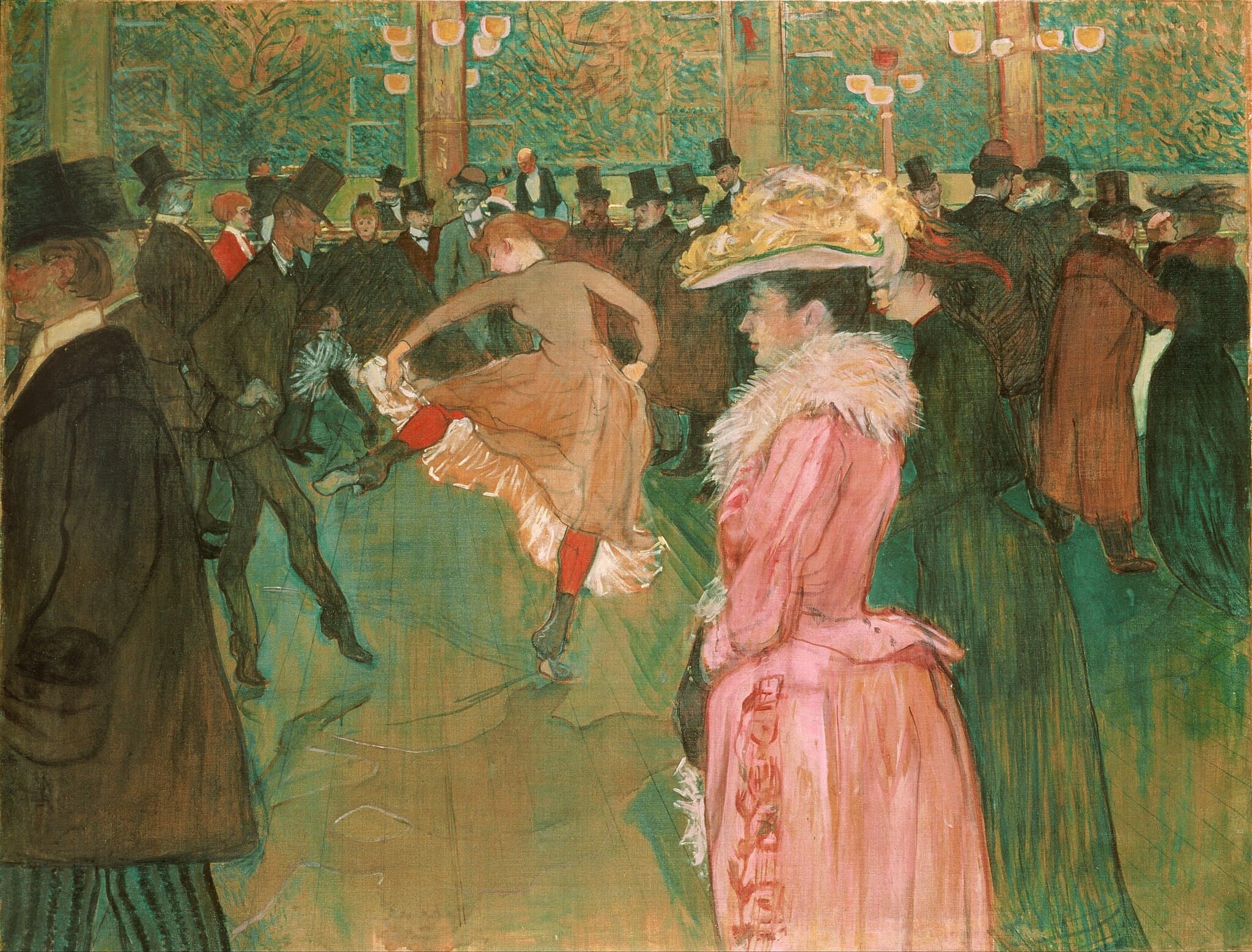

$15-22 million
For an autograph, exhibition‑quality oil (oil/a l’essence on panel or canvas) of Toulouse‑Lautrec’s Au Lit: Le Baiser I estimate a near‑term auction value of $15,000,000–$22,000,000.
See full valuation →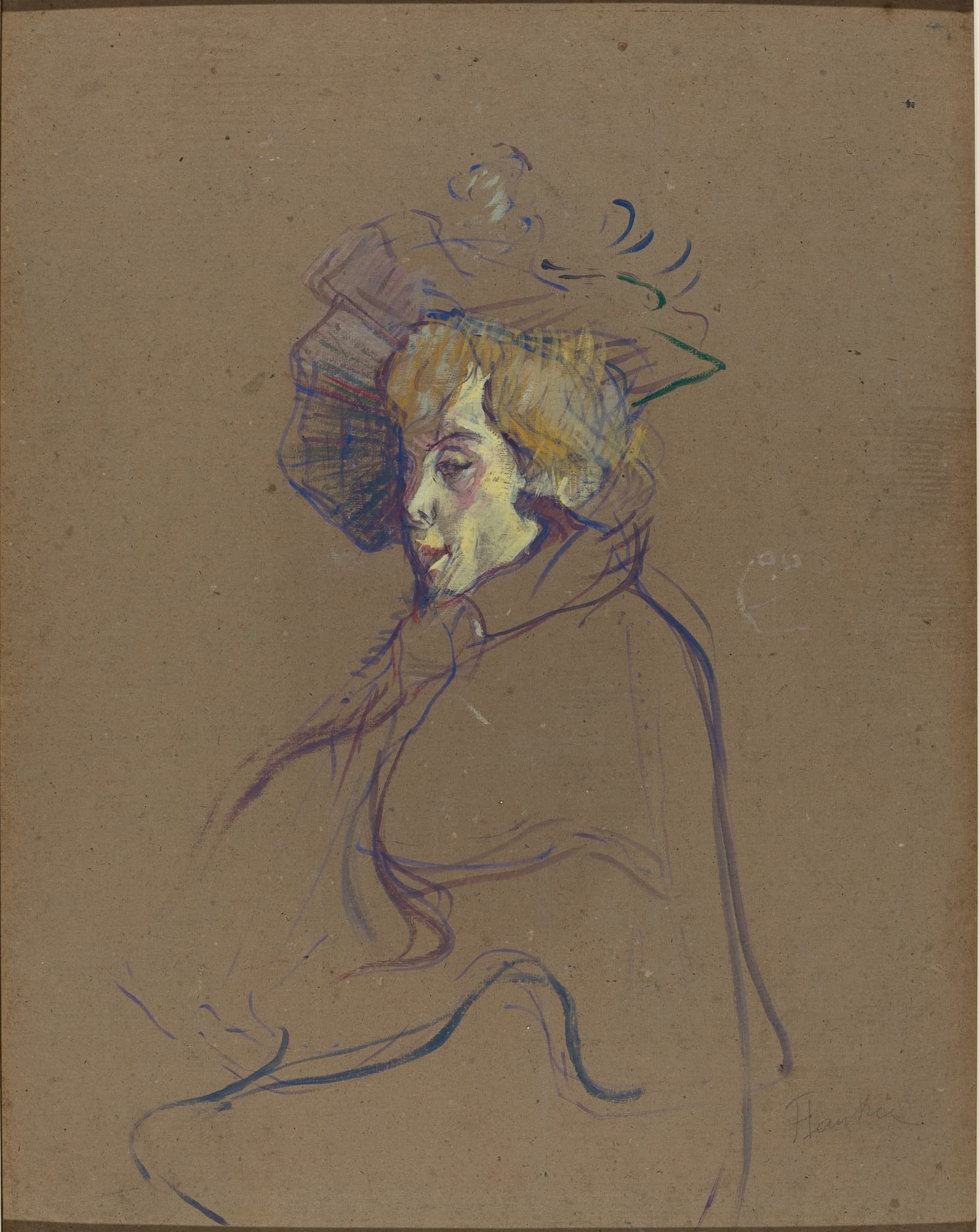
$6-10 million
Hypothetical open‑market value for Henri de Toulouse‑Lautrec’s Jane Avril (c.
See full valuation →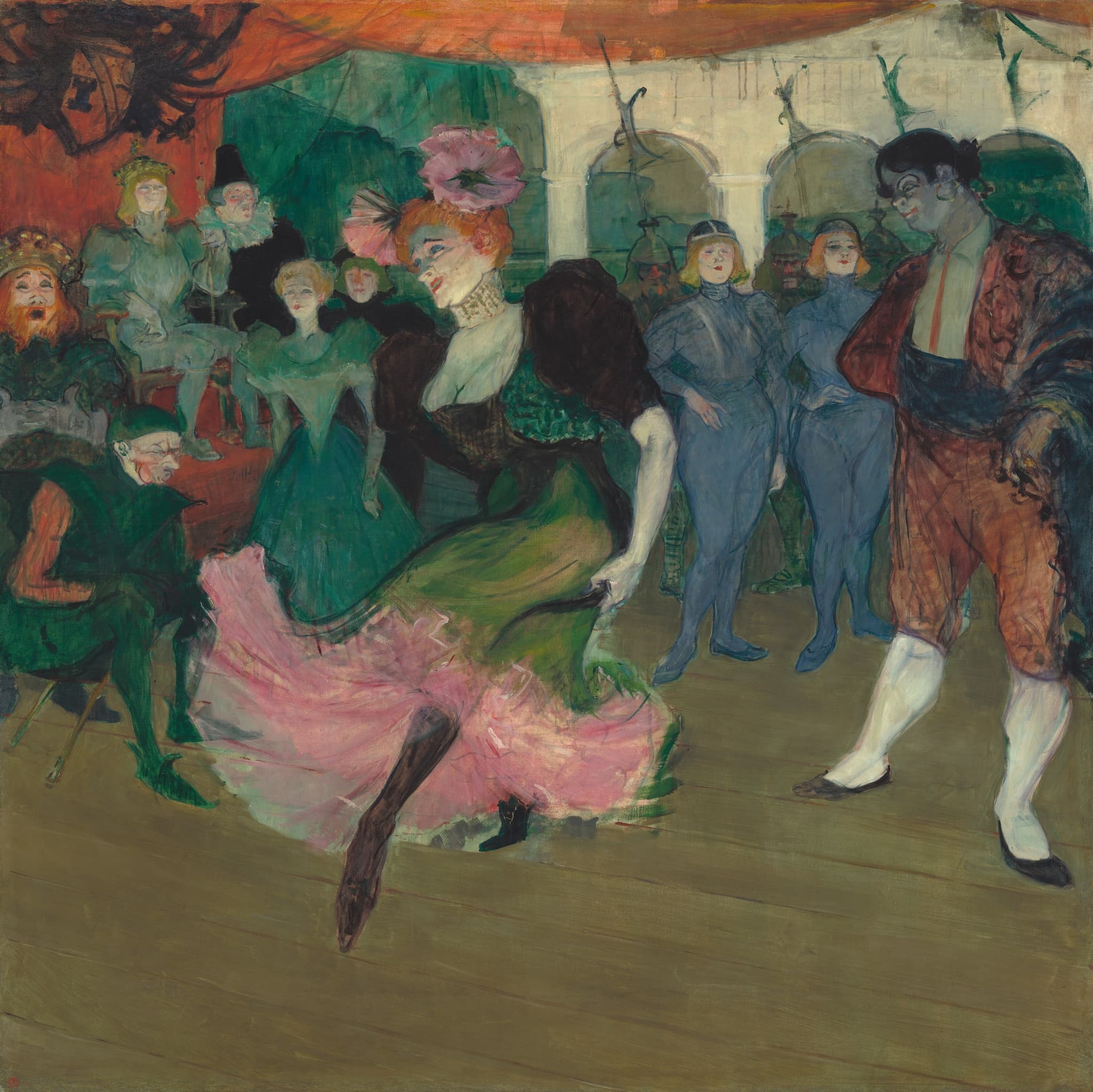
$2.0-8.0 million
Assuming the work is an authenticated Henri de Toulouse‑Lautrec oil-on-canvas 'Marcelle Lender Dancing the Bolero in Chilpéric', I value it at approximately $2.
See full valuation →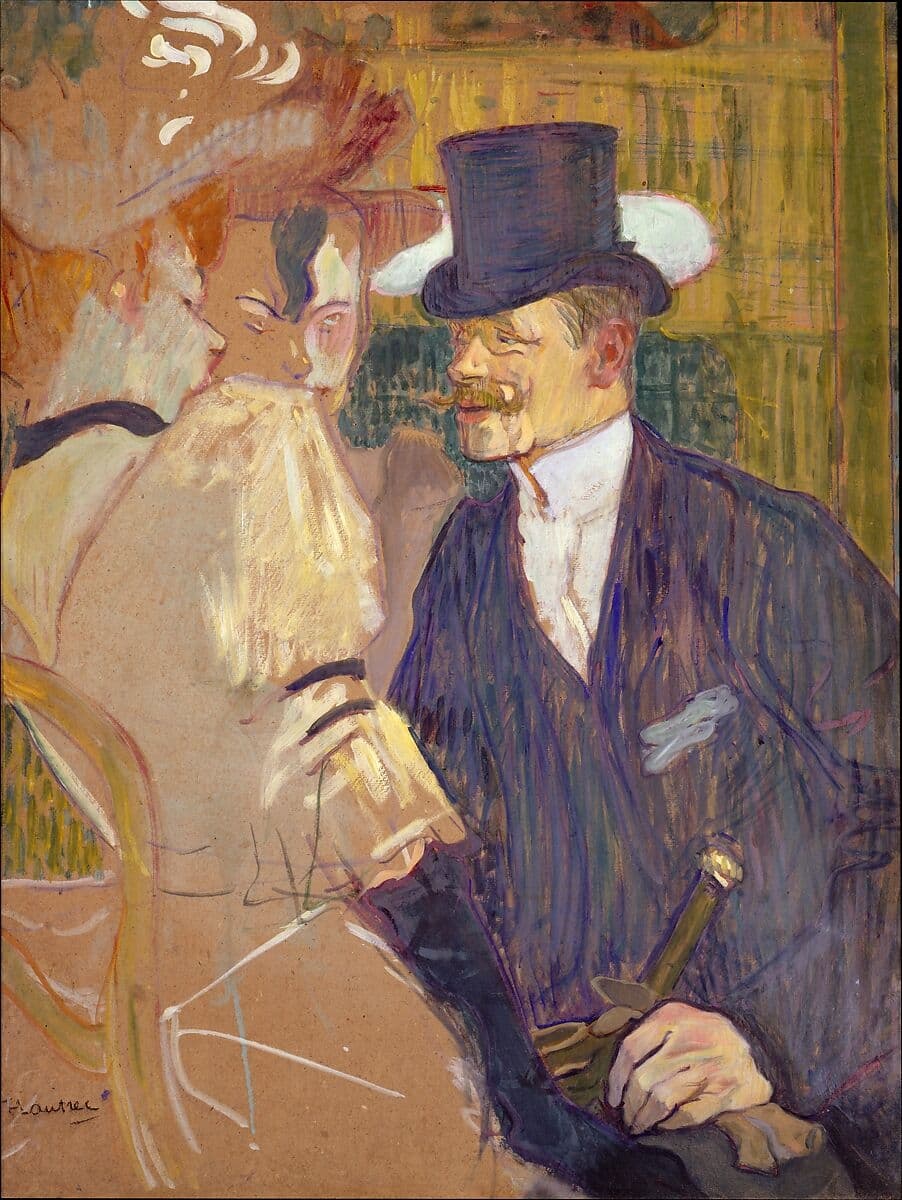
$3-8 million
Hypothetical fair‑market value for Henri de Toulouse‑Lautrec’s The Englishman (William Tom Warrener) at the Moulin Rouge (Met accession 67.
See full valuation →
$1,000,000–$6,000,000
Hypothetical market value for Henri de Toulouse‑Lautrec’s Rousse (La Toilette), 1889 (oil on cardboard, 67 × 54 cm, Musée d’Orsay accession RF 2242) is estimated at USD $1.
See full valuation →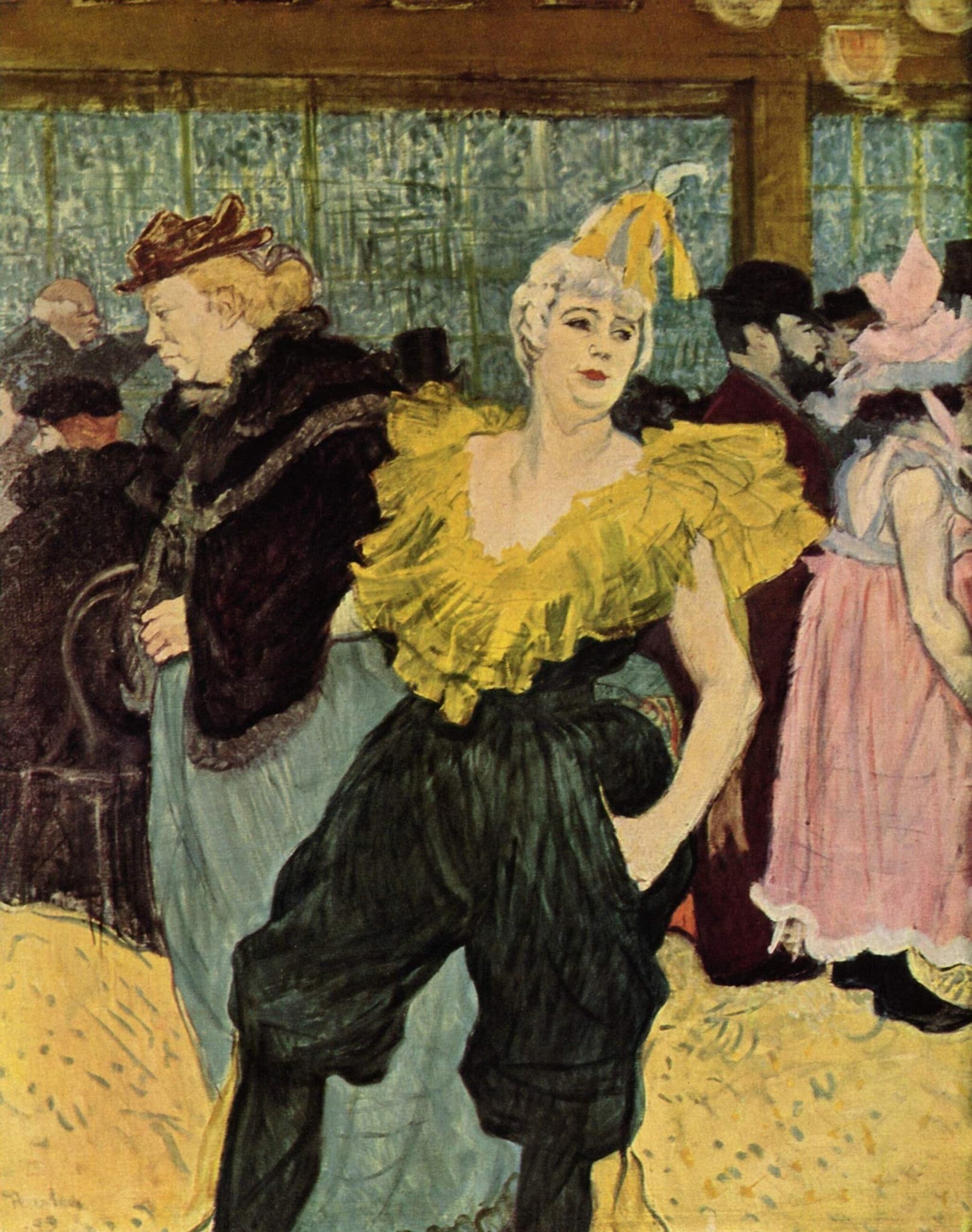
$1,000,000–$5,000,000
For an authenticated oil‑on‑cardboard of Toulouse‑Lautrec’s Cha‑U‑Kao in fair‑to‑good condition with solid provenance, a realistic market range is US$1,000,000–US$5,000,000.
See full valuation →What Drives Value in Henri de Toulouse-Lautrec's Work
Iconic Subject & Named Sitters (Moulin Rouge, Jane Avril, Cha‑U‑Kao)
Toulouse‑Lautrec’s market is heavily driven by recognizability of subject: canonical Moulin Rouge scenes and portraits of famous sitters (Jane Avril, Cha‑U‑Kao, Marcelle Lender) attract disproportionate interest. Oils depicting these motifs—e.g., At the Moulin Rouge, At the Moulin Rouge: The Dance, Jane Avril and Marcelle Lender—command premiums because they embody Lautrec’s public persona and museum narratives. A sitter‑driven provenance or link to the club culture often moves a lot from mid‑market to trophy pricing.
Support & Scale Hierarchy (Canvas vs. Board/Cardboard vs. Prints)
Collectors consistently differentiate Lautrec by medium: large oil on canvas compositions (At the Moulin Rouge; At the Moulin Rouge: The Dance) form the market ceiling, while oil on cardboard or laminate board (Jane Avril, The Englishman at the Moulin Rouge, La Toilette) typically trade at discounts due to fragility and perceived prestige. Posters, lithographs and works on paper are liquid but sit in lower tiers. Scale amplifies this: multi‑figure, room‑filling canvases dramatically outprice intimate busts or studies.
Museum Custody and Market Scarcity of Key Oils
Many of Lautrec’s top oils are lodged in major institutions (Art Institute of Chicago’s At the Moulin Rouge; Philadelphia’s holdings; Clark; Met; French national collection), producing acute private‑market scarcity. When a museum‑quality Lautrec oil appears (or is hypothetically deaccessioned), concentrated global trophy demand and institutional interest can propel prices far above routine comparables. The artist’s canon is therefore shaped not only by quality but by which flagship examples remain institutional.
Attribution, Catalogue‑Raisonné Status & Technical Provenance
Because Lautrec worked across posters, prints, studio studies and occasional variants, secure attribution and catalogue‑raisonné inclusion are decisive. Sales like La Blanchisseuse (2005) and documented entries for Danseuse assise aux bas roses show how literature, exhibition history and technical authentication (IRR/X‑ray, pigment analysis) convert a work into blue‑chip material. Conversely, ‘studio’, later copy or undocumented pieces are heavily discounted, so technical proof and published provenance directly determine market tier.
Market Context
Henri de Toulouse‑Lautrec occupies a blue‑chip position in the late‑19th‑century market: his auction record remains $22.4 million for La Blanchisseuse (Christie’s New York, 2005), while strong oils have subsequently realized high‑seven to low‑eight figures (e.g., Pierreuse, $9.06M in 2020) and intimate masterworks have reached mid‑eight figures; a prime unique work on board fetched €5.34M in 2025. Posters, lithographs and works on paper provide deep liquidity at accessible price points, but institutional demand, exhibition history and clear provenance drive premiums for rare oils and museum‑quality canvases. After thinner trophy supply and softer headline totals in 2023–24, late‑2025 saw renewed top‑end strength as collectors and major museums rotated into historically validated names—a continued flight to quality with price‑disciplined buyers.