Most Expensive Caravaggio Paintings
Caravaggio’s paintings occupy a unique stratum of the art market where dramatic provenance, technical audacity and cultural sway converge to create fiercely collectible works. At the apex sits The Calling of Saint Matthew, a notional heavyweight valued between $500 million and $1 billion, its singular use of tenebrism and narrative punch making it a trophy for museums and deep-pocketed collectors alike. Nearby on the scale are masterpieces like The Entombment of Christ ($100–$400 million) and The Supper at Emmaus ($250–$400 million), whose dense compositions and emotional immediacy command top-tier bids. Equally sought after are Bacchus and Judith Beheading Holofernes (both $150–$300 million) and the Conversion of Saint Paul ($100–$300 million), each prized for Caravaggio’s brutal realism and the stories they encapsulate. Works such as David with the Head of Goliath ($80–$200+ million), The Cardsharps ($100–$200 million), Amor Vincit Omnia ($100–$150 million) and The Taking of Christ ($100–$150 million) round out a market where rarity, condition, and scholarly attribution can swing prices dramatically, making any authentic Caravaggio among the most coveted assets in the art world.
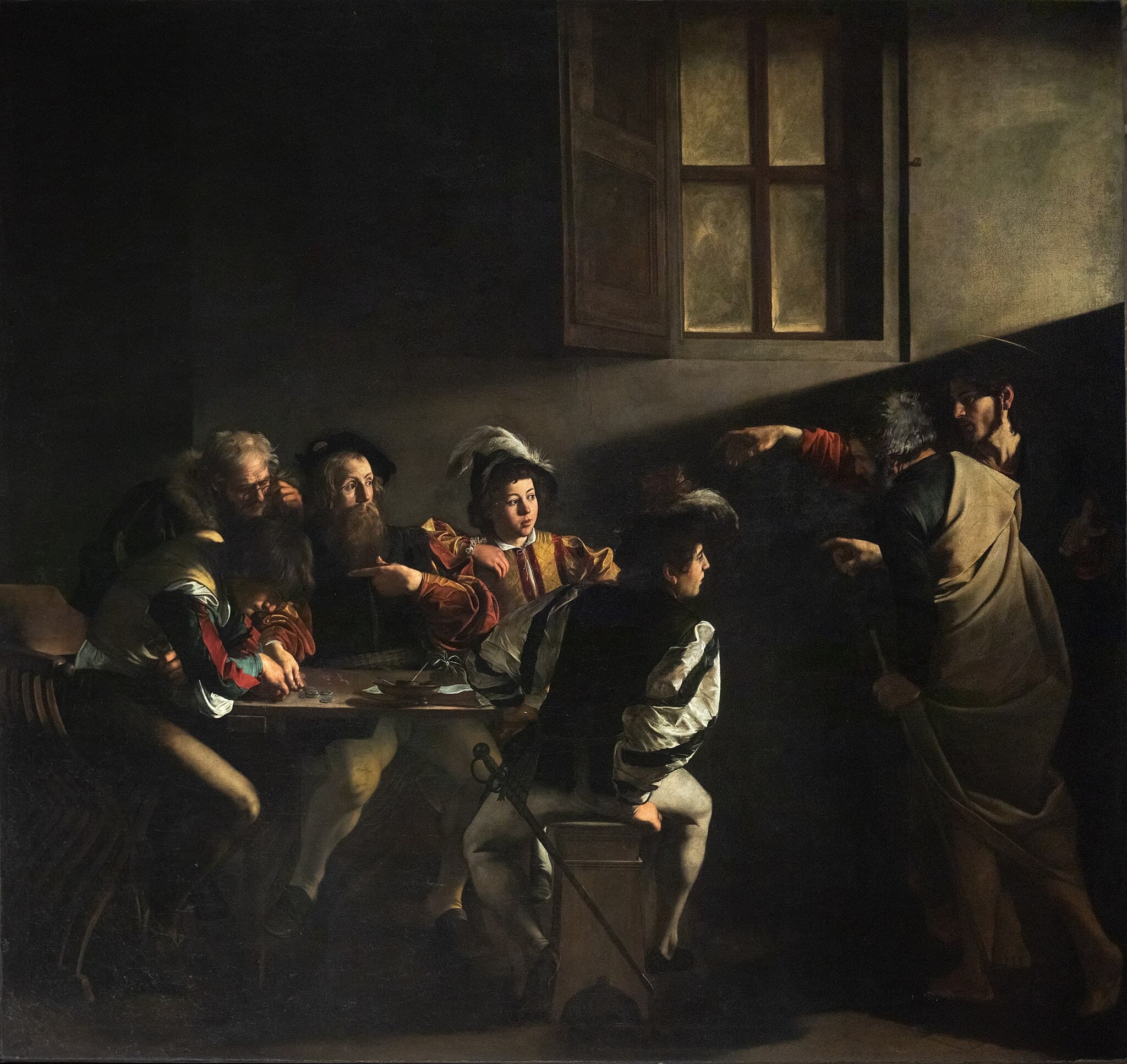
$500 million–$1 billion (notional)
Valued notionally at $500–$1 billion as an insurance-style benchmark; Italian heritage protections render this Contarelli Chapel masterpiece effectively non‑tradeable despite top Old Master comparables.
See full valuation →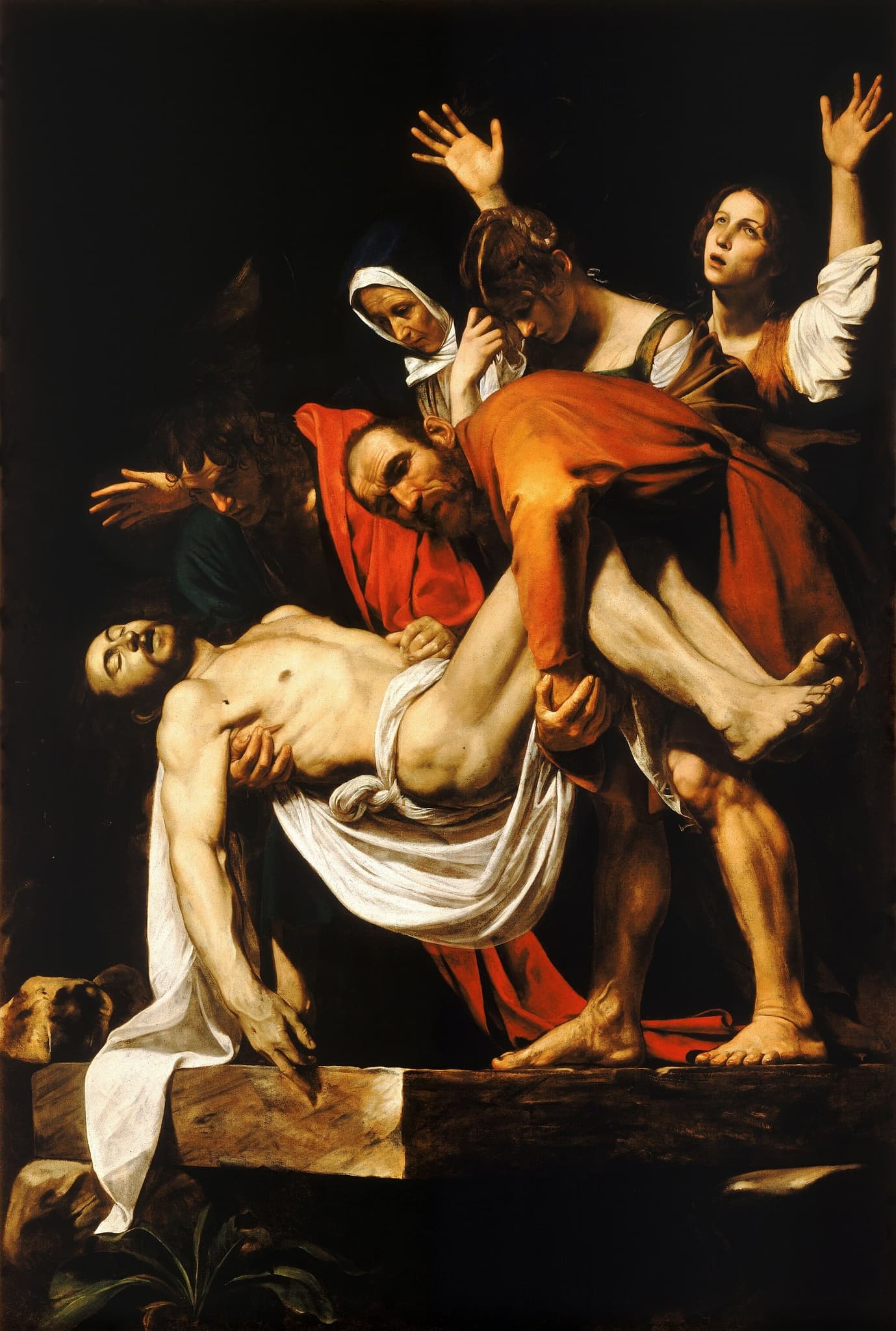
$100-400 million
Hypothetical replacement value is $100–$400M for the canonical autograph Entombment, contracting to $25–$100M for downgraded autograph/studio involvement and $0.1–$5M for workshop/follower copies.
See full valuation →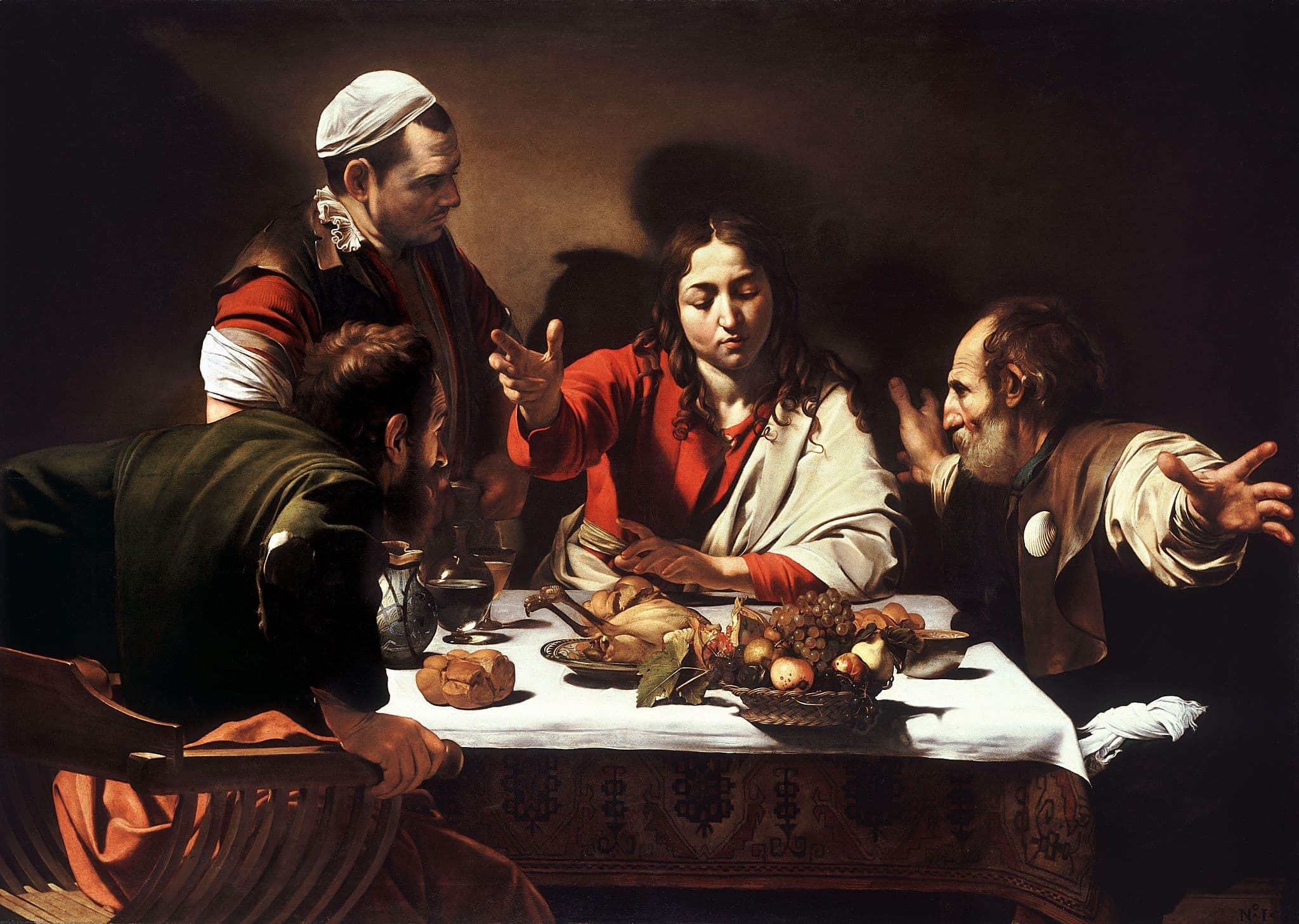
$250-400 million
Estimated $250–$400M as a bullet‑proof, canonical Caravaggio with exceptional provenance and extreme scarcity among undisputed Caravaggios, benchmarked against apex Old Master trophies.
See full valuation →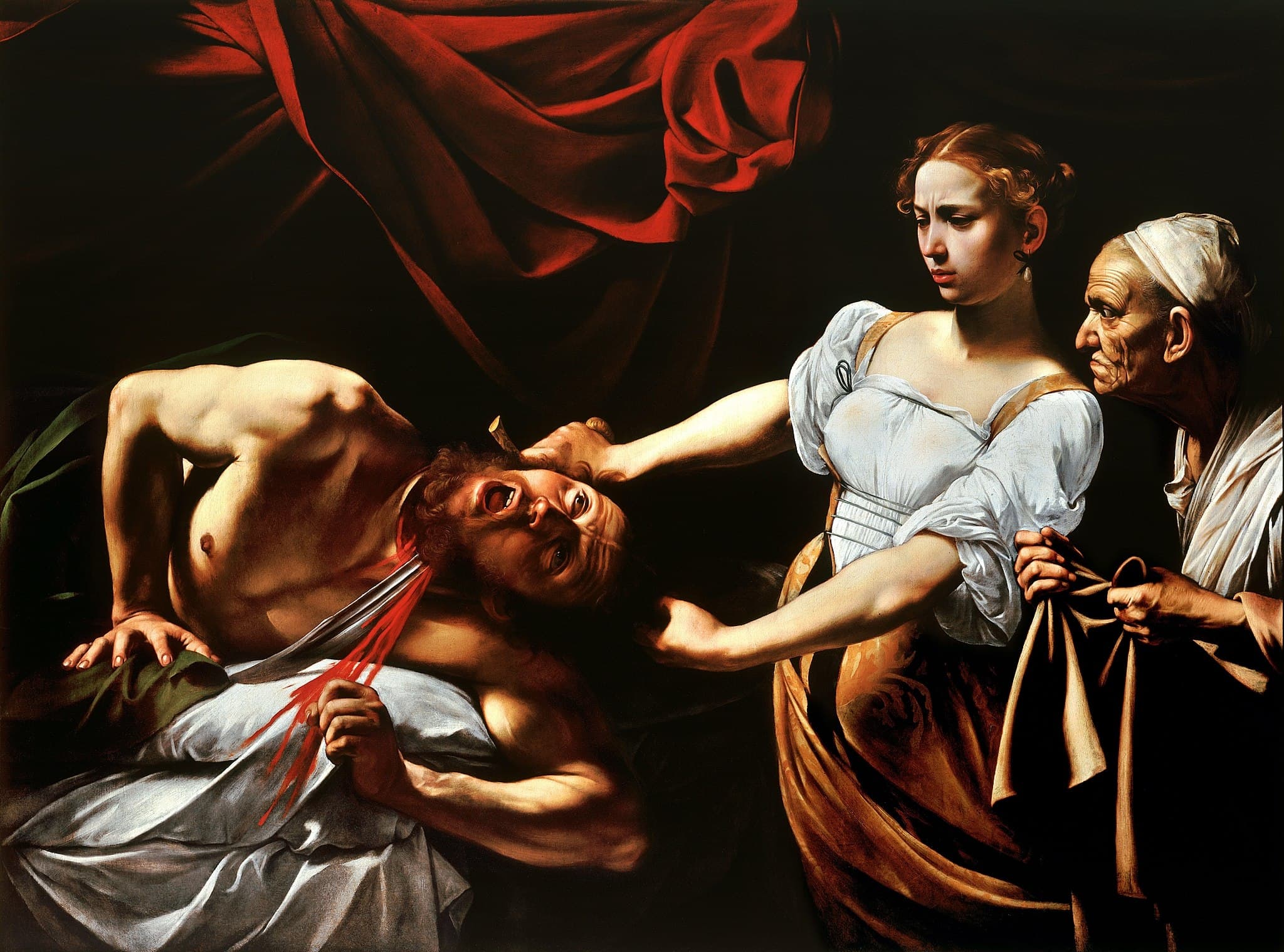
$150-300 million
Valued $150–$300M in a hypothetical free international market for this state‑owned, prime‑period Caravaggio, which is otherwise legally non‑tradeable under Italian state ownership.
See full valuation →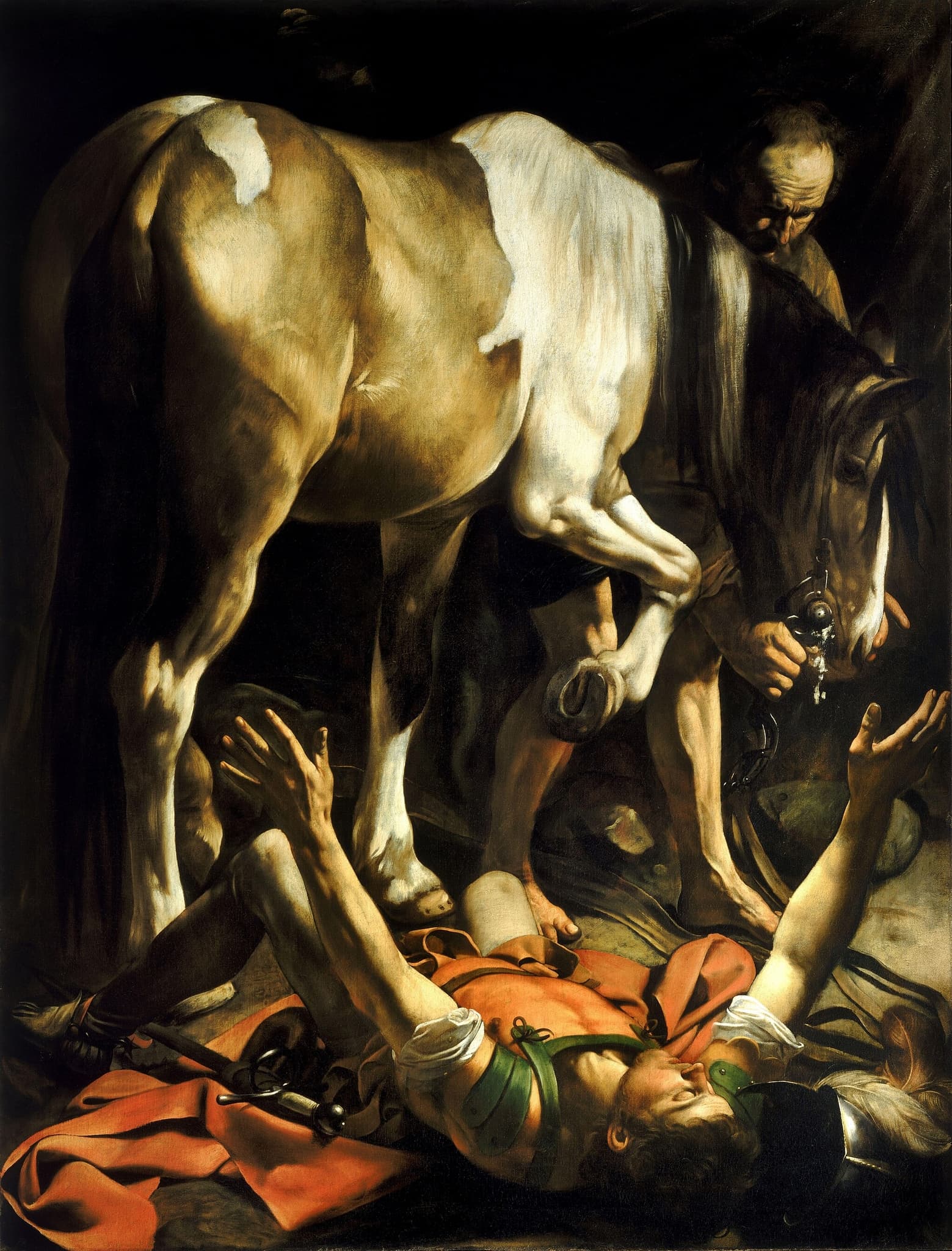
$100-300 million
Hypothetical free‑transfer valuation is $100–$300M for the Cerasi‑Chapel Conversion, but the in‑situ altarpiece is effectively unsaleable without extraordinary legal and institutional action.
See full valuation →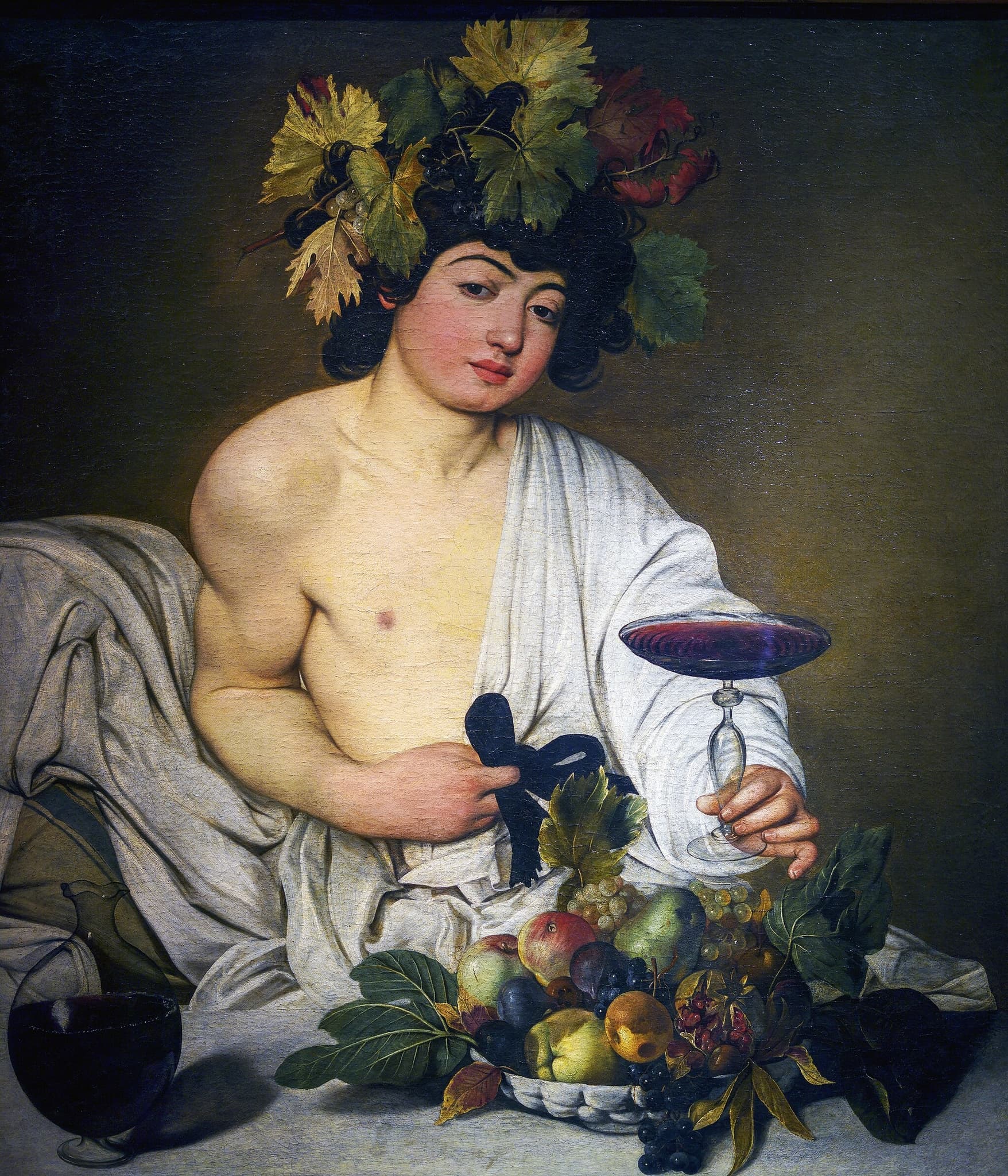
$150-300 million
Triangulated at $150–$300M using top Old Master sale benchmarks and limited Caravaggio datapoints; the Uffizi‑held Bacchus has no public sale history.
See full valuation →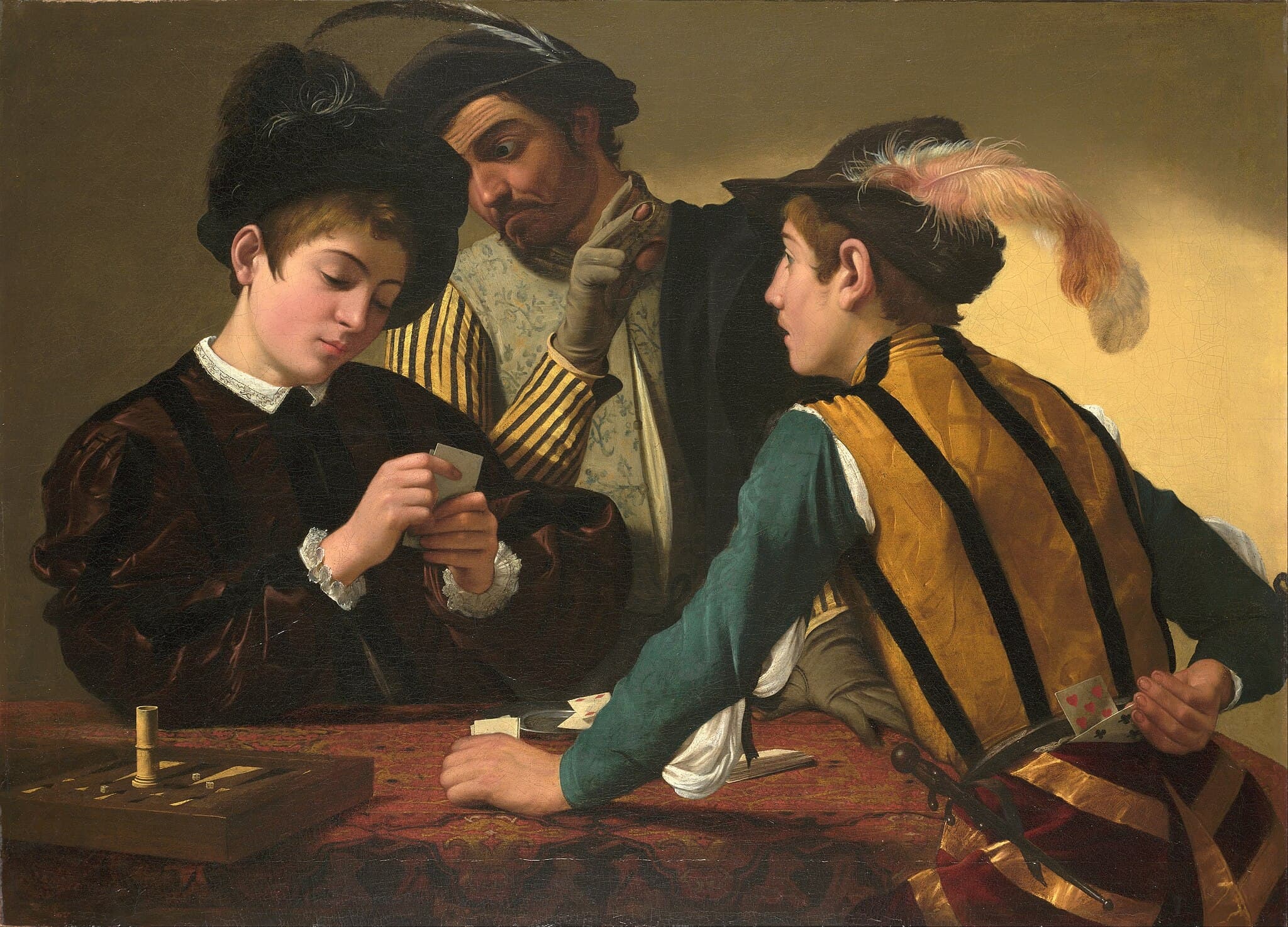
$100-200 million
A securely attributed, well‑conserved Cardsharps offered today would realistically command $100–$200M, with values collapsing sharply if attribution or condition is disputed.
See full valuation →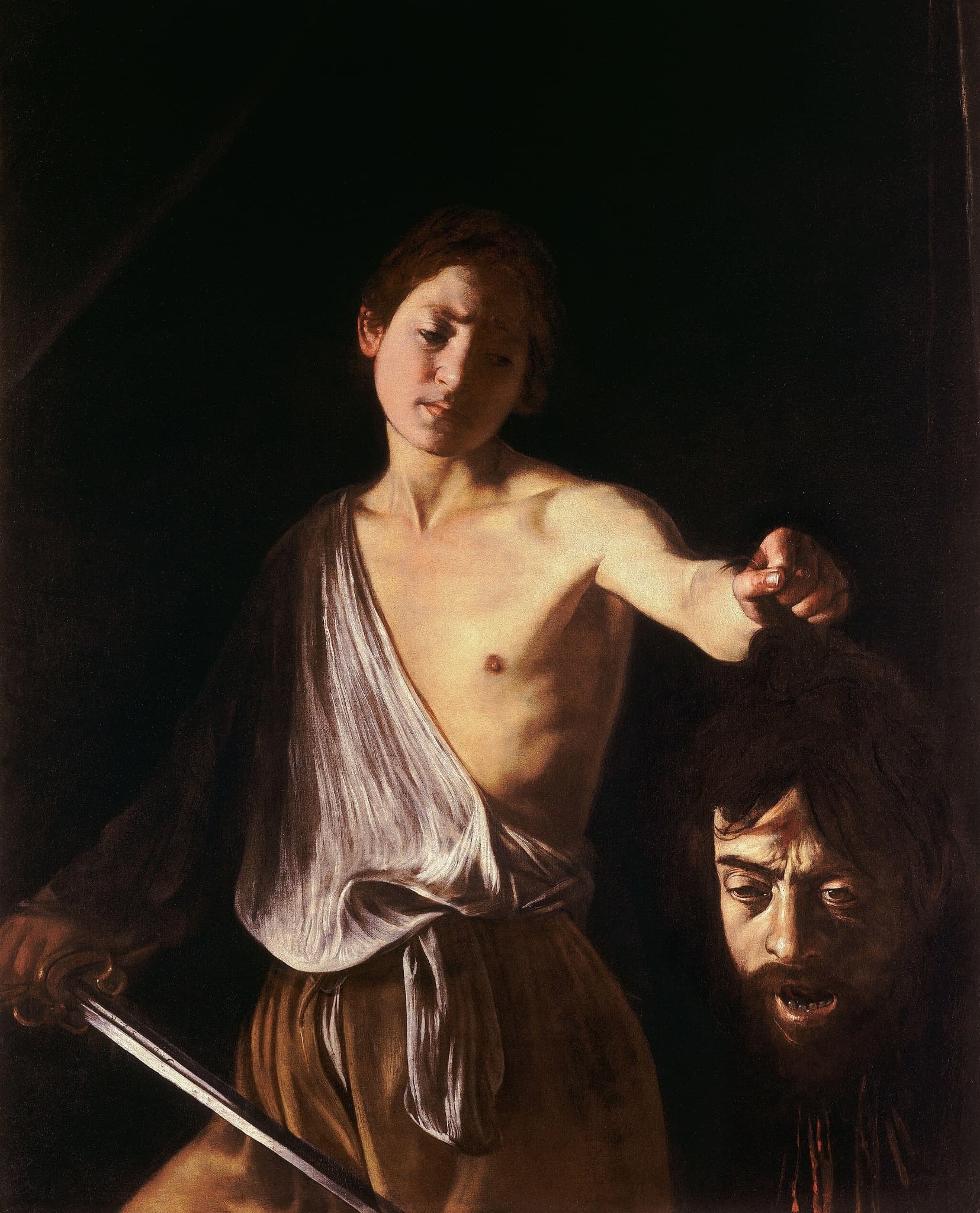
$80-200+ million
If accepted as an autograph Caravaggio, market band is roughly $80–$200M (top end requires flawless attribution/condition); uncertain attribution yields ~$20–80M, workshop works low six figures–few million.
See full valuation →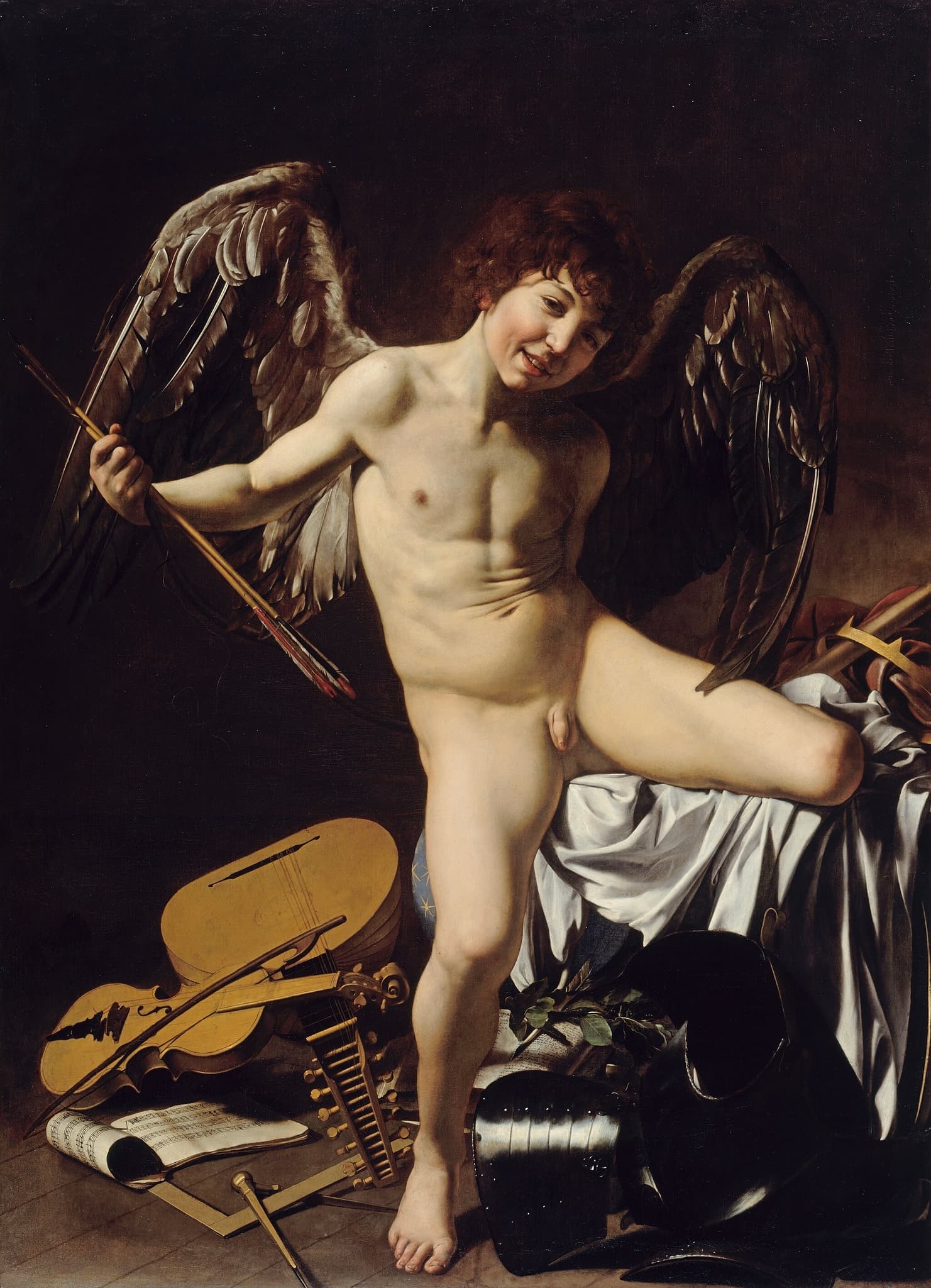
$100-150 million
Assuming a saleable, securely attributed autograph in good condition, Amor Vincit Omnia is estimated at $100–$150M based on Caravaggio scarcity and recent institutional buying.
See full valuation →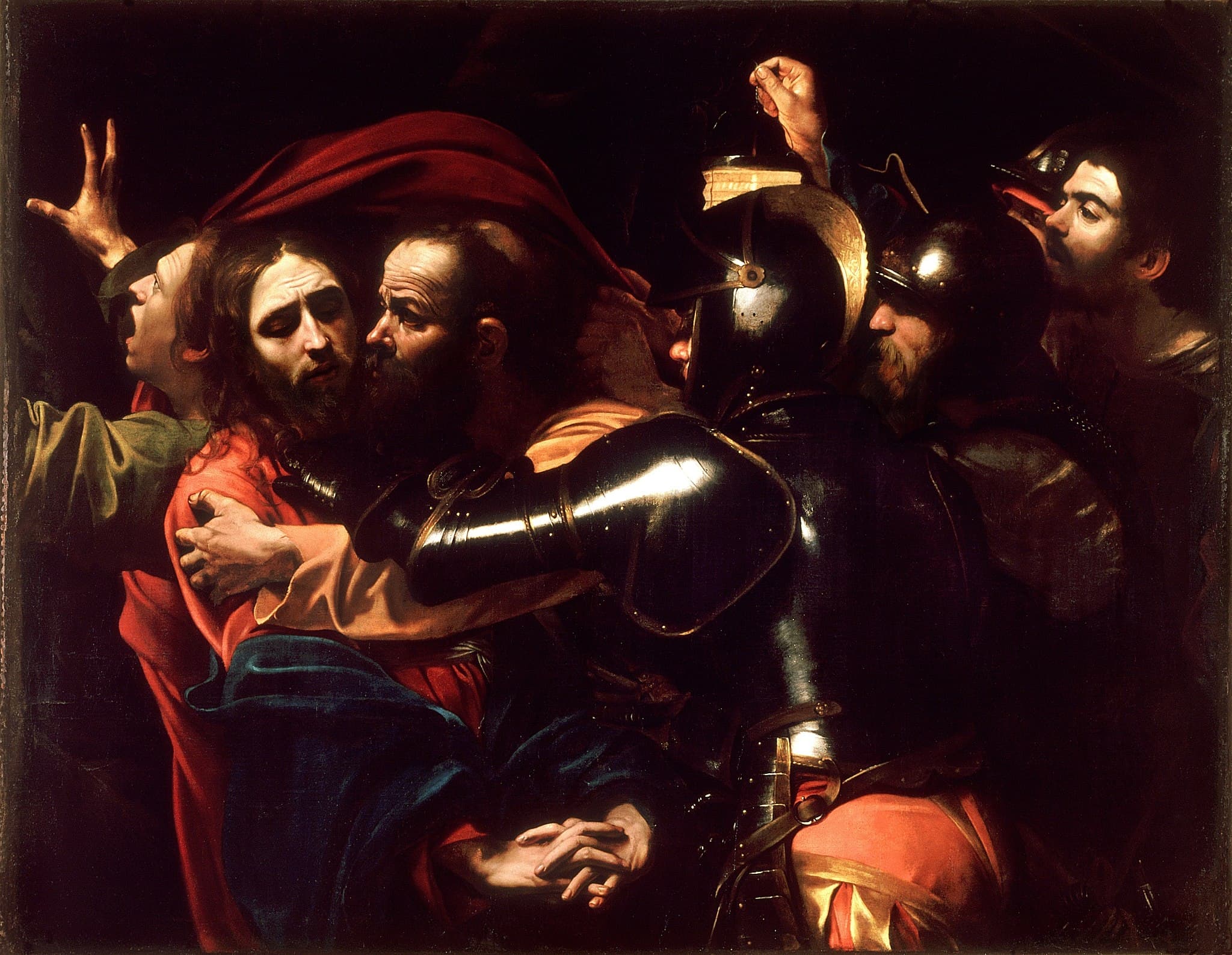
$100-150 million
With clear title, accepted attribution and sound condition, The Taking of Christ would most plausibly realise $100–$150M in a private sale or controlled auction setting.
See full valuation →What Drives Value in Caravaggio's Work
Attribution Certainty (Autograph vs. Studio/Contested)
For Caravaggio a consensus on autograph status is the single biggest price inflection: authoritative acceptance (technical imaging, leading scholars, catalogue raisonné inclusion) can elevate a work into nine‑figure ‘trophy’ territory, while even modest doubt collapses demand. Examples in the dataset include Entombment, David with the Head of Goliath and Amor Vincit Omnia — all entries stress that attribution shifts marketability and value by orders of magnitude versus ‘studio’ or disputed works (e.g., debates around Toulouse Judith).
Canonical Composition & Oeuvre Position
Certain Caravaggio subjects function as cultural anchors and therefore carry outsized premiums: the Matthew cycle (The Calling of Saint Matthew), Supper at Emmaus, Judith Beheading Holofernes and The Taking of Christ are curriculum‑level icons whose museum‑grade status converts scarcity into ‘trophy’ demand. The dataset shows these canonical compositions attract institutional buyers and cross‑category collectors willing to pay multiples above non‑canonical or secular pieces (contrast Bacchus or Cardsharps versus the Matthew/Emmaus/Judith group).
In‑situ Custody & Heritage Constraints (Tradeability)
Many marquee Caravaggios are effectively non‑tradeable because they are integral to churches or national collections (Contarelli Chapel, Cerasi Chapel, San Luigi dei Francesi, Santa Maria del Popolo, Uffizi, National Gallery, Barberini Corsini). That legal/custodial reality makes published valuations largely notional: it raises theoretical replacement/insurance values while removing realistic liquidity. The dataset repeatedly notes how export controls and ministerial pre‑emption drastically shrink buyer pools and alter transaction routes and achievable prices.
Condition & Technical Conservation Evidence (Pentimenti & Materials)
For Caravaggio, conservation science is both an attribution tool and a price driver: IRR, X‑ray, pigment analysis and visible pentimenti materially change expert opinion and buyer confidence. Works like The Taking of Christ and Entombment require published technical dossiers to justify peak valuations; similarly, Bacchus and Conversion entries emphasise that varnish, overpaint and support issues can subtract tens of millions. Reliable technical proof of original handling and materials often unlocks the highest bids.
Market Context
Caravaggio occupies the pinnacle of the Old Masters market, yet his autograph corpus is vanishingly scarce and almost entirely institutionally held, so there is effectively no modern public-auction benchmark for a prime Caravaggio. Price discovery therefore comes from trophy-level comparables (e.g., Botticelli’s $92.2m record, Leonardo and Rembrandt apex sales) and private/state-led placements: the notable 2024 private sale of an authenticated Ecce Homo reported at roughly €30–36m and its subsequent Prado display underscore intense museum and state interest. After a softer 2024, late‑2025/early‑2026 saw renewed strength for museum‑quality Old Masters, with institutions, sovereign buyers and UHNW collectors driving nine‑figure appetite; constrained supply, export controls and rigorous scholarship make attribution decisive and sustain elevated theoretical ceilings.