Most Expensive J. M. W. Turner Paintings
J. M. W. Turner occupies a singular position in the art market, where atmospheric mastery and visionary light elevate his canvases into some of the most sought-after blue-chip works; at the very top stand masterpieces like The Fighting Temeraire, valued between $150–300 million, and Rain, Steam and Speed, estimated at $160–240 million, signaling both rarity and institutional desire. Collectors prize Turner for his radical handling of color, weather and motion — qualities that turn narrative history paintings such as The Slave Ship (valued $30–120 million) and Dido building Carthage ($15–35 million) into emotionally charged investments as much as aesthetic triumphs. His Italian views, including Modern Rome – Campo Vaccino ($50–85 million) and Rome, from Mount Aventine ($45–80 million), combine topographical appeal with market desirability, while monumental scenes like Snow Storm: Hannibal and his Army Crossing the Alps and The Burning of the Houses of Lords and Commons (each $20–60 million) demonstrate why Turner's dramatic spectacle commands strong prices. Even earlier works such as Fishermen at Sea ($10–40 million) and Norham Castle, Sunrise ($3–30 million) remain collectible touchstones, making Turner a perennial draw for museums and private collections alike.
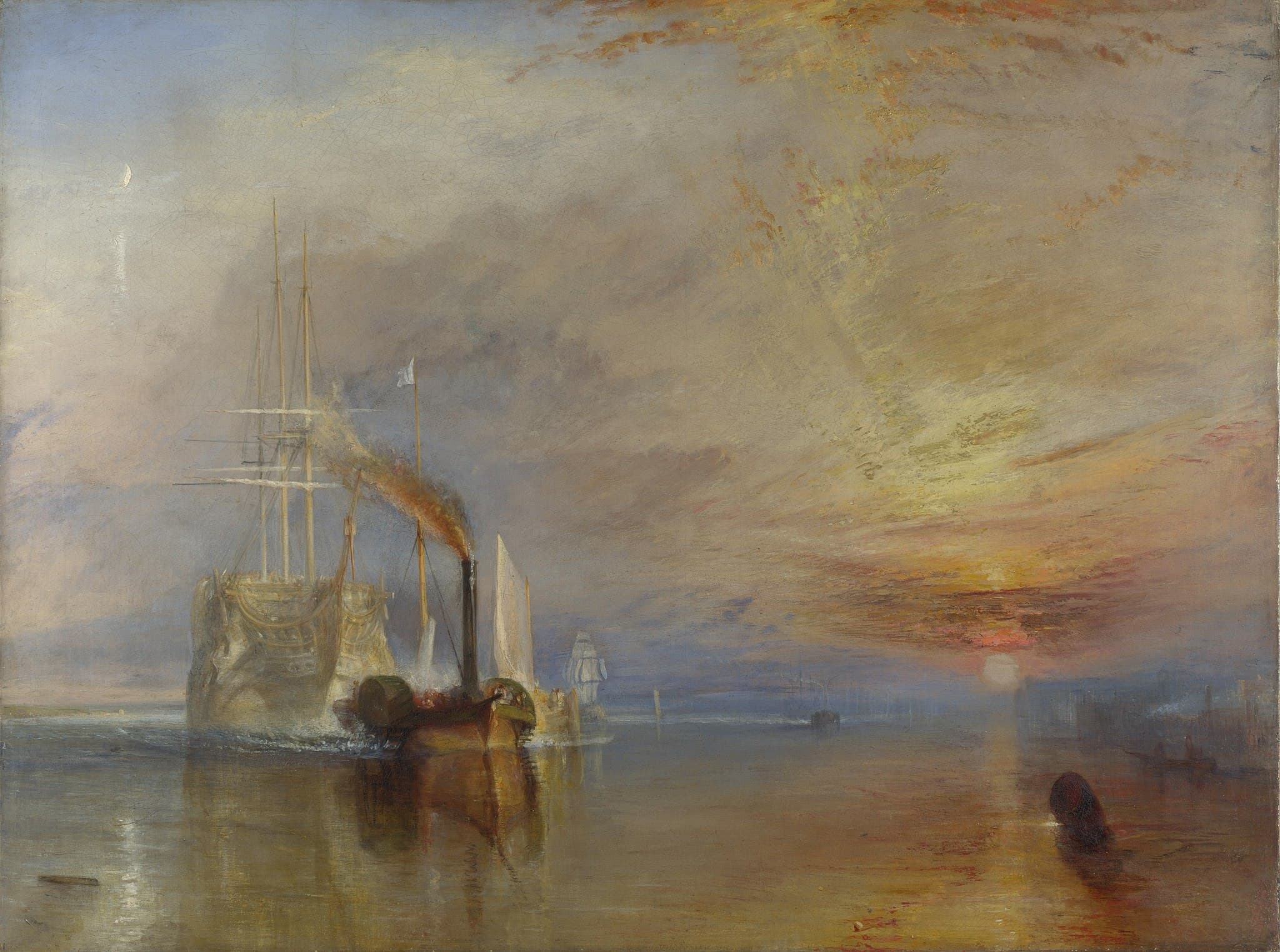
$150-300 million
An iconic, museum‑held Turner and national symbol in the National Gallery, The Fighting Temeraire is effectively untradeable and its market price is inferred from trophy‑level comparables.
See full valuation →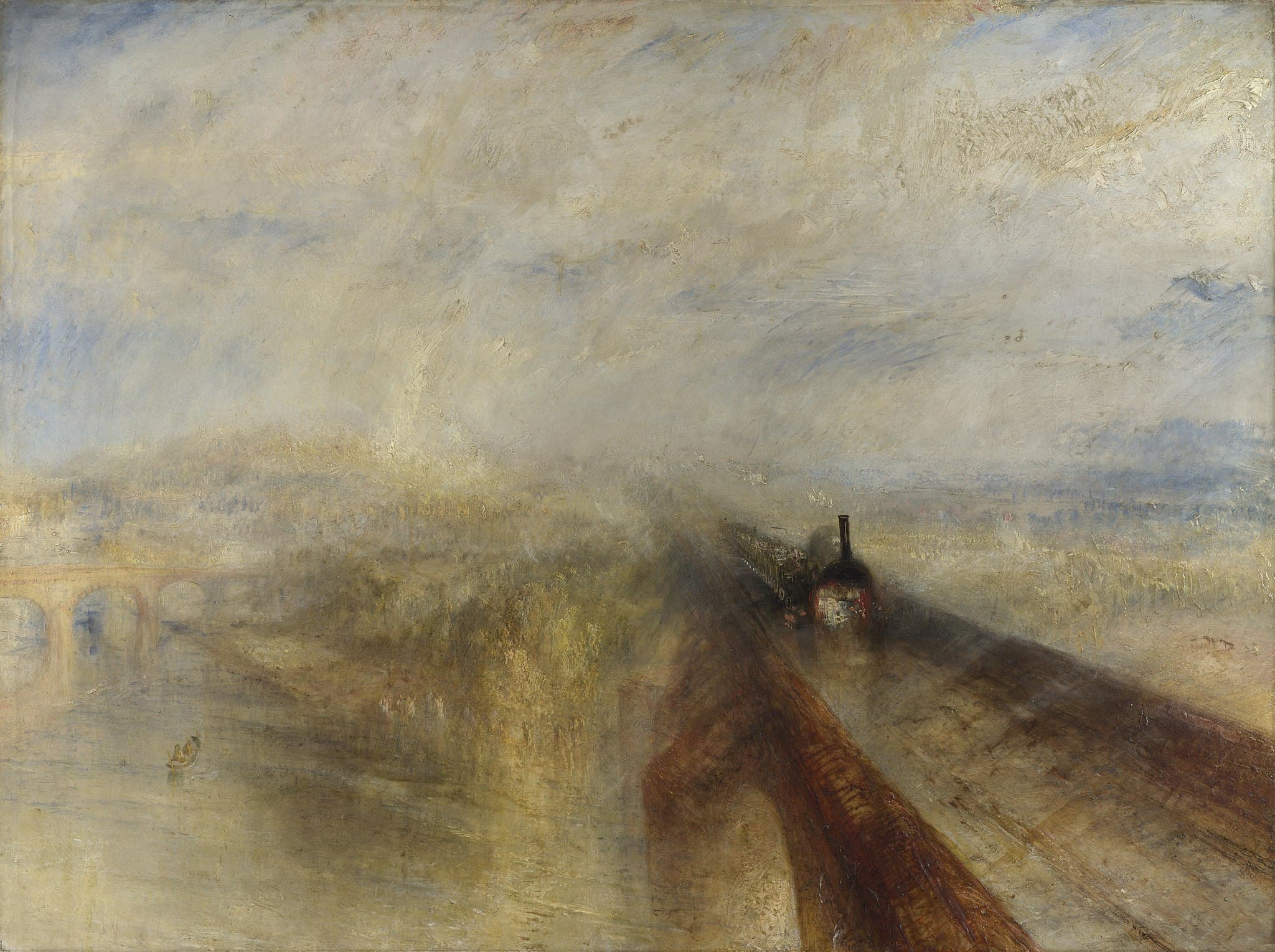
$160-240 million
Rain, Steam and Speed is a canonical late Turner in the National Gallery with no modern sale history, so its price is extrapolated solely from top Turner and Old Master comparables.
See full valuation →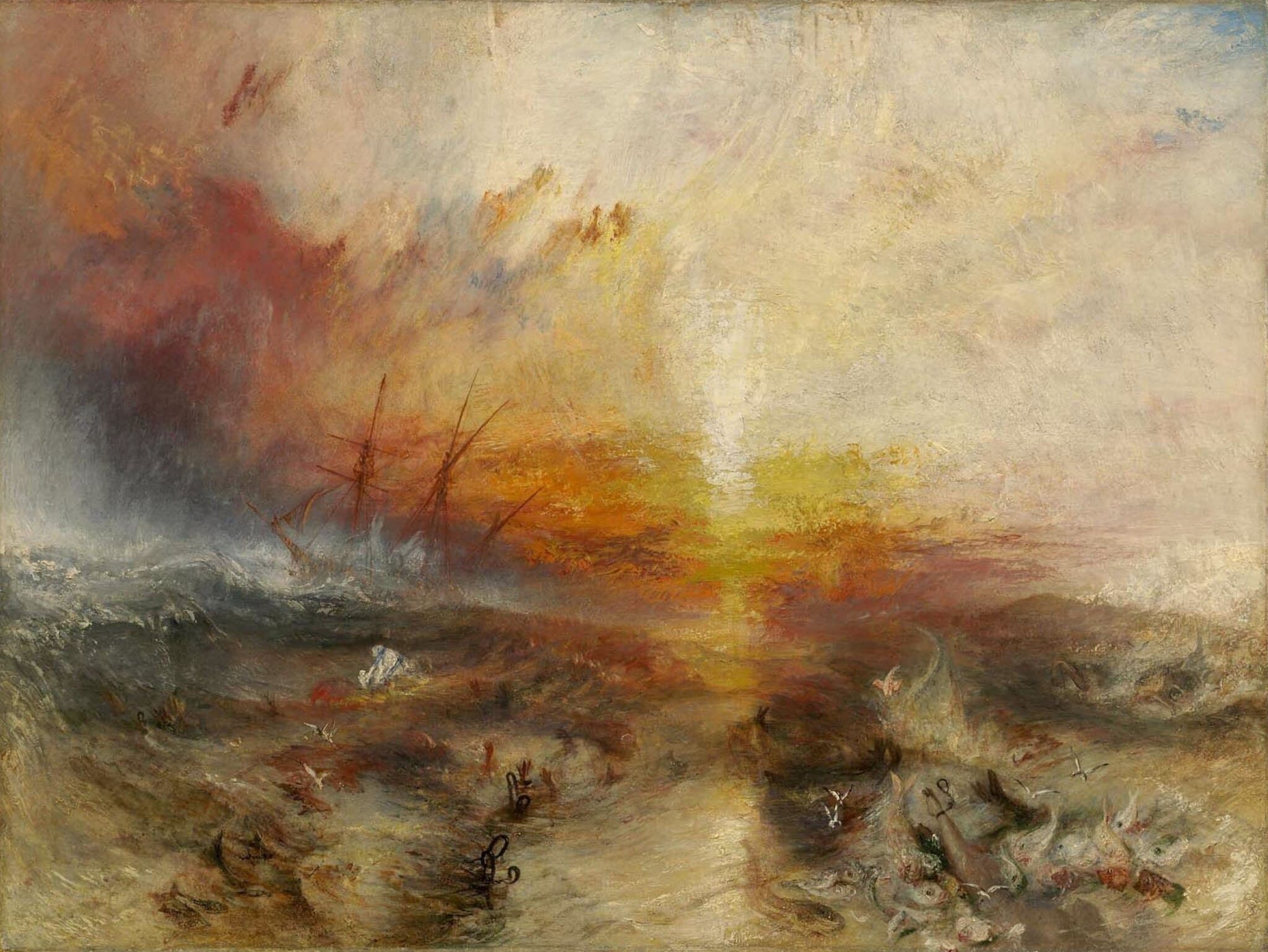
$30-120 million
The Slave Ship is held by the Museum of Fine Arts, Boston and, as an off‑market canonical Turner, its hypothetical price hinges heavily on condition, legal constraints and institutional consent.
See full valuation →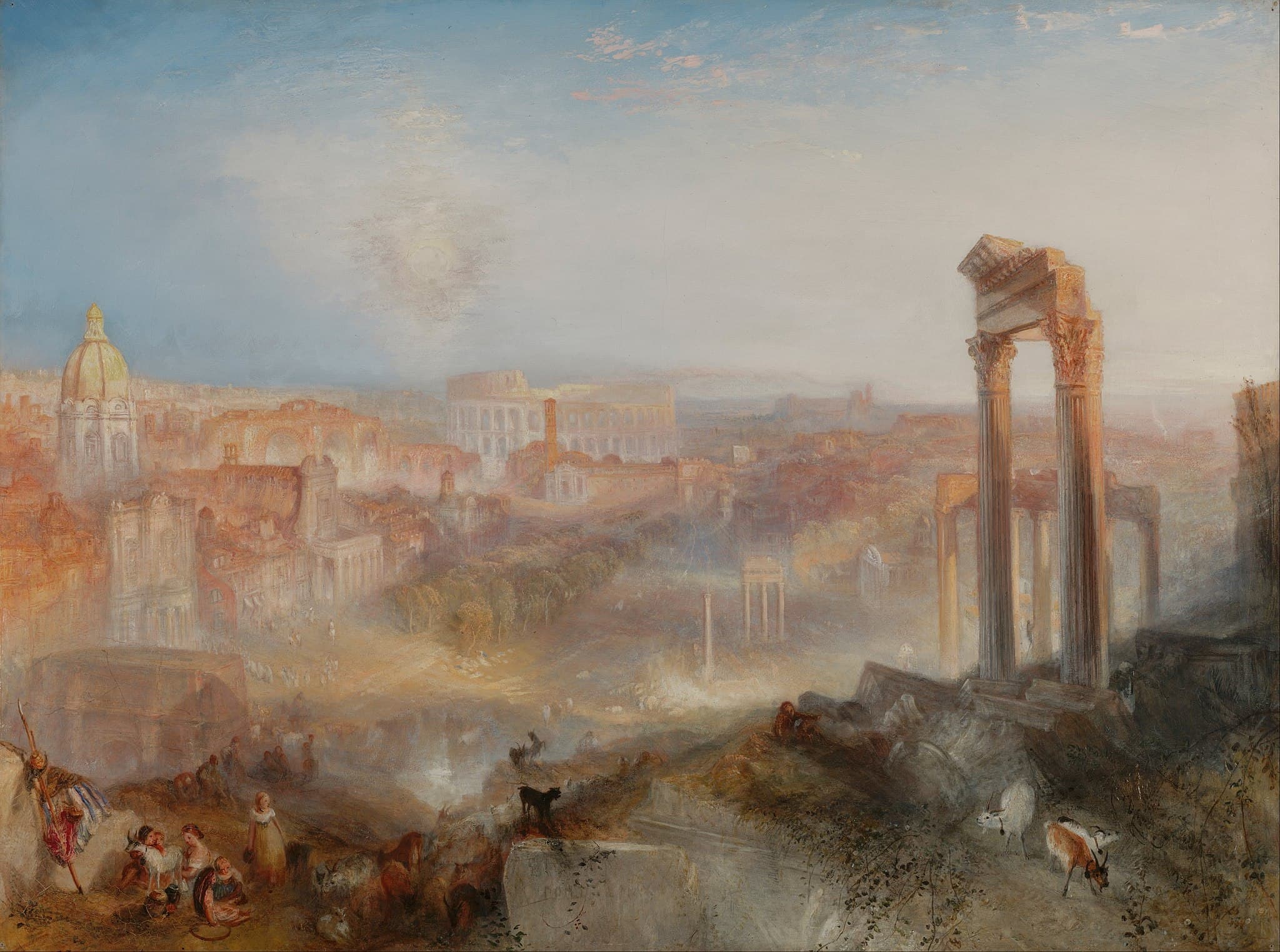
$50-85 million
Modern Rome – Campo Vaccino’s lower bound is anchored to a verified 2010 Sotheby’s sale, with its top estimate reflecting museum quality, exemplary provenance and scarcity of comparable mature Turners.
See full valuation →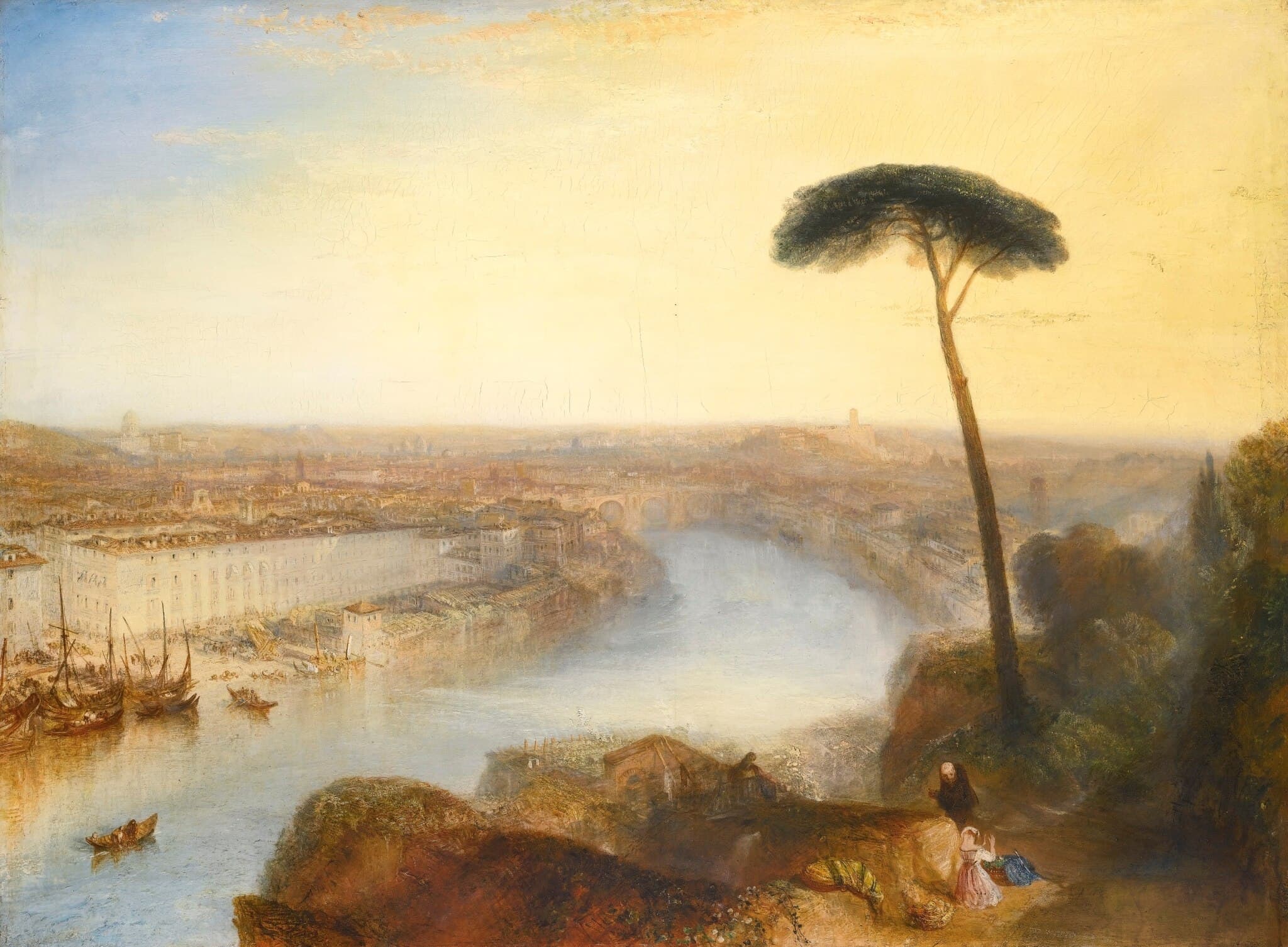
$45-80 million
Rome, from Mount Aventine’s valuation is directly adjusted from its confirmed 2014 Sotheby’s London sale, assuming canonical attribution, comparable condition and intact provenance.
See full valuation →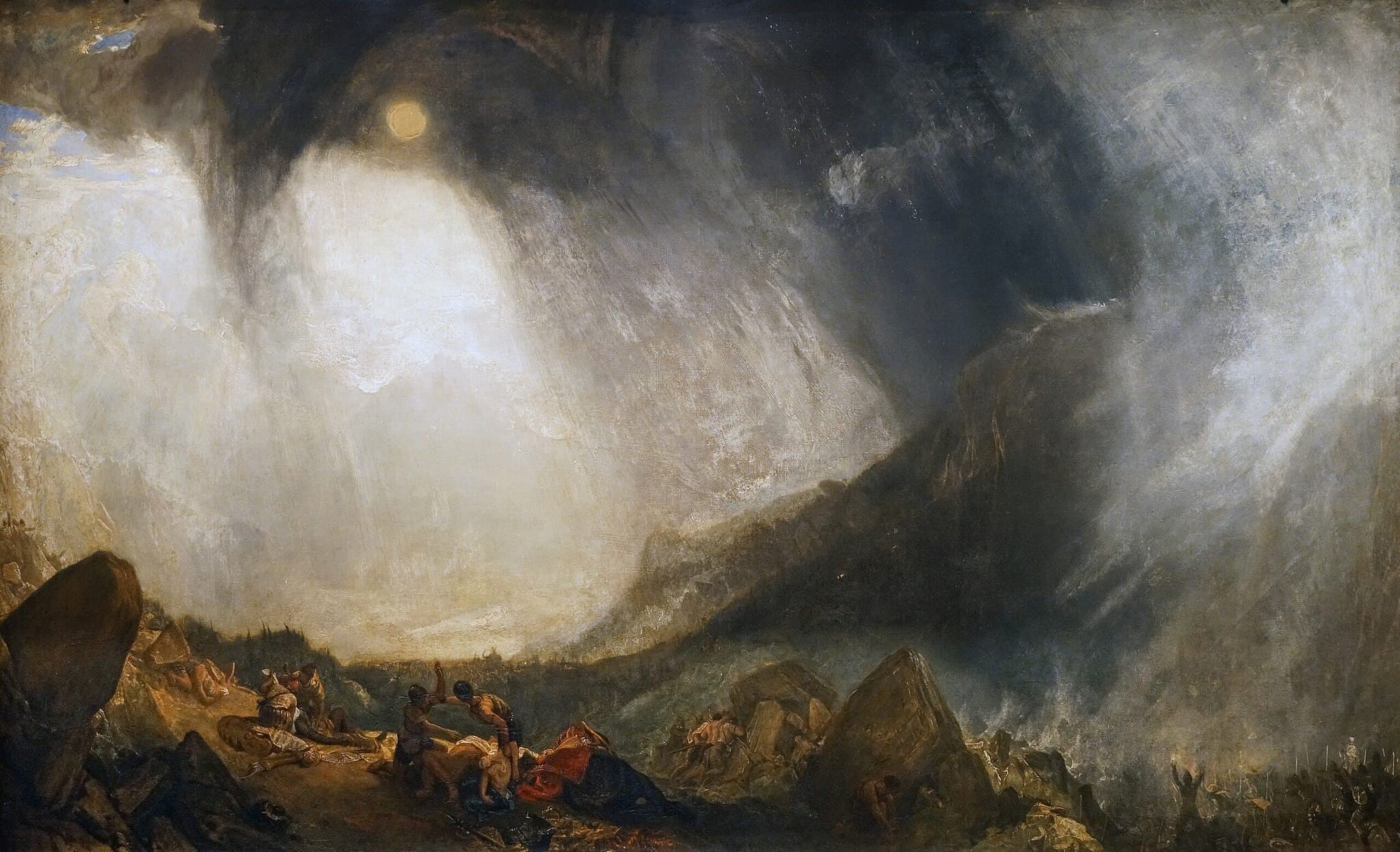
$20–60 million
Snow Storm’s hypothetical range carries moderate‑to‑low confidence because it remains museum‑held and condition, attribution and sale mechanics are unresolved variables.
See full valuation →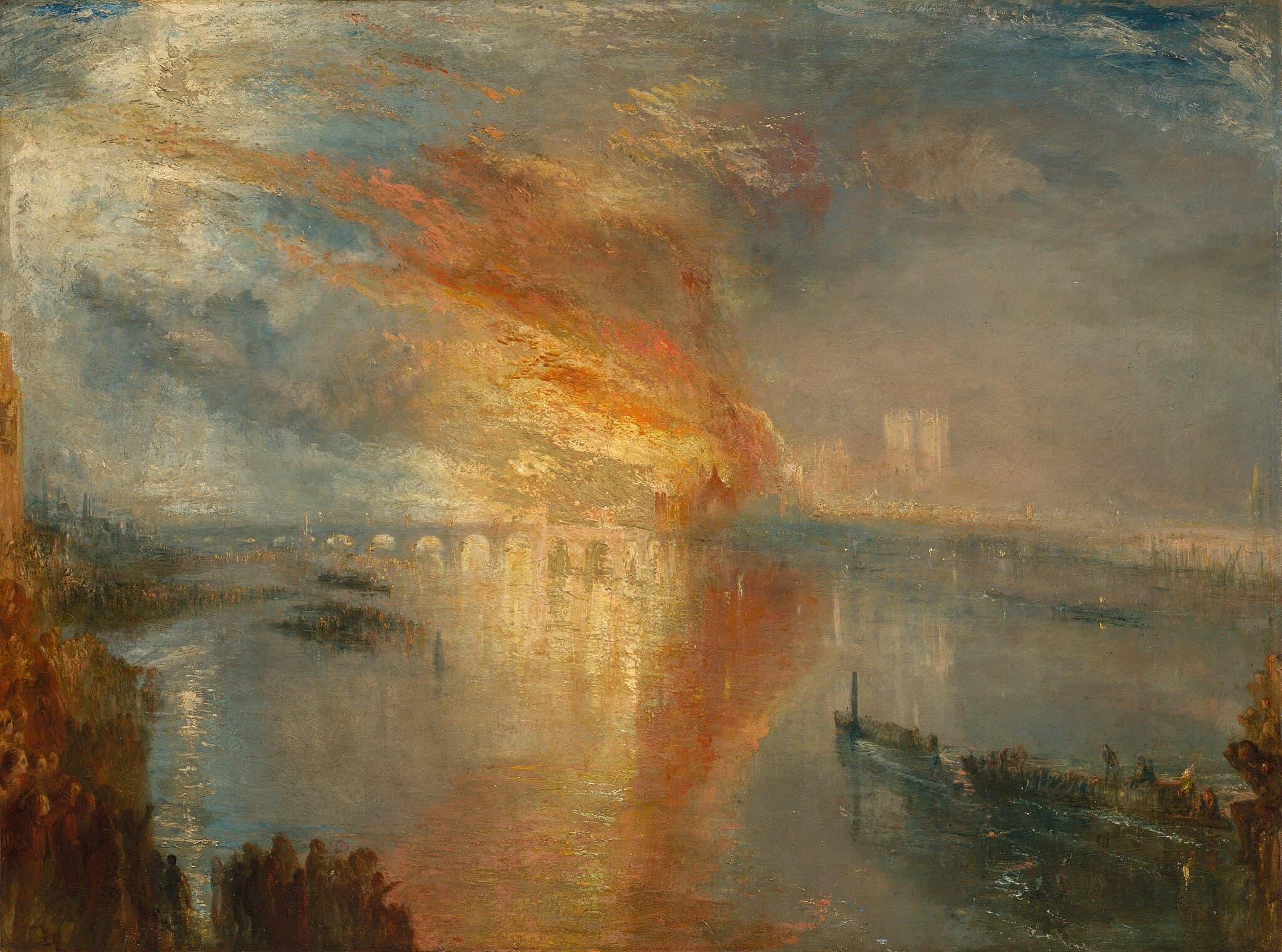
$20-60 million
If the 1834–35 oil is the canonical autograph Turner in public hands it commands trophy pricing, whereas a smaller sketch, study or workshop copy would drop to mid‑six‑figures or low millions.
See full valuation →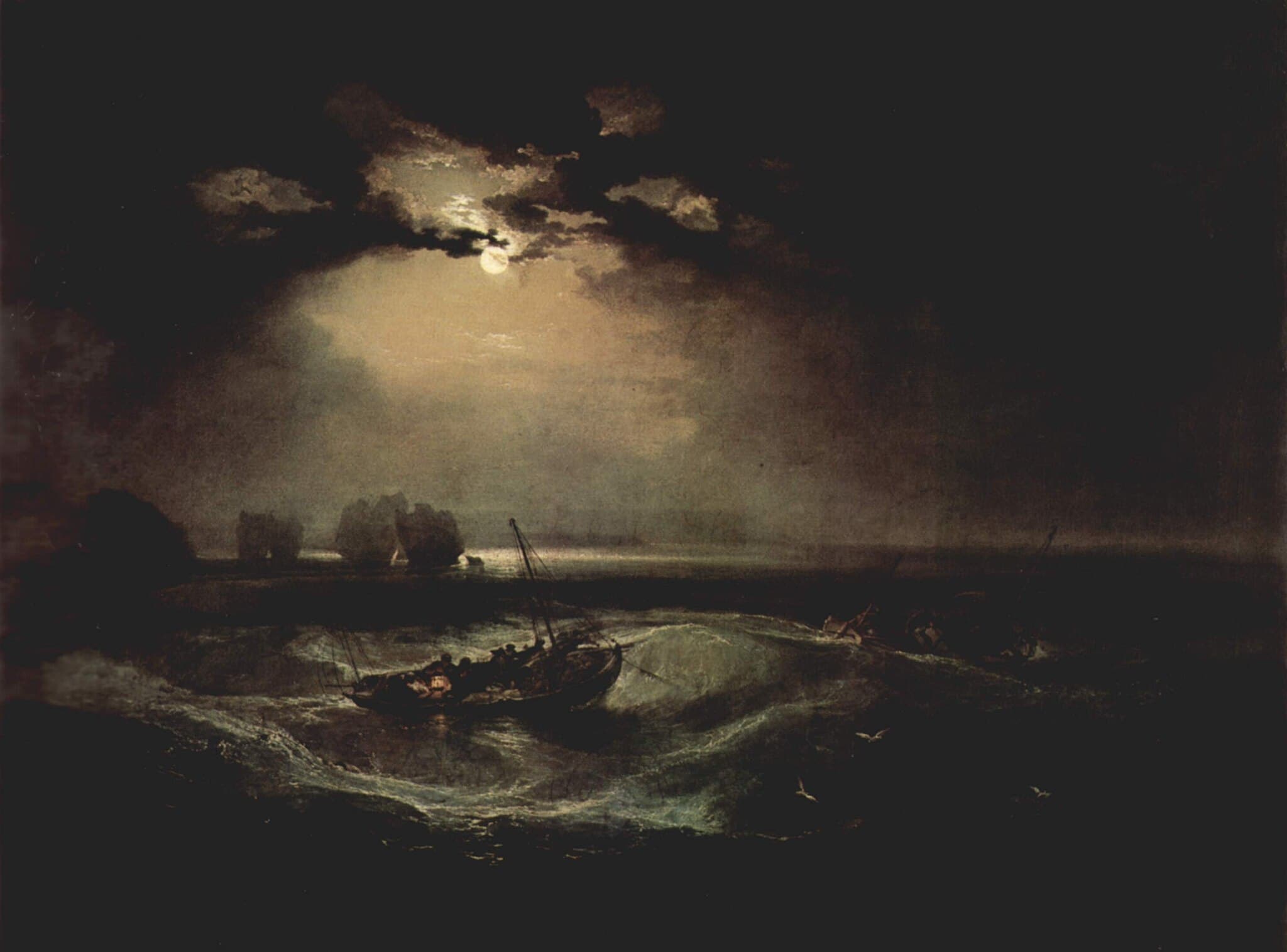
$10-40 million
Fishermen at Sea (Tate accession T01585) is an early, museum‑quality Turner in Tate Britain and, being off‑market, is valued by institutional provenance and auction comparables rather than recent sales.
See full valuation →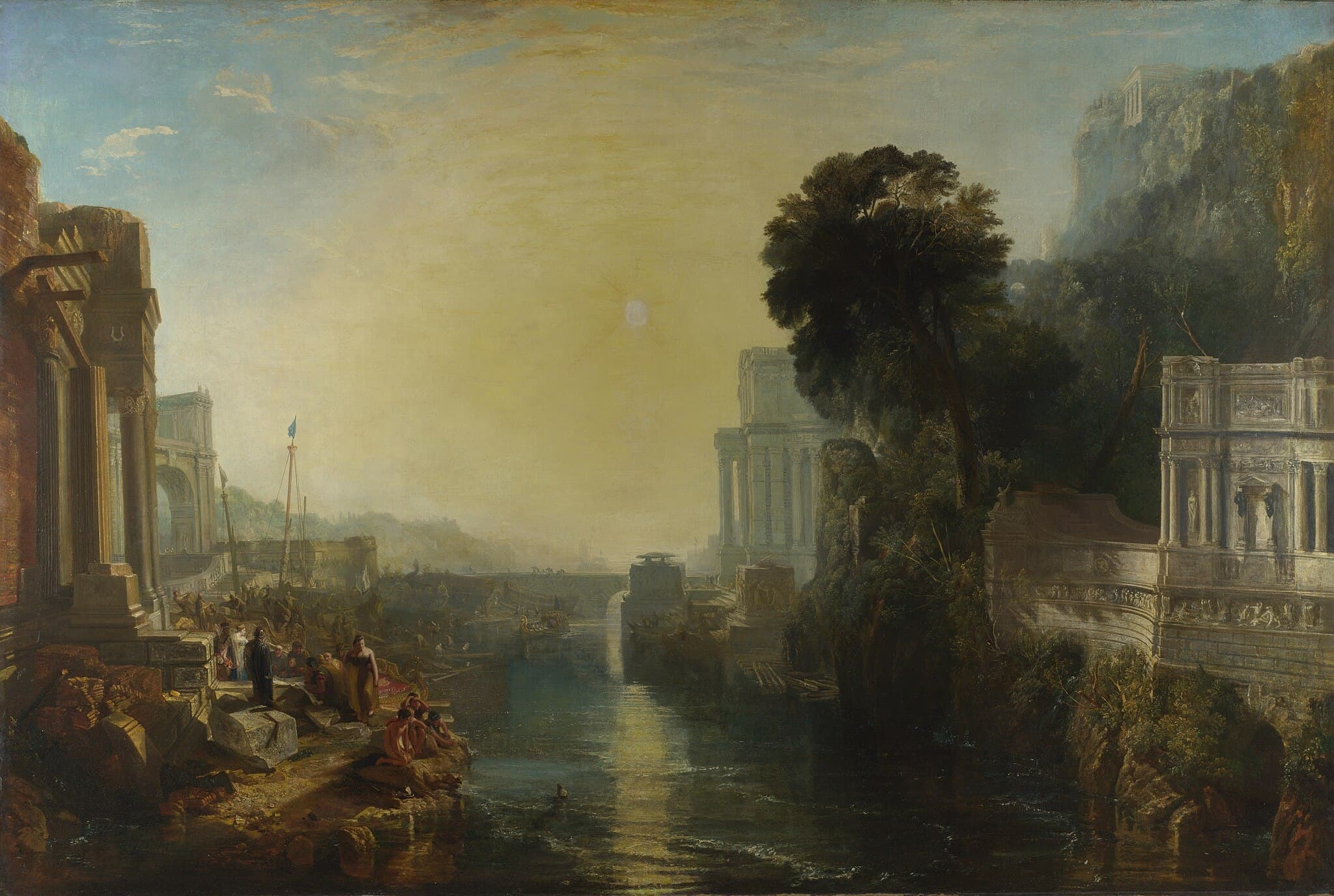
$15-35 million
Dido building Carthage (NG498) is part of the Turner Bequest at the National Gallery and, if ever free of institutional constraints, would likely sell toward the midpoint of its comparable‑based estimate.
See full valuation →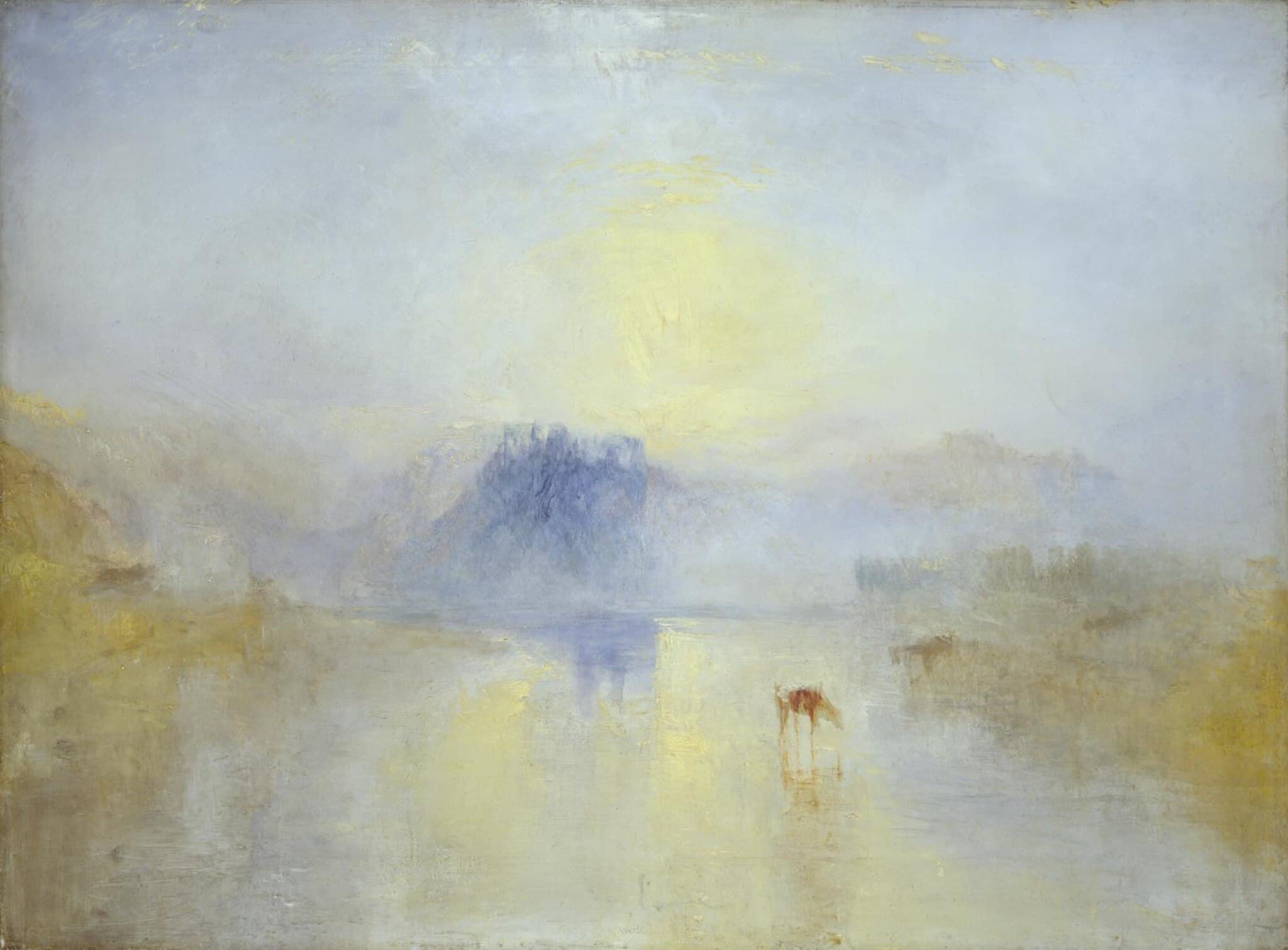
$3-30 million
Norham Castle, Sunrise (Tate N01981) remains in the Turner Bequest; a hypothetical market price varies widely because attribution, condition and exhibition history critically affect demand.
See full valuation →Market Context
J. M. W. Turner remains a blue‑chip focus of institutions and deep‑pocket private collectors: his auction record is Rome, from Mount Aventine (1835), £30.3m (≈$47.4m) at Sotheby’s London, 2014, and major oils such as those from the Paul G. Allen sale (c. $33.6m, 2022) demonstrate persistent headline strength. Recent market activity saw a softer 2024 amid thin top‑end supply, followed by a 2025 rebound as realistic estimates and strong consignments returned; cross‑category demand was reinforced by high‑profile sales (eg. a new Canaletto record in July 2025). True museum‑grade late oils are exceptionally scarce—many lie in the Turner Bequest and major museums—so provenance, condition and exhibition pedigree drive outcomes; watercolours trade more liquidly in the mid‑six to low‑seven figures, while apex canvases attract concentrated global competition and can markedly outperform.