Most Expensive Johannes Vermeer Paintings
Johannes Vermeer’s canvases occupy a rarefied corner of the art market where unparalleled technical mastery, impeccable provenance and cultural cachet converge to produce stratospheric prices. Iconic works such as Girl with a Pearl Earring (estimated $200–600 million), The Art of Painting ($300–600 million) and View of Delft ($300–600 million) headline lists of the most expensive paintings, but lesser-known gems command equally formidable sums: The Milkmaid ($250–400 million), The Embroiderer ($200–450 million) and Woman Holding a Balance ($150–400 million) each attract deep-pocketed collectors seeking the artist’s luminous treatment of light and domestic intimacy. Rarity amplifies value—Vermeer’s small oeuvre and few securely documented works make pieces like The Concert ($150–350 million) and The Music Lesson ($120–250 million) especially coveted—while paintings such as Girl Interrupted at Her Music ($100–150 million) and The Lacemaker ($100–150 million) owe their market standing to exemplary technique, provenance and museum-grade desirability. Whether purchased for investment, prestige or the sheer pleasure of beholding Vermeer’s silvery light, these paintings sit at the pinnacle of collectibility.
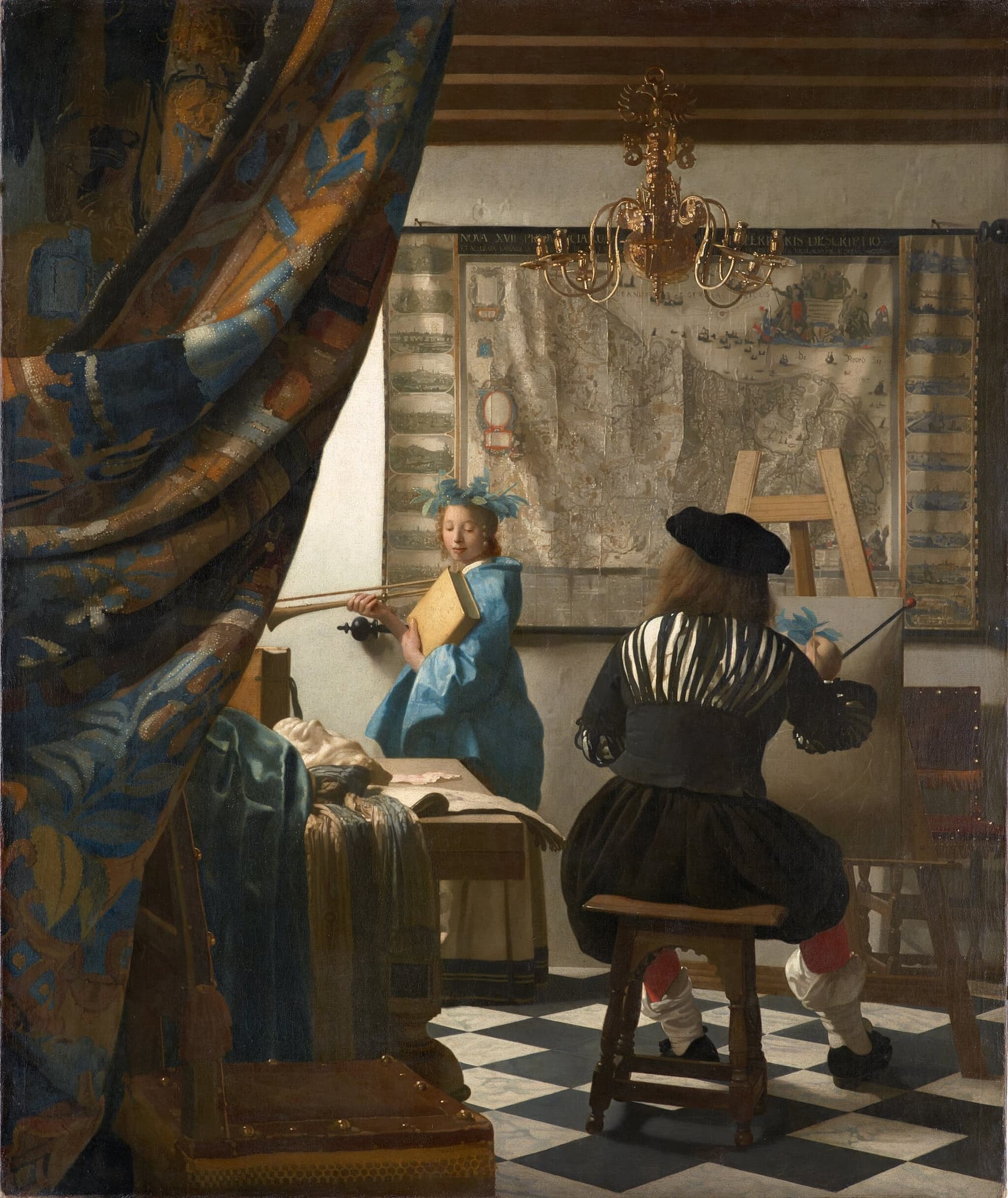
$300-600 million
Estimated USD 300–600 million as a ‘trophy among trophies’ for scale, canonical status, and Vermeer’s extreme rarity if it could be freely sold.
See full valuation →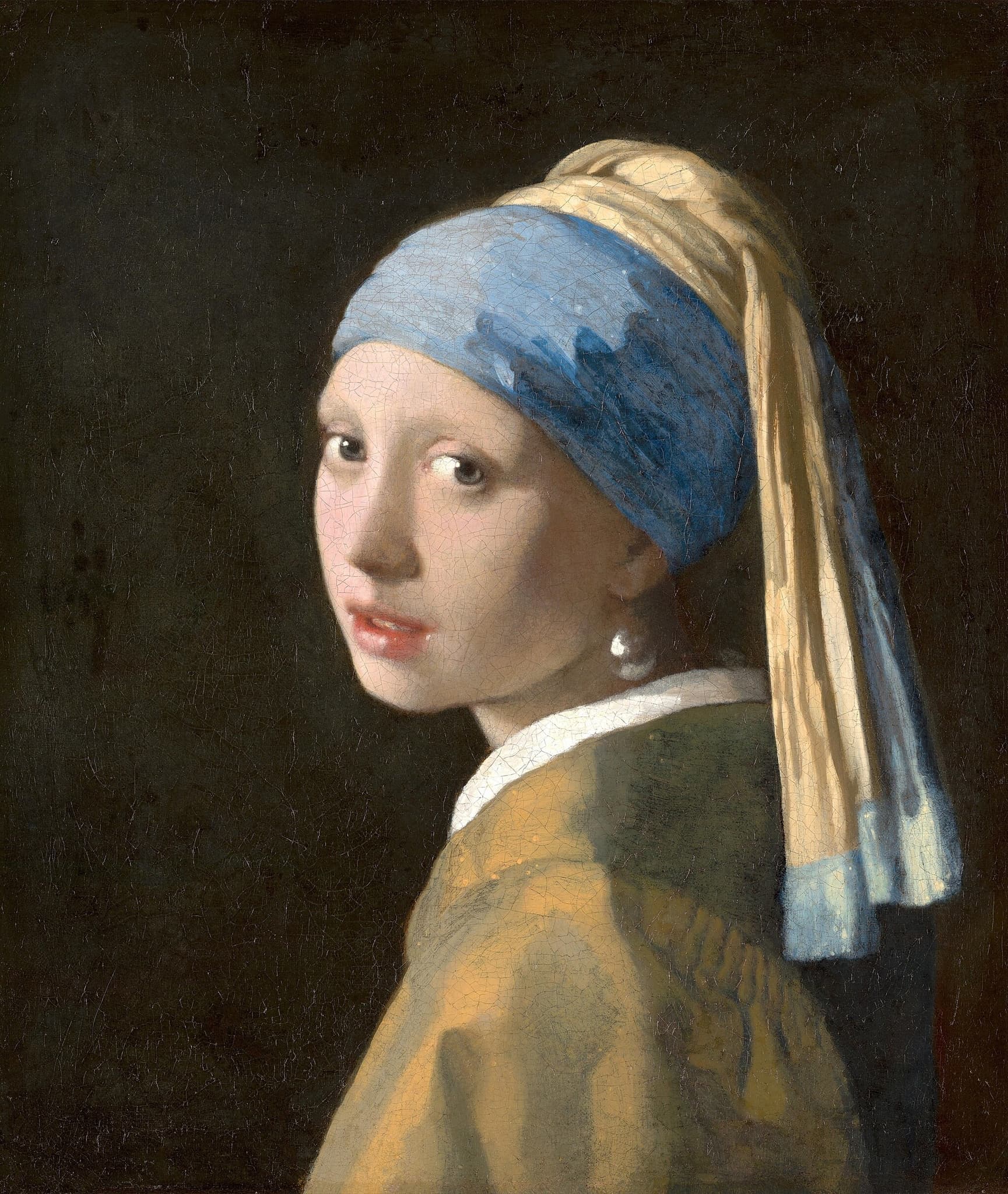
$200-600 million
Estimated USD 200–600 million based on extreme scarcity and trophy‑sale precedents, but museum‑held by the Mauritshuis and never tested at public auction.
See full valuation →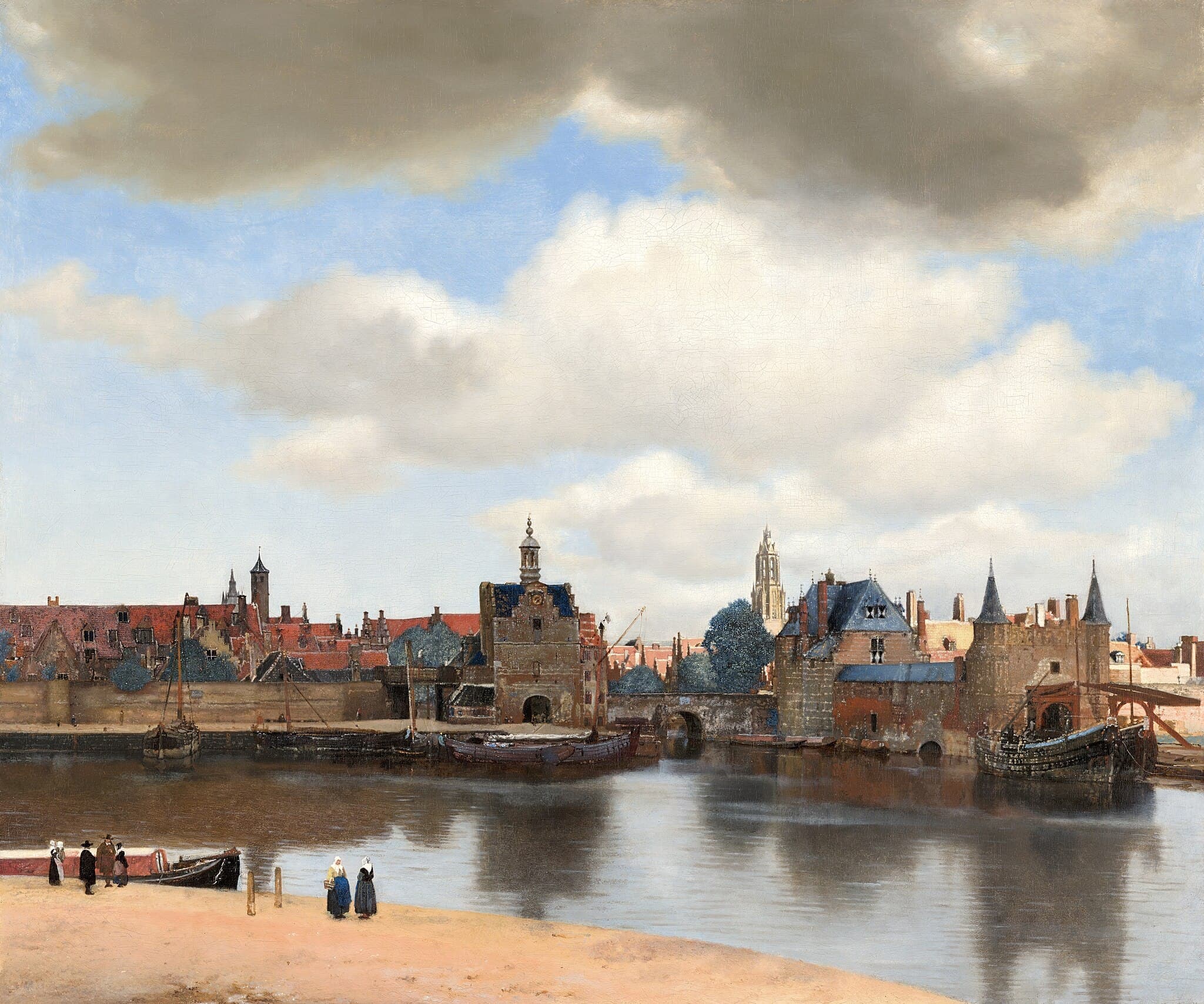
$300-600 million
Valued USD 300–600 million reflecting its status as one of only two Vermeer cityscapes and extreme rarity, though Mauritshuis ownership prevents market testing.
See full valuation →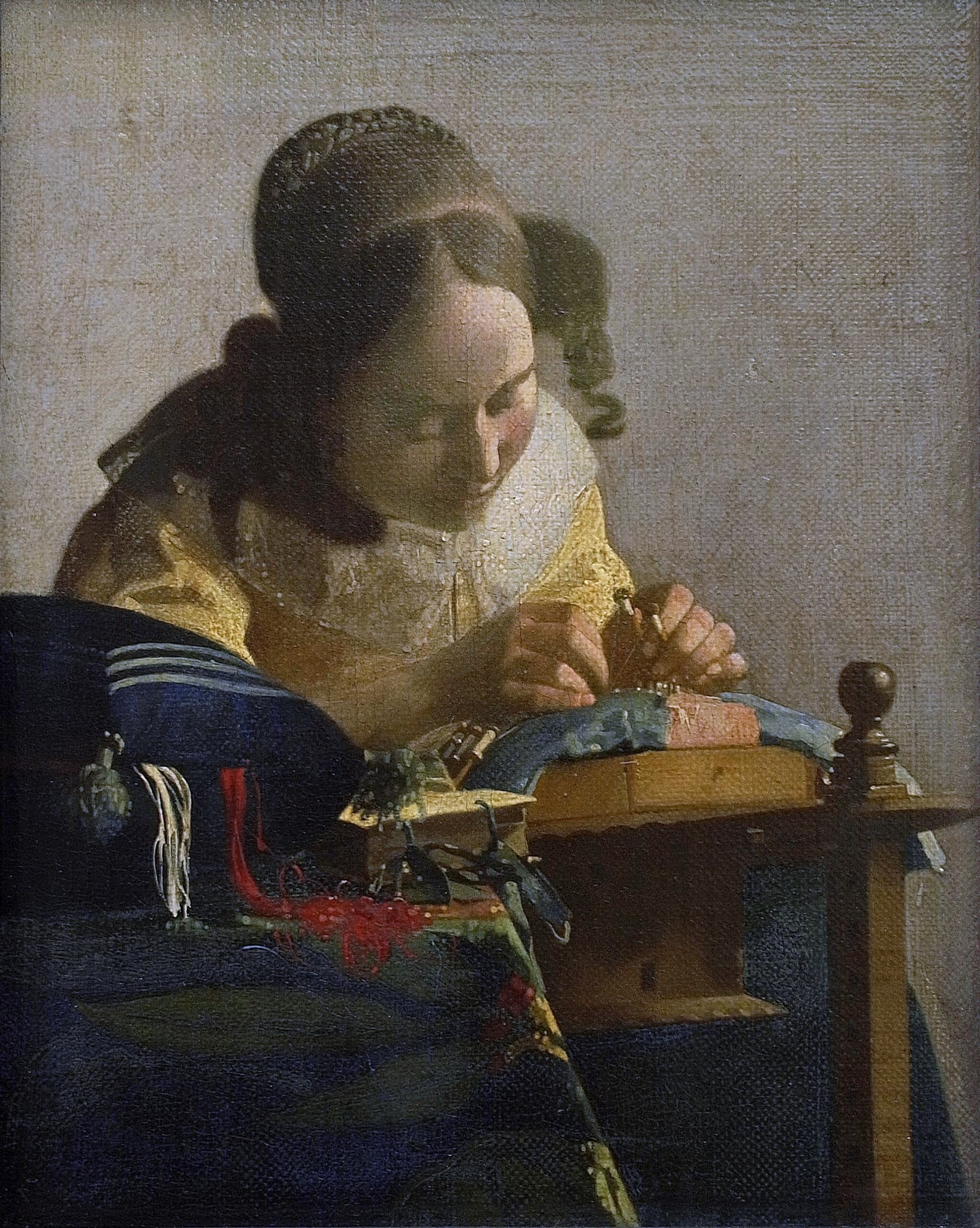
$200–450 million
Hypothetical USD 200–450 million for The Lacemaker reflects late‑period masterpiece status and nine‑figure Old Master benchmarks, tempered by small scale and market depth.
See full valuation →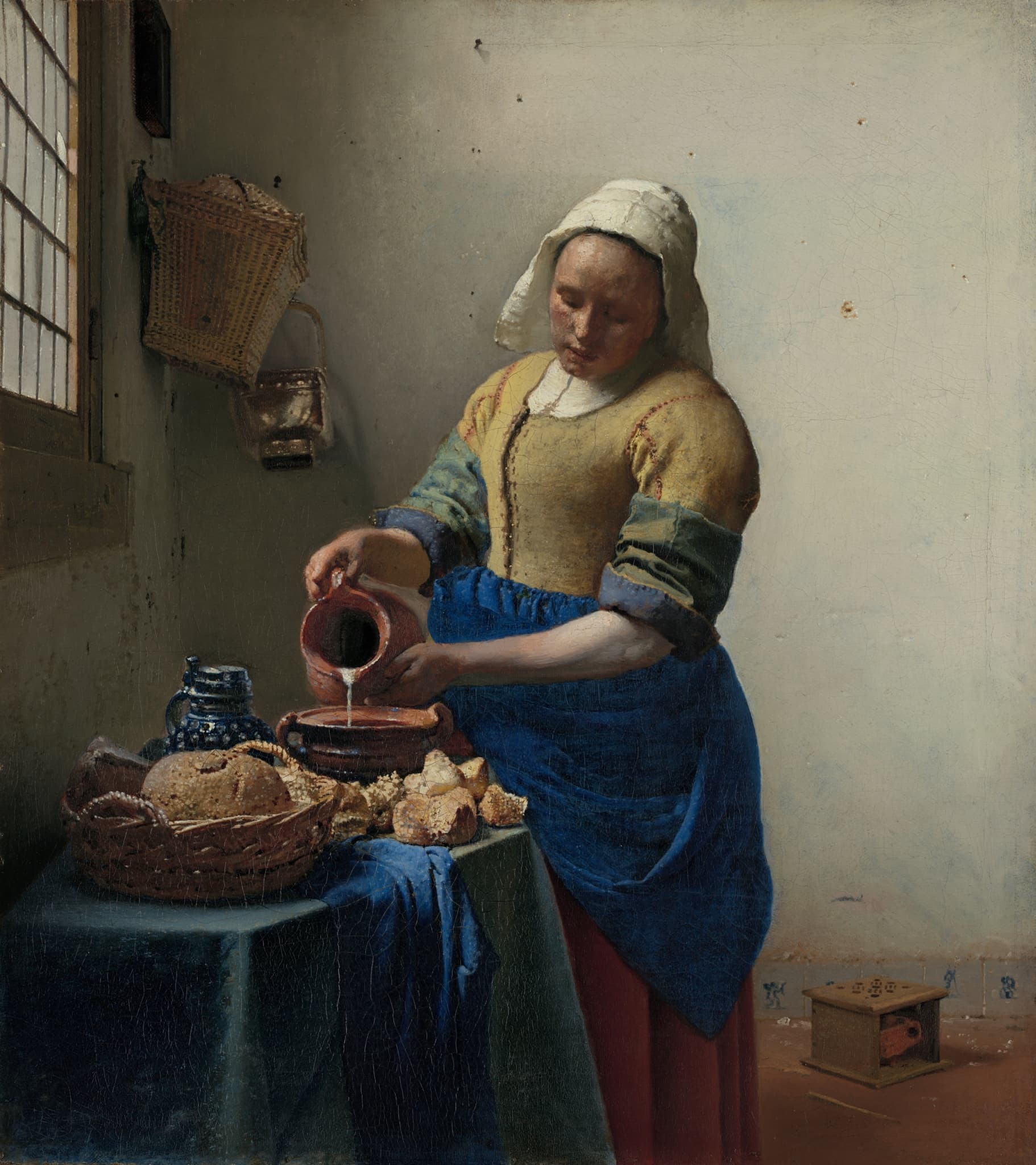
$250–400 million
Estimated USD 250–400 million based on The Milkmaid’s iconic status, pristine condition, Vermeer scarcity, and recent trophy benchmarks for top Old Masters.
See full valuation →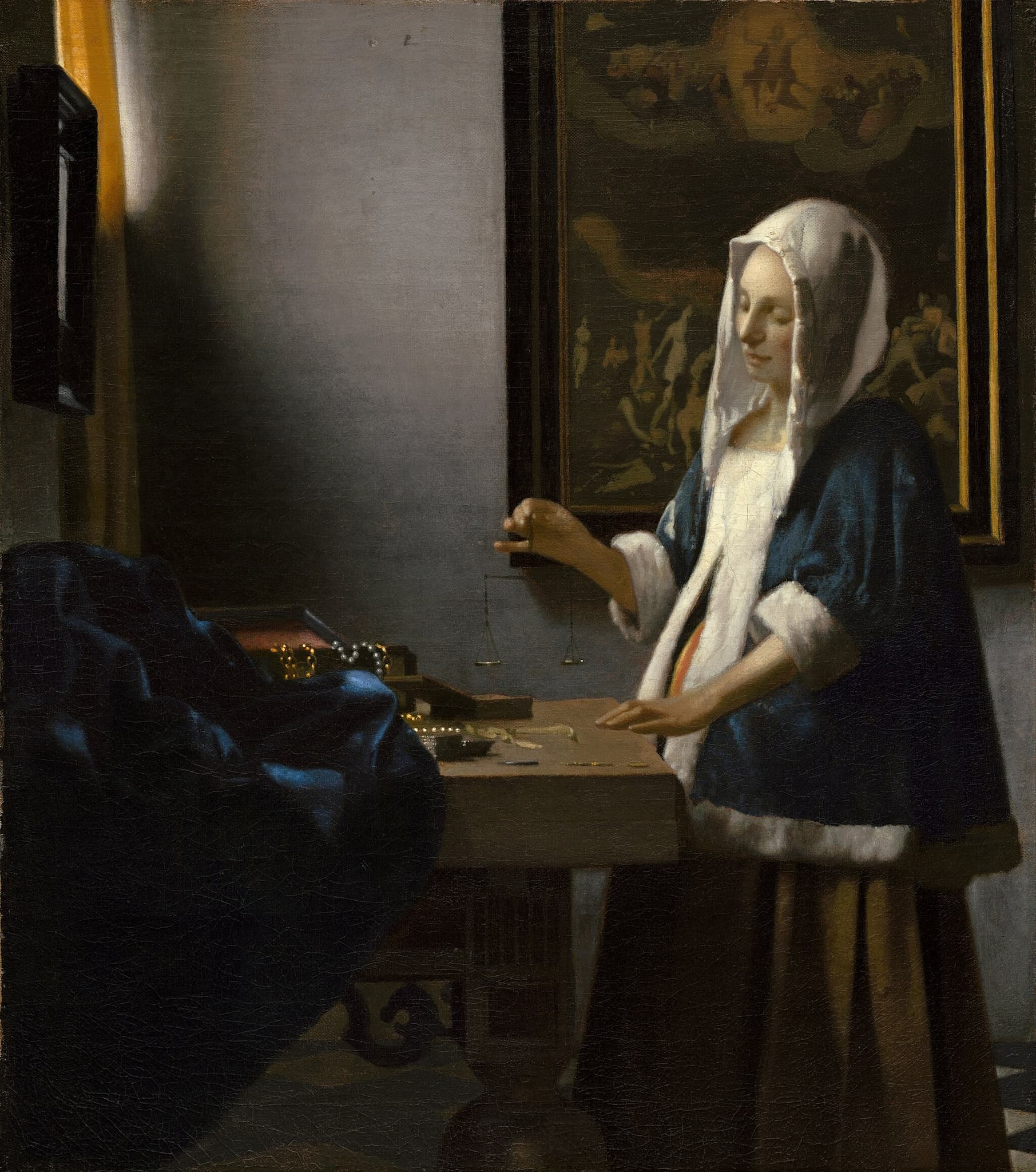
$150-400 million
Valued USD 150–400 million (central USD 200–300M) as a top institutional Vermeer, but National Gallery ownership and deaccession/legal constraints make any sale theoretical.
See full valuation →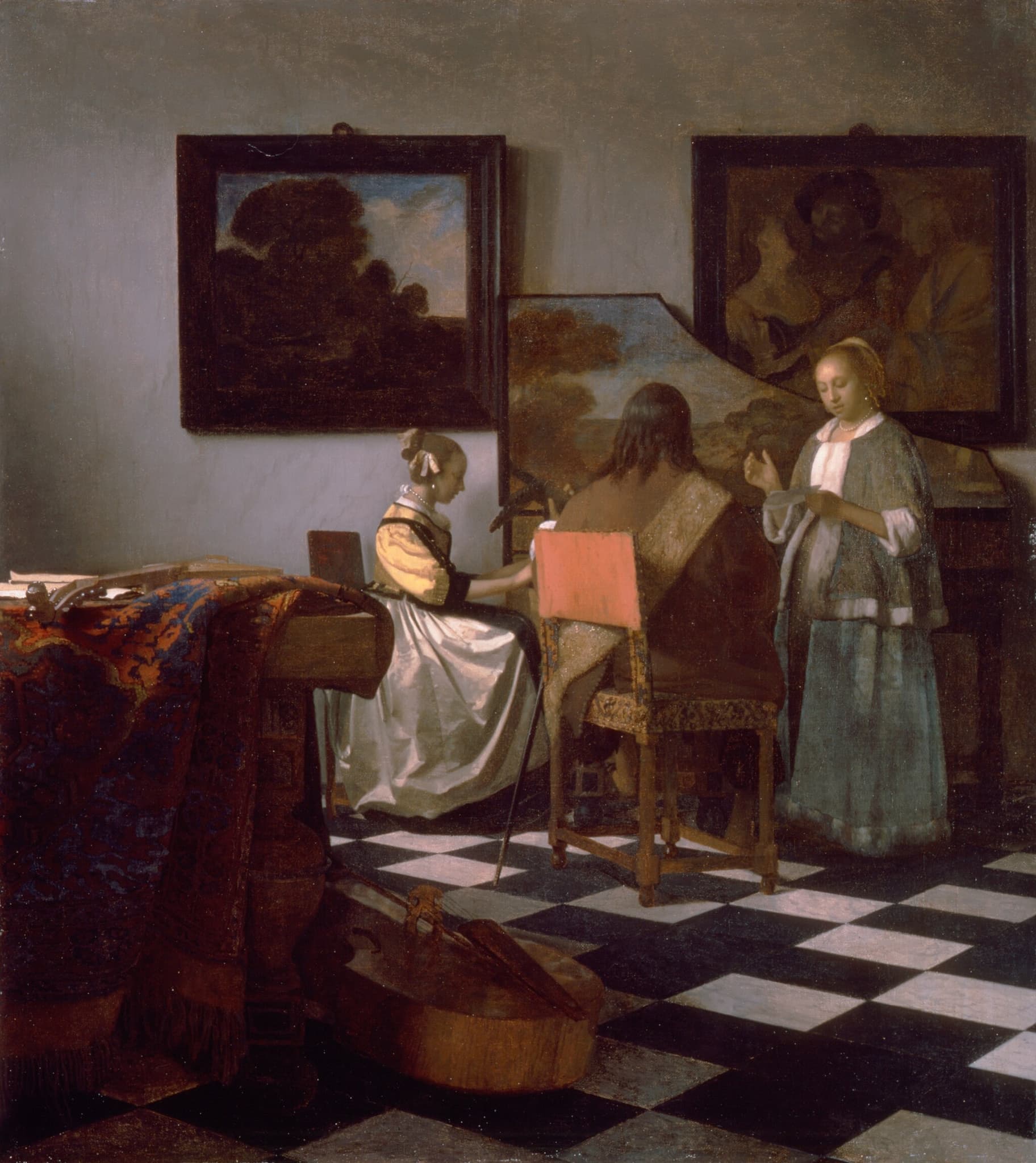
$150-350 million
Conditional valuation USD 150–350 million for The Concert, contingent on recovery, clear title, undisputed authentication and good condition because it remains stolen.
See full valuation →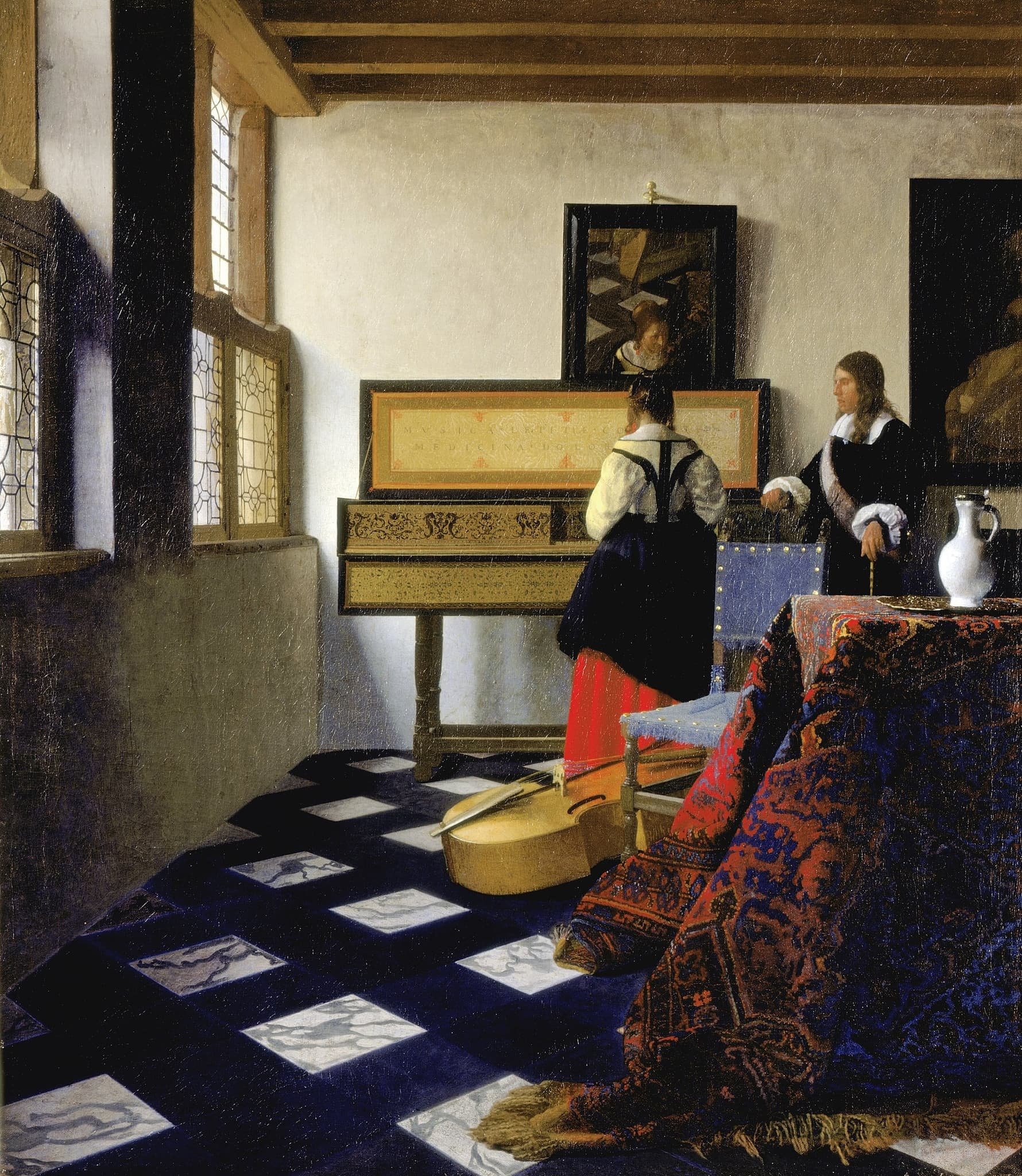
$120-250 million
Estimated USD 120–250 million for the Royal Collection’s Music Lesson if transferable, with potential to exceed USD 300 million in exceptional private strategic sales.
See full valuation →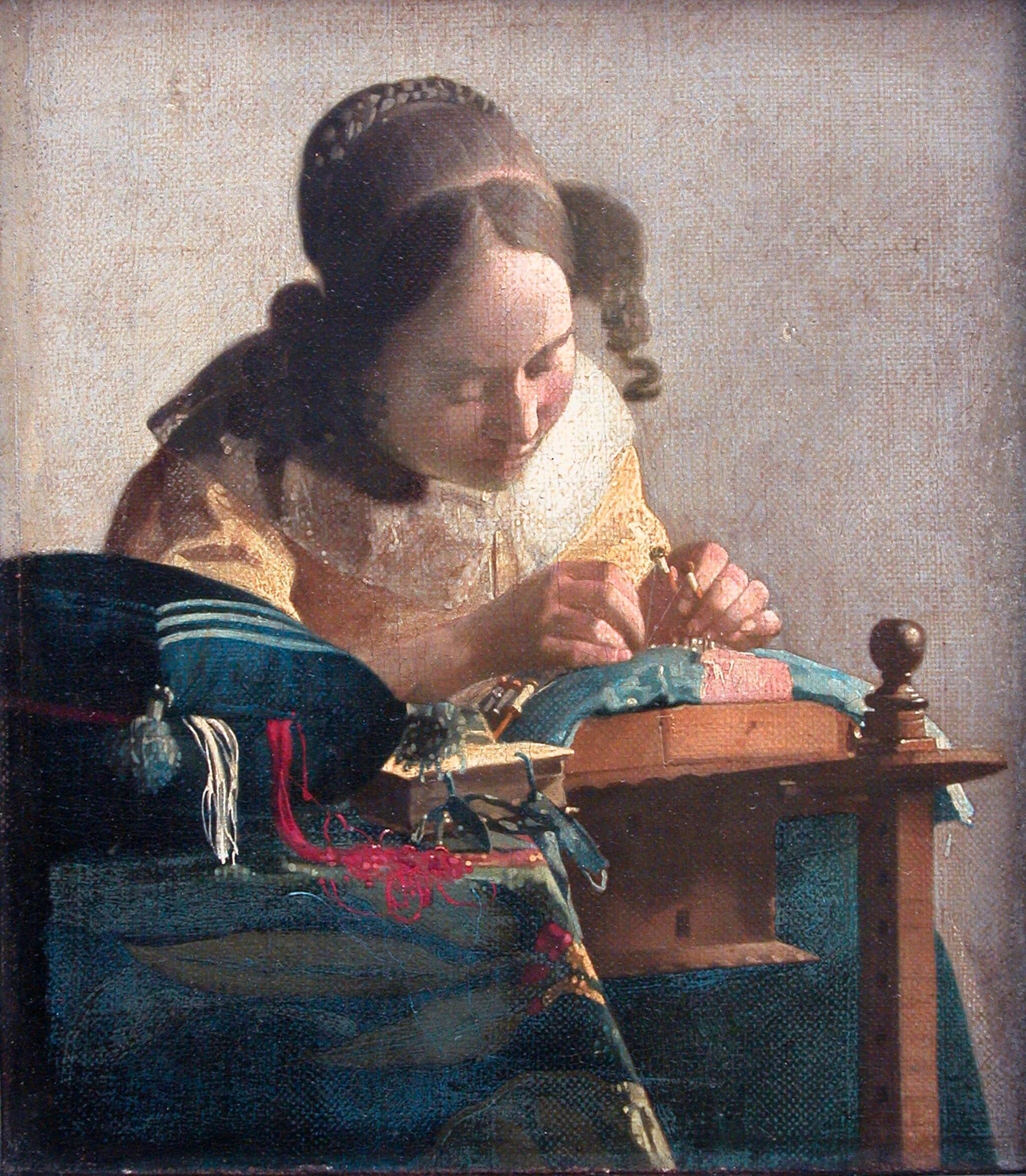
$100-150 million
Conservative hypothetical USD 100–150 million for the Louvre’s Lacemaker, reflecting museum provenance premium and absence of modern public‑sale comparables.
See full valuation →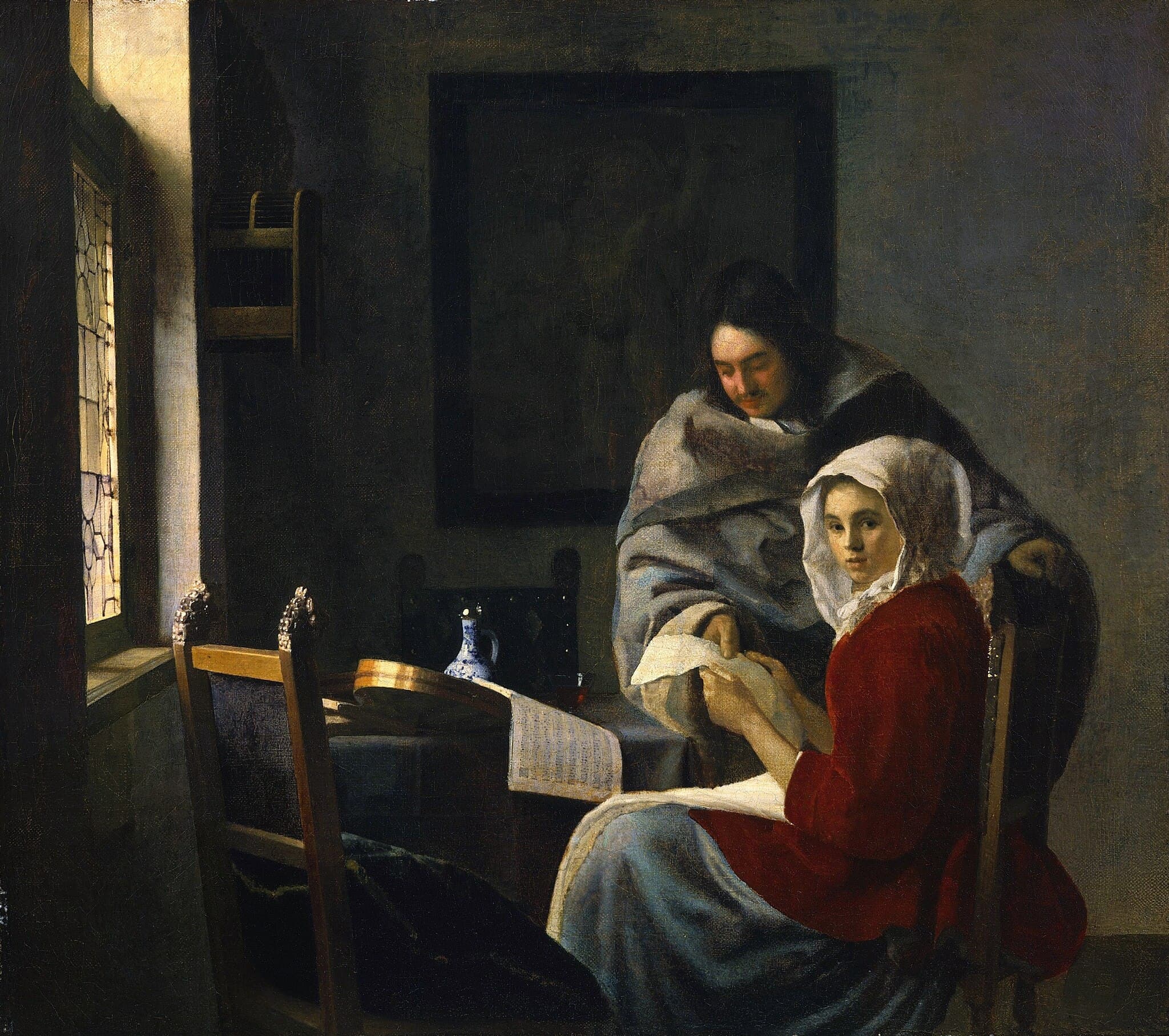
$100-150 million
Valued USD 100–150 million as a museum‑quality, trophy Vermeer in the Frick Collection, but public sale would require extraordinary deaccession circumstances.
See full valuation →What Drives Value in Johannes Vermeer's Work
Subject Rarity within Vermeer’s Compact Oeuvre
Vermeer’s tiny corpus (c.34–37 works) makes certain subject-types uniquely scarce. Cityscapes (only two, notably View of Delft) or large studio meta‑paintings (The Art of Painting) are singular within his output and therefore attract outsized premiums versus more common domestic virginal or kitchen scenes. When a subject type is effectively one‑of‑one for Vermeer, bidders treat it as irreplaceable cultural capital, compressing liquidity while elevating top‑end price potential.
Iconicity and Popular Cultural Status
Some Vermeers function as global cultural emblems—Girl with a Pearl Earring, The Milkmaid and The Lacemaker are reproducible icons that drive public recognition. That celebrity inflates replacement and trophy value, mobilizing sovereign buyers and institutions and increasing reluctance to allow export or deaccession. Iconic status therefore translates directly into higher indemnity/replacement valuations and a premium in any hypothetical competitive acquisition scenario.
Preponderance of Museum/State Ownership and Title Constraints
A disproportionate share of major Vermeers sits in national collections (Mauritshuis, Louvre, Rijksmuseum, National Gallery, Royal Collection, Frick), making market supply effectively nil. Legal inalienability, export controls and donor/deaccession rules (plus high‑profile title problems such as The Concert’s theft from the Isabella Stewart Gardner Museum) mean many works are practically unsellable. That reality pushes valuations toward insurance, indemnity or replacement frameworks rather than conventional auction comparables.
Attribution Certainty, Technical Condition and Support Issues
Because every accepted Vermeer meaningfully changes the canonical count, attribution and conservation findings move prices dramatically. Secure technical validation raises trophy demand, while doubts or structural interventions (the Lacemaker’s transfer to panel) or unresolved title/ownership (The Concert) can slash realizable value. Vermeer buyers demand rigorous IR/X‑ray/pigment reports and provenance clarity; absence of such documentation materially widens discounting and reduces competitive bidding.
Market Context
Johannes Vermeer occupies an ultra‑scarce, museum‑dominated niche—roughly 34–36 accepted paintings—so public auction evidence is minimal and illiquid: the best known modern sale is A Young Woman Seated at a Virginal (~$30.1m, Sotheby’s London, 2004), which understates what a universally accepted, museum‑quality work would fetch. Demand is driven by institutional, sovereign and super‑collector trophy dynamics rather than frequent trades; provenance, technical certainty and condition are decisive. After a soft 2024 at the high end, 2025–26 saw renewed appetite—strong consignments, guarantees and private-sale activity, and records in works on paper—while blockbuster exhibitions (notably the Rijksmuseum) have broadened global interest. In short, a canonical Vermeer would trigger intense cross‑category competition and likely reach mid‑ to high‑nine‑figure territory.