Most Expensive Masaccio Paintings
Masaccio’s oeuvre occupies an almost mythic position in the art market, where revolutionary technique and scarcity converge to make his works among the most coveted by museums and elite collectors. At the pinnacle sits The Tribute Money, hypothetically valued between $1.0–3.0 billion, a testament to Masaccio’s pioneering use of linear perspective and naturalistic light that redefined Renaissance painting. The Holy Trinity, estimated at $300–600 million, and major narrative frescoes like Expulsion from the Garden of Eden and Madonna and Child with St Anne (each placed in the $30–150 million range) underscore how provenance, iconographic depth and technical innovation drive value. Smaller but significant panels—St Peter Healing the Sick with His Shadow ($100–150 million), the Raising of the Son of Theophilus and St Peter Enthroned ($20–150 million), and the central Virgin and Child of the Pisa Polyptych ($20–150 million)—combine rarity and condition to command top prices. Even lesser-known works such as Saints Jerome and John the Baptist ($5–15 million), the San Giovenale Triptych ($2–15 million) and the Berlin Tondo ($200k–$2M) remain collectible for their direct link to Masaccio’s short but transformative career.
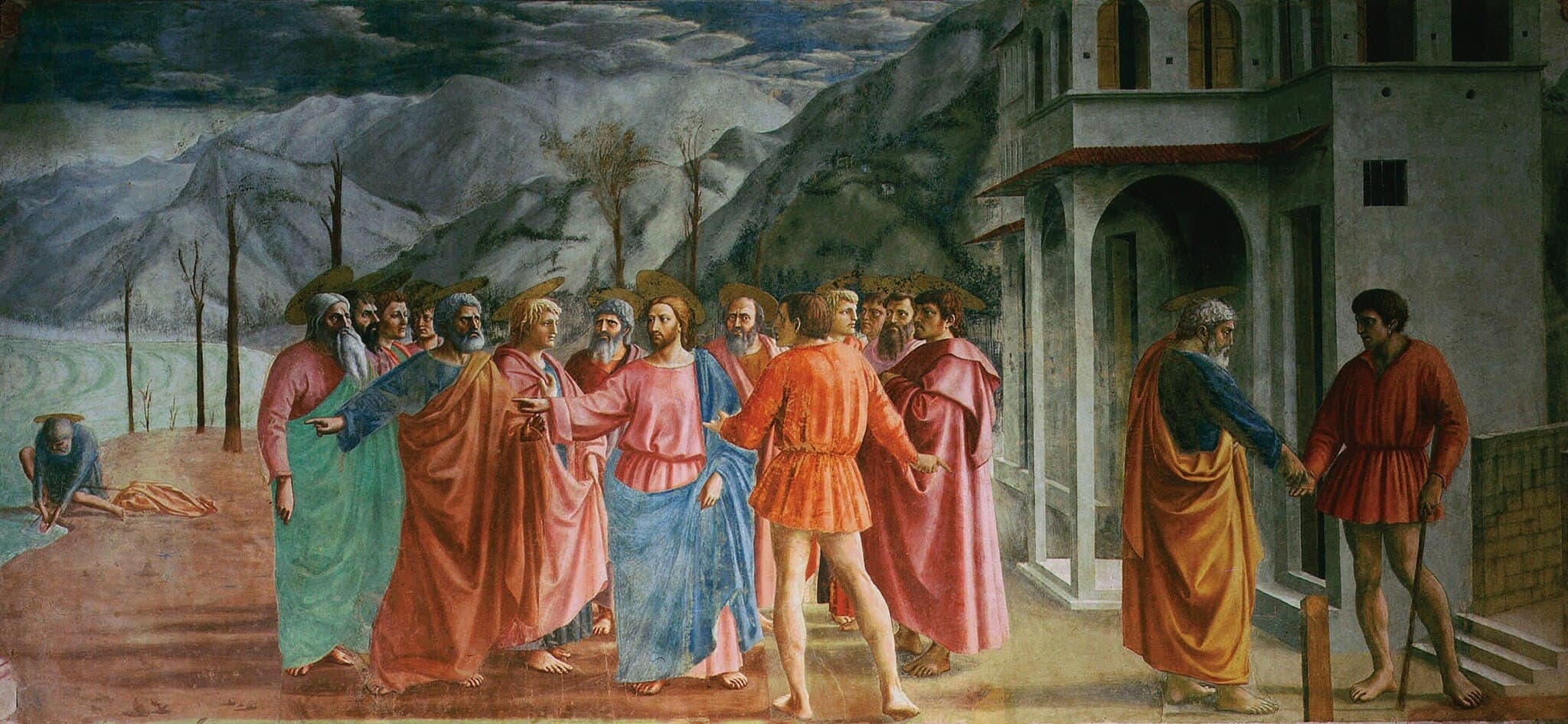
$1.0-3.0 billion
Legally inalienable and unsaleable in situ, Masaccio’s The Tribute Money would nonetheless command an unprecedented hypothetical $1.0–3.0 billion, exceeding top Old Master benchmarks.
See full valuation →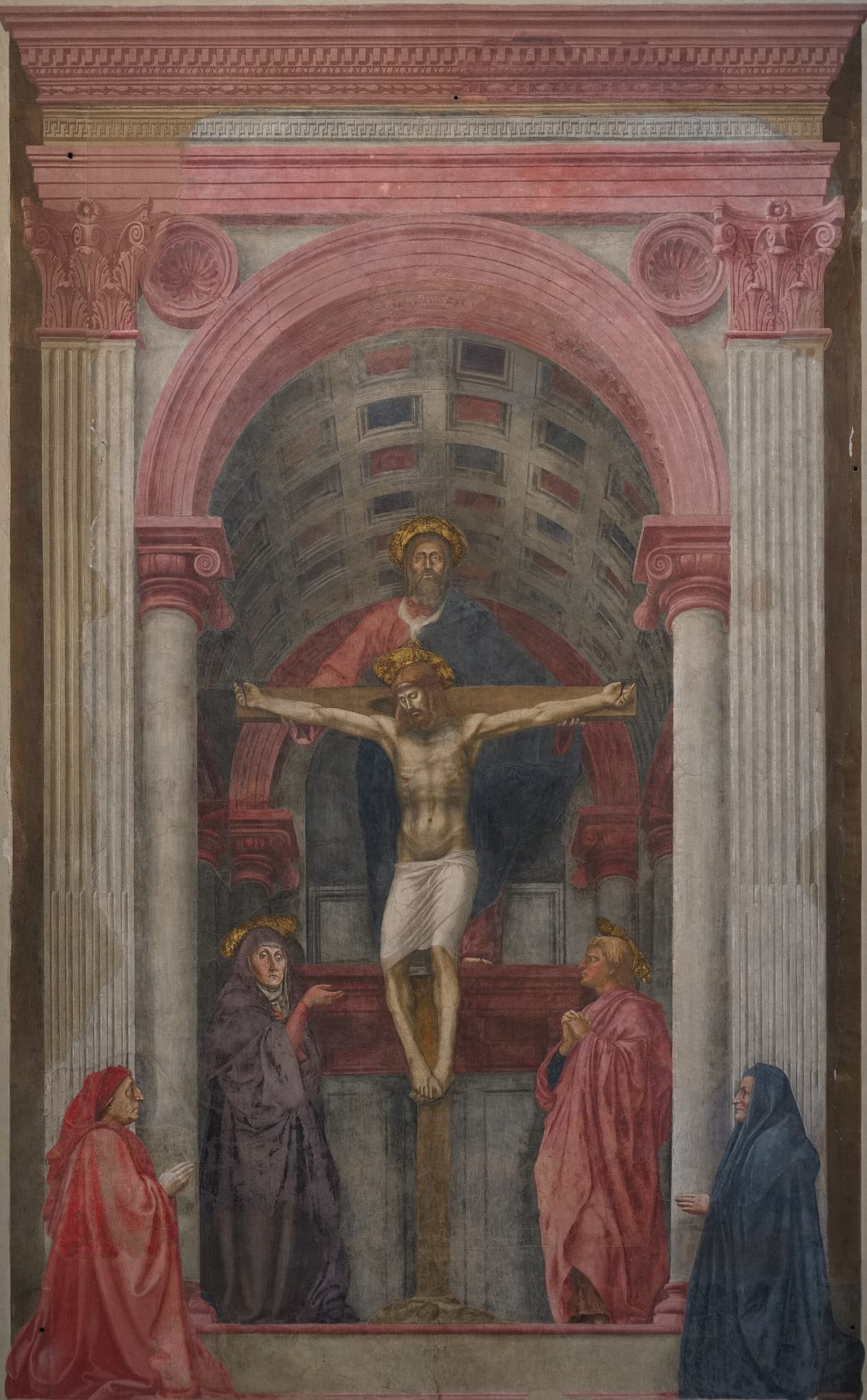
$300-600 million
Although unsaleable under Italian cultural‑heritage law, a hypothetically detachable, autograph Holy Trinity is benchmarked at $300–600 million for top‑of‑oeuvre Masaccio stature.
See full valuation →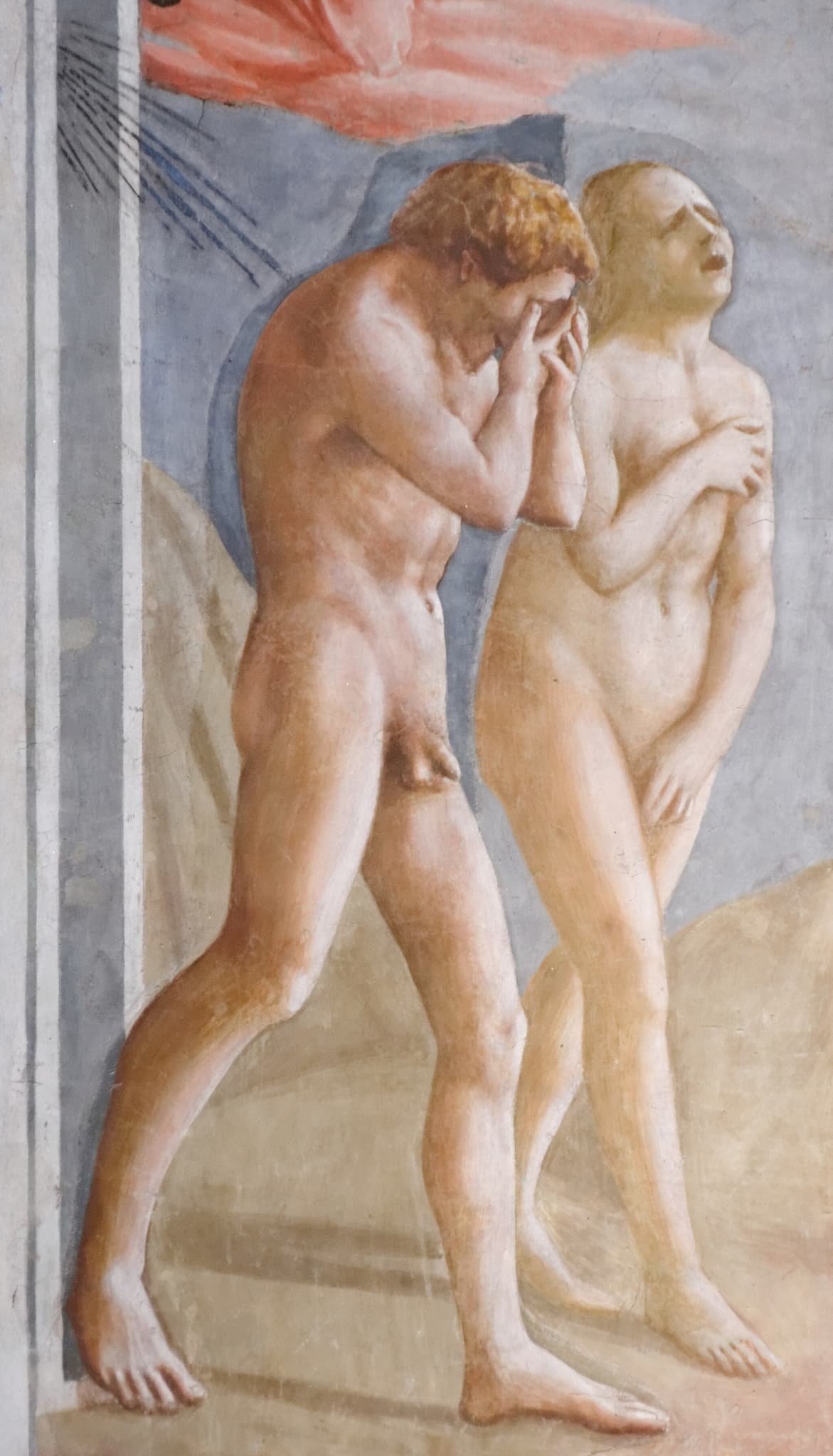
$30-150 million
Protected and in situ, the Brancacci Chapel Expulsion is effectively priceless, yet a hypothetically transferable autograph section is estimated at roughly $30–150 million.
See full valuation →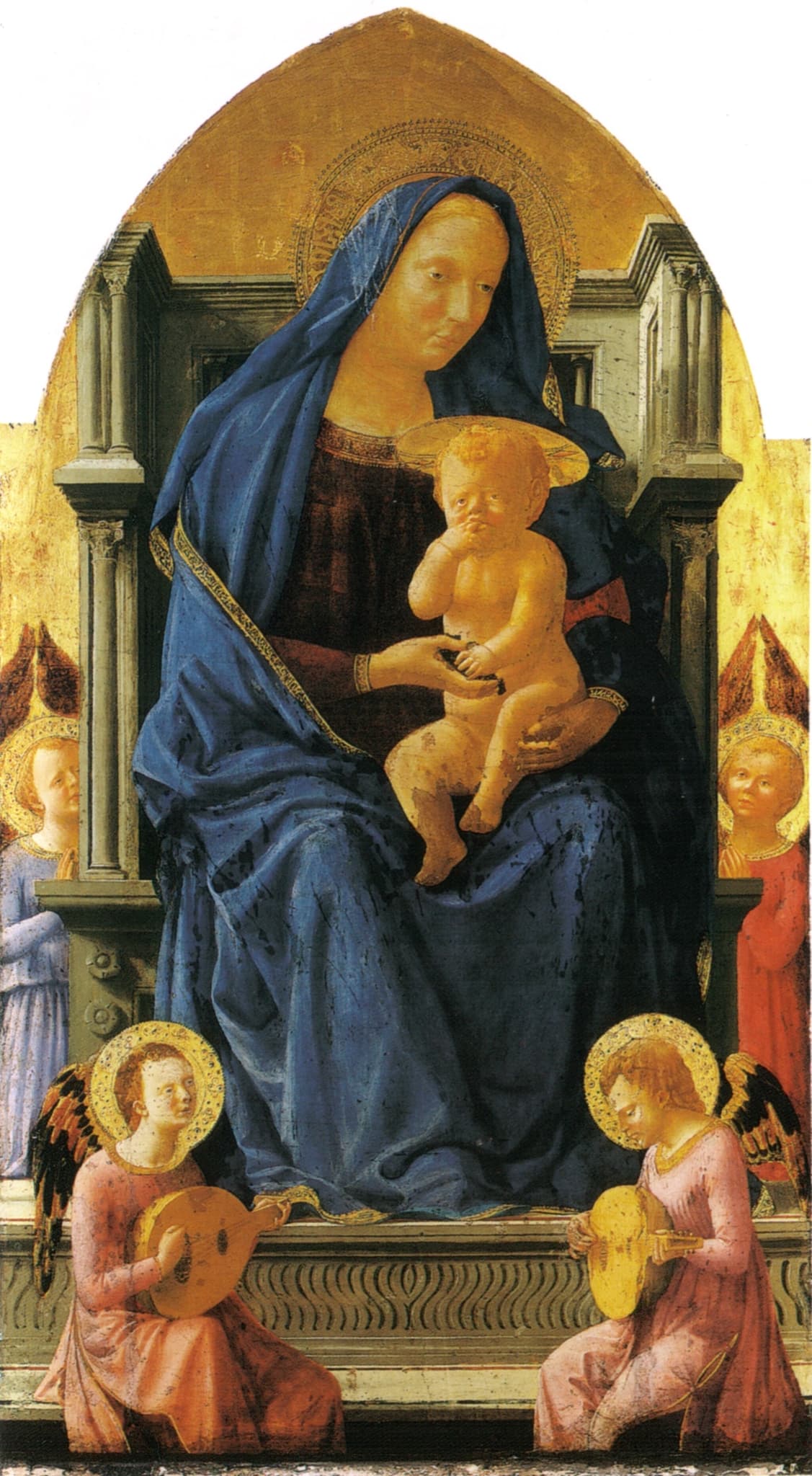
$20-150 million
Held by the National Gallery (NG3046) and never offered on the modern market, the Pisa Polyptych central panel would be worth roughly $20–150 million if accepted as autograph and exportable.
See full valuation →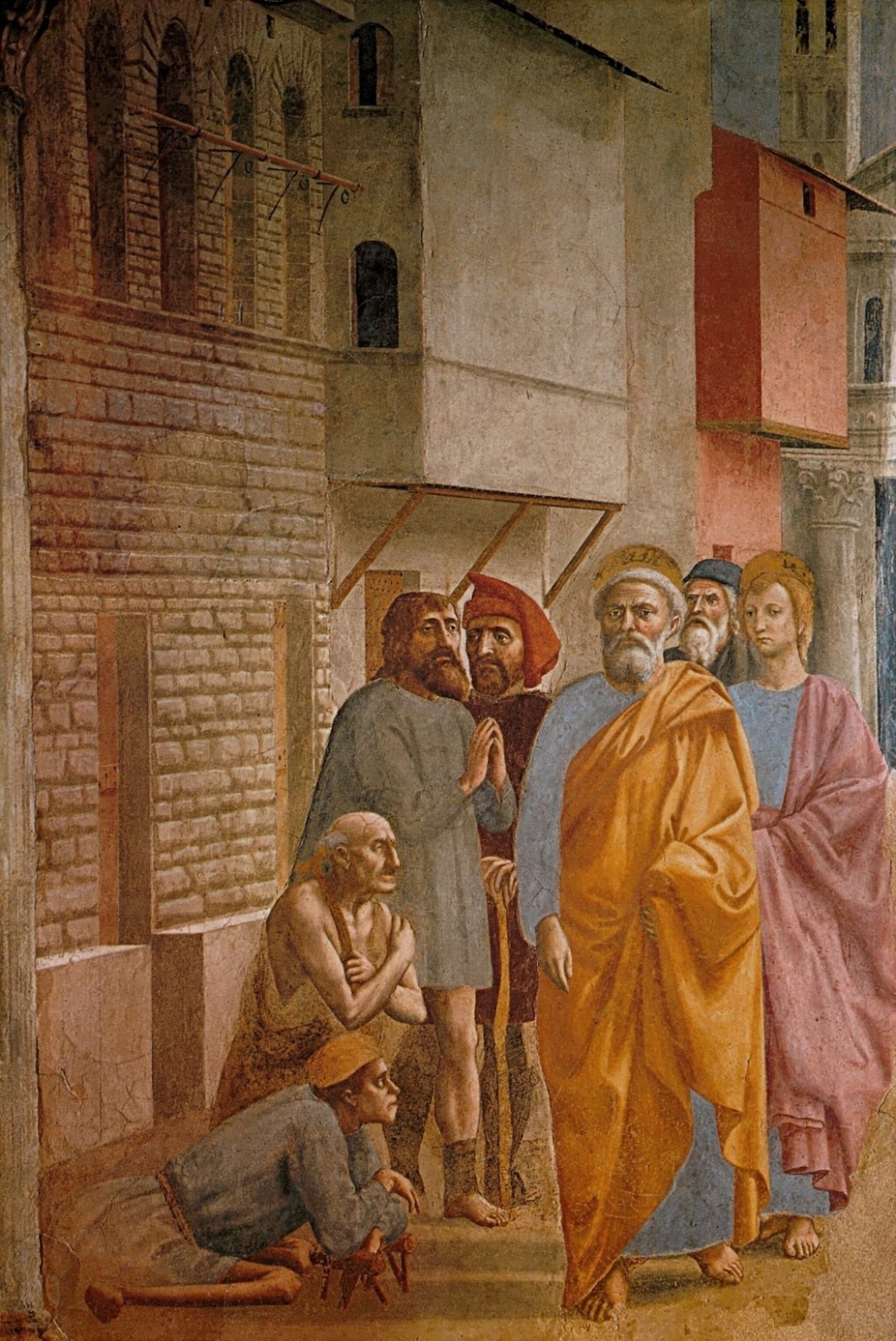
$100-150 million
The Brancacci Chapel’s St Peter Healing the Sick is effectively unsaleable in situ, but a fully authenticated, transferable Masaccio section could be valued at $100–150 million.
See full valuation →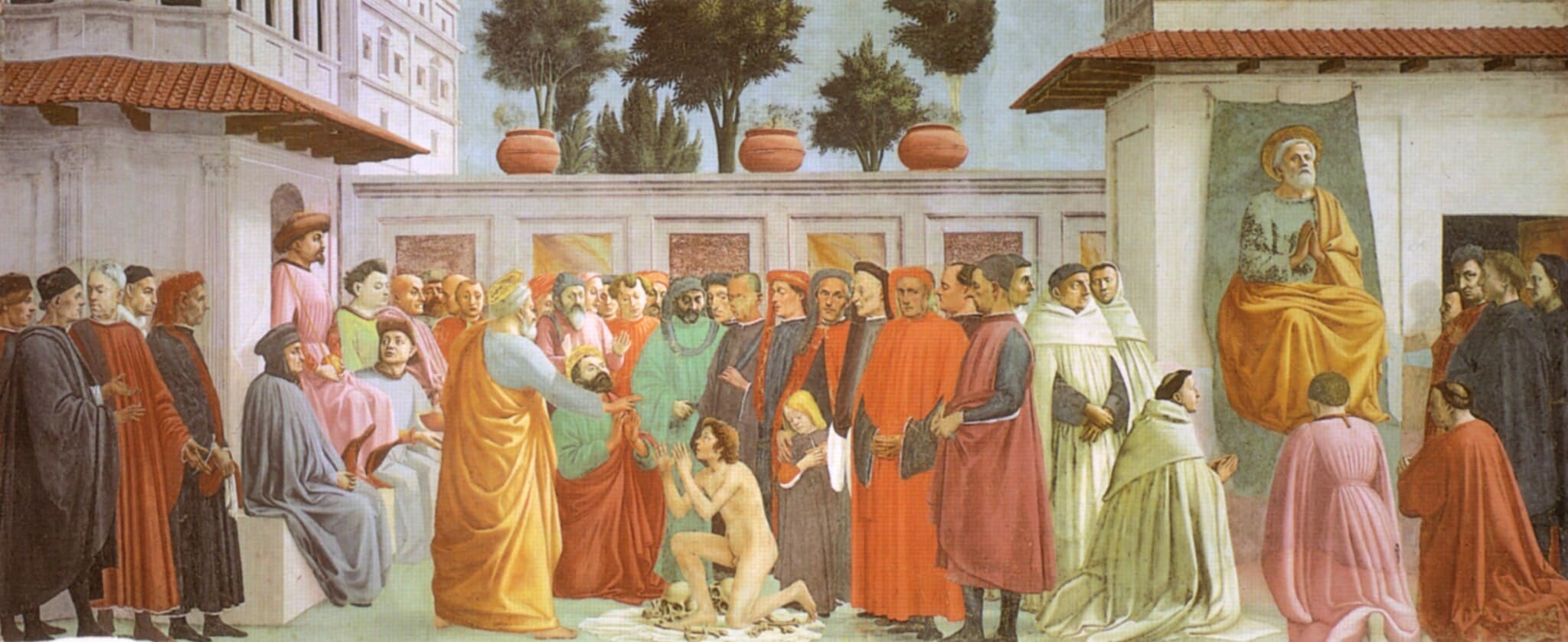
$20-150 million
As a state‑protected wall painting, the Raising of the Son of Theophilus is not for sale; a legally detachable, authenticated equivalent is hypothetically worth $20–150 million.
See full valuation →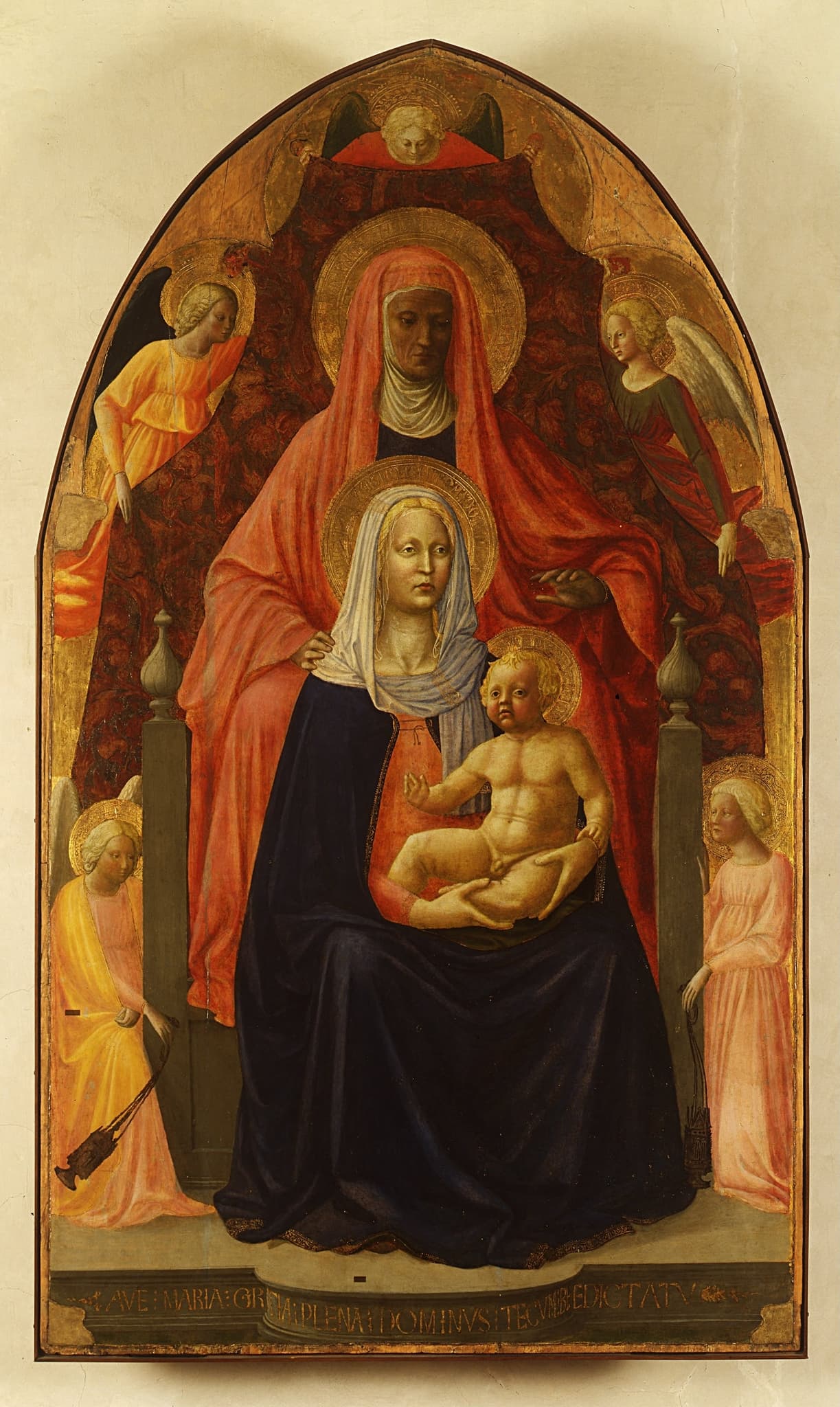
$30-150 million
Uffizi‑held and not marketable, Sant'Anna Metterza would nonetheless fetch an estimated $30–150 million on the free market if indisputably autograph and exportable.
See full valuation →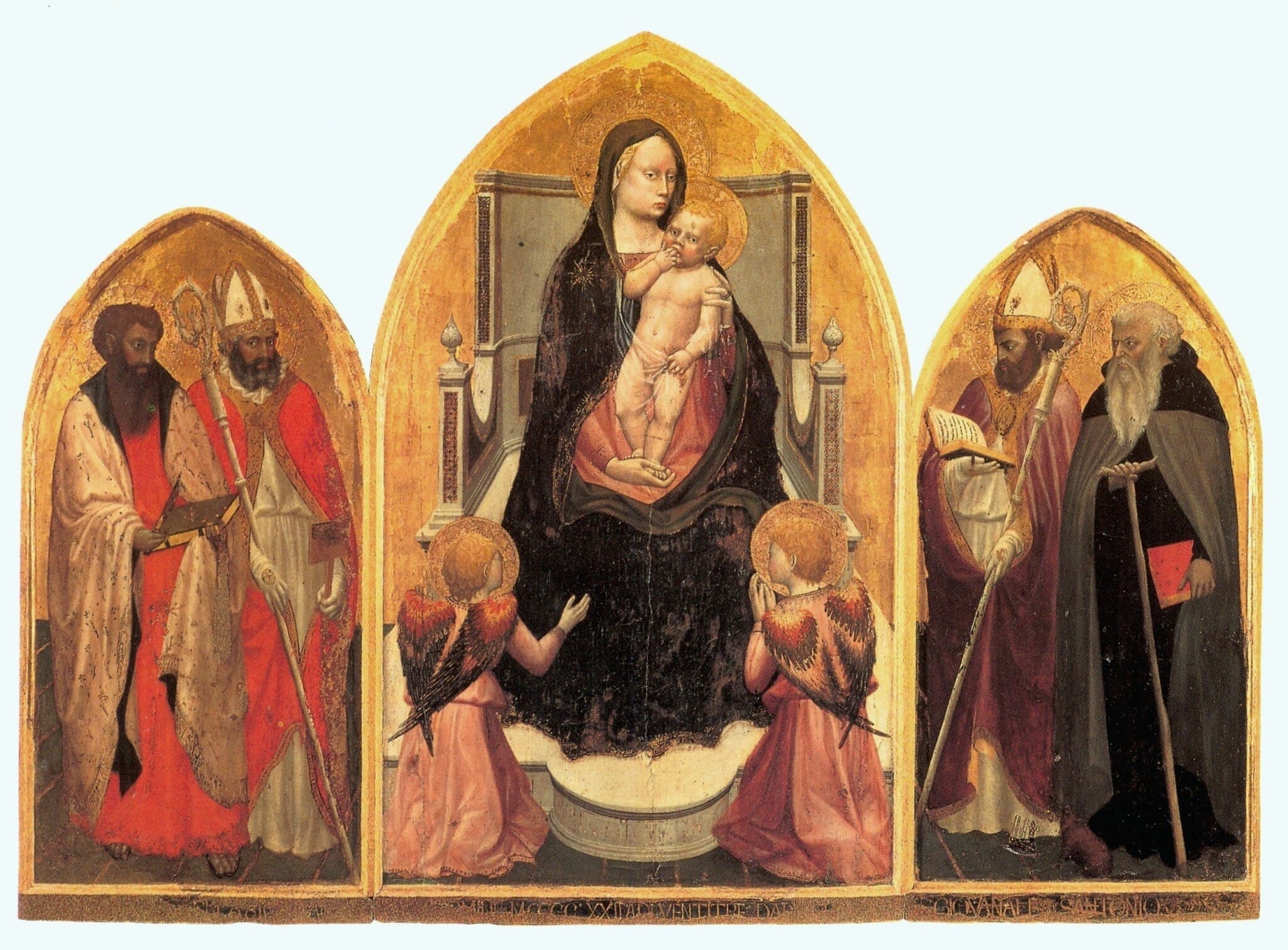
$2-15 million
Effectively not for sale under Italian patrimony rules, the San Giovenale Triptych’s hypothetical transferable value is a tentative $2–15 million with low confidence.
See full valuation →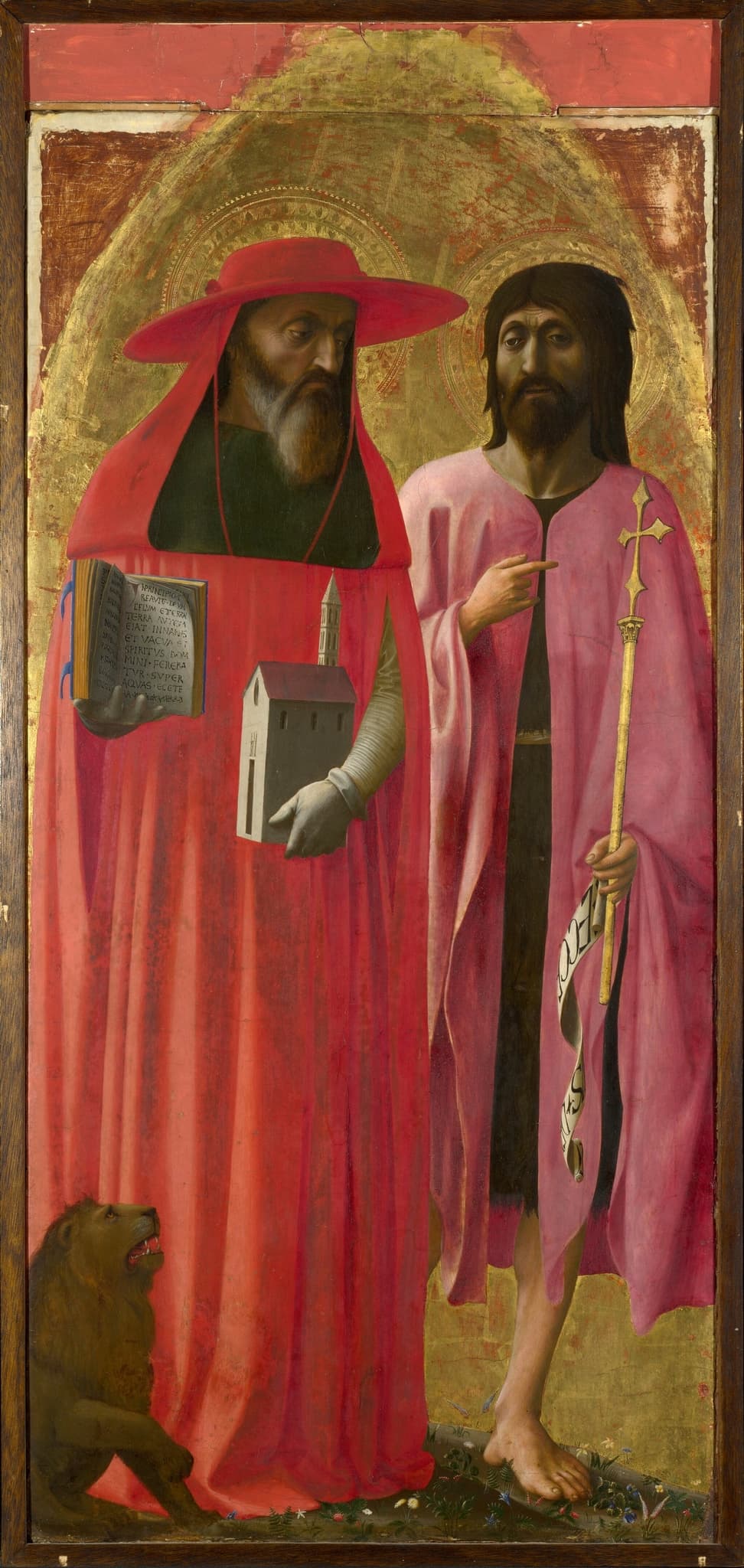
$5-15 million
National Gallery panel NG5962, securely held and rarely marketable, would realistically fetch about $5–15 million if legitimately offered as an accepted autograph Masaccio.
See full valuation →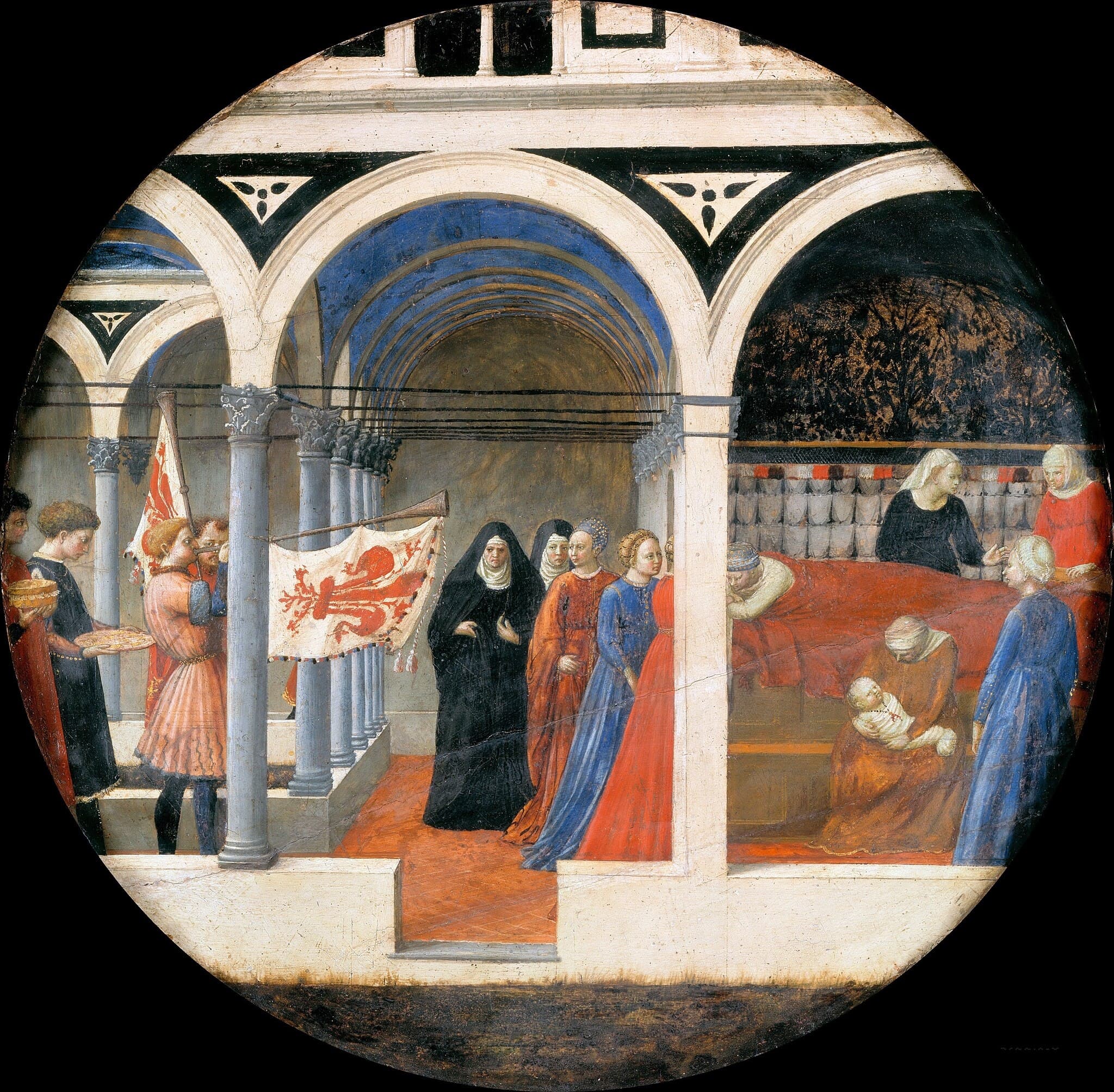
$200k-$2M
Catalogued as workshop/circle and museum‑held, the Berlin Tondo’s market value is modestly estimated at $200k–2M unless technical study confirms secure autograph status.
See full valuation →What Drives Value in Masaccio's Work
Canonical Brancacci/Trinity Status (blue‑chip multiplier)
Masaccio works that are central to the Brancacci cycle or the Holy Trinity—most notably The Tribute Money, Expulsion from the Garden of Eden and Holy Trinity—carry outsized cultural capital. Their role in defining Early Renaissance practice turns them into “blue‑chip” objects: even hypothetical transferable examples command multiples above ordinary Quattrocento panels because they function as epochal touchstones in museum narratives and scholarship, attracting sovereigns, institutions and foundation consortia.
Autograph vs Workshop Attribution (Masaccio vs Masolino/atelier)
Because Masaccio’s securely attributed painted corpus is tiny, attribution is the single greatest price lever. Works treated as autograph—e.g., a convincingly Masaccio Sant'Anna Metterza or a securely dated Pisa Polyptych central panel—move into trophy territory, whereas pieces ascribed to Masolino, the workshop or later hands (common issues for the Berlin Tondo or parts of the Brancacci cycle) see value fall by orders of magnitude. Technical consensus and leading‑museum endorsements are decisive.
Medium & Portability: fresco vs portable panel
Masaccio’s most famous achievements are immured fresco cycles; The Tribute Money and Raising of the Son of Theophilus are essentially non‑tradeable in situ. Portable panels (Pisa Polyptych central panel, San Giovenale Triptych) therefore attract a premium because they are marketable. Conversely, fresco origin imposes detachment risk, conservation uncertainty and steep liquidity discounts—buyers price both the loss of architectural context and technical detachment hazards into any offer.
Italian patrimony, institutional custody and exportability
Nearly all prime Masaccio works are in Italian churches or museums and fall under strict cultural‑heritage controls (Holy Trinity, Brancacci Chapel pieces, San Giovenale Triptych). That legal reality often makes commercial sale impossible or politically fraught, truncating the buyer universe. Even when condition and attribution align, state pre‑emption, export bans and moral‑political pressure materially reduce practical realizable value versus hypothetical market ceilings.
Market Context
Masaccio’s commercial market is effectively non‑existent: securely attributed autograph works are immovable frescoes or museum‑held panels, and there is no modern public auction record for a confirmed Masaccio painting or drawing. Price discovery therefore relies on adjacent Old Master benchmarks—recent top‑end results such as Botticelli’s $92.2m and a 2026 Michelangelo drawing record—and on institutional interventions. Leading museums, states/sovereign actors and a handful of UHNW collectors would form the buyer universe for any hypothetical sale, and demand has shown selective strength: a 2024 softening was followed by a 2025–26 rebound driven by exceptional supply, rediscoveries and record results. Legal export controls and institutional stewardship keep supply constrained, so a tradeable, museum‑quality Masaccio would likely command prices beyond prior Old Master highs.