Most Expensive Paul Cézanne Paintings
Paul Cézanne occupies a singular market standing as the bridge between Impressionism and modernism, and his most expensive canvases are coveted not only for their provenance and rarity but for the way they codify a new language of form and structure. Leading the pack is The Card Players — often valued at an eye-watering $275–400 million — whose austere geometry and psychological intensity have made it a trophy for museums and elite collectors alike. Equally prized are his still lifes, from The Basket of Apples ($180–240 million) and Still Life with a Basket of Apples ($150–200 million) to Still Life with Apples and Oranges ($120–200 million) and Rideau, Cruchon et Compotier ($100–150 million), works whose modulation of color and mass transformed commonplace objects into studies of equilibrium. His Mont Sainte-Victoire and The House of the Hanged Man (each $120–180 million) exemplify the seismic impact of his landscapes, while portraits such as Boy in a Red Vest ($100–150 million), Madame Cézanne in a Red Armchair ($95–135 million) and Portrait of Ambroise Vollard ($50–120 million) demonstrate his psychological acuity. Collectors prize Cézanne for the historical significance, technical innovation and scarcity that together underpin these staggering price points.
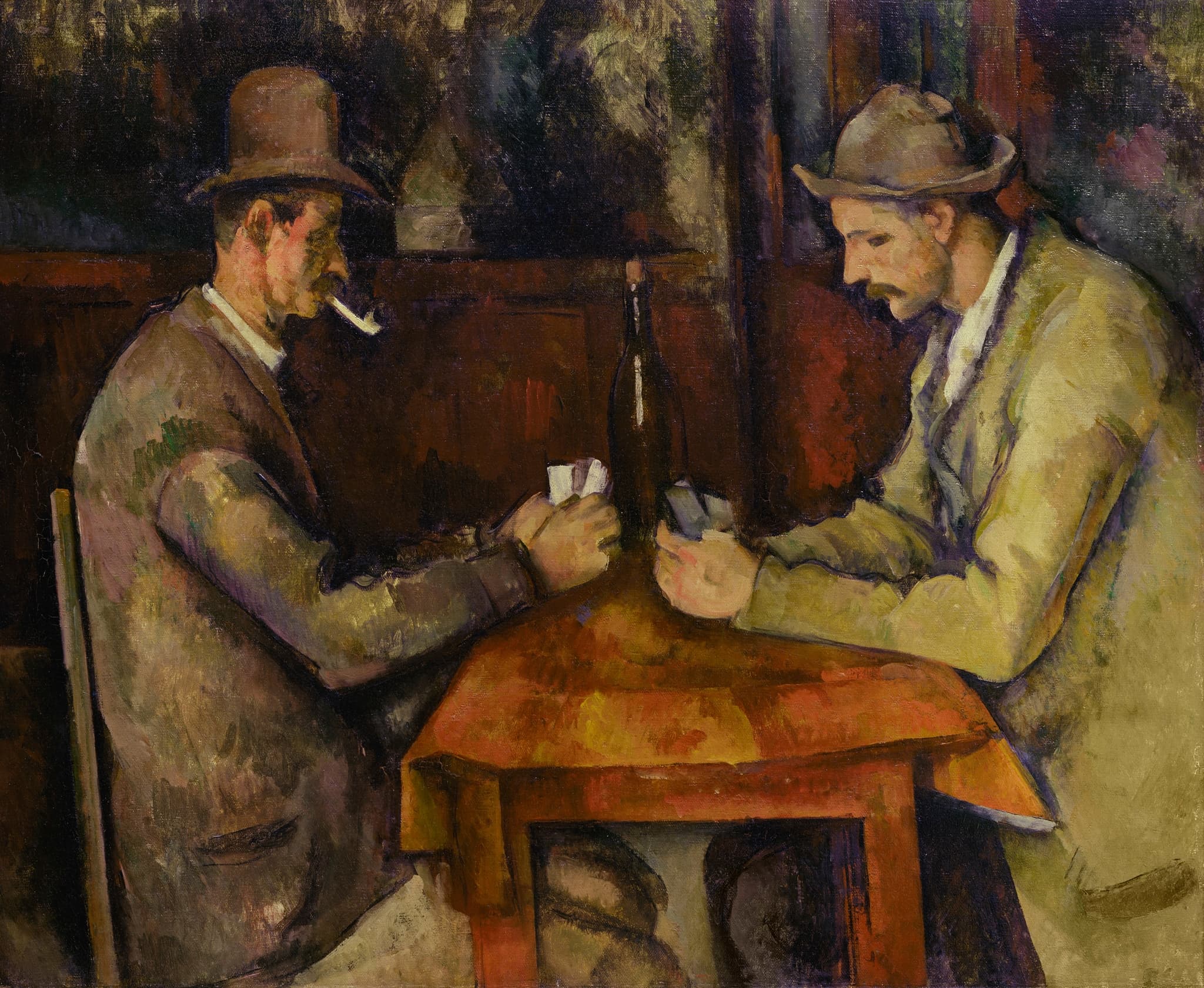
$275-400 million
A canonical Card Players from Cézanne’s series would command roughly $275–400M today, anchored by a reported c.2011 private sale near $250M and a $137.8M auction benchmark.
See full valuation →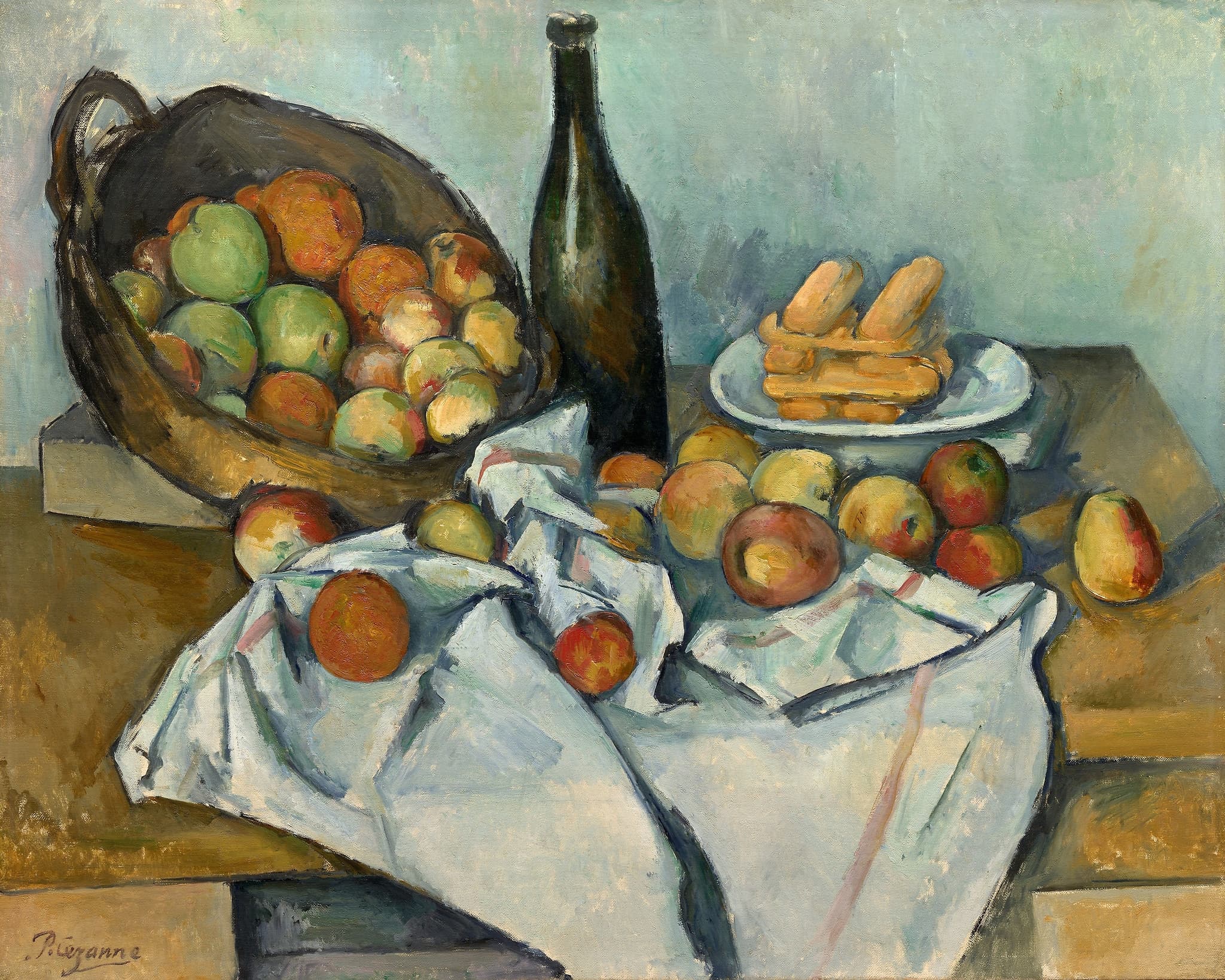
$180-240 million
The Basket of Apples would likely exceed Cézanne’s public record—estimated $180–240M—based on the $137.79M auction high and private Card Players precedent near $250M.
See full valuation →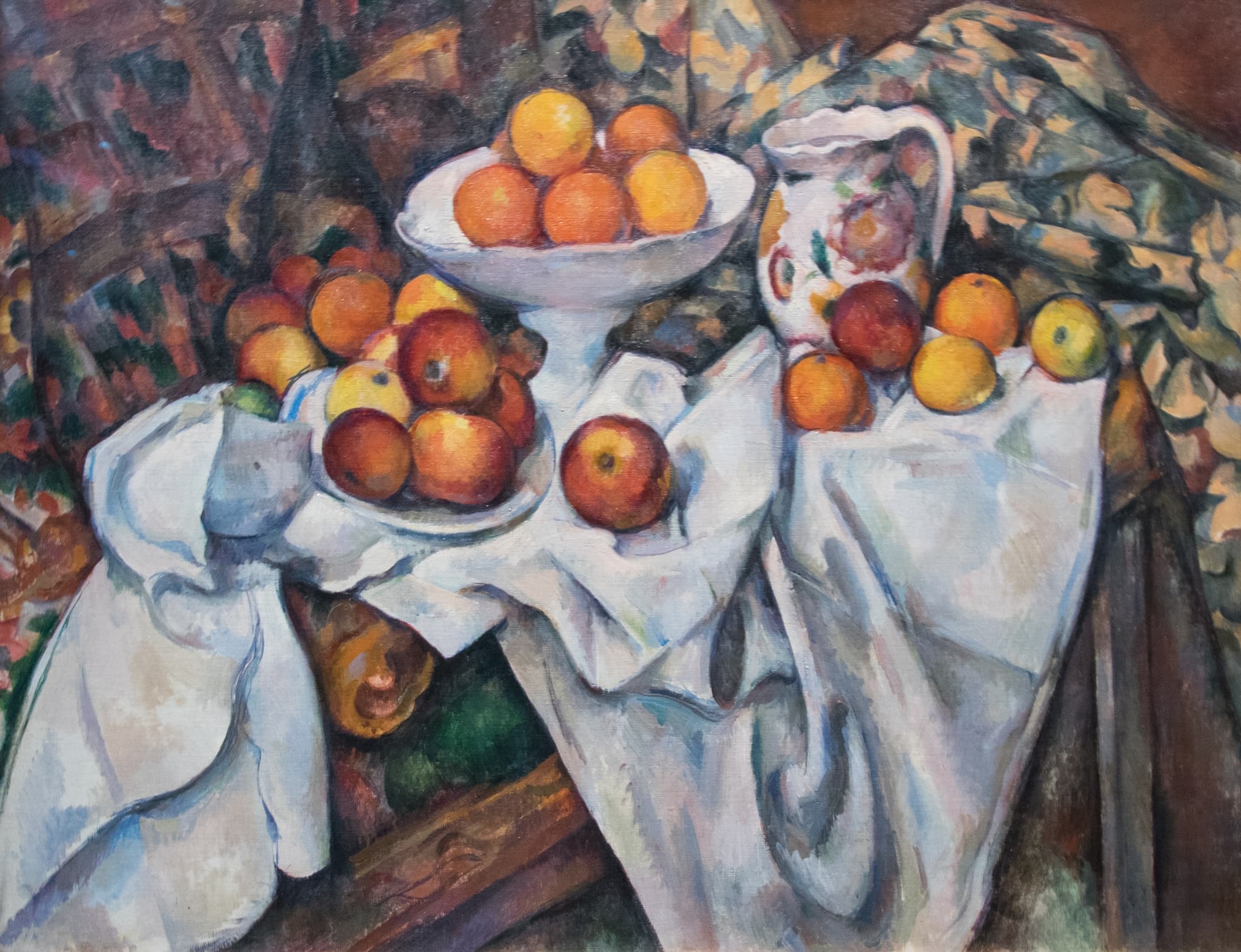
$120-200 million
Musée d’Orsay’s Still Life with Apples and Oranges is estimated at $120–200M today, bracketing Cézanne’s $137.8M auction record for a comparable late still life.
See full valuation →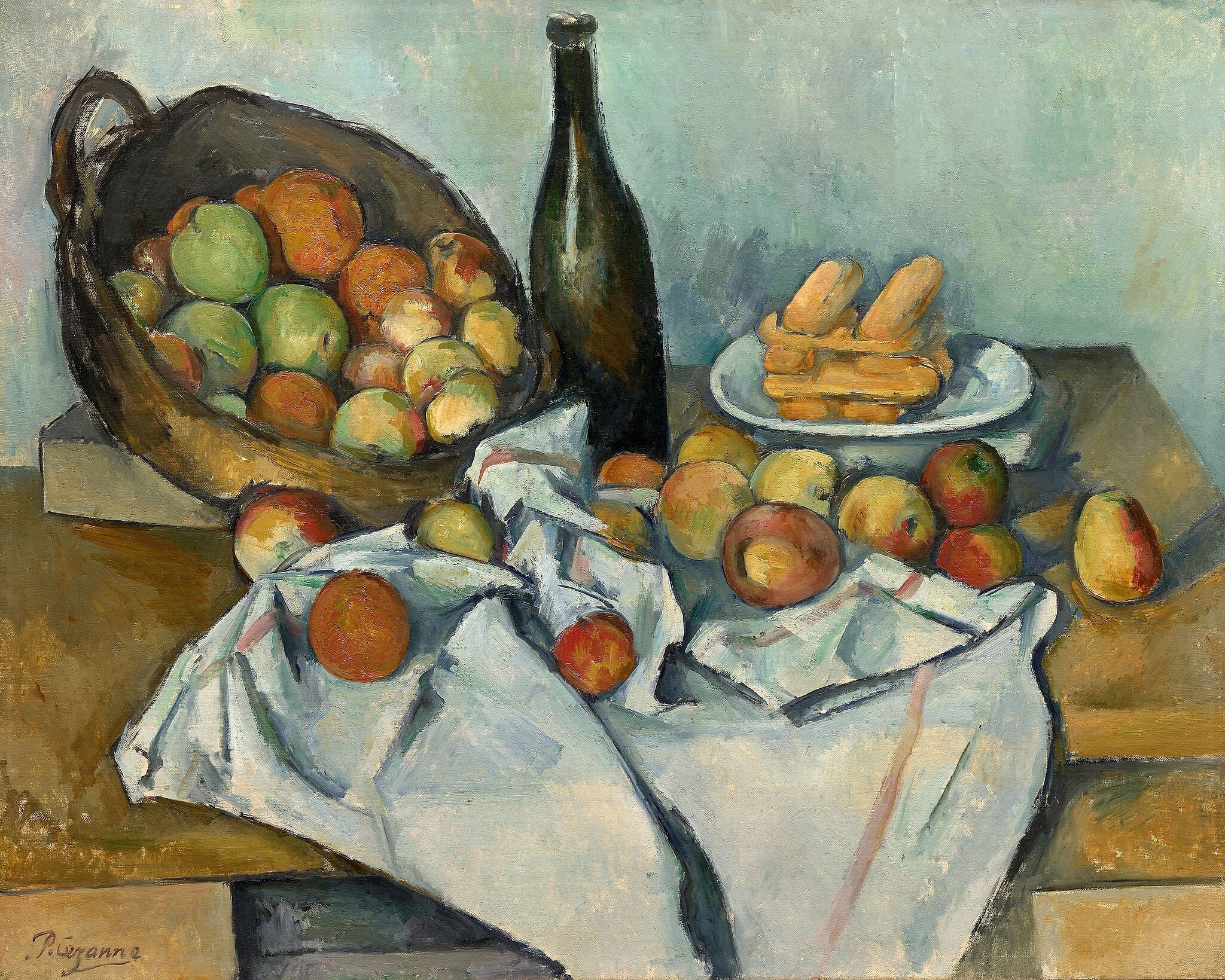
$150-200 million
The Art Institute’s Basket of Apples is a museum‑grade Cézanne still life with an estimated replacement value of $150–200M, benchmarked to the $137.79M auction record.
See full valuation →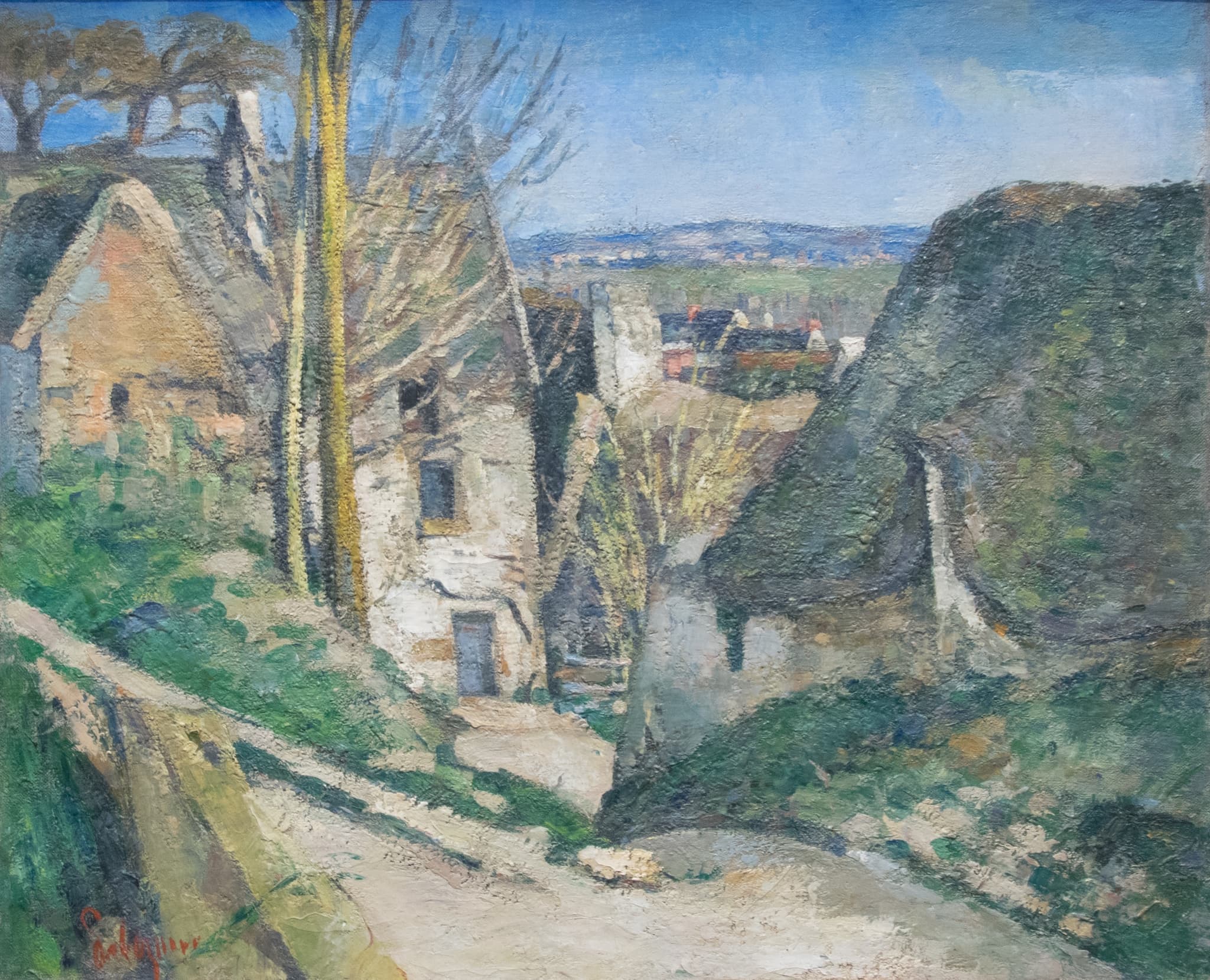
$120-180 million
The House of the Hanged Man (1873) is hypothetically valued at $120–180M, anchored to the $137.8M Cézanne landscape auction benchmark and presumed strong condition.
See full valuation →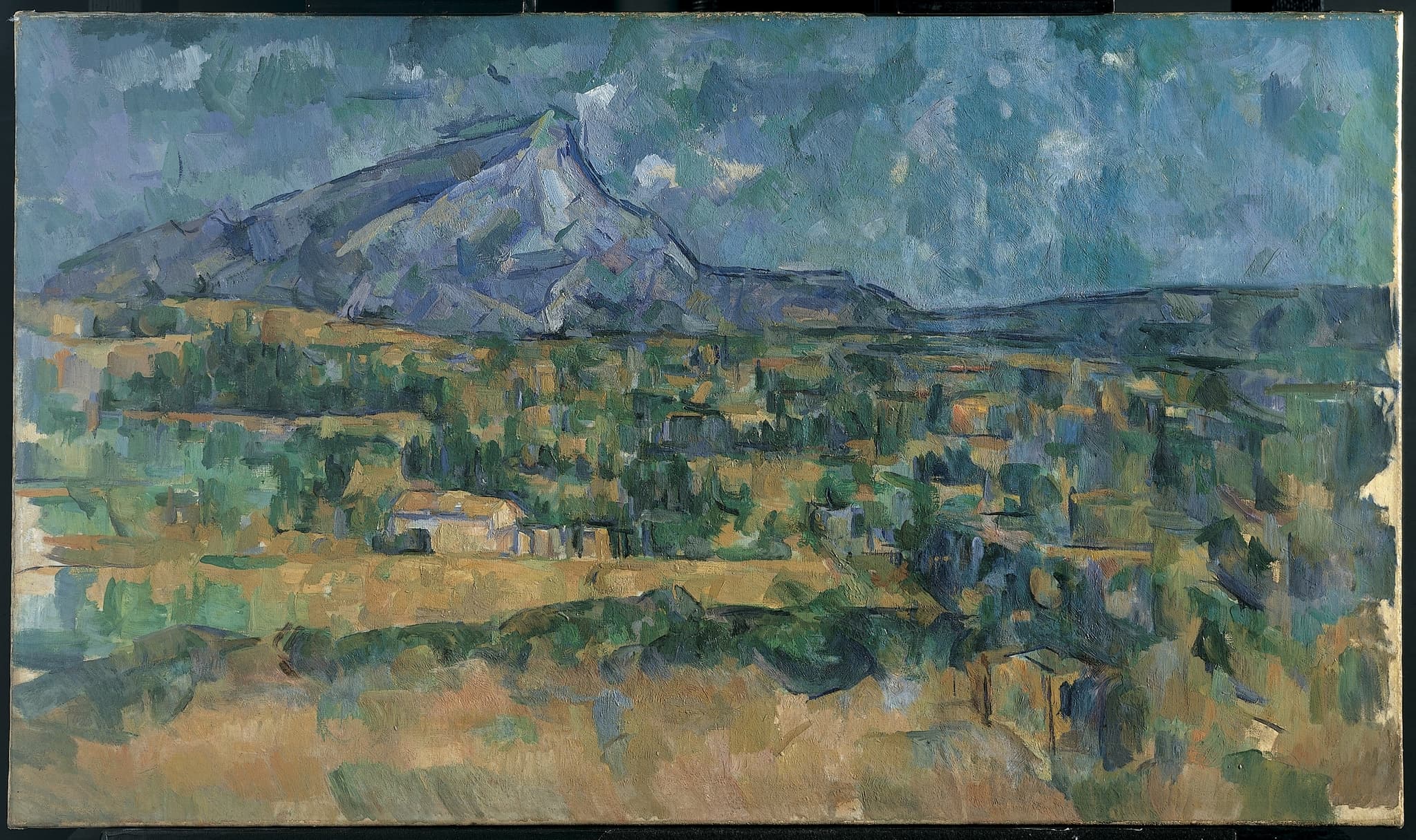
$120-180 million
The Met’s Mont Sainte‑Victoire (1902–06) is estimated at $120–180M, tied to the $137.8M auction record for a Sainte‑Victoire and scarcity of late museum‑quality examples.
See full valuation →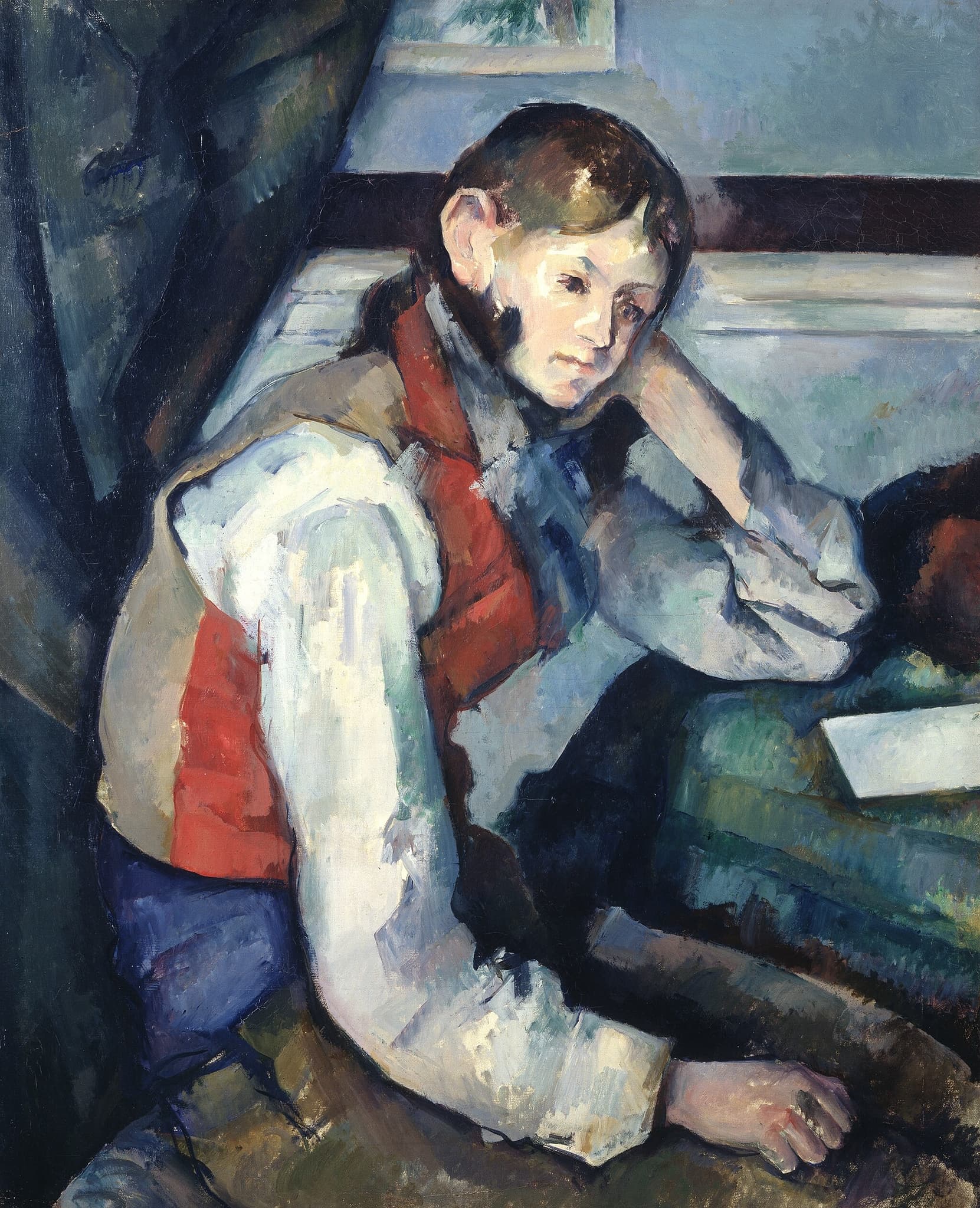
$100-150 million
A large, authenticated Boy in a Red Vest (c.1888–90) would likely fetch $100–150M, contingent on unquestioned attribution, condition, and catalogue‑raisonné inclusion.
See full valuation →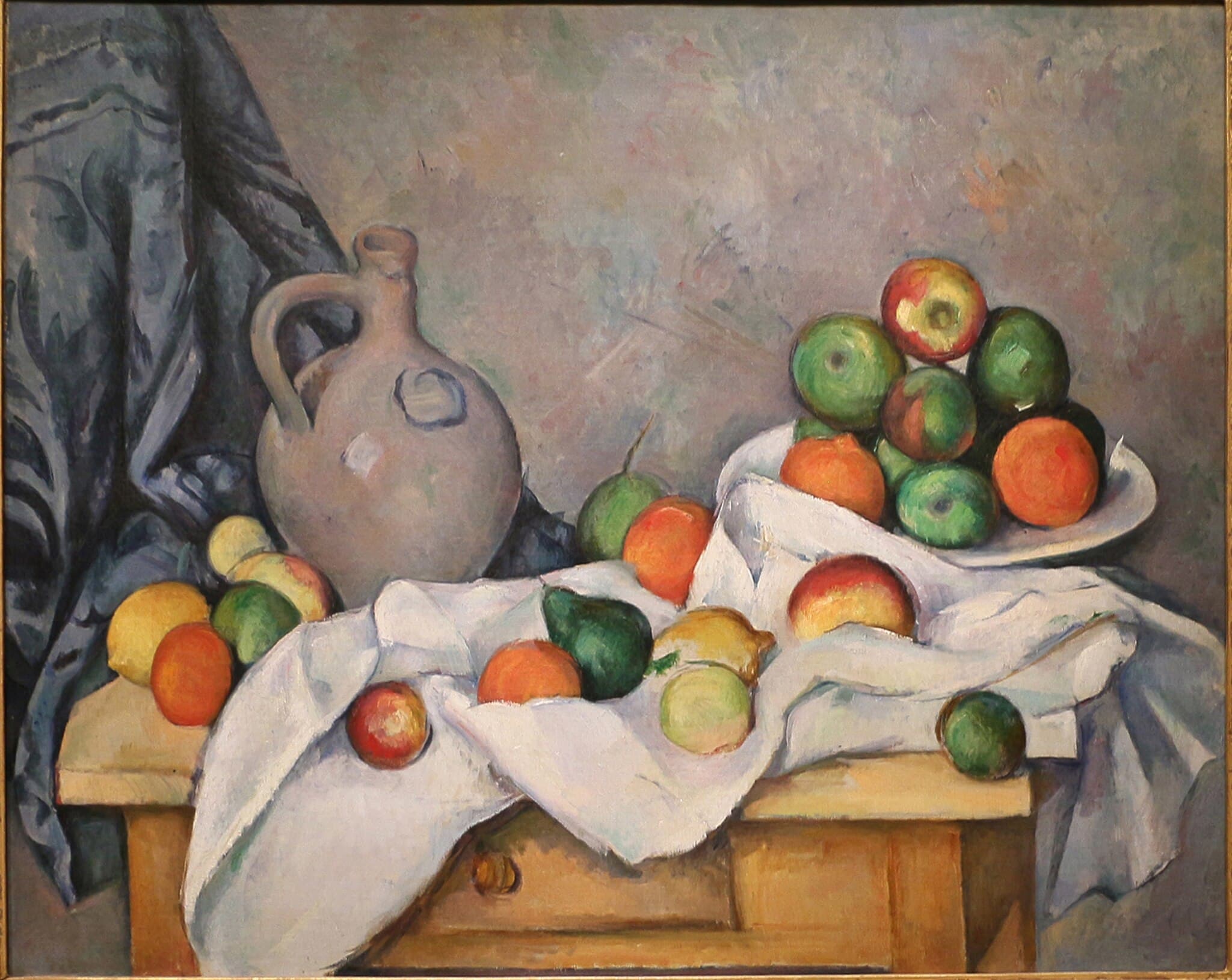
$100-150 million
Rideau, Cruchon et Compotier, which sold for $60.5M at Sotheby’s in 1999, is projected at $100–150M today after calibration to subsequent Cézanne auction trends.
See full valuation →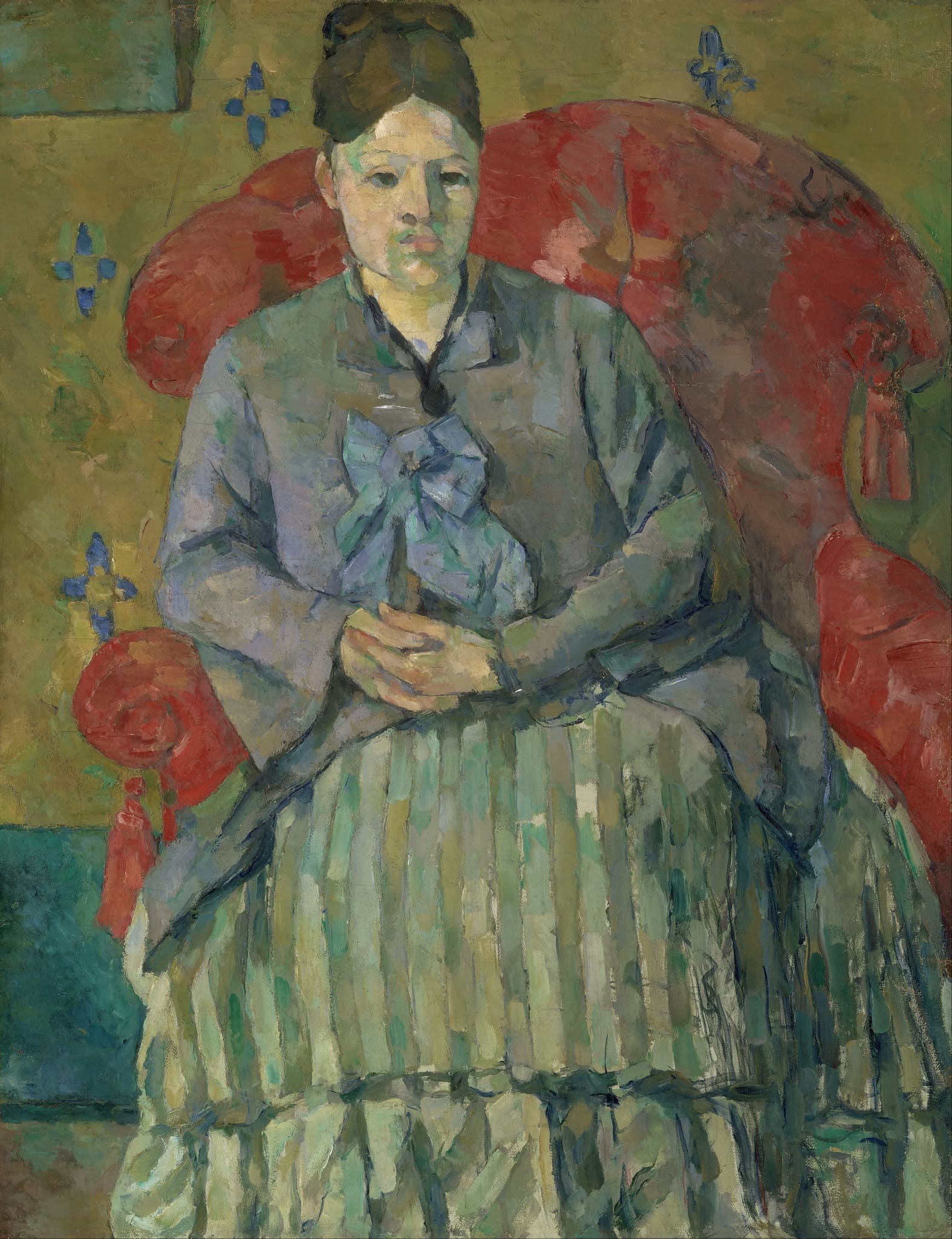
$95-135 million
Madame Cézanne in a Red Armchair (c.1877) is estimated at $95–135M as a top‑tier Hortense Fiquet portrait, referenced to Cézanne’s $137.8M auction high.
See full valuation →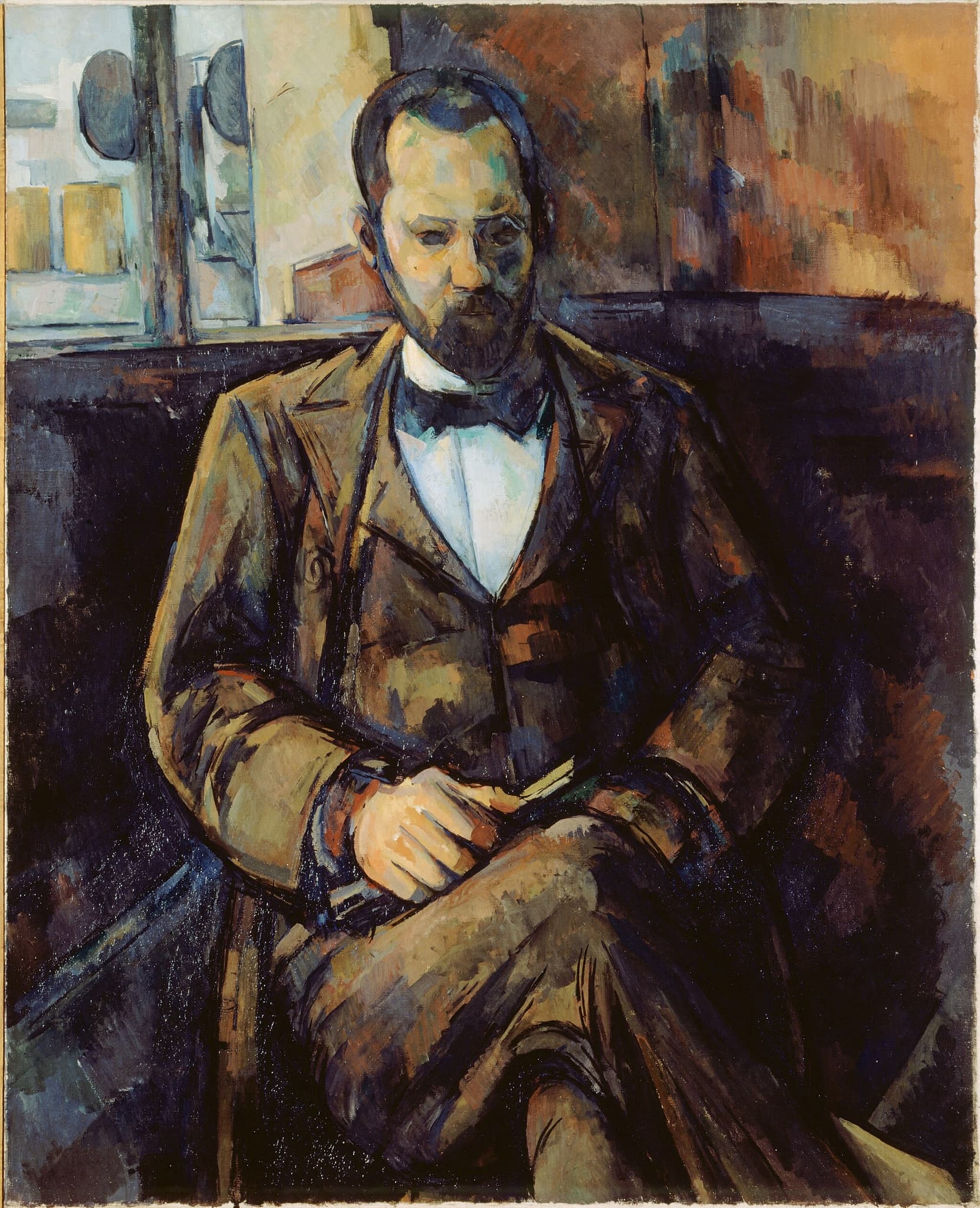
$50-120 million
An authenticated Portrait of Ambroise Vollard (1899) would likely sell for $50–120M, with outcome highly sensitive to condition, provenance, and catalogue‑raisonné status.
See full valuation →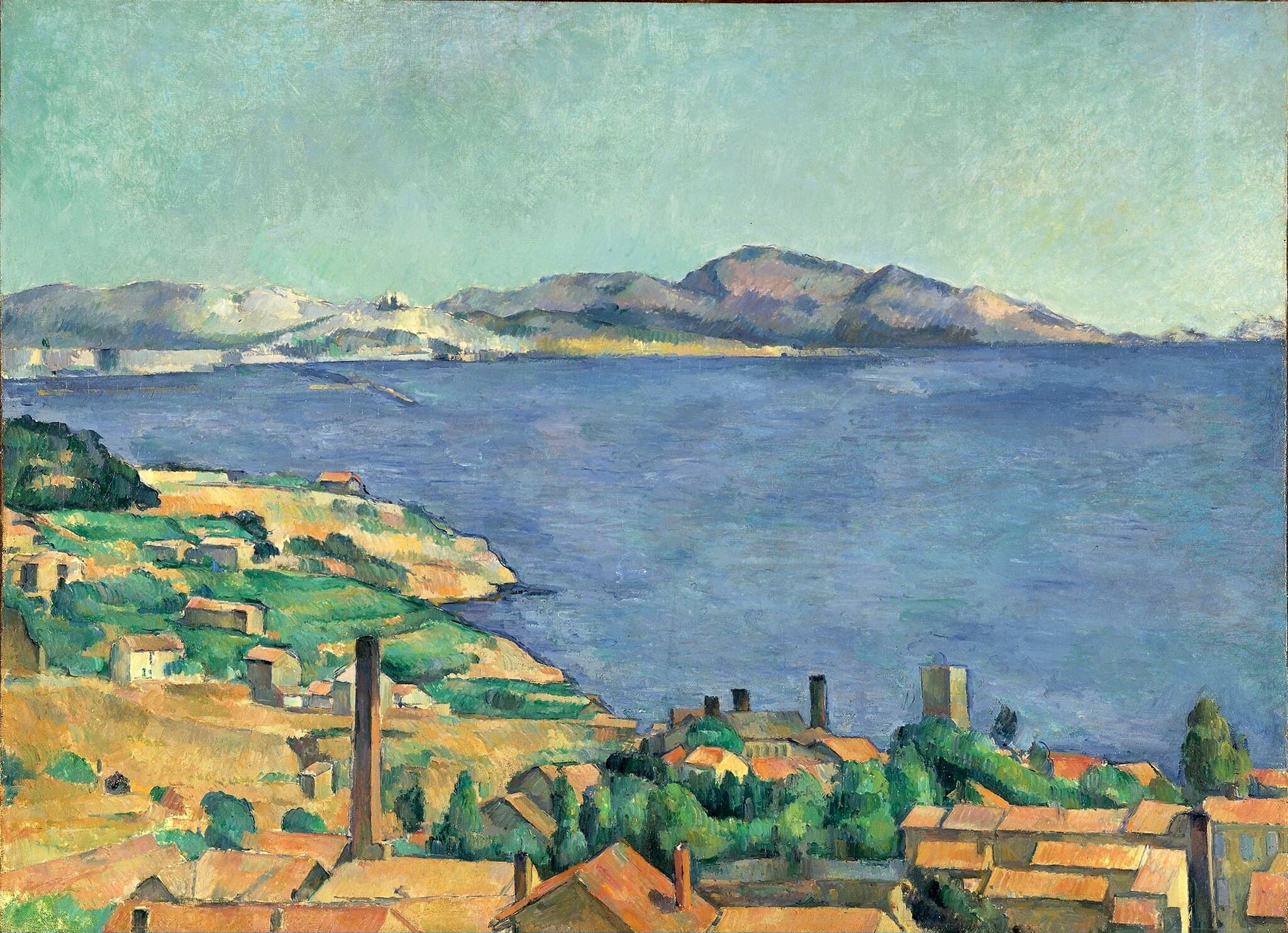
$15-60 million
A museum‑scale L'Estaque view by Cézanne is estimated at $15–60M today, with Cox 2021 and other L'Estaque comparables driving a low‑to‑mid tens of millions expectation.
See full valuation →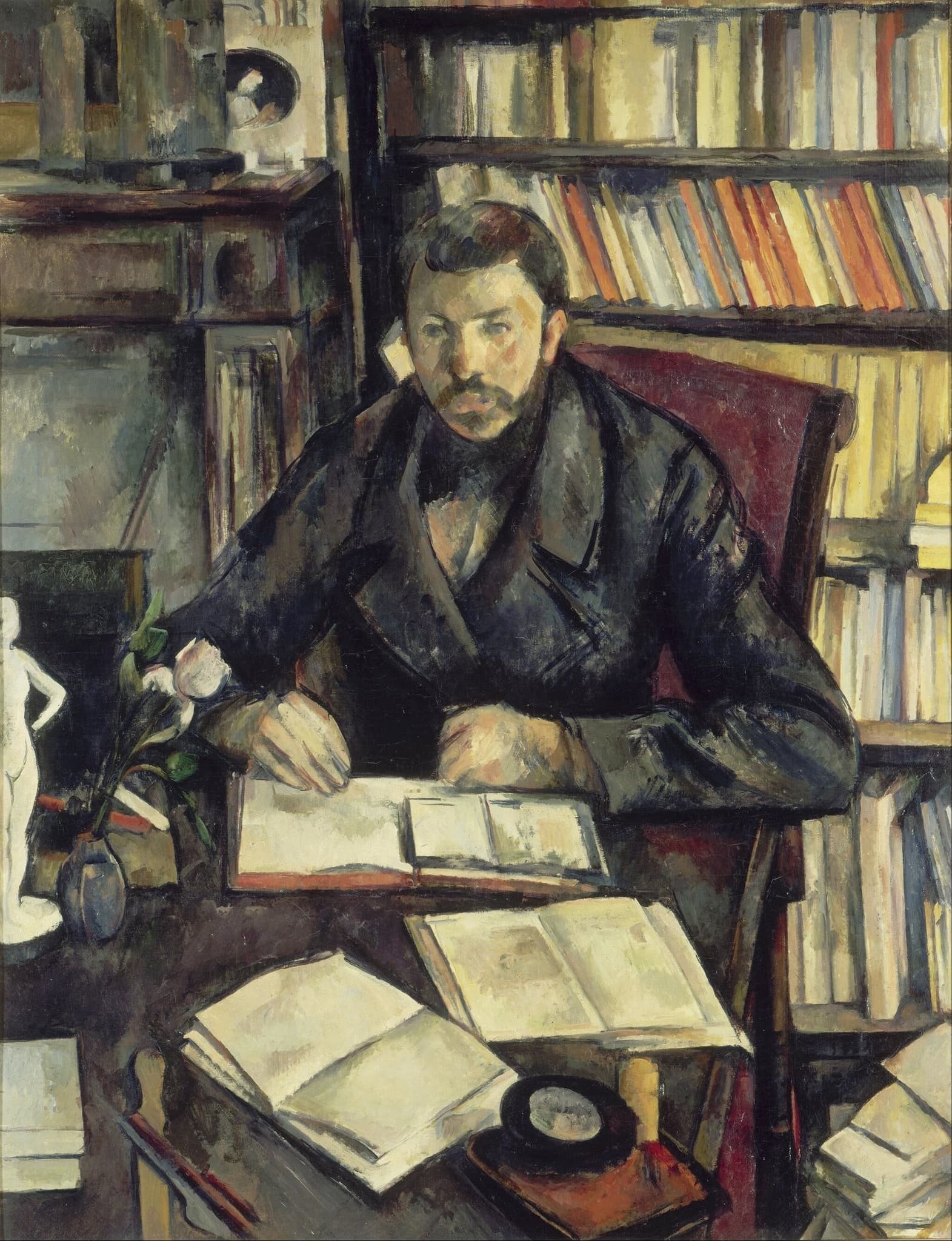
$15-60 million
Musée d’Orsay’s Portrait of Gustave Geffroy (c.1895–96) is held in public collection and an academic market valuation would be approximately $15–60M if hypothetically saleable.
See full valuation →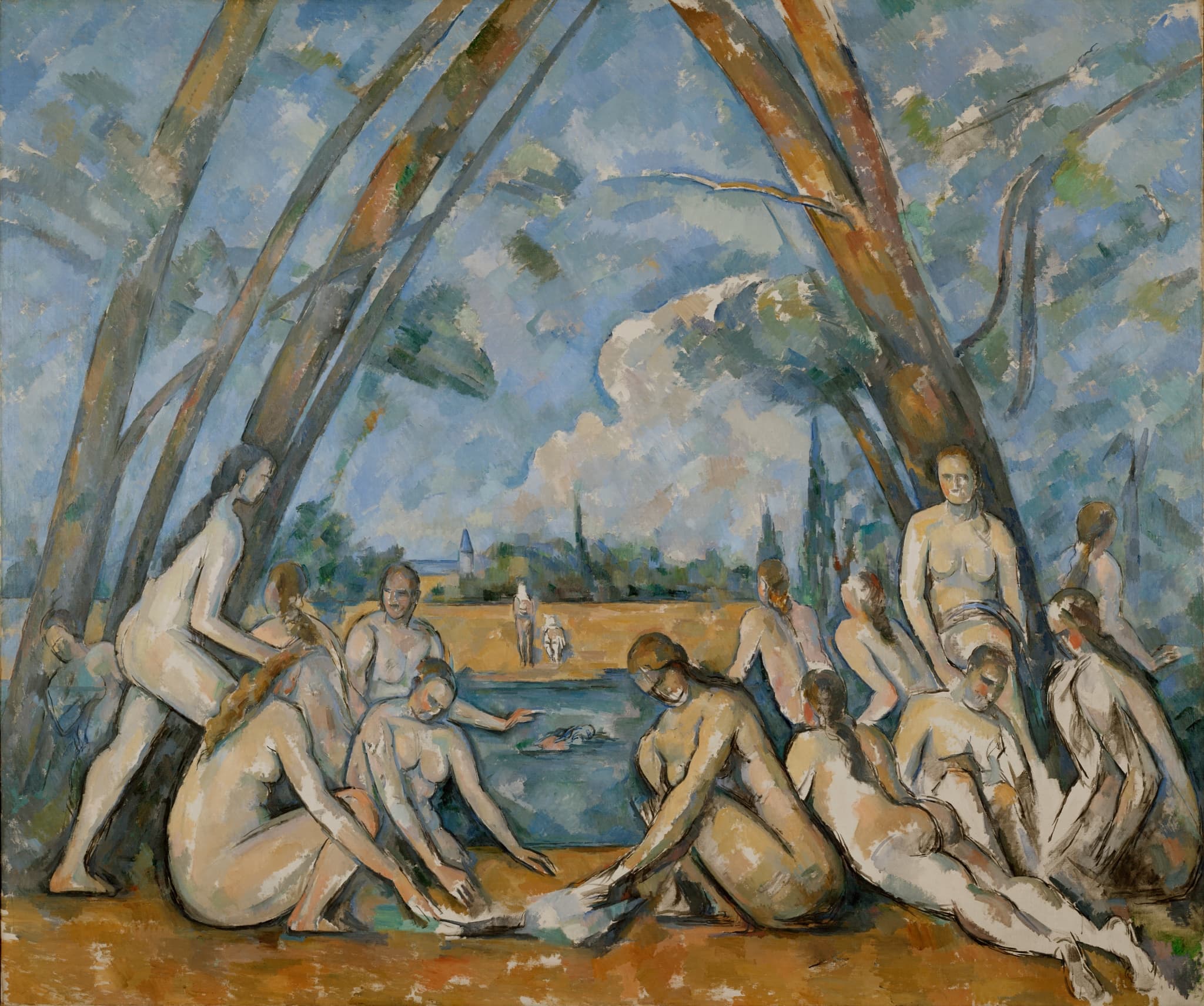
$100-$500
The item titled “Bathers by Paul Cézanne: Geometry of the Modern Nude” appears to be a publication or reproduction worth roughly $100–$500; original Cézanne Bathers are orders of magnitude more valuable.
See full valuation →What Drives Value in Paul Cézanne's Work
Canonized Motif and Image Recognition
Cézanne’s market is hierarchical by iconic motif: universally taught images — The Card Players, Basket of Apples/Still Life with a Basket of Apples, Mont Sainte‑Victoire, and the Bathers — attract trophy buyers and institutional interest, producing outsized premiums (e.g., private Card Players reports, Christie’s Sainte‑Victoire record). Recognition in scholarly literature and teaching converts cultural capital into price power; equally capable but less famous subjects trade materially lower despite technical quality.
Series Variant, Scale and Compositional Ambition
Within Cézanne’s series, small formal differences drive big price gaps: two‑player vs multi‑figure Card Players, a large 74 x 93 cm Apples and Oranges versus smaller still lifes, or a monumental Bathers oil versus a study. Larger, more complex compositions with multi‑figure arrangements or ambitious tabletop constructions (Rideau, Cruchon et Compotier comparables) consistently sit at the top of the market, whereas simpler or reduced variants underperform.
Institutional Enshrinement and Structural Scarcity
Many of Cézanne’s best works are effectively off‑market — four of five Card Players oils are museum‑held; Apples and Oranges and other masterpieces are in France’s national collections or the Art Institute/Met. Long museum provenance and legal inalienability create near‑zero supply of A‑tier canvases. That structural scarcity — not generic rarity — concentrates global trophy demand and enables record outcomes when a museum‑quality Cézanne does surface.
Medium, Period, Technical Authorship and Condition
For Cézanne the combination of medium, mature period and technical validation is decisive: museum‑scale late oils (mature still lifes, Sainte‑Victoire, Bathers) command nine‑figure valuations, whereas works on paper or reproductions are orders of magnitude lower. Inclusion in catalogues raisonnés, X‑ray/IRR confirmation and pristine paint surface (minimal relining/inpainting) are gating factors; significant conservation interventions or missing technical provenance sharply depress top‑end realisability.
Market Context
Paul Cézanne remains an absolute blue‑chip of the Modern canon, with deep global demand from institutions and top private collectors; his auction record is $137.79 million (La Montagne Sainte‑Victoire, Christie’s, Paul G. Allen collection, 2022). Supply of A‑plus oils is exceptionally thin—many masterpieces are museum‑retained or long‑held privately—so when canonical works (late still lifes, Sainte‑Victoire, Card Players) surface they attract intense, often guaranteed, cross‑border bidding. Recent seasons saw a pullback in 2023–24 with fewer trophy consignments and cautious top‑end bidding, followed by a 2025 high‑end rebound as buyers pursued museum‑quality icons; marquee still lifes continue to trade in the $30–60m band while true masterpieces remain capable of nine‑figure outcomes. Overall liquidity is selective: mid‑tier works face normal price discipline, while singular, well‑provenanced works command premiums.