Most Expensive Edgar Degas Paintings
Edgar Degas occupies a singular market standing as both an Impressionist innovator and a perennial favorite of collectors who prize technical mastery, intimacy of subject, and proven provenance; his top works routinely command eye-catching sums, from the pinnacle of The Bellelli Family at an estimated $120–180 million to The Ballet Class, which can fetch $100–150 million. Buyers are drawn to Degas’s psychological precision and virtuoso handling of pastels and oil—qualities evident in Place de la Concorde ($70–120 million), The Star ($80–120 million) and The Tub ($80–120 million)—as well as in more intimate, domestically charged pieces like L’Absinthe ($40–100 million). Even studies of performance and industry, such as The Opera Orchestra (roughly $60–100 million) and The Millinery Shop ($60–90 million), show robust market appeal, while works like Combing the Hair ($50–70 million) and Miss La La at the Cirque Fernando ($25–70 million) remind collectors that rarity, condition and exhibition history often matter as much as aesthetic stature. This ranking maps the intersection of rarity, subject, and market appetite that keeps Degas among the art market’s most collectible names.
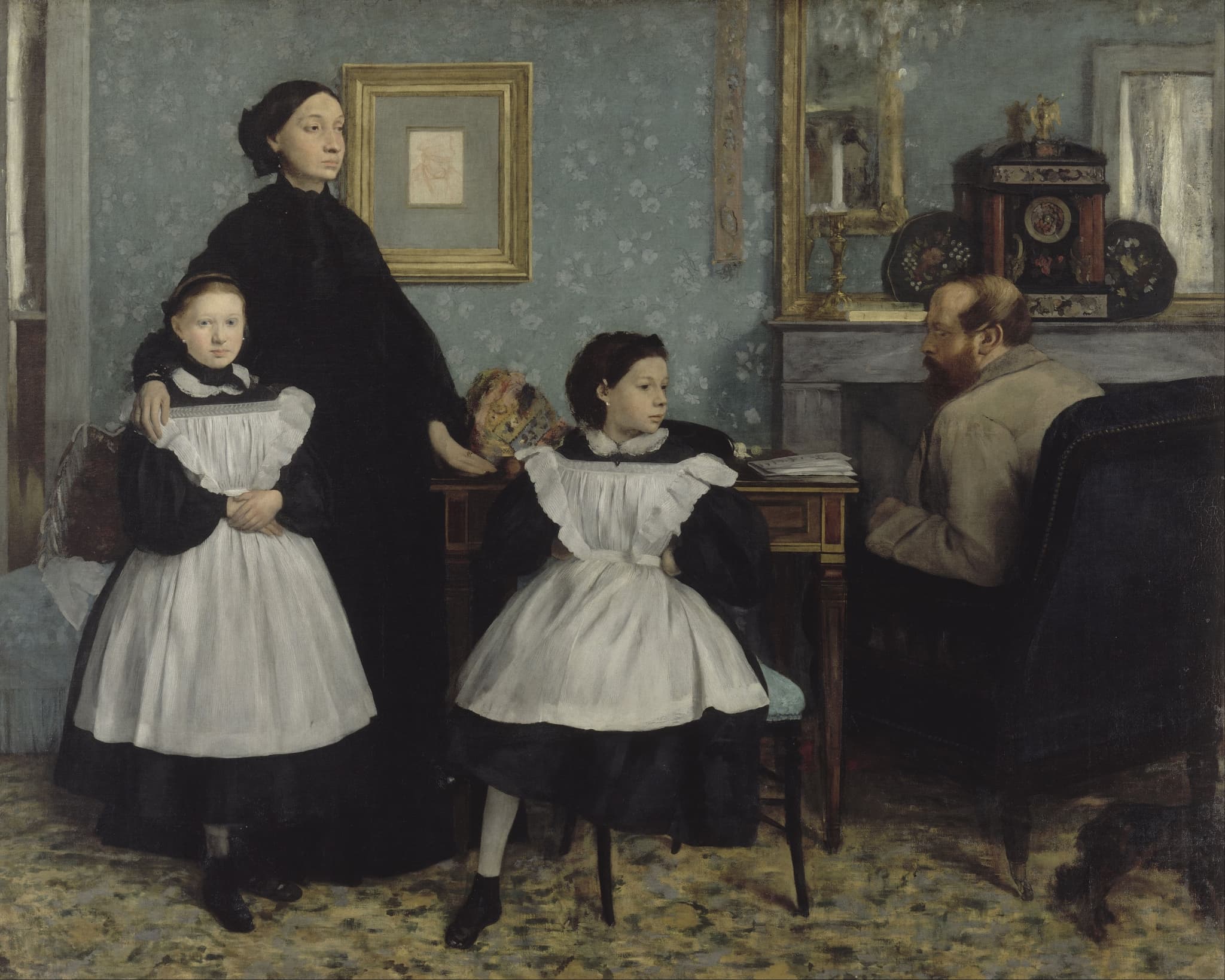
$120-180 million
As part of France’s inalienable national collections, it is effectively unsellable on the open market, so the $120–180M figure is purely hypothetical.
See full valuation →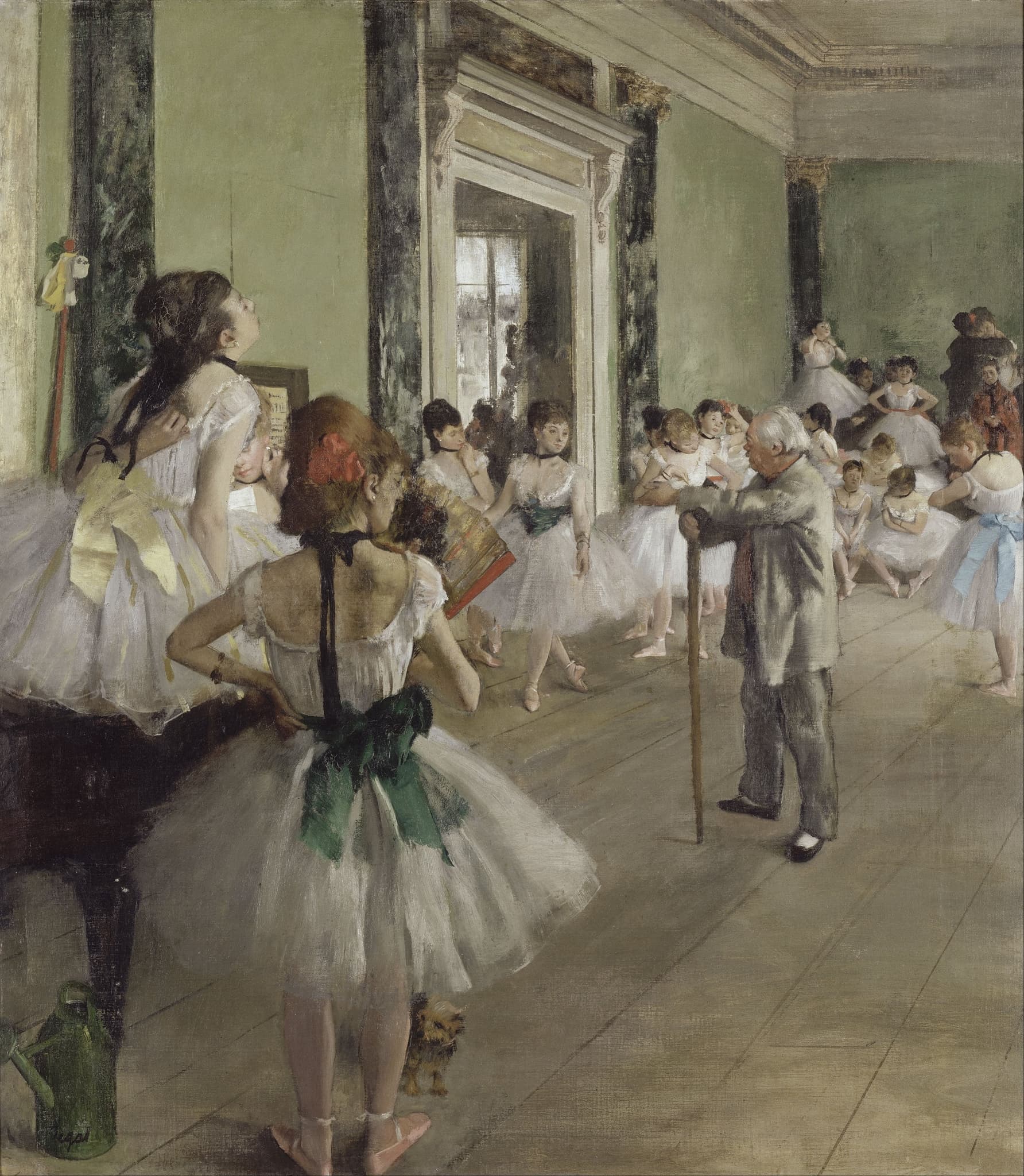
$100-150 million
Paired in art history with The Dance Class (Met), its canonical status and large scale place it among ultra‑trophy Impressionist works beyond standard auction benchmarks.
See full valuation →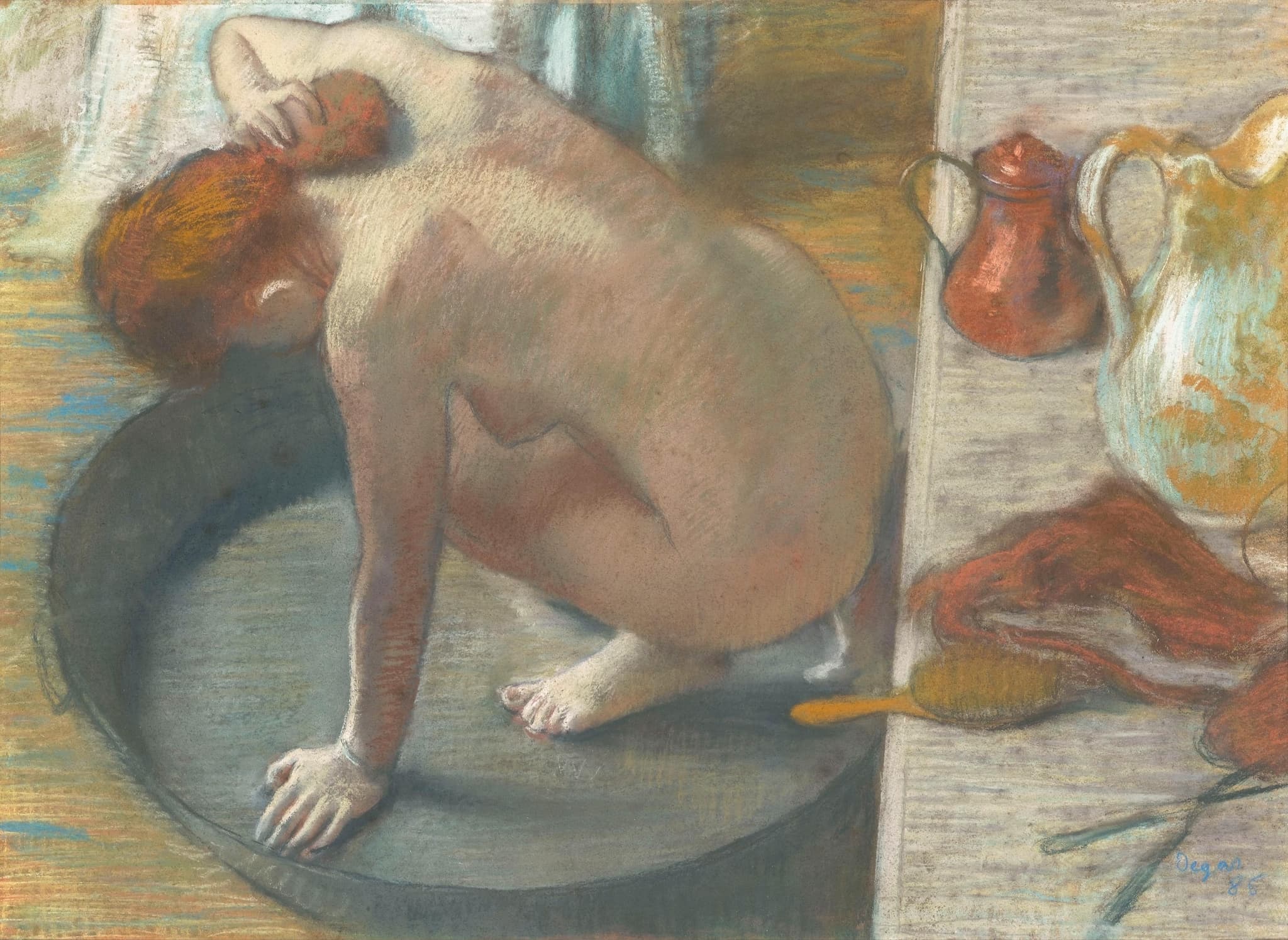
$80-120 million
The Tub’s status as the signature bather image and museum‑grade masterpiece supports using roughly $100M as a replacement/insurance benchmark.
See full valuation →
$70-120 million
Its prime 1875 date, monumental scale, and extreme scarcity justify extrapolating its market parity well above Degas’s public auction records.
See full valuation →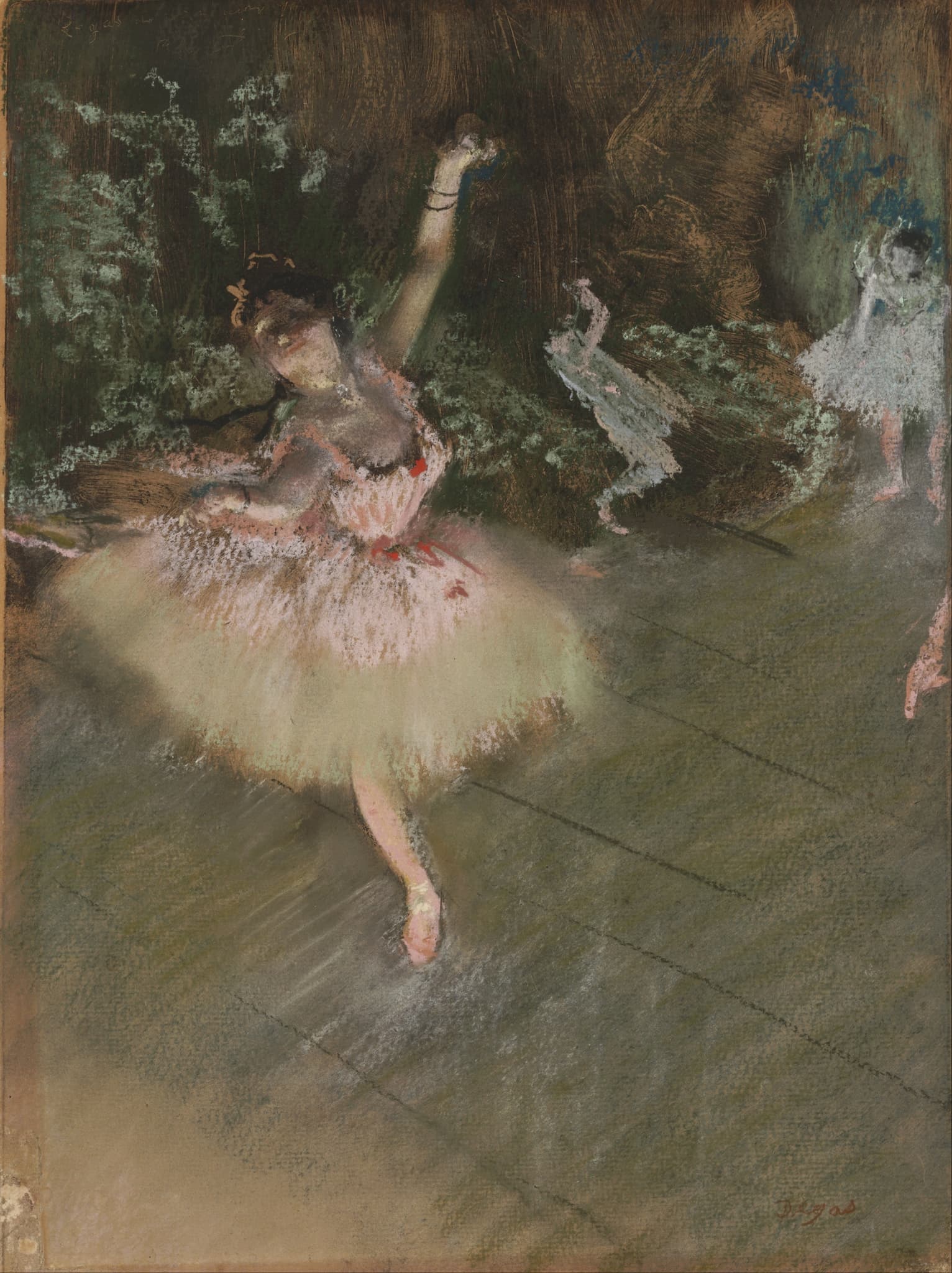
$80–120 million
As one of Degas’s most recognized dancer pastels in Musée d’Orsay, it commands top‑tier pastel premiums that justify a nine‑figure hypothetical valuation.
See full valuation →
$60-100 million
As a central, museum‑caliber oil of Degas’s ballet imagery, it is valued by extrapolation above auction history to represent likely private‑sale parity.
See full valuation →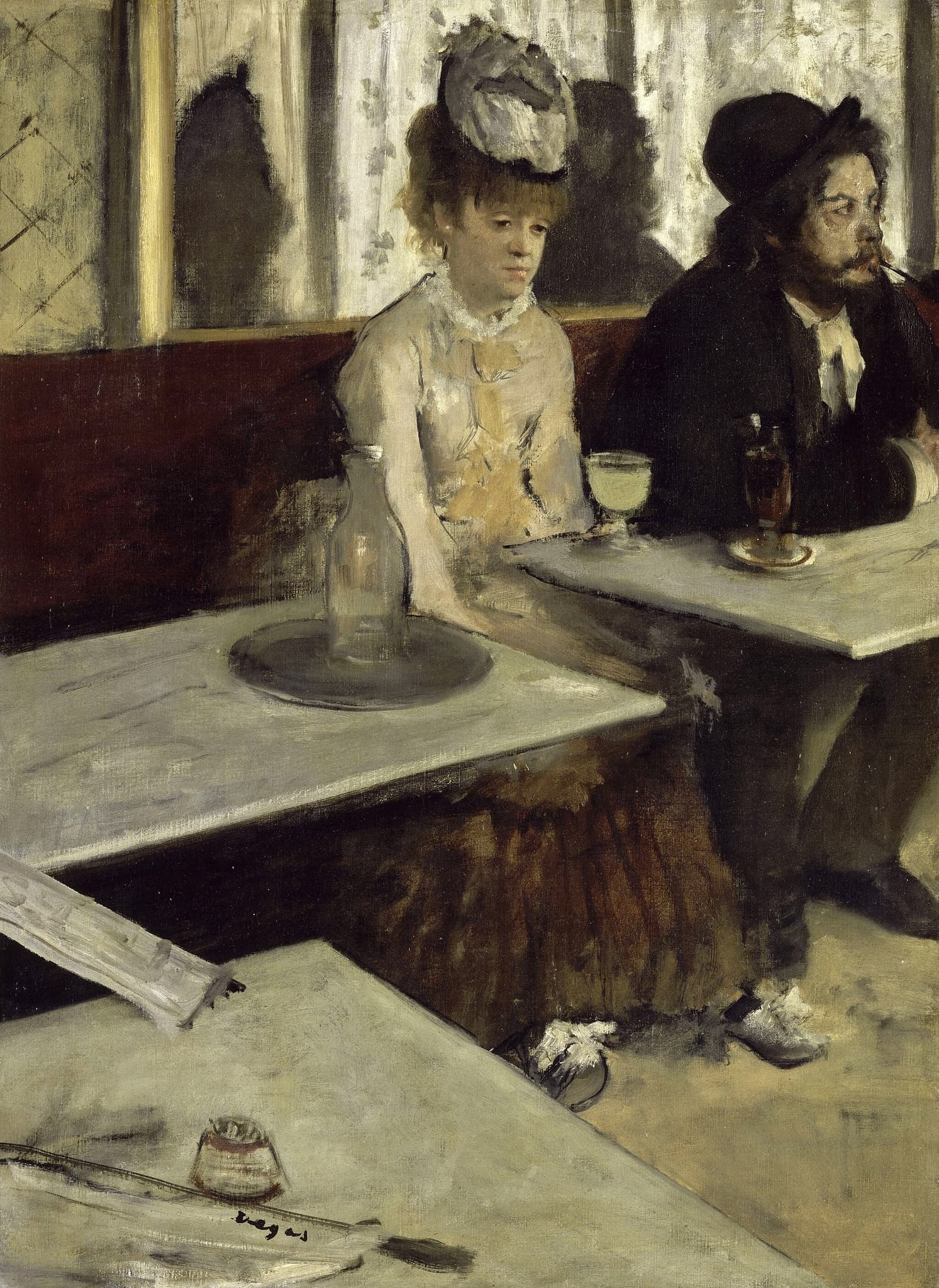
$40-100 million
Held by the Musée d’Orsay, its potential sale faces significant legal and export constraints under French public‑ownership rules, constraining marketability.
See full valuation →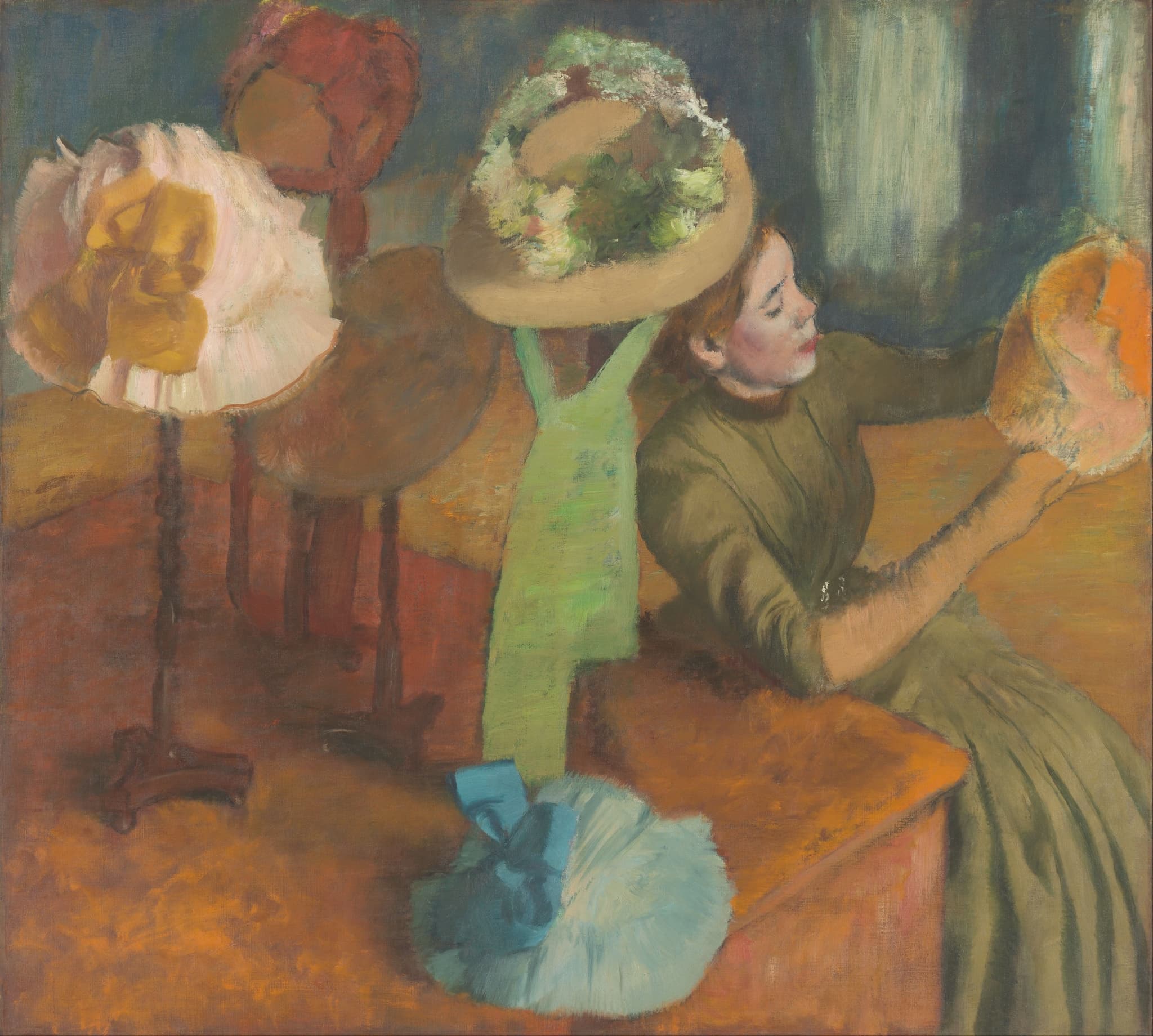
$60-90 million
Uniquely the largest and most ambitious of Degas’s millinery oils, its singularity and Art Institute provenance materially elevate its market estimation.
See full valuation →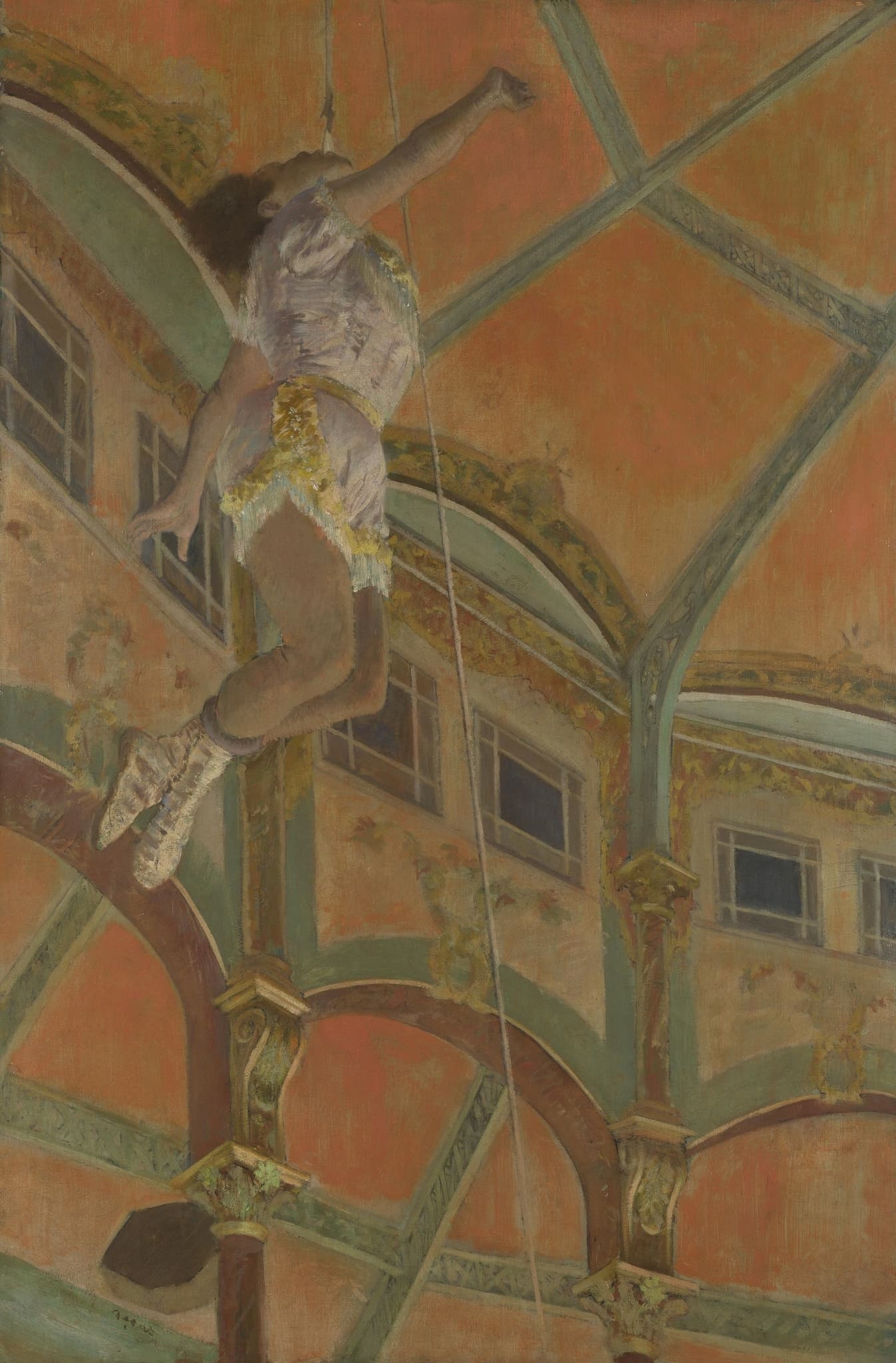
$25-70 million
Held by the National Gallery (NG4121), any sale would require an exceptional, regulated deaccession plus a current condition report before market valuation.
See full valuation →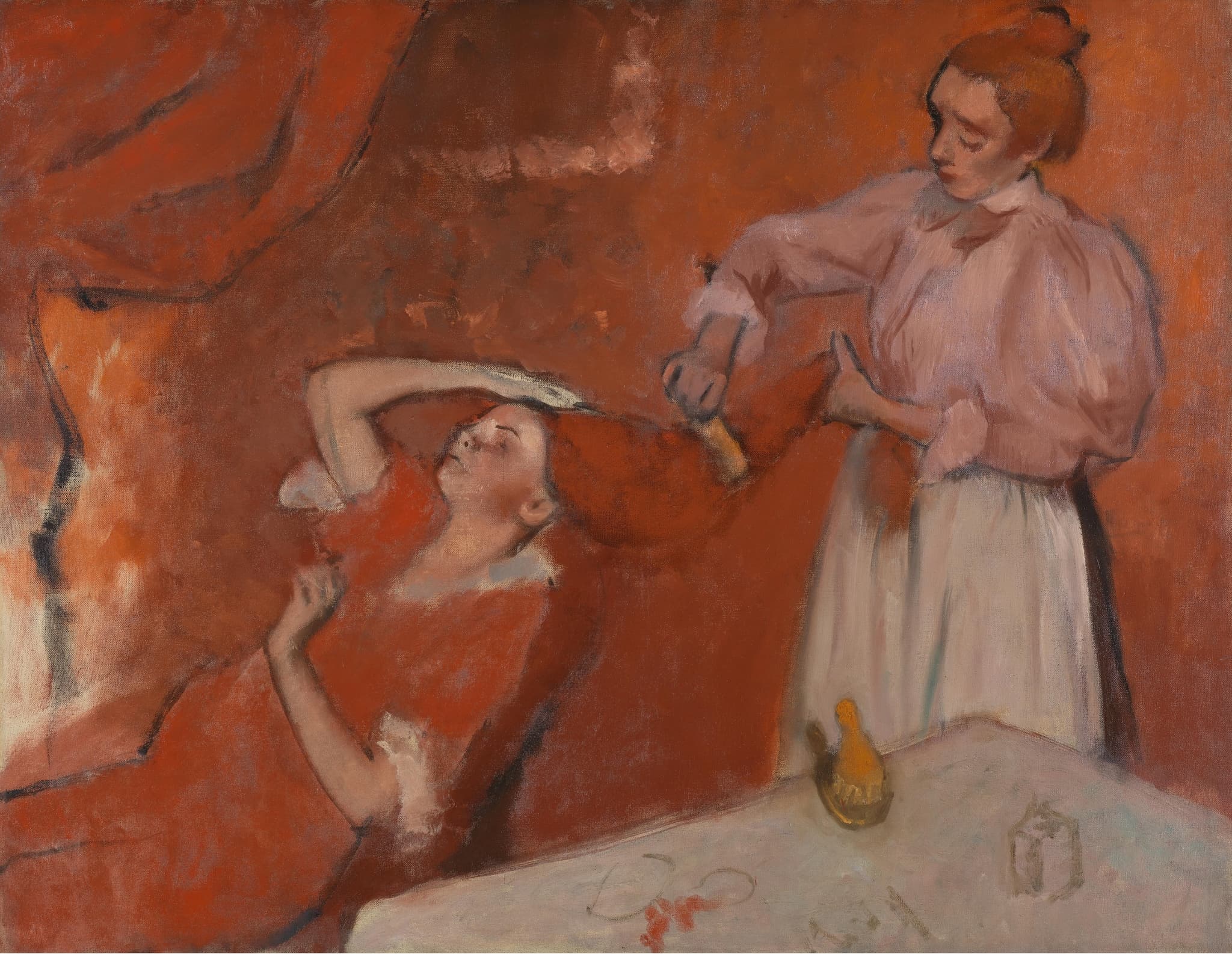
$50-70 million
A large, high‑chroma late oil with distinguished museum provenance, it is priced above Degas’s historical 2‑D auction apex.
See full valuation →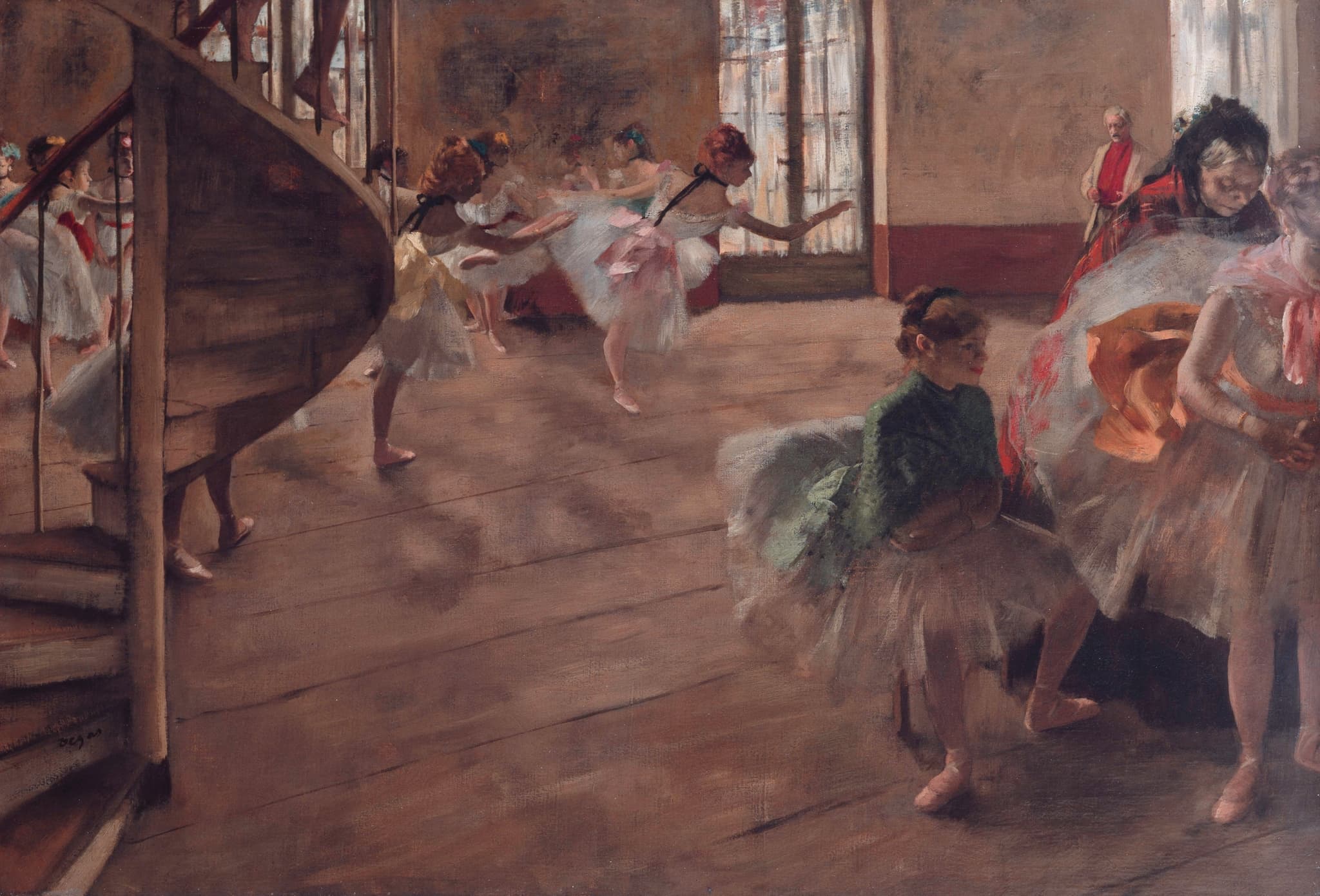
$45-65 million
Because prime 1870s dancer oils are exceptionally rare, this rehearsal painting’s market estimate sits at or above Degas’s best pastel results.
See full valuation →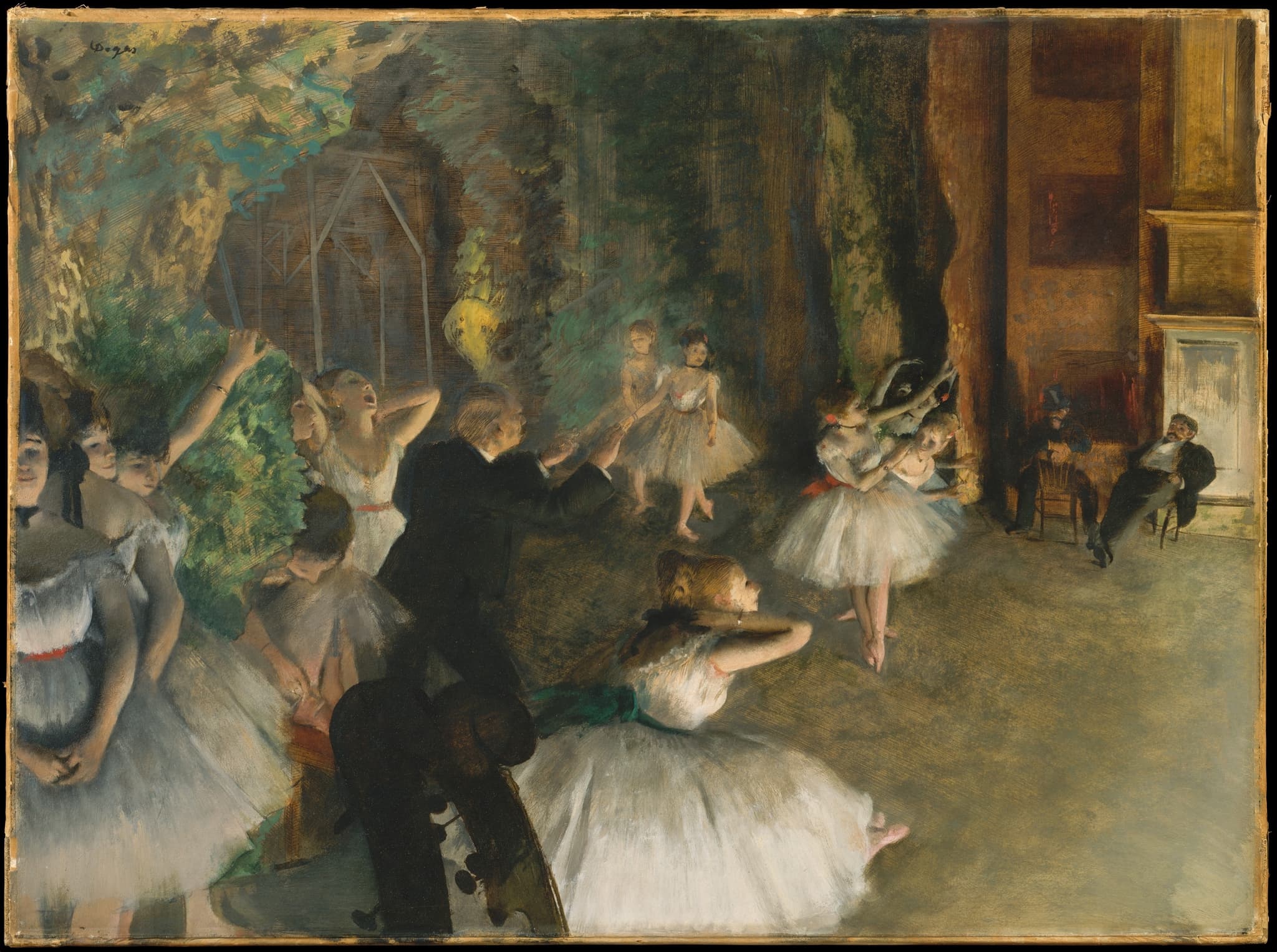
$35-60 million
Valuation is explicitly anchored to Degas’s top dancer pastel sales—most notably the $37.0M pastel—adjusted for medium, scale, and condition.
See full valuation →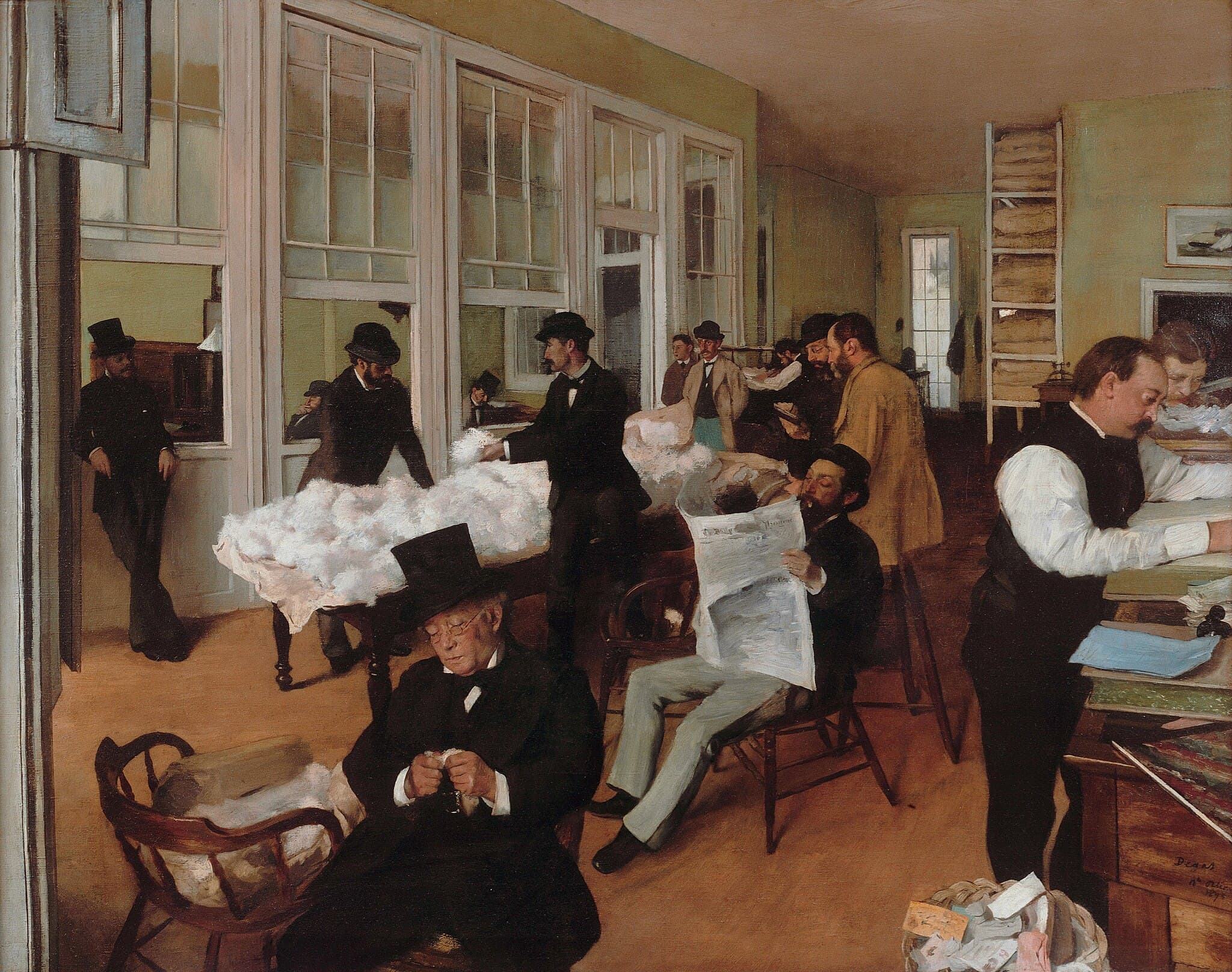
$15-40 million
Its status as an early New Orleans subject, continuous museum ownership, and potential legal deaccession issues suppress its market liquidity despite historical importance.
See full valuation →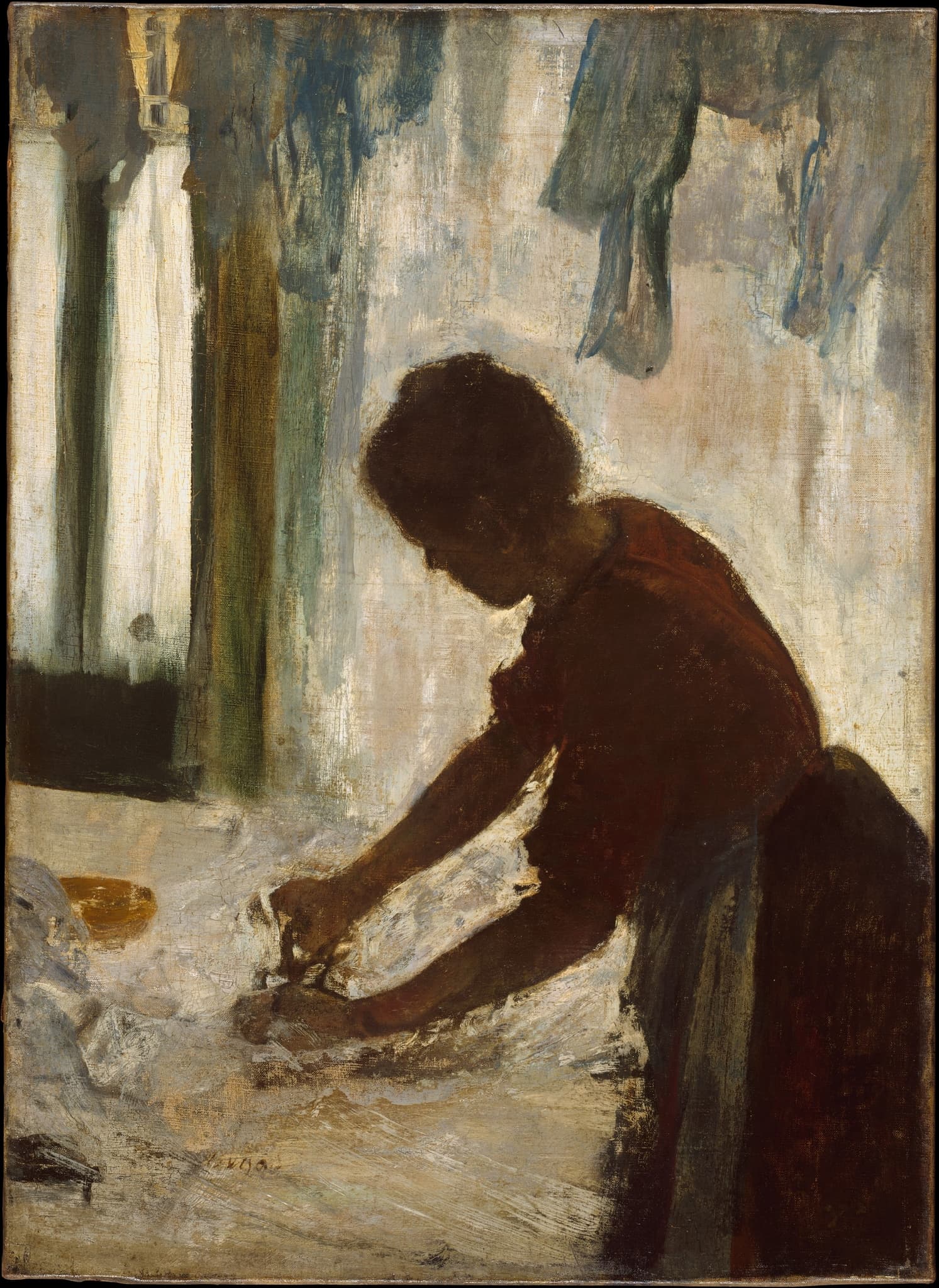
$22-38 million
Distinguished Faure–Durand‑Ruel–Mellon provenance and museum‑grade execution place it above most Degas oils and well clear of works on paper.
See full valuation →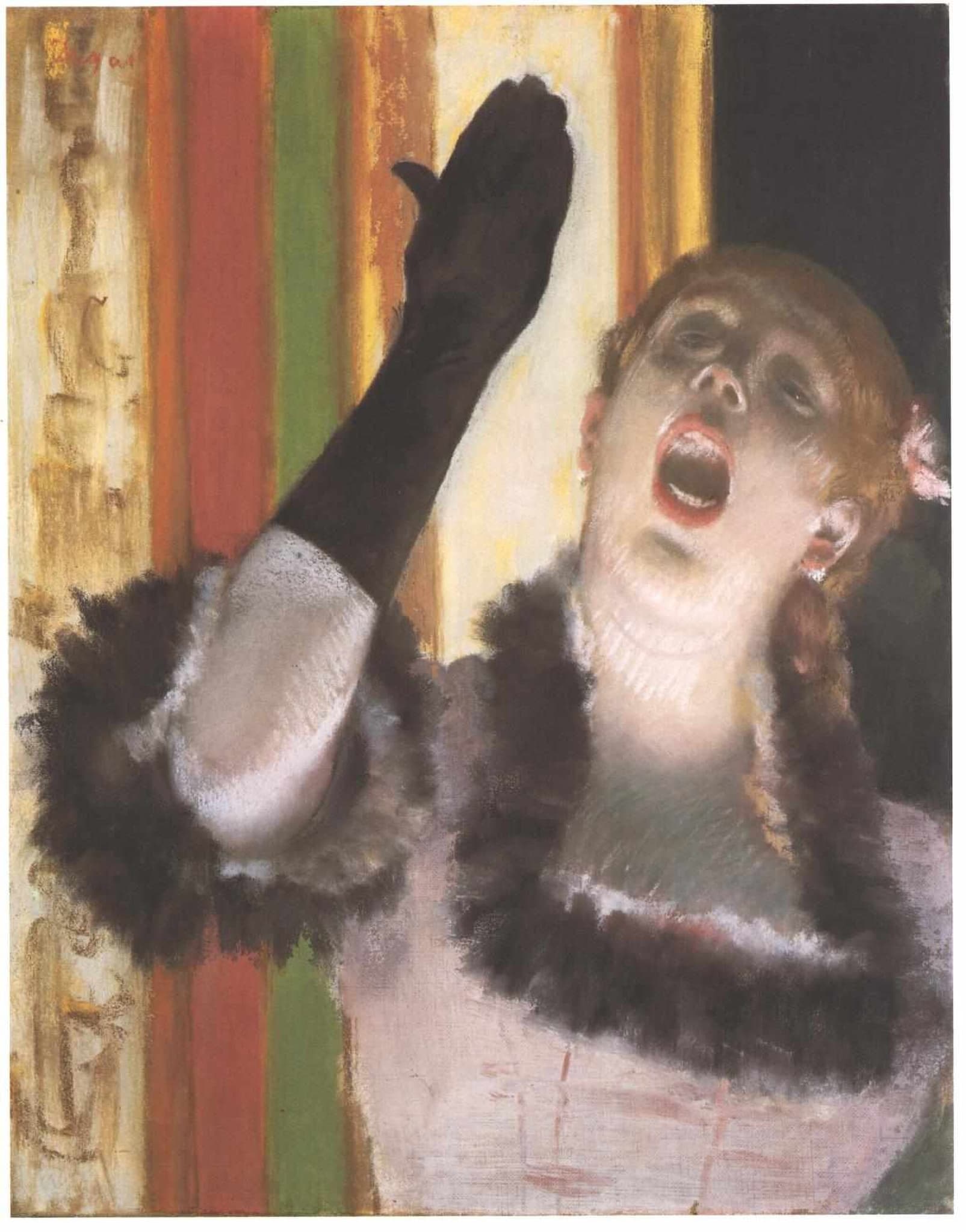
$2,000,000 - $20,000,000
With two museum‑held Chanteuse au gant pastels catalogued, any privately offered authenticated example would face an unusually thin but high‑value market.
See full valuation →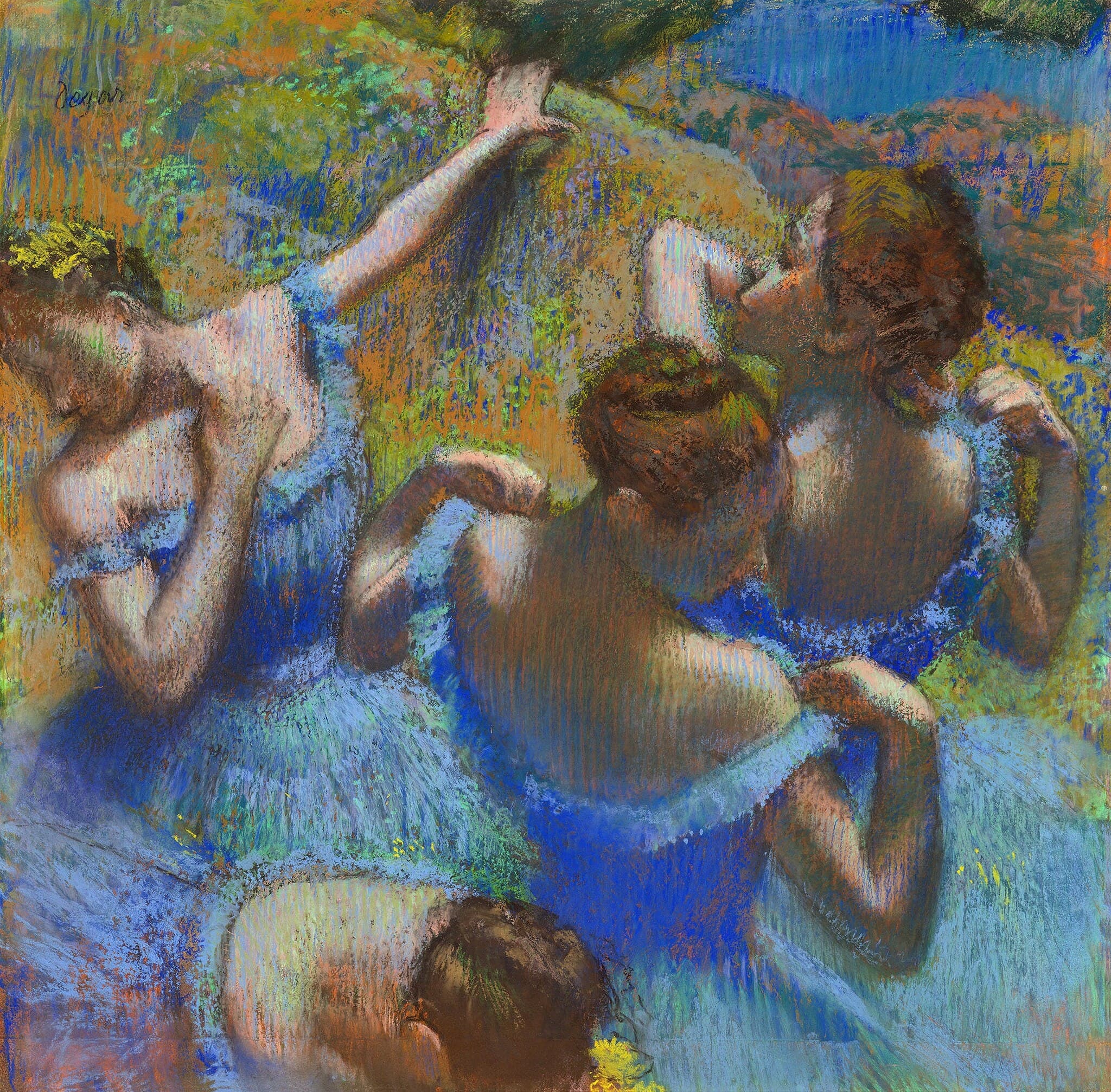
$2-12 million
Market value for a finished Blue Dancers pastel hinges on medium, size, condition and provenance, with recent late‑pastel comparables anchoring estimates.
See full valuation →What Drives Value in Edgar Degas's Work
Subject & Period Concentration (Dancers and Bathers, mid‑1870s–1880s)
Degas’s market is decisively driven by dancer and bather imagery from his mid‑1870s–1880s peak. Works like The Ballet Class, The Ballet Rehearsal, The Star and The Tub exemplify this: canonical ballet/bather subjects command global attention and often lead record bids. Conversely, strong scholarly works in other subjects (e.g., The Bellelli Family) attract connoisseur interest but can lack the broad decorative/trophy demand that pushes Degas prices to the highest tiers.
Medium & Technical Format (Large Mounted Pastels vs Scarce Oils)
For Degas the medium is a market differentiator: large, saturated pastels mounted to canvas (The Star, major dancer sheets) occupy the apex because they showcase his unique pastel layering and color bravura. At the same time, fully resolved 1870s oils (The Ballet Class, Place de la Concorde) are vanishingly scarce and command outsized premiums. Pastel’s acute condition sensitivity (fixatives, bloom) is a Degas‑specific risk—pristine big pastels can outperform many oils, but surface issues cut value steeply.
Canonical / Syllabus Works as Price‑Resetters
Paintings that function as art‑historical ‘proof points’ for Degas drive trophy pricing: The Bellelli Family, Place de la Concorde, Miss La La and The Orchestra at the Opera are repeatedly used in scholarship and exhibitions to narrate his development. Their museum‑defining status creates a masterpiece premium unique to Degas—buyers pay not just for execution but for pieces that anchor catalogue‑raisonné discourse and exhibition histories, meaning a single canonical picture can reset market ceilings for the artist.
Scarcity + Institutional Inalienability (Provenance & Legal Constraints)
Degas’s top‑tier supply is artificially thin because many signature oils and pastels sit in national collections (French state holdings of The Bellelli Family and The Star; Hermitage’s Place de la Concorde; National Gallery’s Miss La La). That inalienability produces two artist‑specific effects: an elevated theoretical replacement value when such works are hypothetically saleable, and constrained real‑world liquidity that concentrates demand—and price volatility—on the very few comparable Degas works that actually reach market.
Market Context
Edgar Degas remains a blue‑chip pillar of Impressionism, with global demand concentrated on dancers, bathers, racehorses, late pastels and lifetime bronzes; his auction record is $41.61m for La Petite Danseuse de quatorze ans (Christie’s, 2022) and the top 2D sale is $37.04m for Danseuse au repos (Sotheby’s, 2008). Liquidity is broad—drawings, pastels and bronzes trade from low‑six to low‑seven figures, prime pastels and lifetime bronzes can reach mid‑seven to low‑eight figures, and truly museum‑caliber oils are exceptionally scarce, largely held by major institutions and collectors. The market softened in 2023–24 due to fewer trophy consignments but rebounded in late 2025 as buyers concentrated on the best works; overall trajectory is quality‑driven and polarized, with canonical, well‑provenanced masterpieces drawing deep international bidding and the power to reset Degas’s ceiling.