Most Expensive Gustav Klimt Paintings
Gustav Klimt’s name is synonymous with the gilded intensity and erotic modernism that have made his canvases some of the most coveted in the international art market, commanding jaw-dropping estimates: The Kiss, for instance, is regularly cited in the $400–800 million stratum, while Portrait of Adele Bloch-Bauer I is valued around $320–480 million. Collectors prize Klimt for his syncretic blend of Byzantine gold-leaf ornament, sensuous figuration and psychological intimacy—qualities that drive the high valuations of works from the luminous Portrait of Elisabeth Lederer ($200–260 million) to landscape and allegory pieces such as Birch Forest and Death and Life (each pegged near $100–150 million). Even later or less monumental canvases like Lady with a Fan, Portrait of Adele Bloch-Bauer II and narrative-rich compositions like The Tree of Life register in the $100–150 million and $30–60 million ranges respectively, while Girlfriends, Sunflower and other pieces show strong market depth with estimates from $15–80 million. This ranking explores how rarity, provenance and Klimt’s singular visual language translate into enduring collectibility and extraordinary price points.

$400-800 million
As Austria’s Golden Period emblem, The Kiss would likely command US$400–800M in an unconstrained global‑market sale, extrapolated from recent nine‑figure Klimt benchmarks.
See full valuation →
$400-600 million
The Kiss (Lovers) has never traded on the modern art market and is effectively not for sale.
See full valuation →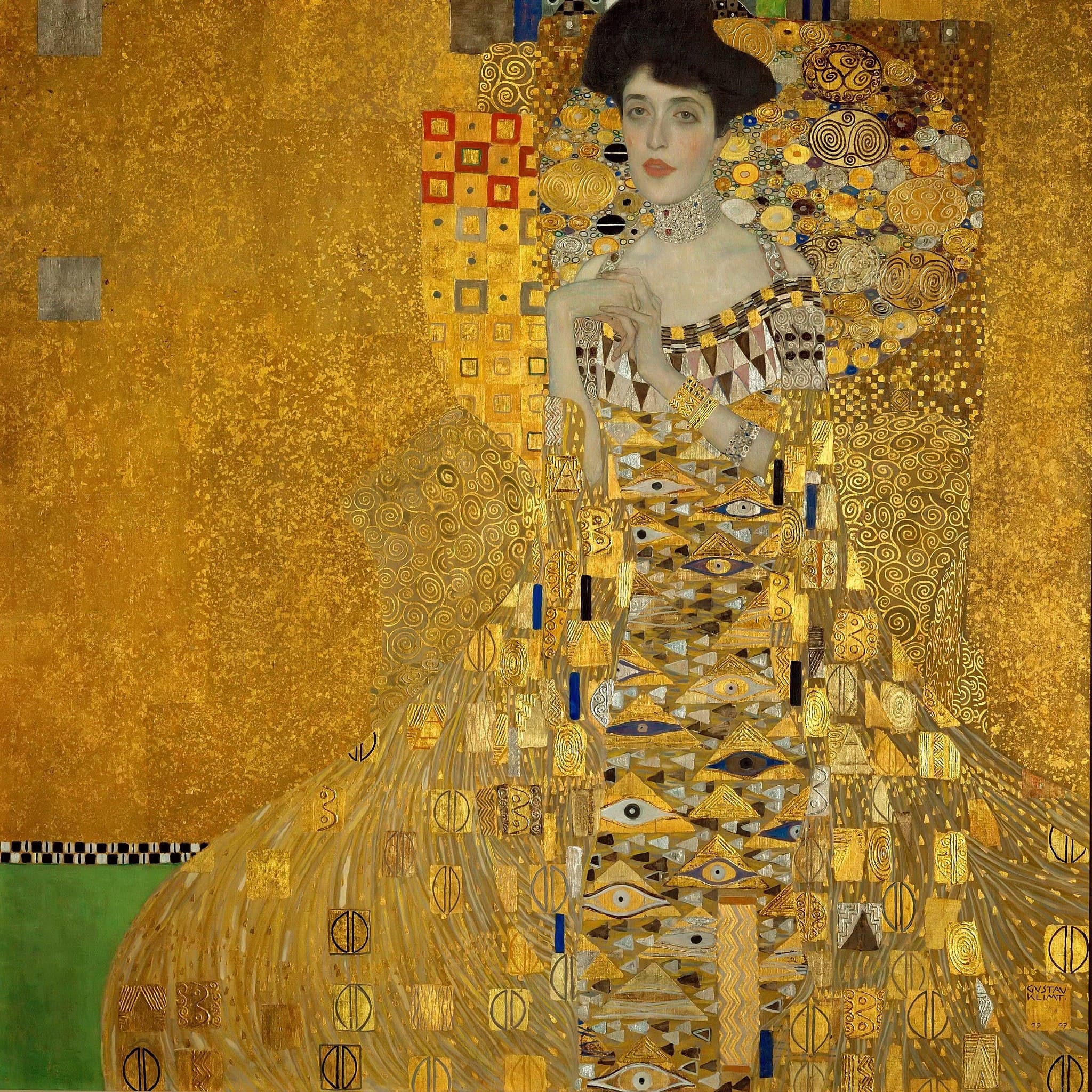
$320-480 million
Using Klimt’s US$236.4M auction record and the 2006 Lauder purchase as a conservative floor, Portrait of Adele Bloch‑Bauer I is estimated at US$320–480M.
See full valuation →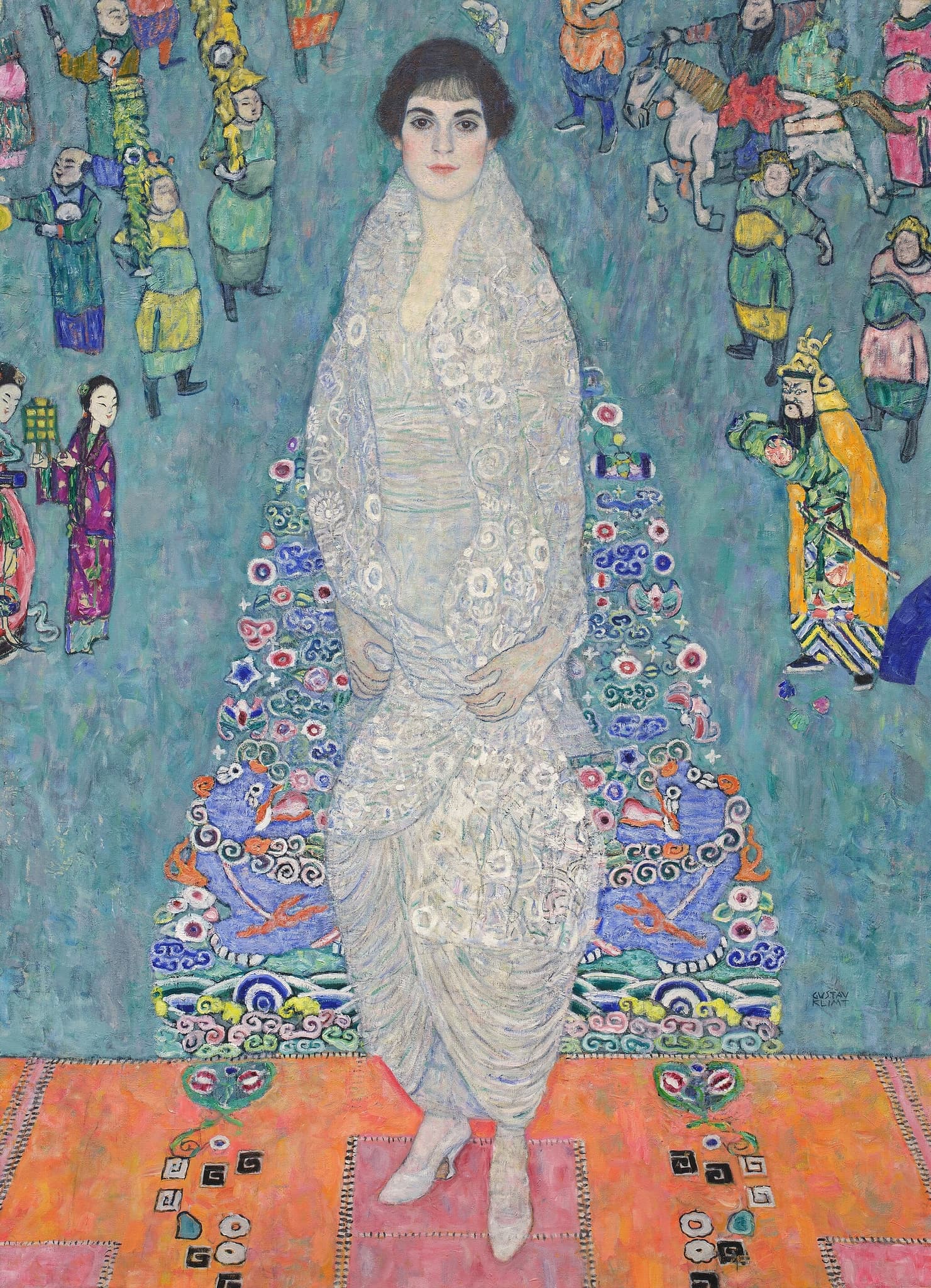
$200-260 million
Anchored to Sotheby’s 18 November 2025 public sale that realized USD 236.4M, Portrait of Elisabeth Lederer is assigned a defensible market band of USD 200–260M.
See full valuation →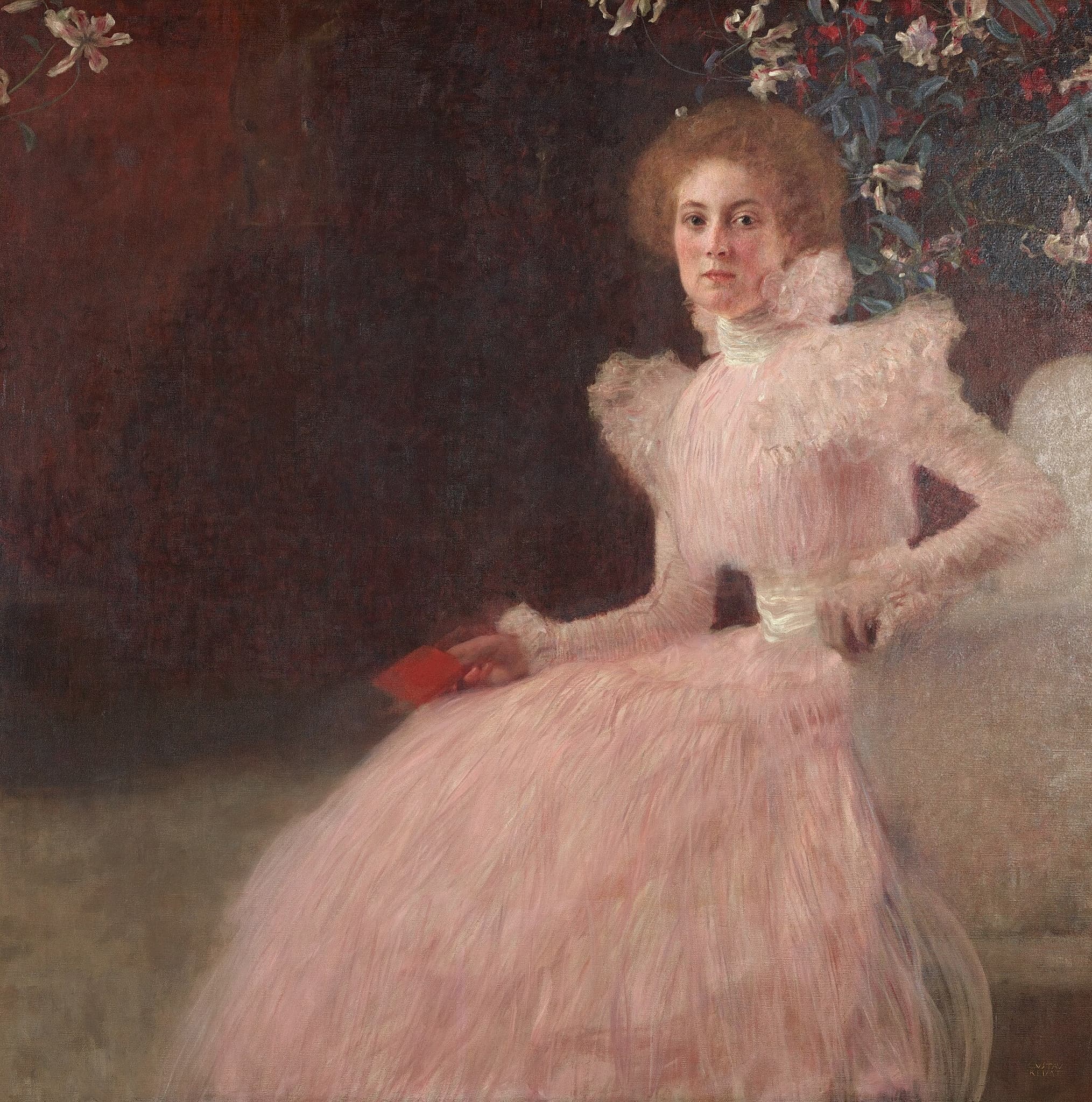
$120-180 million
Portrait of Sonja Knips is a cornerstone early Klimt portrait and a pivotal work in the artist’s transition toward his mature style.
See full valuation →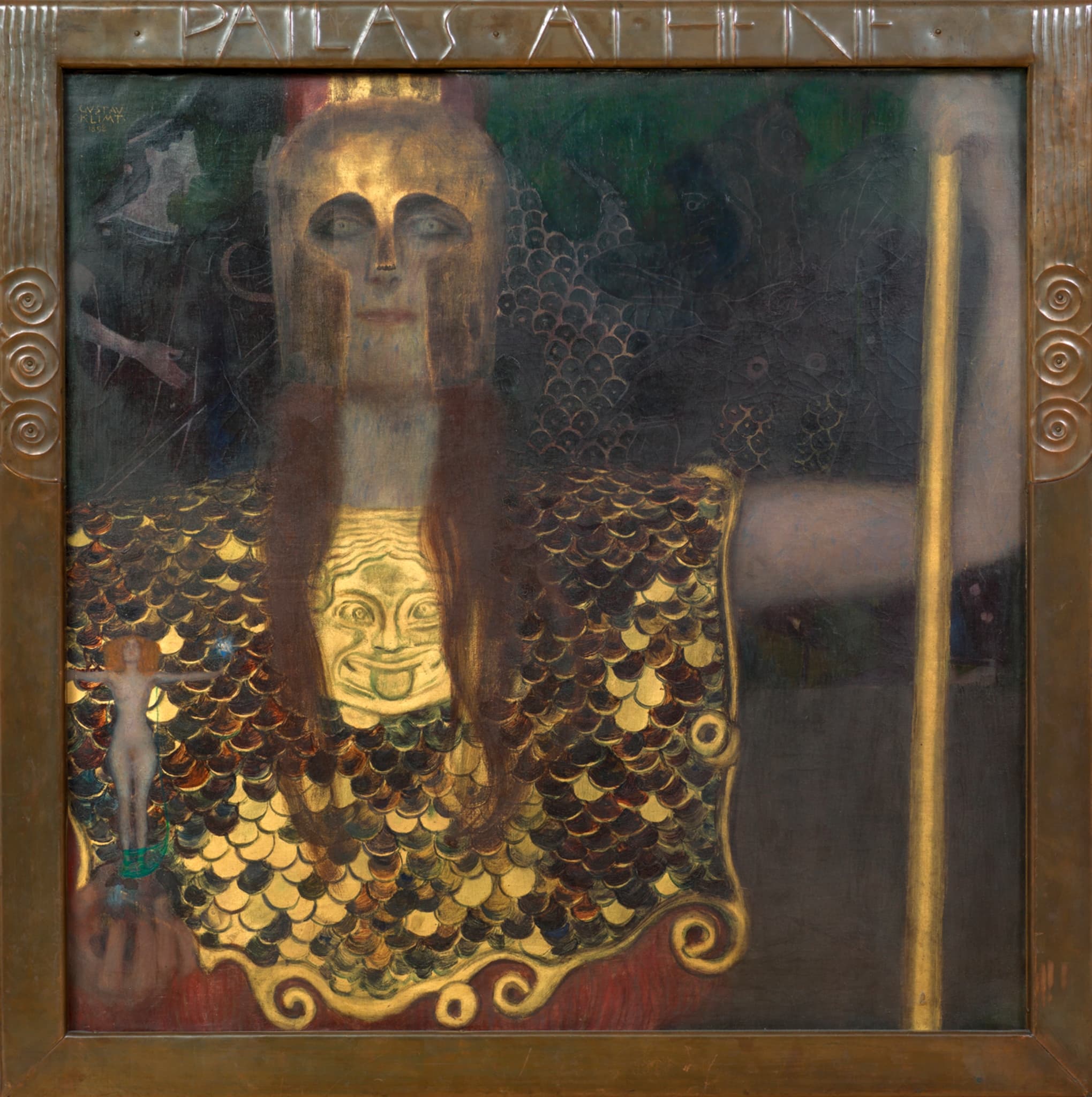
$120-180 million
Assuming an unrestricted, internationally marketed sale with clean title, Gustav Klimt’s Pallas Athena (1898) would command approximately $120–180 million.
See full valuation →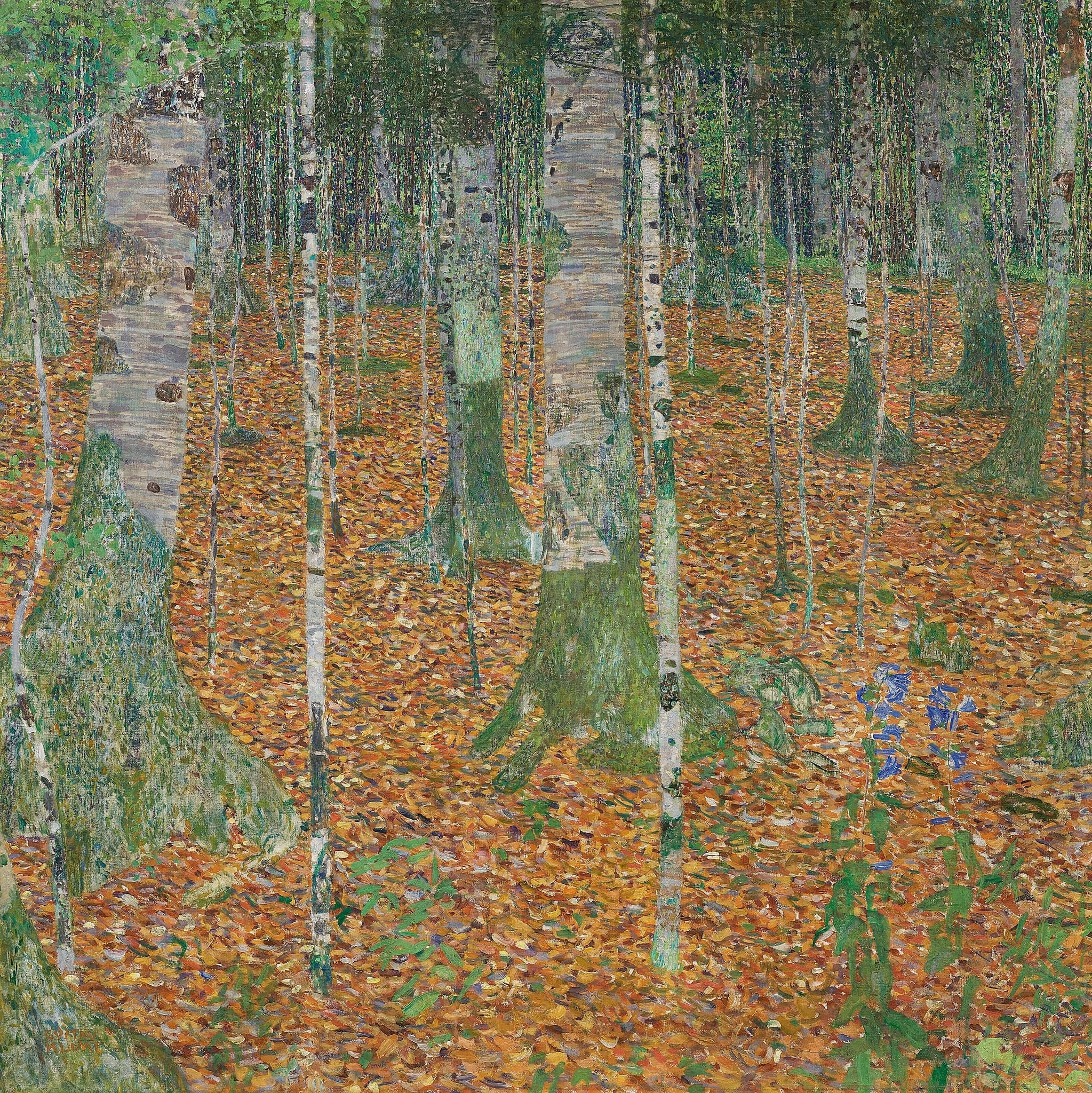
$100-150 million
Christie’s 9 November 2022 sale realizing US$104,585,000 for Birch Forest anchors its current estimated market range at US$100–150M.
See full valuation →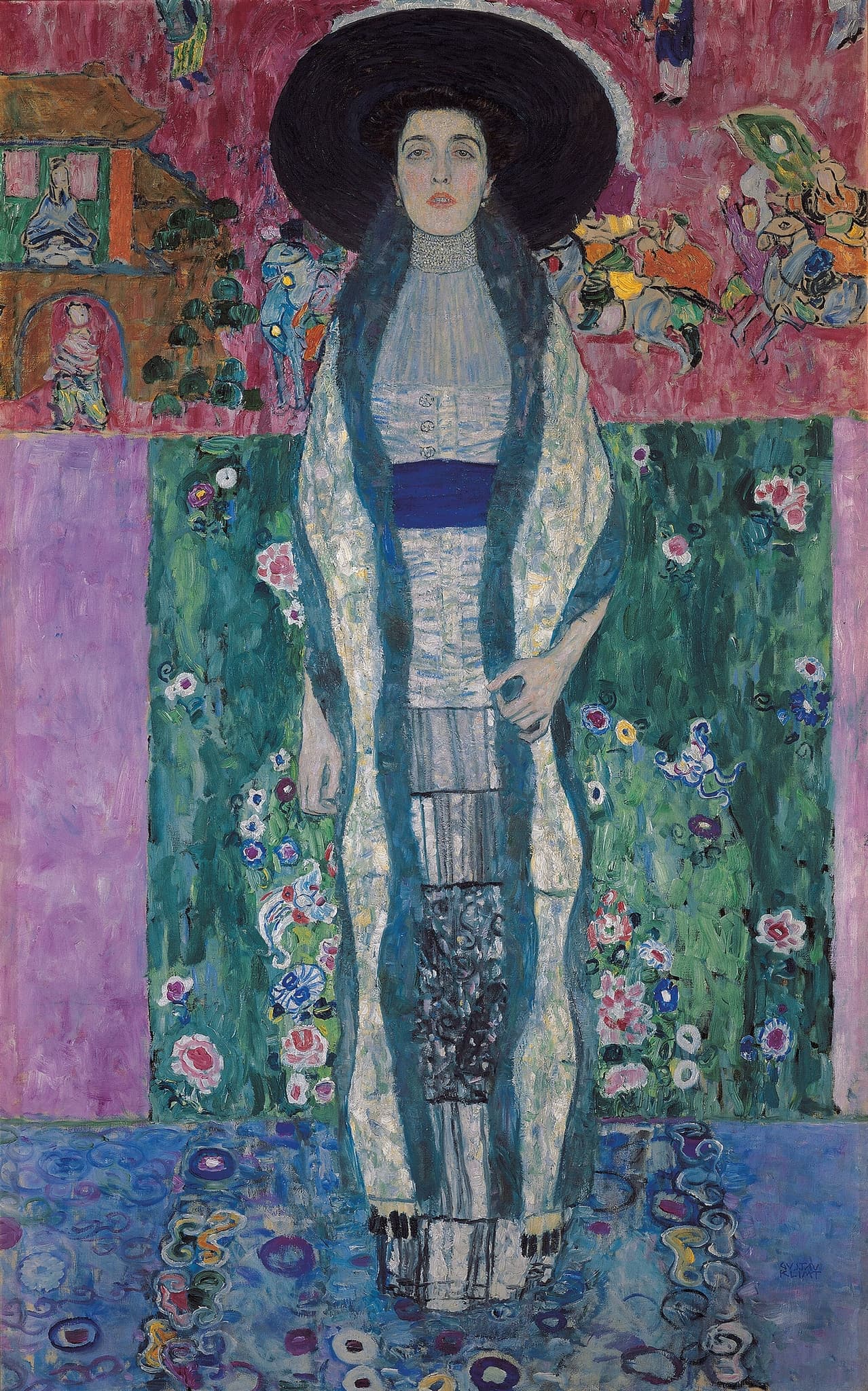
$100-150 million
Backed by the verified 2006 Christie’s anchor and later high‑end comparables, Portrait of Adele Bloch‑Bauer II is estimated at US$100–150M, contingent on provenance and sale channel.
See full valuation →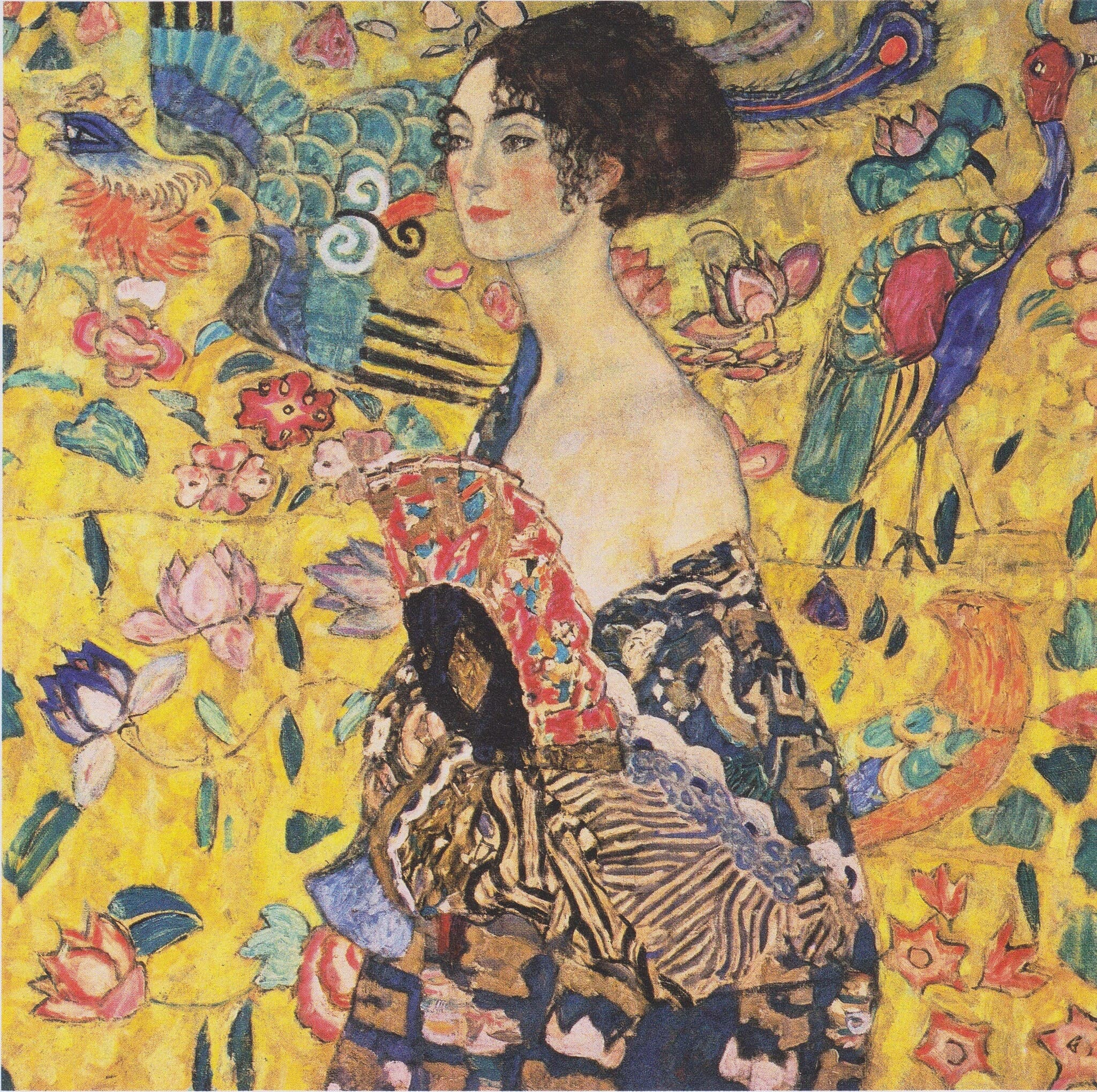
$100-150 million
Sotheby’s London (27 June 2023) sale of the identical Lady with a Fan (≈US$108.4M) supports a defensible US$100–150M market range for this work.
See full valuation →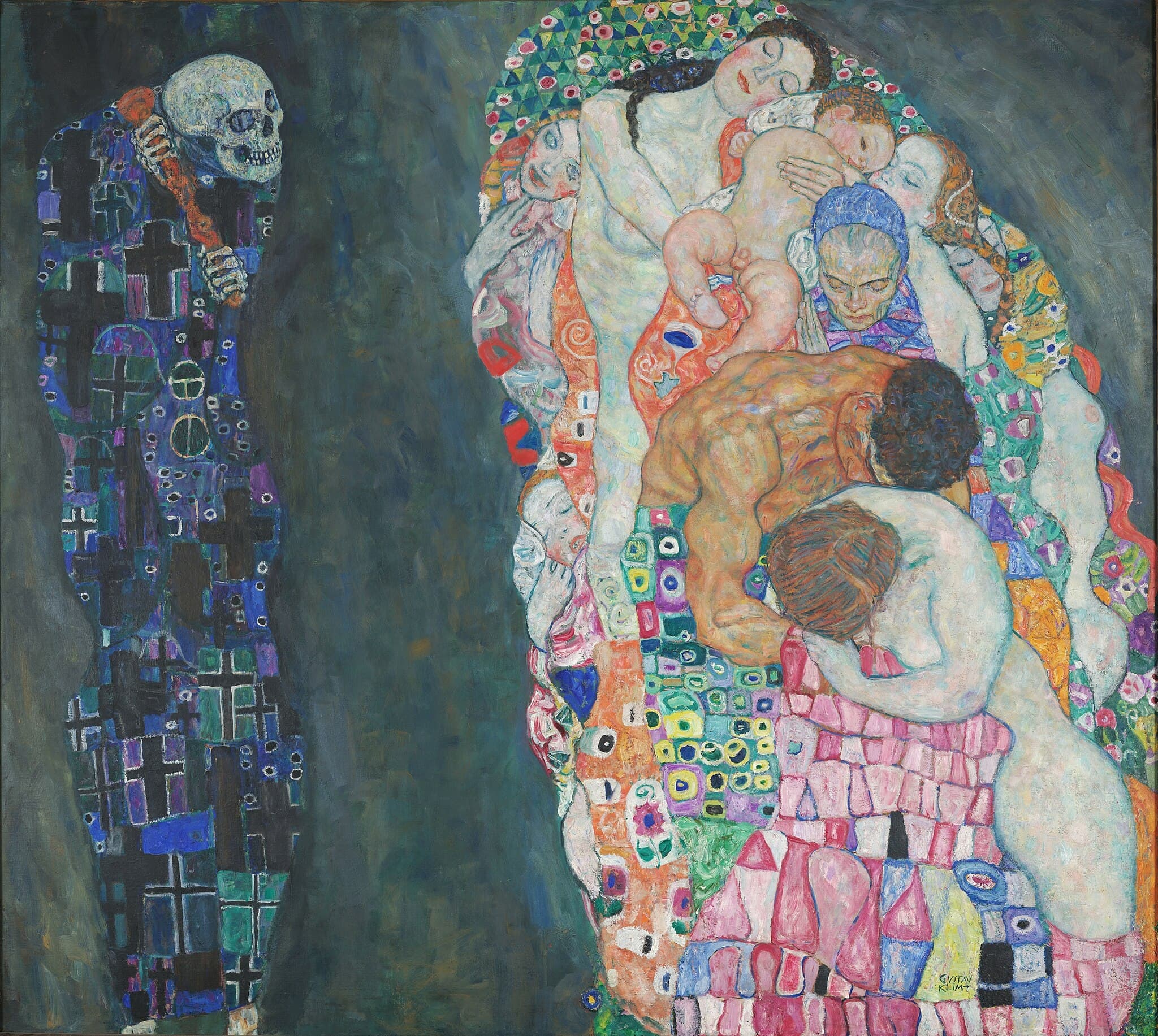
$100-150 million
If authenticated as Klimt’s autograph full‑scale oil with clean title, Death and Life would likely realize US$100–150M, based on museum‑level rarity and recent trophy Klimt results.
See full valuation →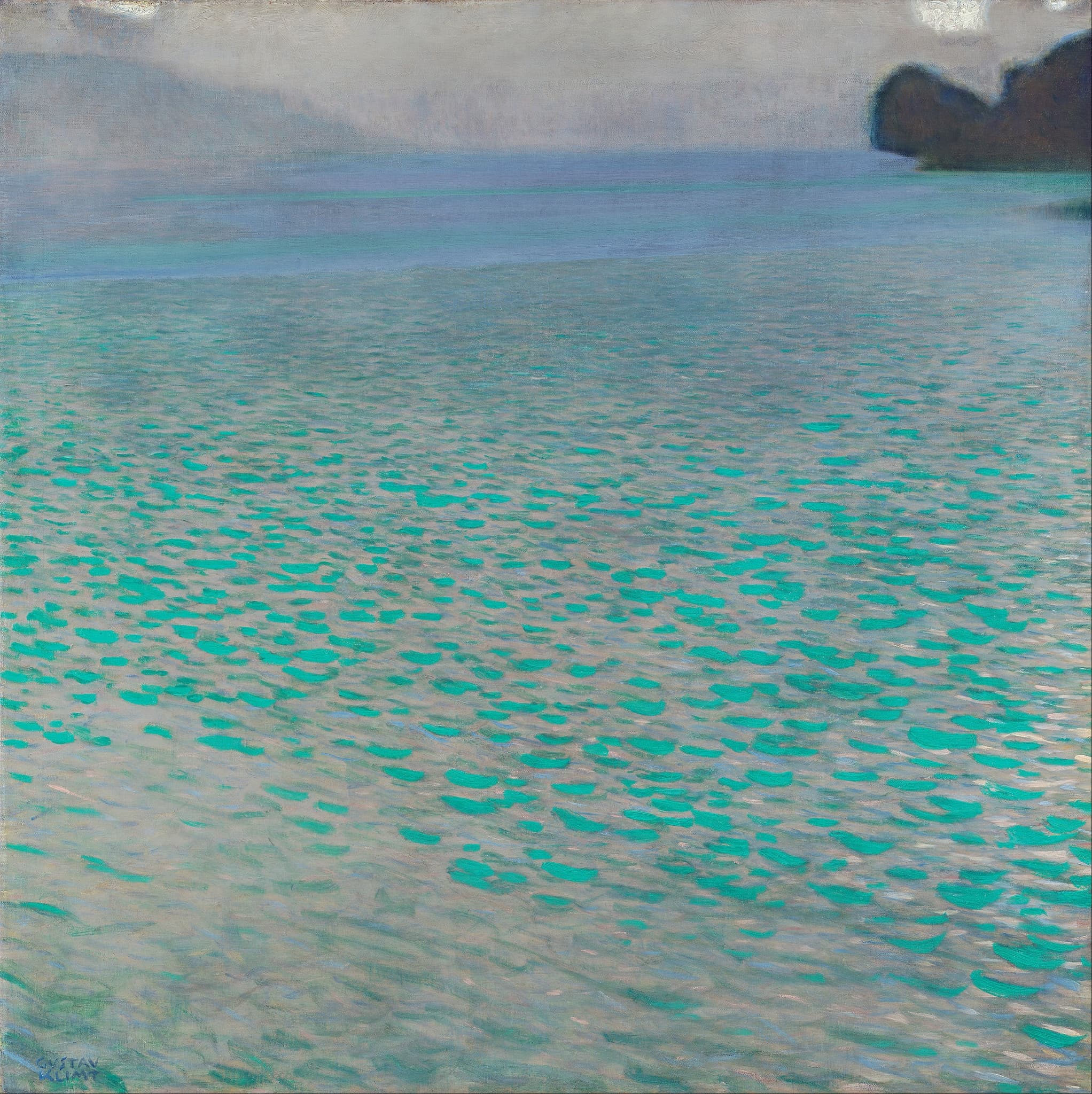
$100-140 million
On Lake Attersee (1900) is a canonical Klimt landscape from the Attersee series and a cornerstone image in the artist’s proto‑abstract, square‑format lake views.
See full valuation →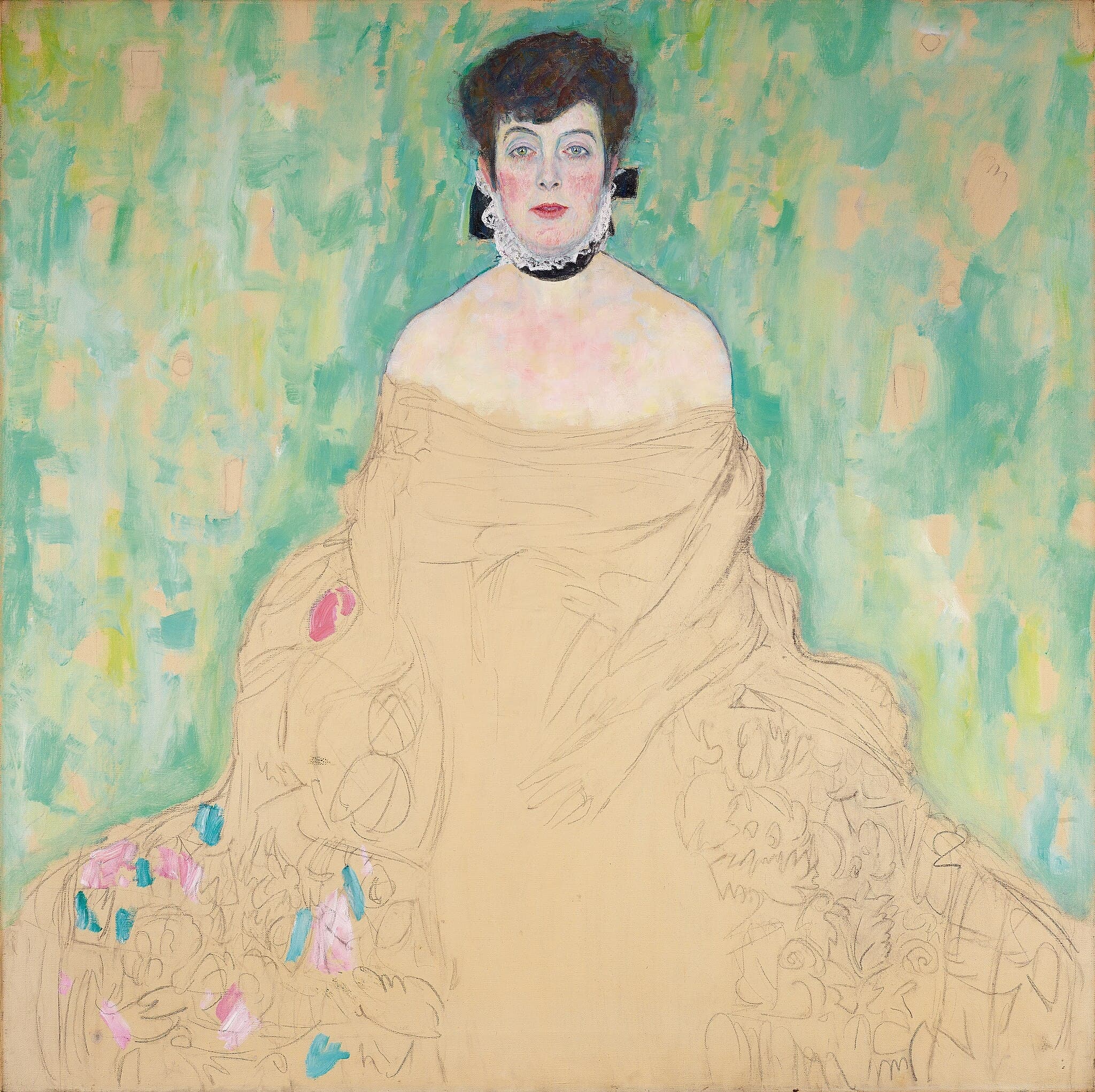
$70-110 million
We estimate Gustav Klimt’s Amalie Zuckerkandl (1917–18, unfinished) at $70–110 million on a hypothetical market basis.
See full valuation →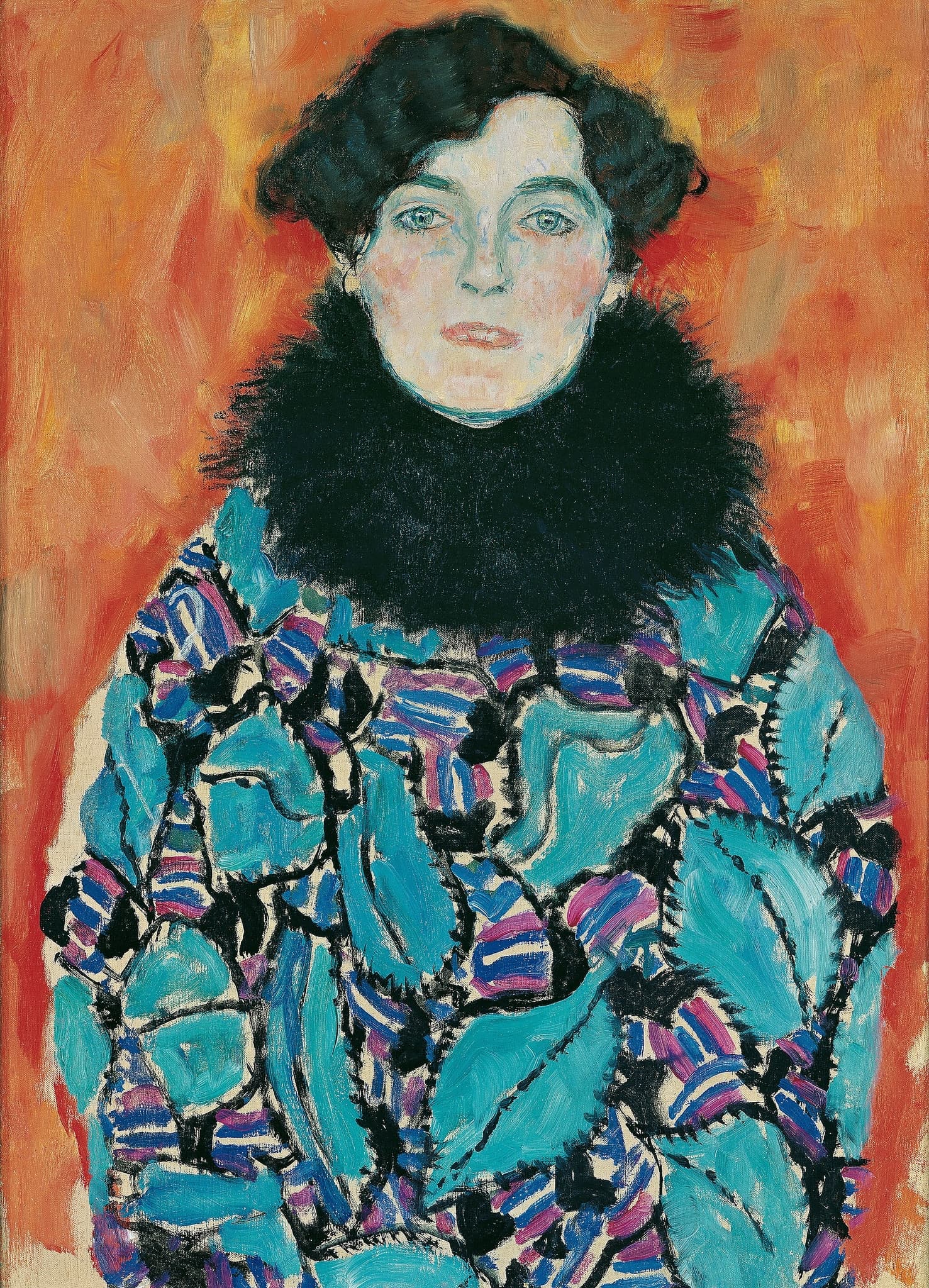
$70-100 million
Hypothetical fair market value for Gustav Klimt’s Johanna Staude (1917–18, unfinished) is $70–100 million if legally deaccessioned and offered in a top-tier New York or London evening sale within 12–24 months.
See full valuation →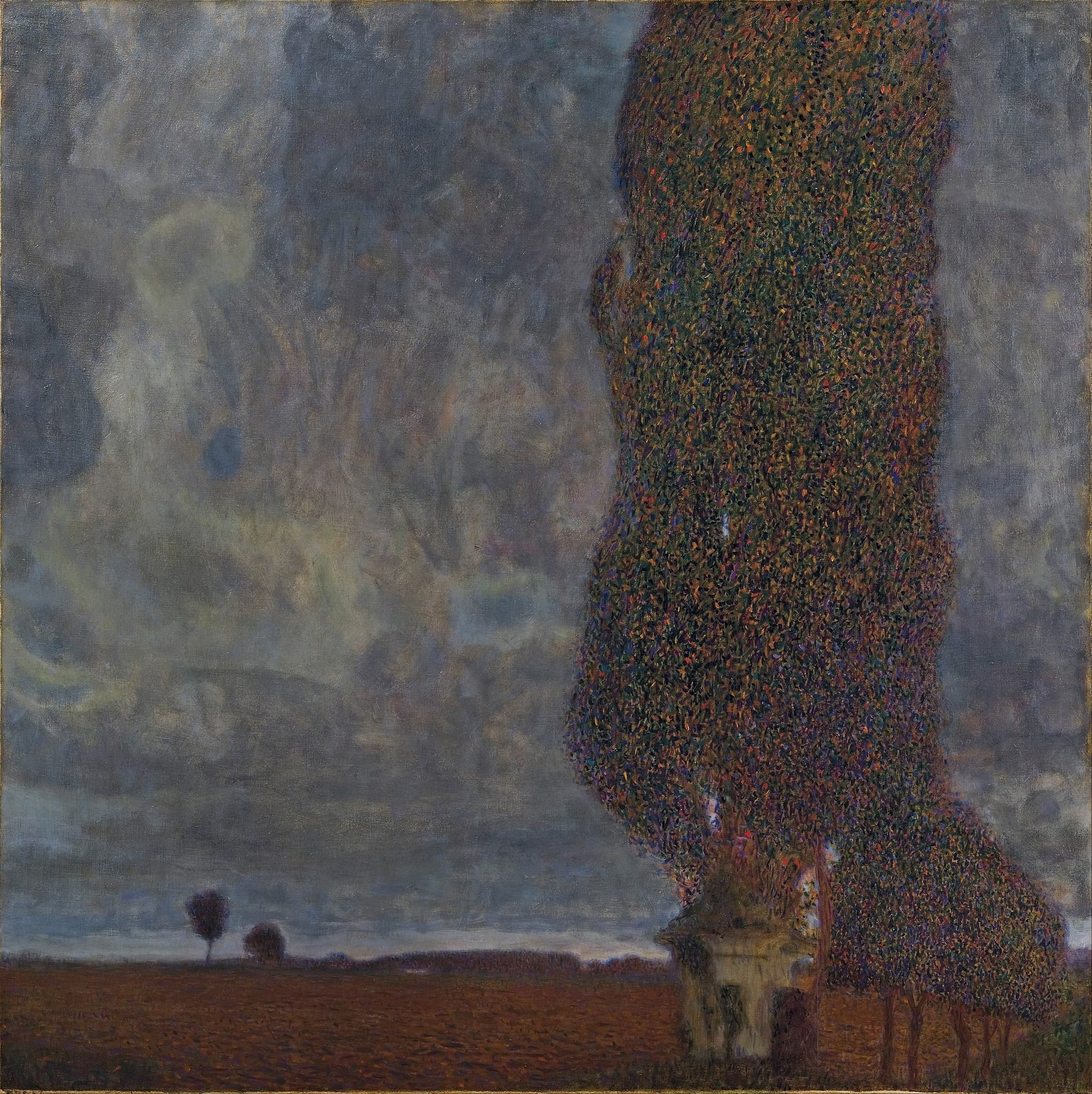
$60-90 million
Based on recent, closely related Klimt landscape results and the work’s museum-grade quality, The Large Poplar II (Gathering Storm) would likely fetch $60–90 million in today’s market.
See full valuation →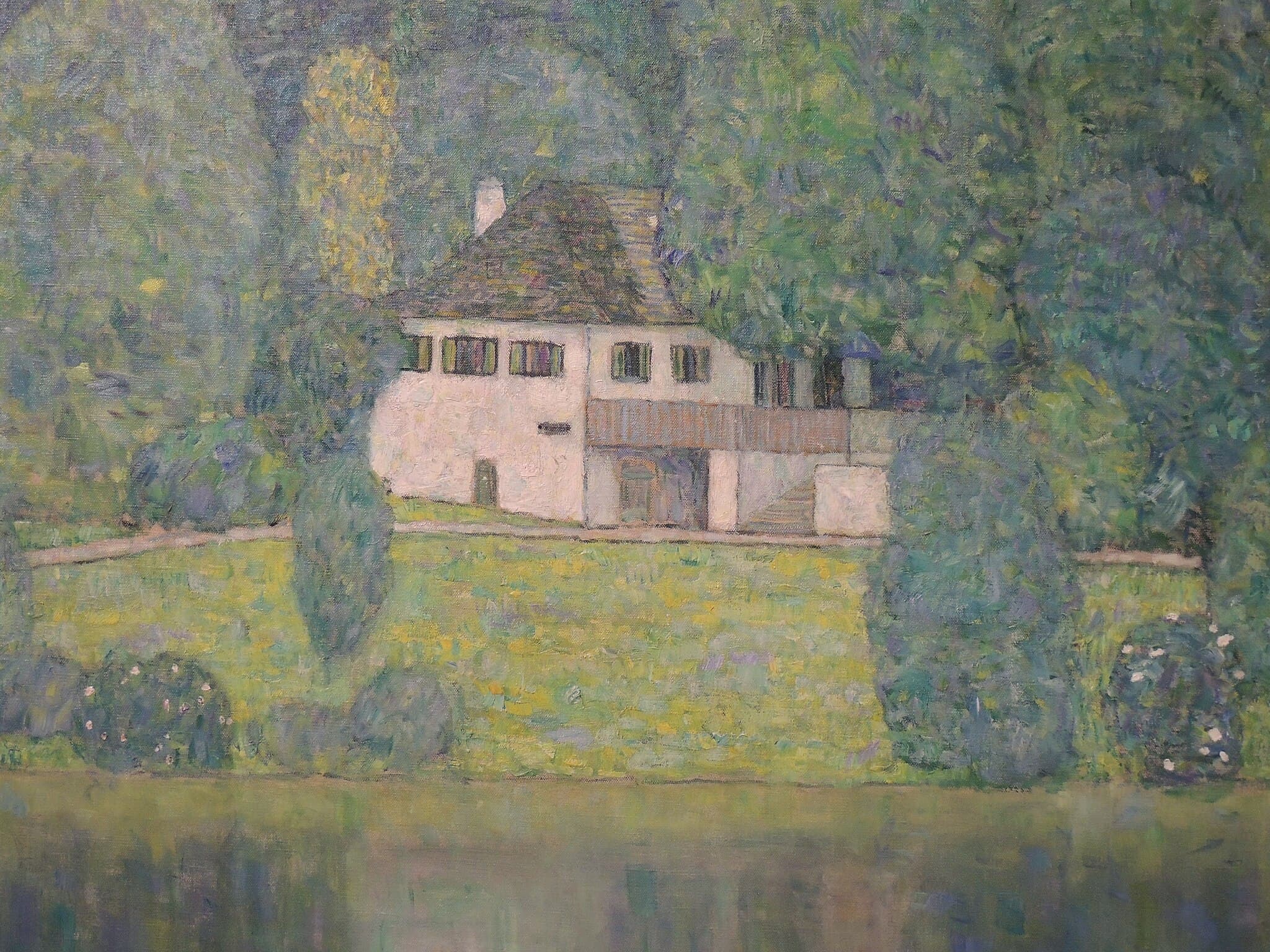
$65-90 million
Litzlbergkeller (1915–16, oil on canvas, 110 × 110 cm) is a prime late Attersee landscape by Gustav Klimt, a category with deep global demand and recent marquee results.
See full valuation →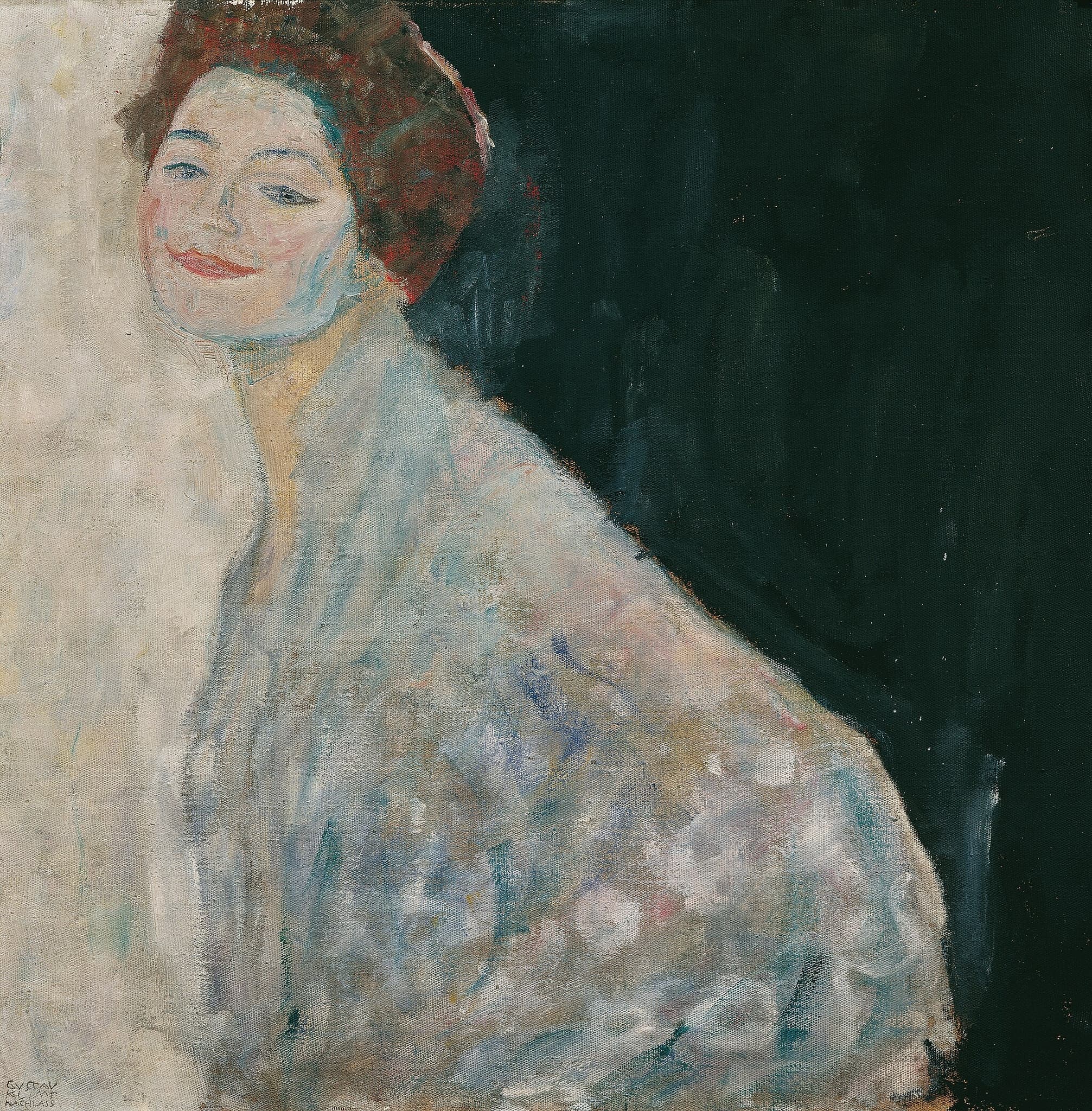
$55-85 million
We estimate Gustav Klimt’s Lady in White (1917–18, unfinished; Upper Belvedere, Vienna) at $55–85 million in a hypothetical, unconstrained open‑market sale.
See full valuation →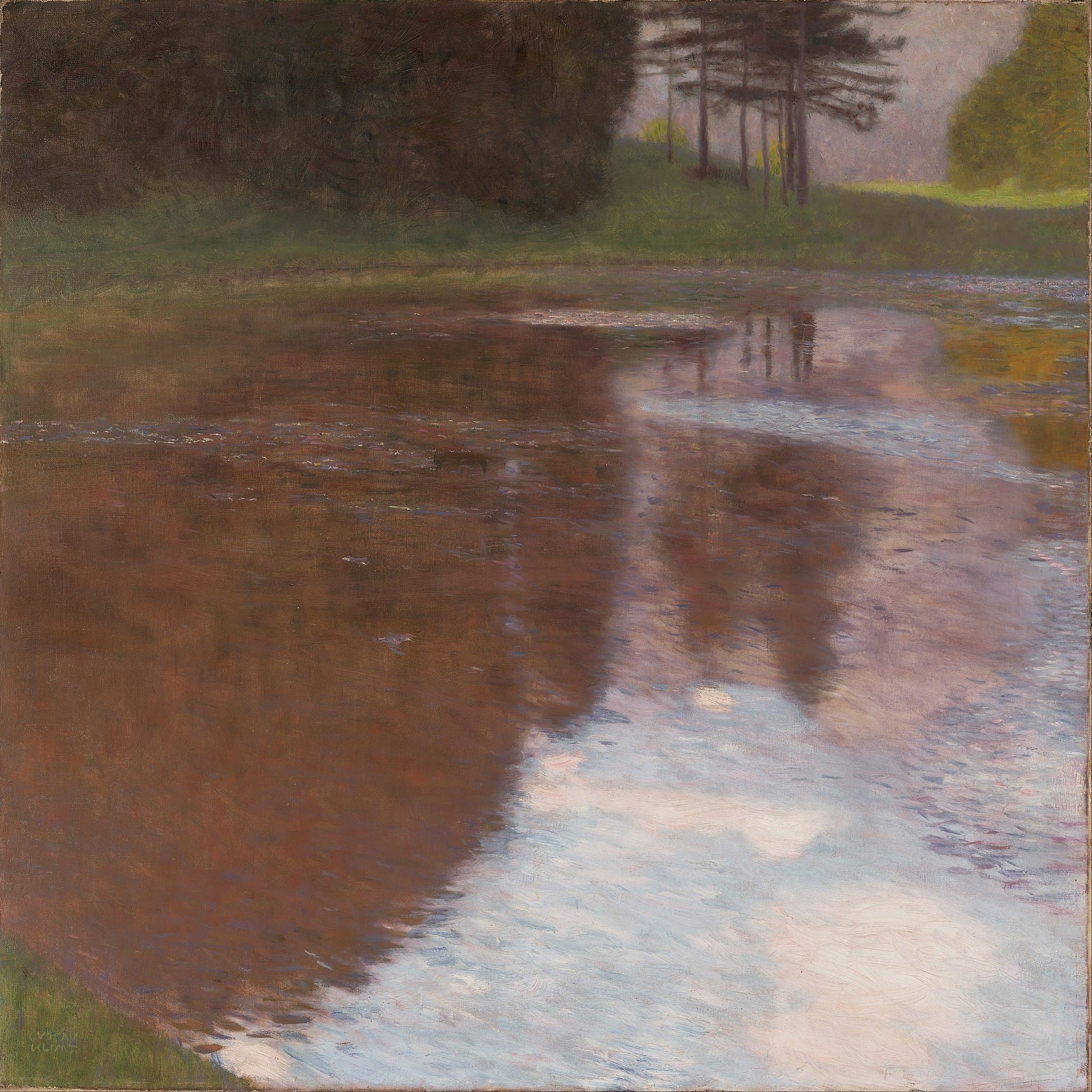
$55-85 million
A Morning by the Pond (1899) is Klimt’s first square-format landscape, a museum-grade work with deep provenance at the Leopold Museum.
See full valuation →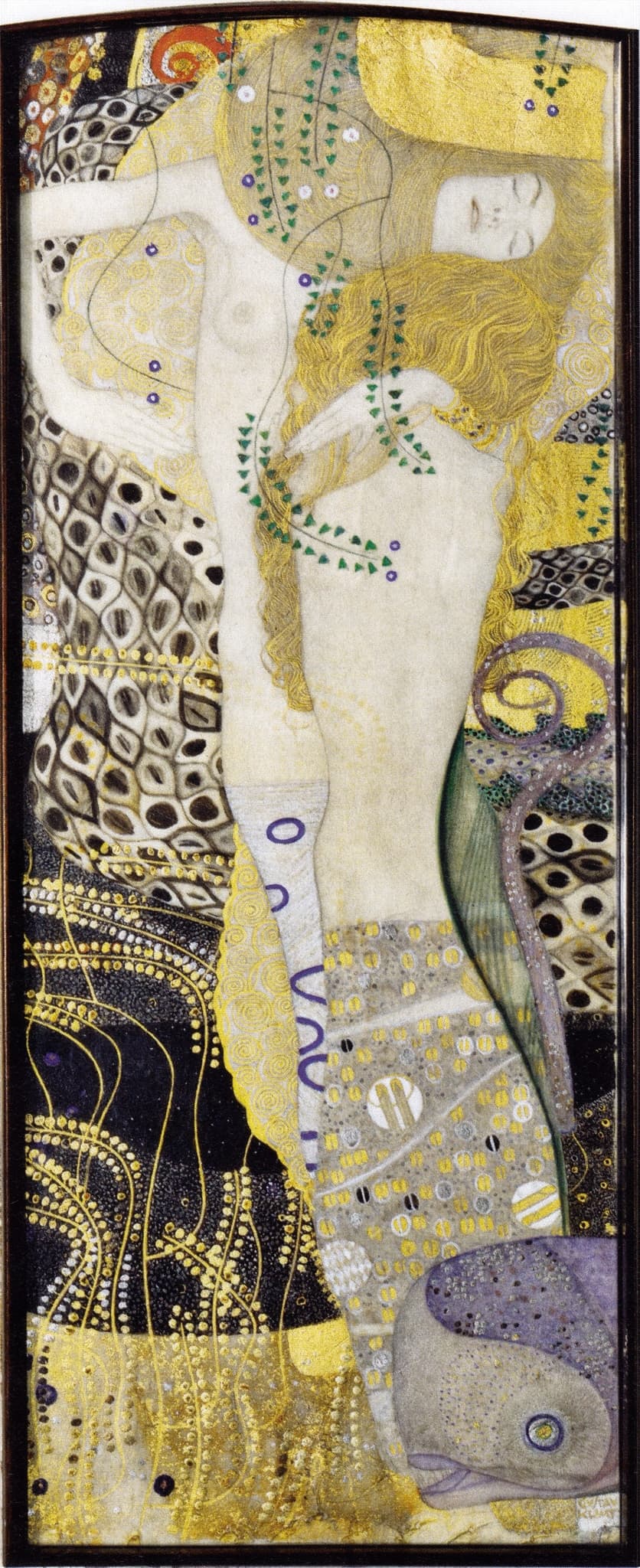
$30-80 million
Museum provenance and the parchment medium discount constrain Girlfriends (Water Serpents I) to an estimated US$30–80M if legitimately offered on the open international market.
See full valuation →
$15-75 million
Belvedere‑held Sunflower (1907/08) would likely realize US$15–75M on the open market, discounted for museum ownership, subject (floral), and uncertain condition.
See full valuation →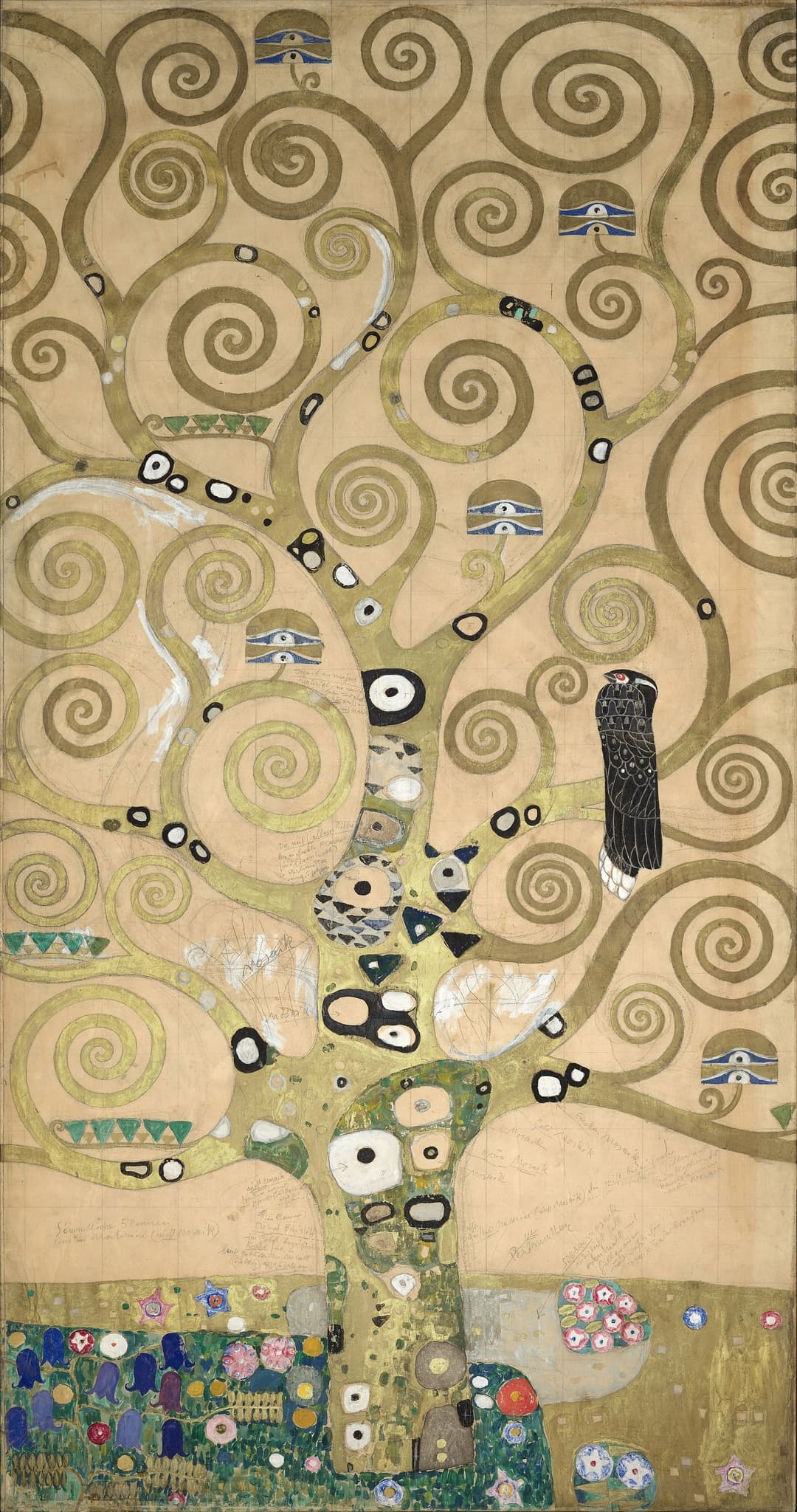
$30-60 million
As the movable Stoclet Frieze cartoon, The Tree of Life is estimated at US$30–60M, reflecting iconic status balanced against works‑on‑paper medium and export constraints.
See full valuation →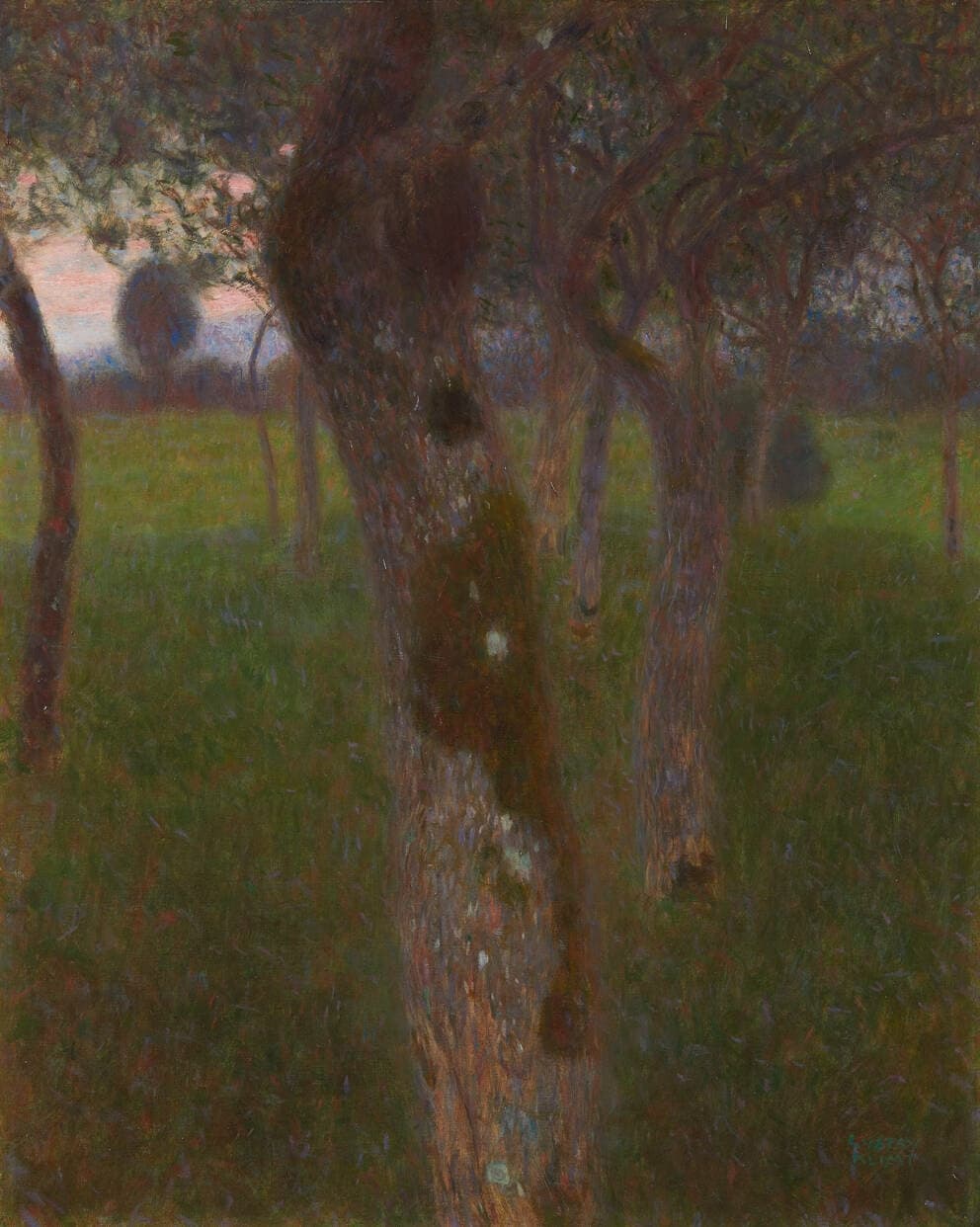
$10-40 million
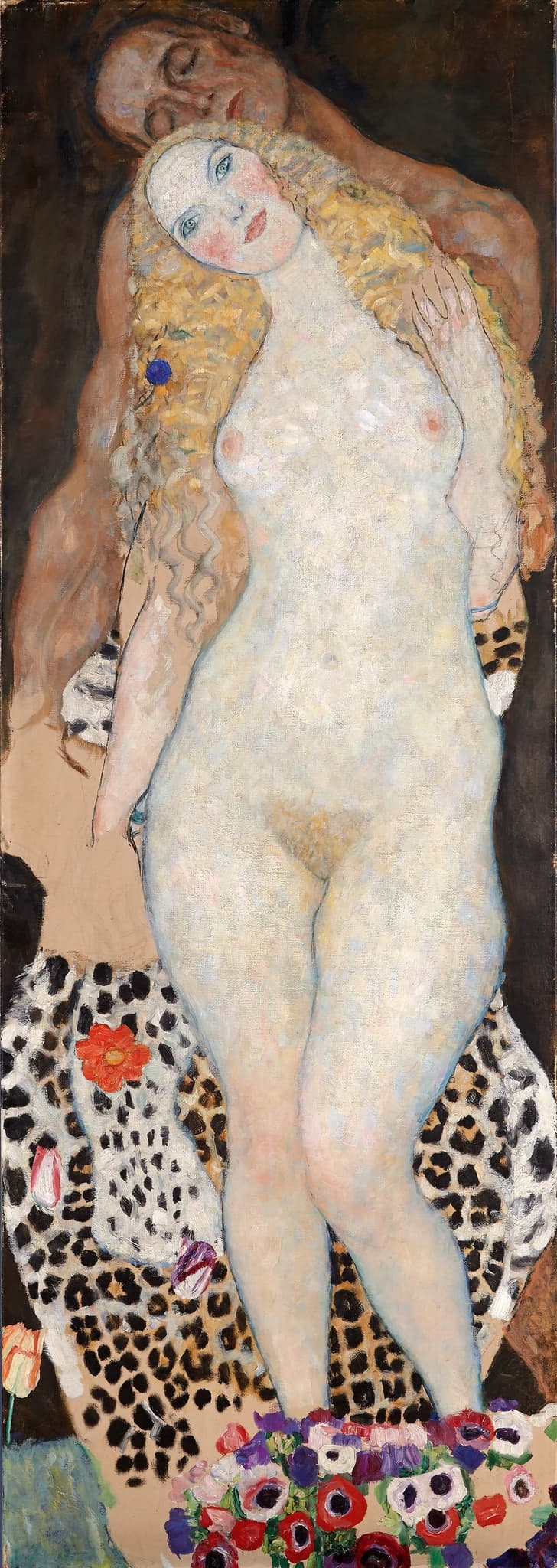
Unfinished and museum‑held with no public sale record, Adam and Eve (c.1916–18) would be valued approximately US$10–40M if legitimately deaccessioned and offered.
See full valuation →
$20-40 million
Based on recent Klimt market benchmarks and the work’s specific attributes, a reasonable hypothetical fair-market value for Gustav Klimt’s Josef Lewinsky as Carlos in Clavigo is $20–40 million.
See full valuation →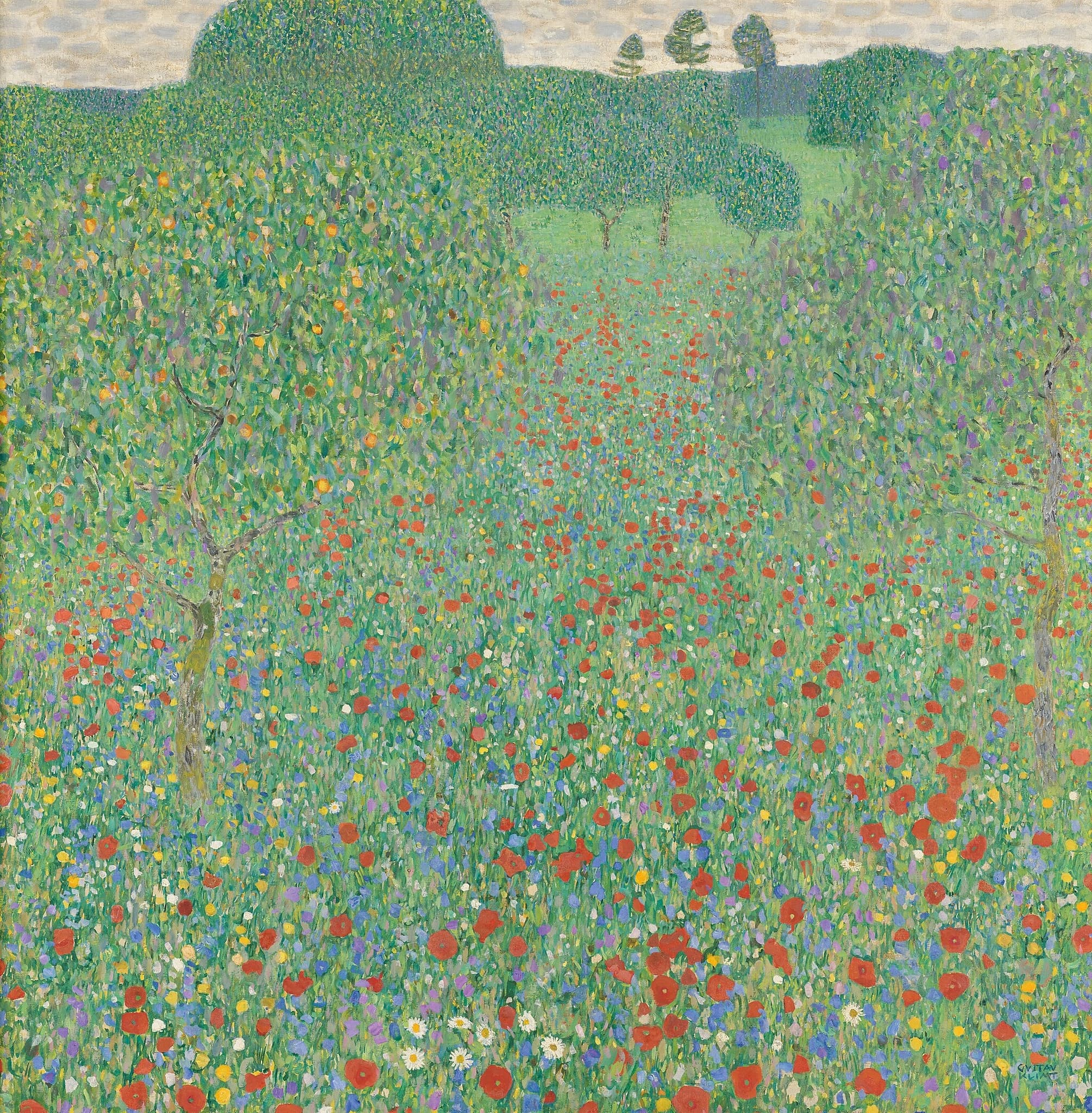
$8-35 million
Belvedere‑held Flowering Poppies (1907) has no modern auction record and would likely trade for US$8–35M (most likely US$12–25M) if offered under normal sale conditions.
See full valuation →
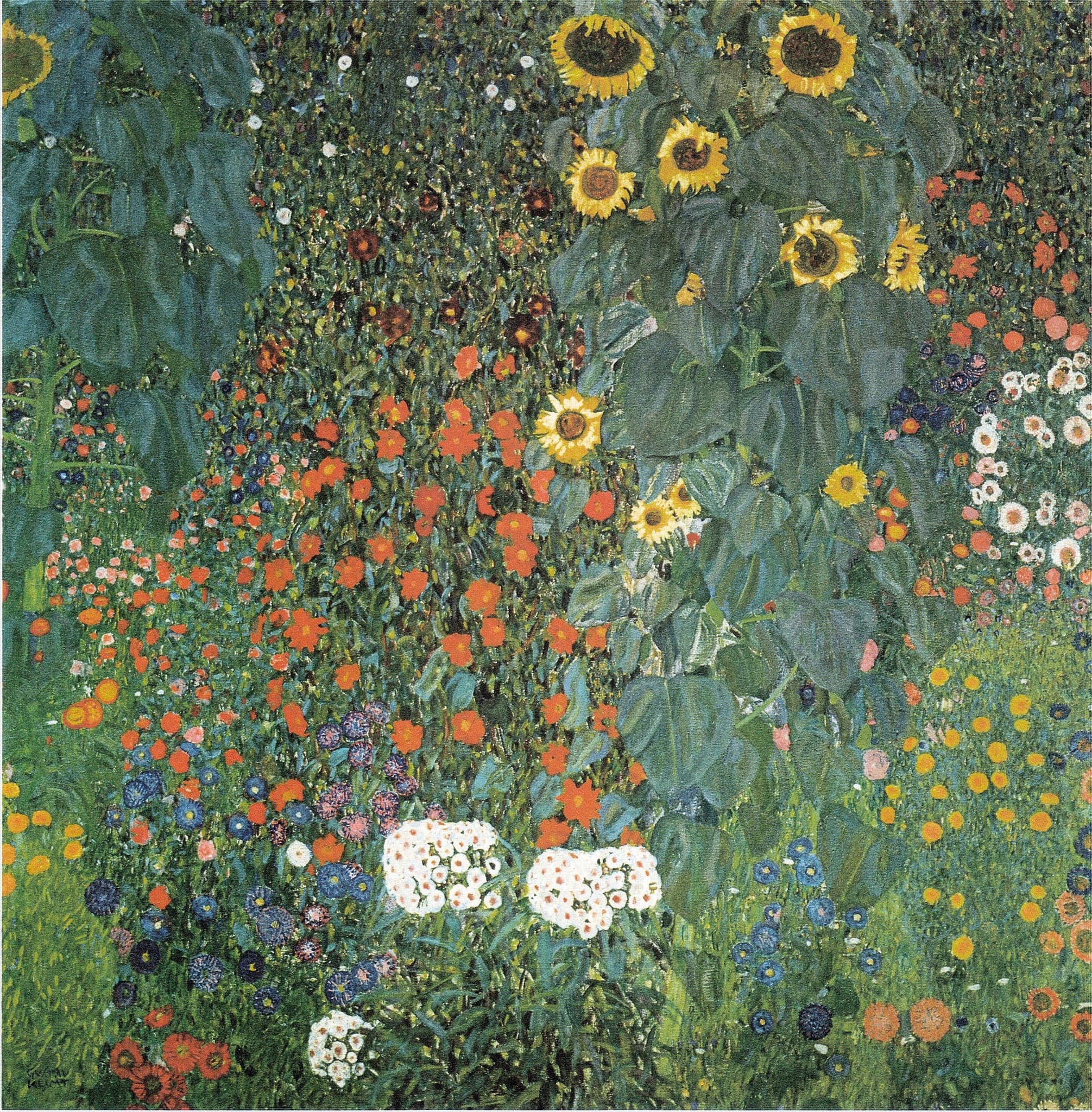
$3-25 million
Cottage Garden with Sunflowers (c.1906–07) would most likely hammer between US$3–25M, with routine deaccession scenarios at the low end and museum‑quality evening sales at the high end.
See full valuation →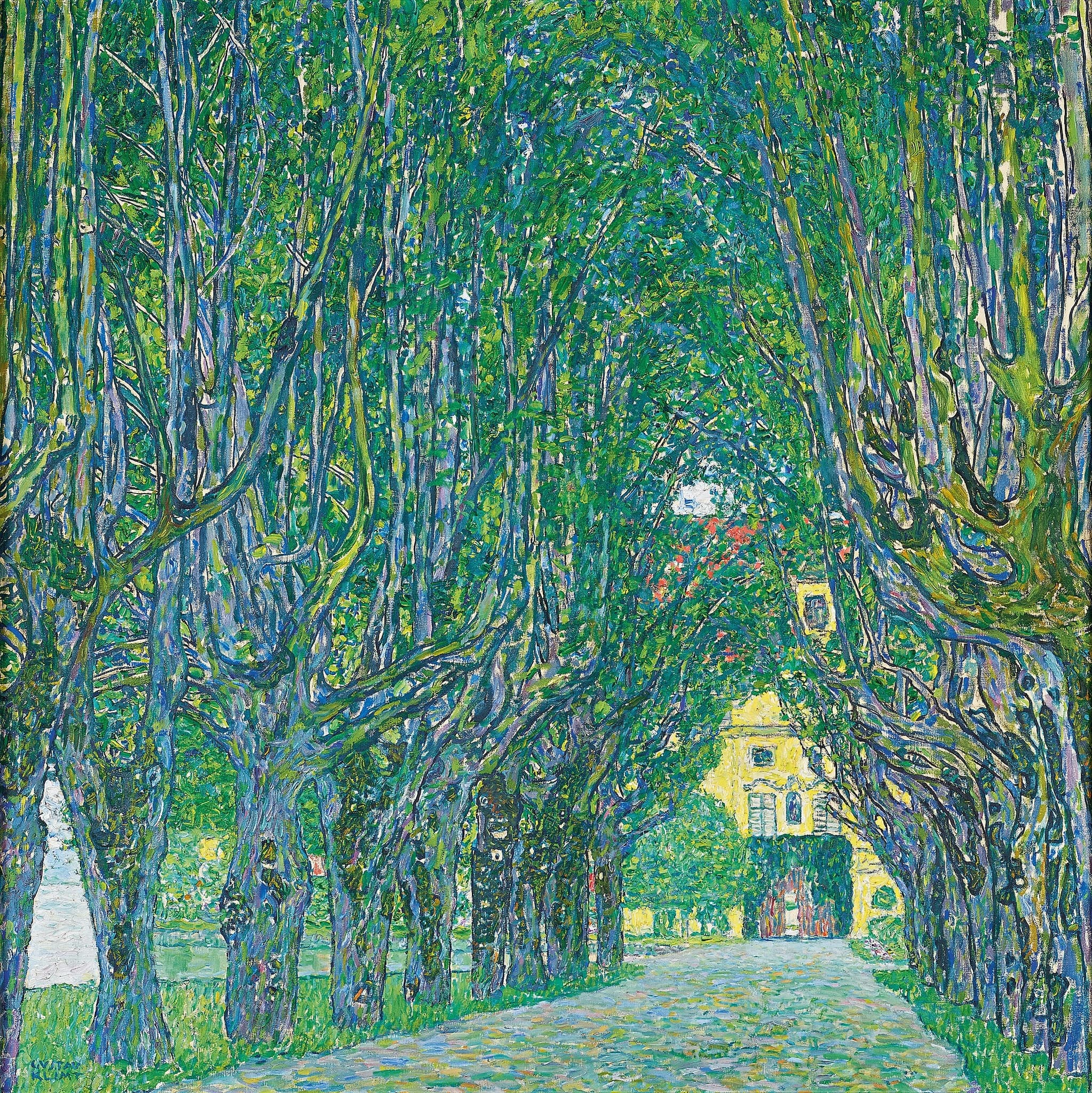
$5-25 million
Avenue in Schloss Kammer Park (1912), with Belvedere provenance and no sale history, would most likely realise US$5–25M, reflecting the landscape discount versus Klimt portraits.
See full valuation →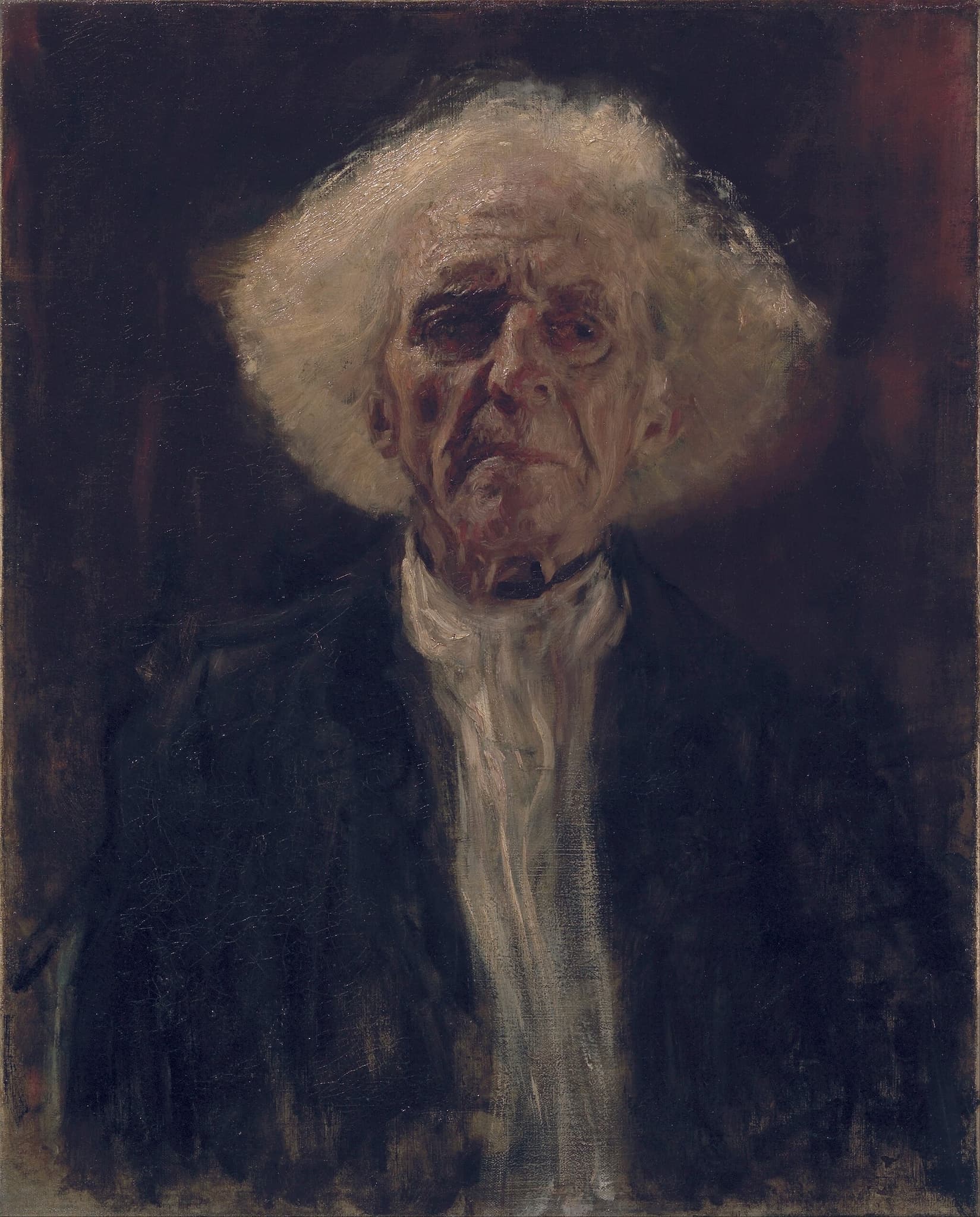
$14-23 million
Based on recent Klimt market benchmarks and the work’s early date, subject, and scale, The Blind Man (c.
See full valuation →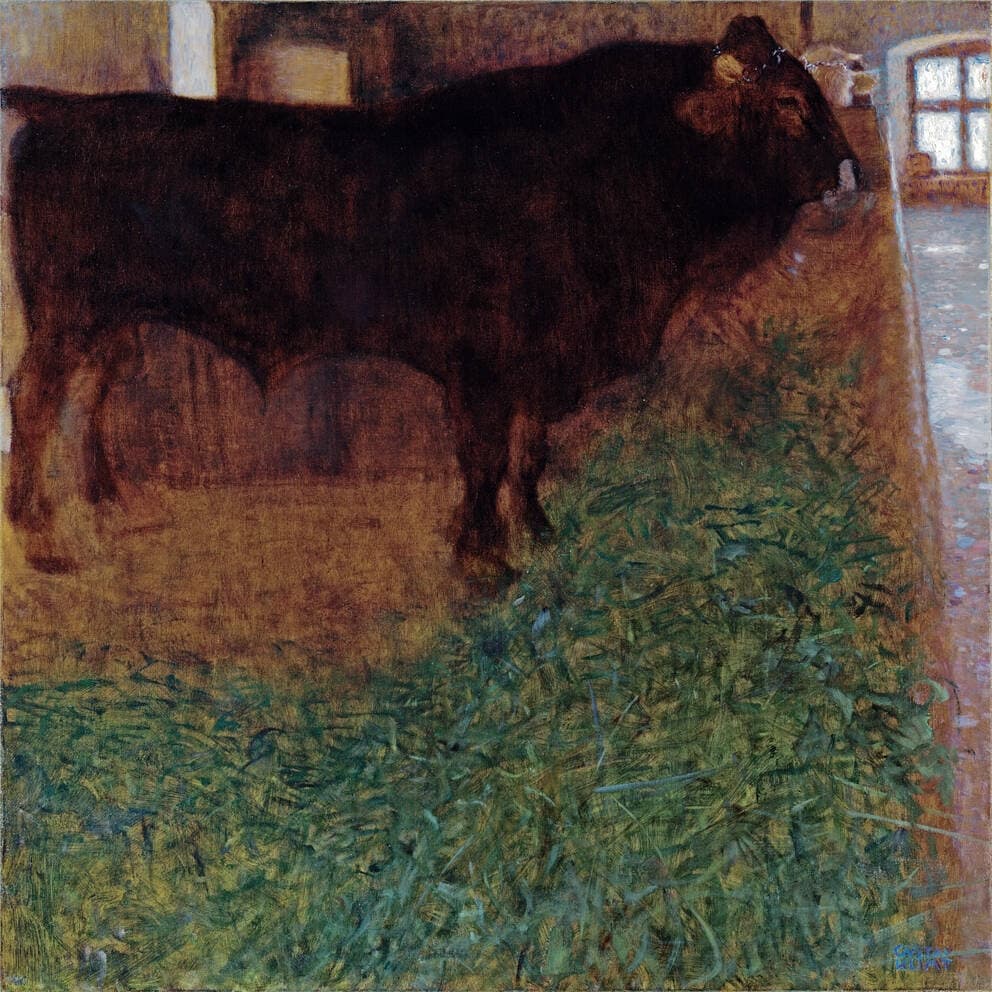
$10-18 million
Estimated fair-market value: $10–18 million.
See full valuation →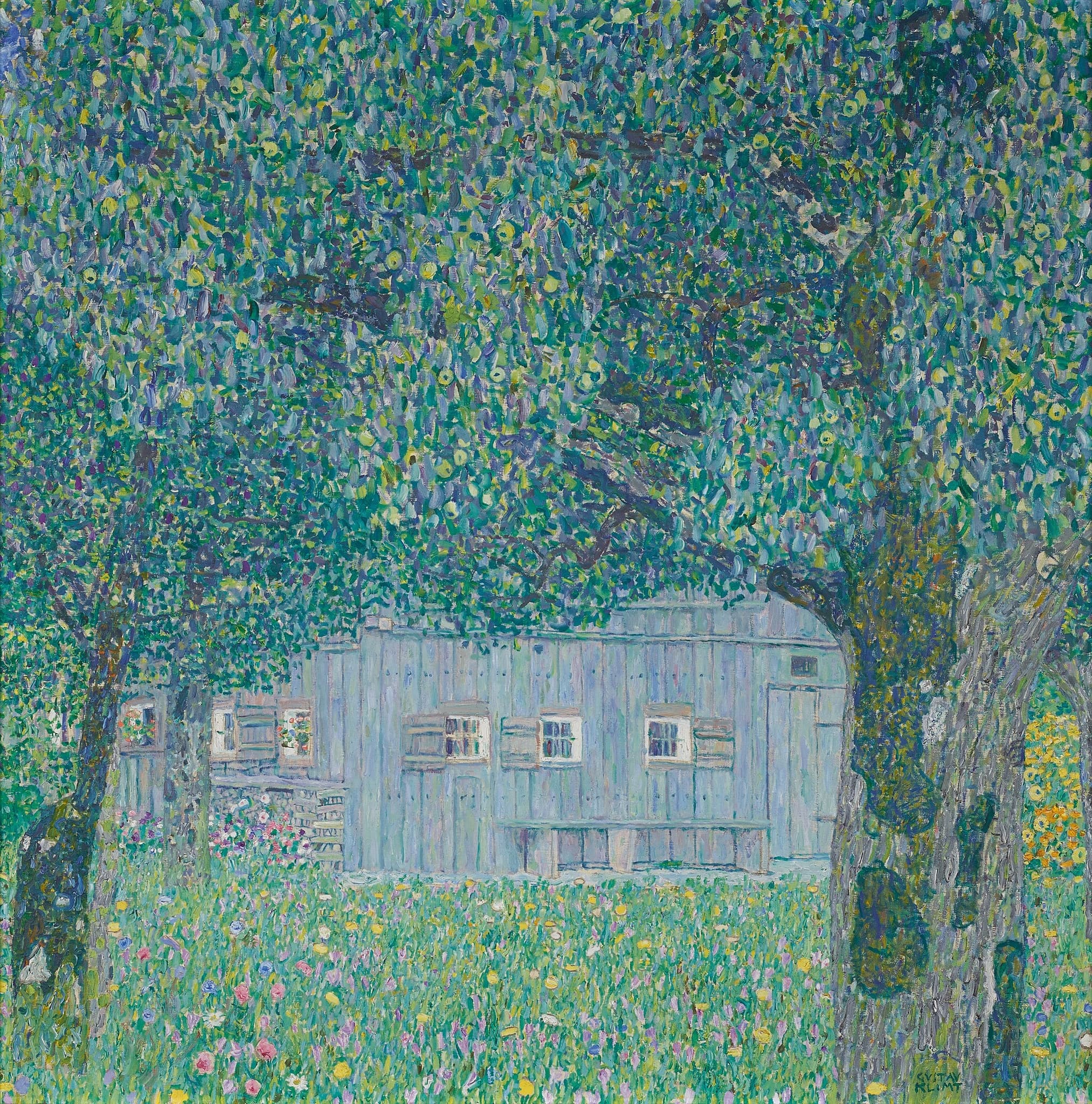
$3-12 million
Farmhouse in Buchberg (1911) is estimated at US$3–12M (central expectation US$5–8M), reflecting its late‑period landscape status, Belvedere provenance, and absence of public sale history.
See full valuation →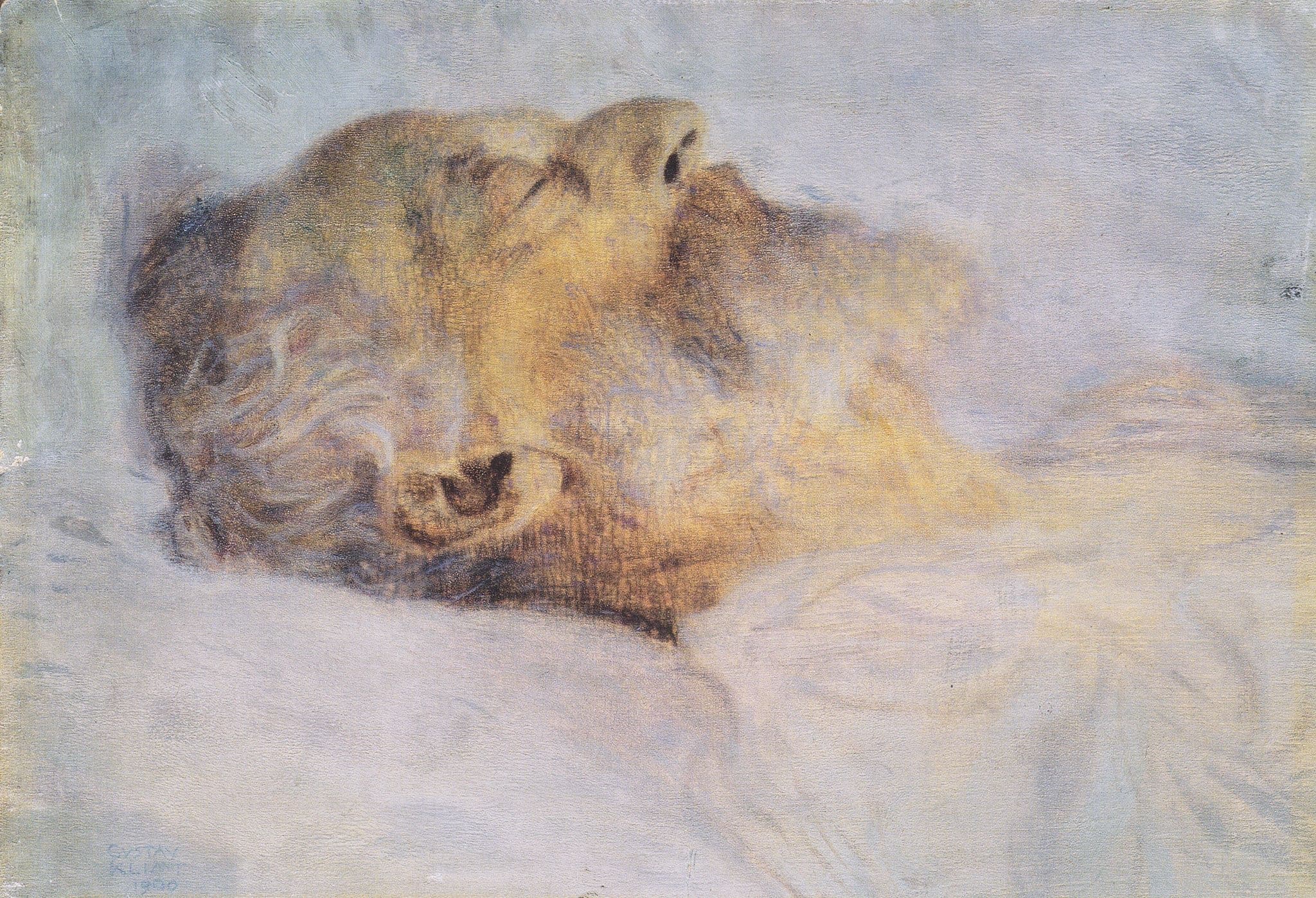
$6–9 million
Fair‑market value for Gustav Klimt’s Old Man on His Deathbed (1900, oil on cardboard, 30.
See full valuation →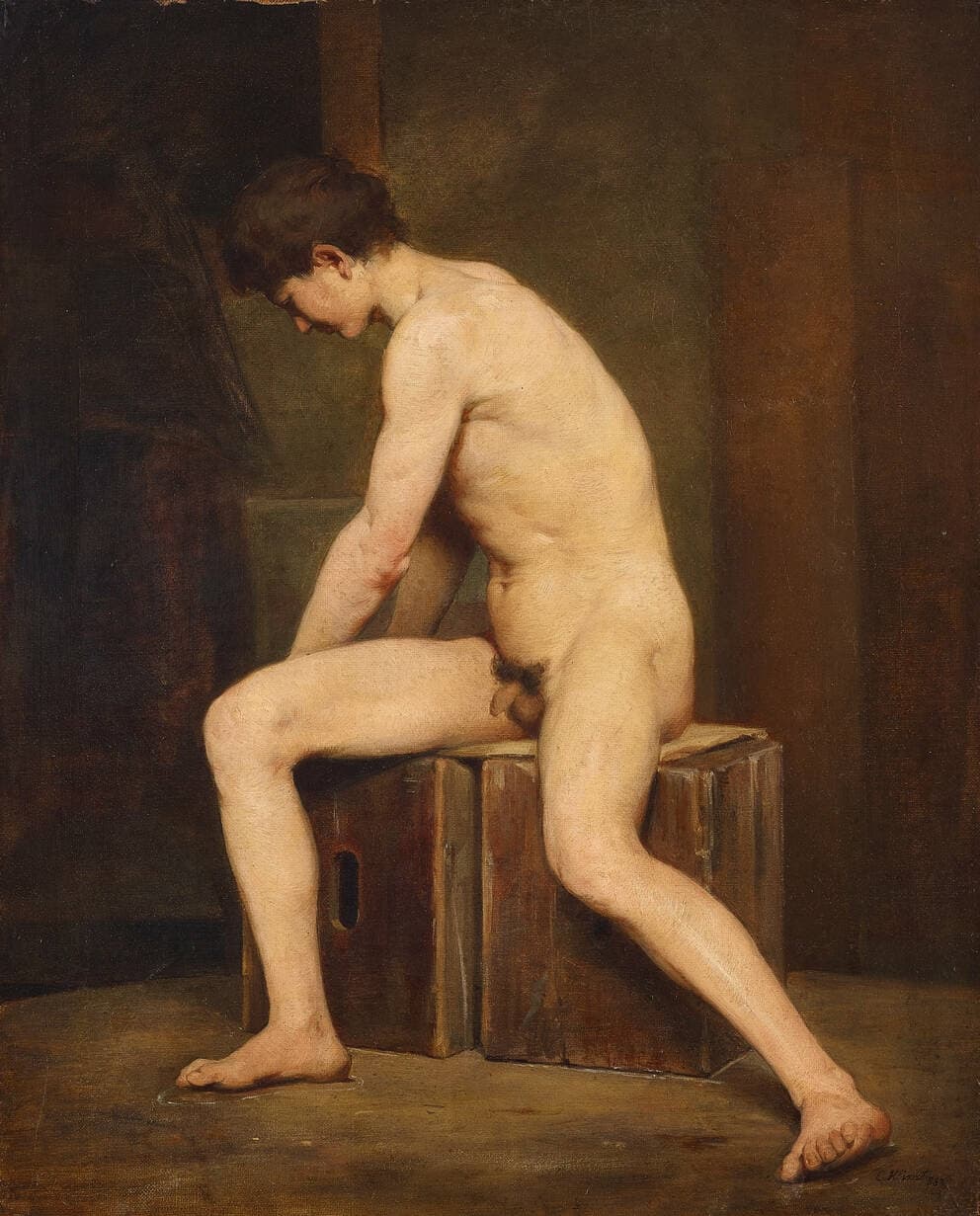
$4-8 million
We estimate Gustav Klimt’s Sitting Nude Man Turned to the Left (1883) at $4–8 million at auction.
See full valuation →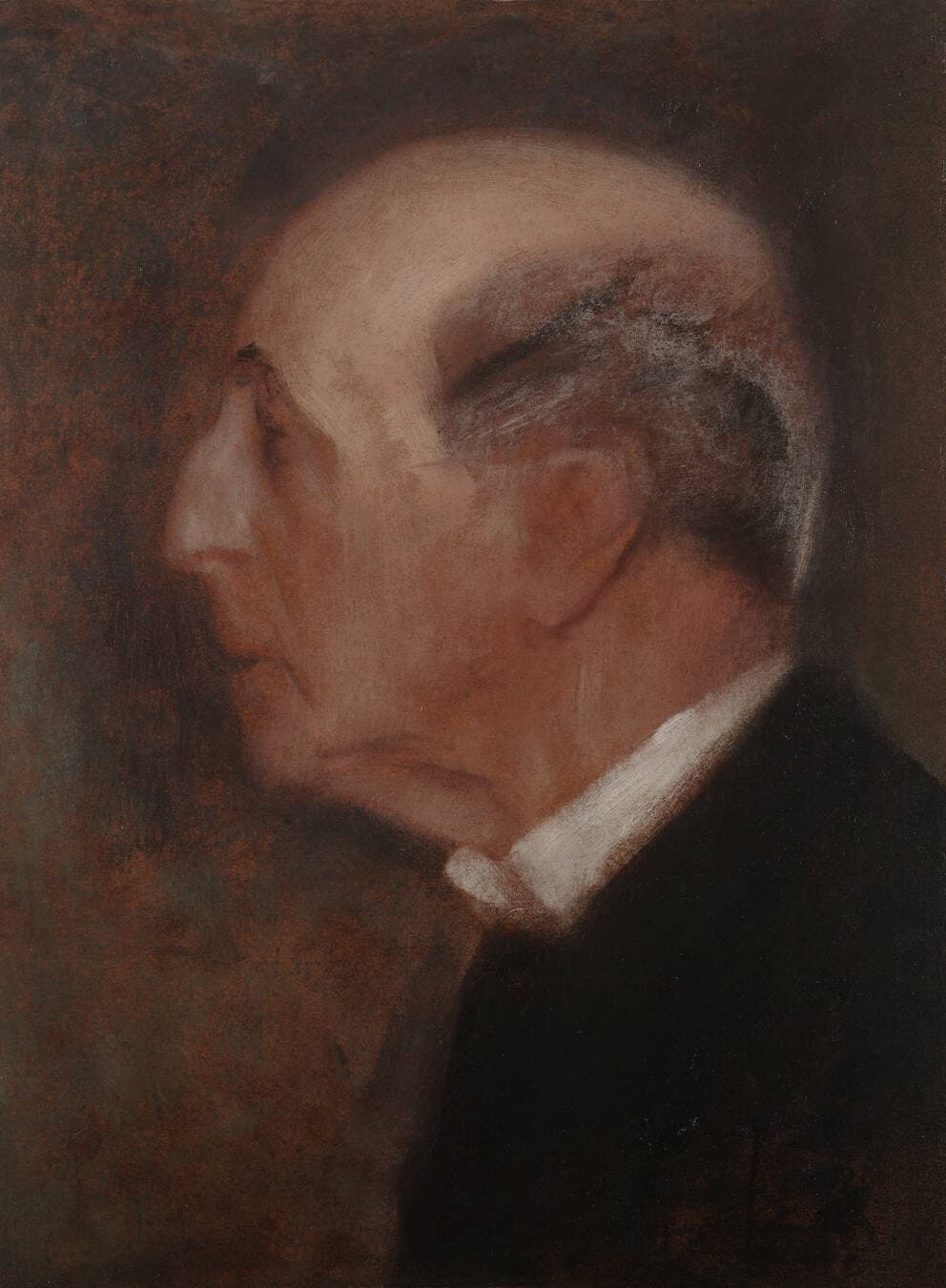
$3.5-6.5 million
We estimate Gustav Klimt’s Portrait of an Old Man in Profile (Count Traun?) at $3.
See full valuation →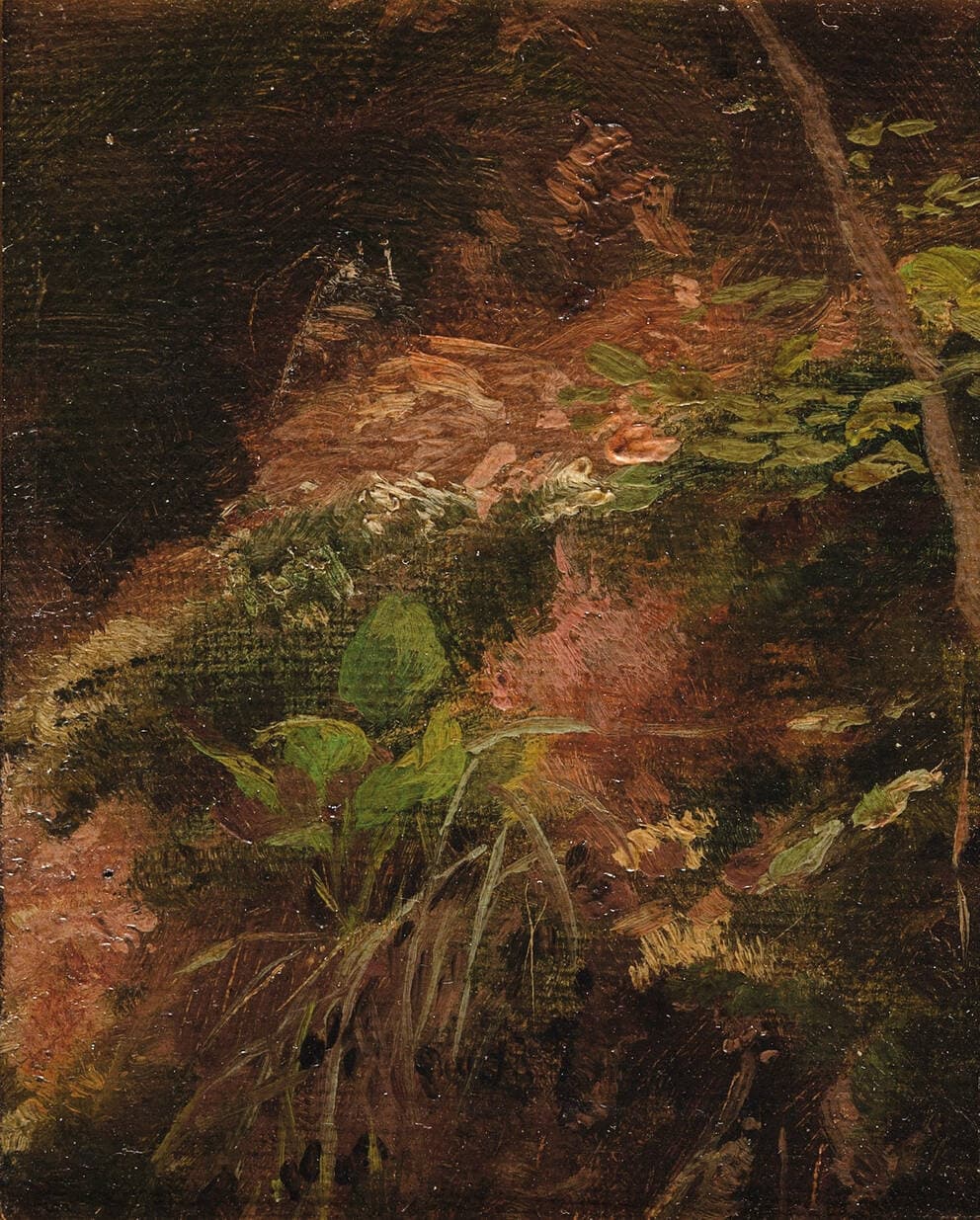
$3.5-6 million
Forest Floor (Waldboden), 1881/82, is a tiny oil sketch by Gustav Klimt (10 × 8 cm), owned by the Klimt-Foundation and on permanent loan to the Leopold Museum.
See full valuation →What Drives Value in Gustav Klimt's Work
Golden‑Period Ornamentation (Gold‑leaf & Byzantine Mode)
Klimt’s so‑called Golden Period—characterized by extensive gold leaf, Byzantine‑mosaic patterning and decorative abstraction—is the single biggest price multiplier. Works that manifest this exact vocabulary (The Kiss, Adele Bloch‑Bauer I, Sunflower) occupy the artist’s highest demand tier because they are visually unique, museum‑defining and scarce in private hands. Collectors pay a premium for that specific material/ornamental synthesis; market commentary extrapolates far above standard Klimt ceilings for these canvases.
Portrait Hierarchy: Full‑length Commissioned Sitters & Name Recognition
Klimt’s commissioned full‑length female portraits form a distinct trophy class: Adele I/II, Portrait of Elisabeth Lederer and Lady with a Fan show that sitter prominence, scale and formal restraint produce outsized bidding. The Lederer sale (USD 236.4M anchor) and Lady with a Fan ($108.4M) demonstrate that named sitters and full‑length format materially expand the buyer pool and willingness to pay versus landscapes or non‑portrait Golden works.
Medium & Support: Oils/Gold Canvases versus Papers/Cartoons
Klimt’s medium is a crucial price determinant—large oil canvases with gold leaf outperform works on paper, parchment or cartoons. Fragile media (Girlfriends on parchment) and preparatory cartoons (The Tree of Life Stoclet cartoon) trade at a discount relative to trophy oils because of display limits, conservation and lending restrictions; however, if the sheet is uniquely tied to a major commission or motif (Stoclet), it can still reach high‑eight‑figure levels.
Austrian Provenance, Restitution Narrative & Museum Ownership
Klimt’s market is uniquely shaped by Austria‑era provenance issues and high museum ownership. Restitution clarity (Adele Bloch‑Bauer I/II, Birch Forest) removes title risk and unlocks top prices, while major institutional holdings (Belvedere, Neue Galerie, Leopold Museum) make trophy works functionally illiquid yet simultaneously create a scarcity premium. Export/deaccession constraints and the public restitution narrative therefore swing realizable value far more for Klimt than for many peers.
Market Context
Gustav Klimt occupies the top tier of early‑20th‑century modernists, with demand concentrated in a handful of trophy canvases and a deep buyer pool of major institutions, ultra‑high‑net‑worth collectors and notable private dispersals (e.g., Paul G. Allen, Leonard Lauder) from the U.S., Europe and Asia. The market’s public ceiling was reset in November 2025 when Portrait of Elisabeth Lederer sold for $236.4m, following prior marquee results, and late‑2025 marquee consignments and guarantees demonstrated durable appetite after a softer 2023–24. Value is highly concentrated in Golden Phase portraits and large allegories; provenance clarity and exhibition history are decisive given restitution scrutiny. Supply remains tightly constrained, producing episodic step‑changes in pricing: museum‑quality masterworks attract aggressive, competitive bidding while mid‑tier material trades more selectively.